The air in a herb garden can feel like a warm greeting. With the right scents, even a quiet corner turns lively.
Choose herbs for their looks, their smell, and how easy they are to grow. Once you start, you will keep reaching for leaves just to catch that fresh burst.
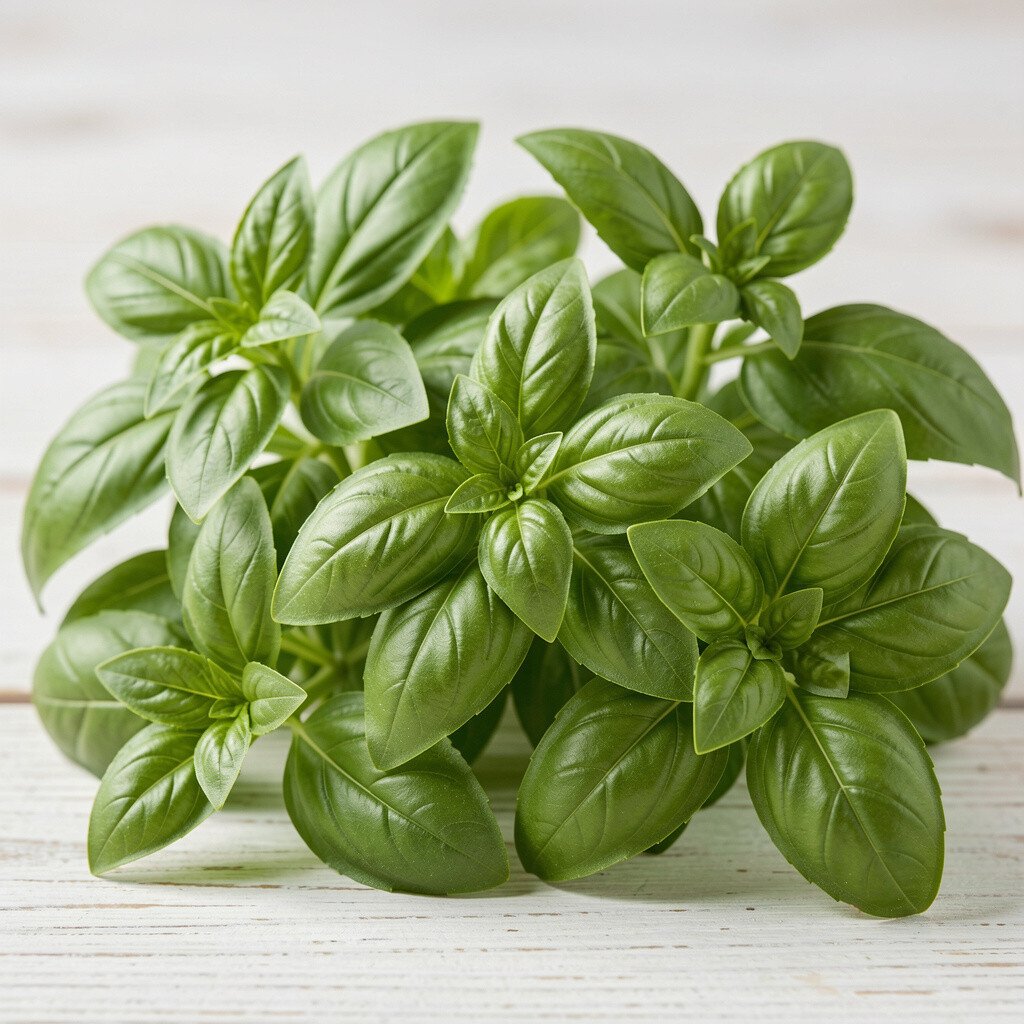
Basil forms lush, bright green mounds with soft, velvety leaves that look almost painted. When you brush past it, a sweet, peppery scent lifts into the air.
It is a fast grower, which means you can enjoy fresh harvests soon after planting. Basil also pairs beautifully with tomatoes, salads, and homemade pasta sauce, so you get fragrance and flavor in the same breath.
For practical results, pinch the tops often so the plant grows bushier instead of tall and flowering. Plant it where the soil stays warm, and keep watering steady without soaking the leaves.
2. Lavender
Lavender
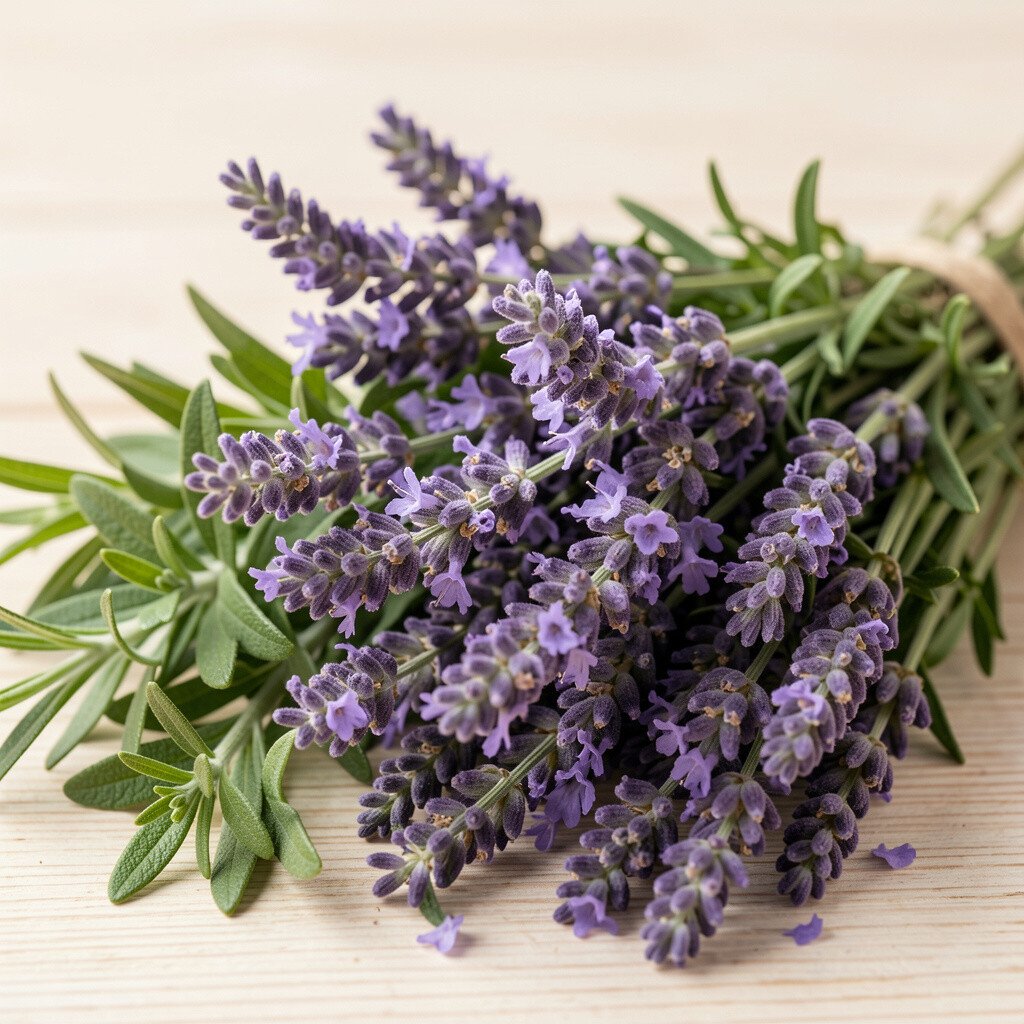
Lavender sits like a small purple landscape, with slender stems and tiny blooms that sway in the breeze. Its fragrance is calming and unmistakable, like clean linen carried on a summer day.
Beyond beauty, lavender attracts helpful pollinators while being relatively tough once established. You can also dry the flowers for sachets, room sprigs, and gentle potpourri.
To keep it thriving, use well-drained soil and avoid heavy, soggy watering. If you want a personal touch, plant multiple colors by mixing lavender varieties and pair them with silver plants like dusty miller for a standout contrast.
3. Rosemary
Rosemary
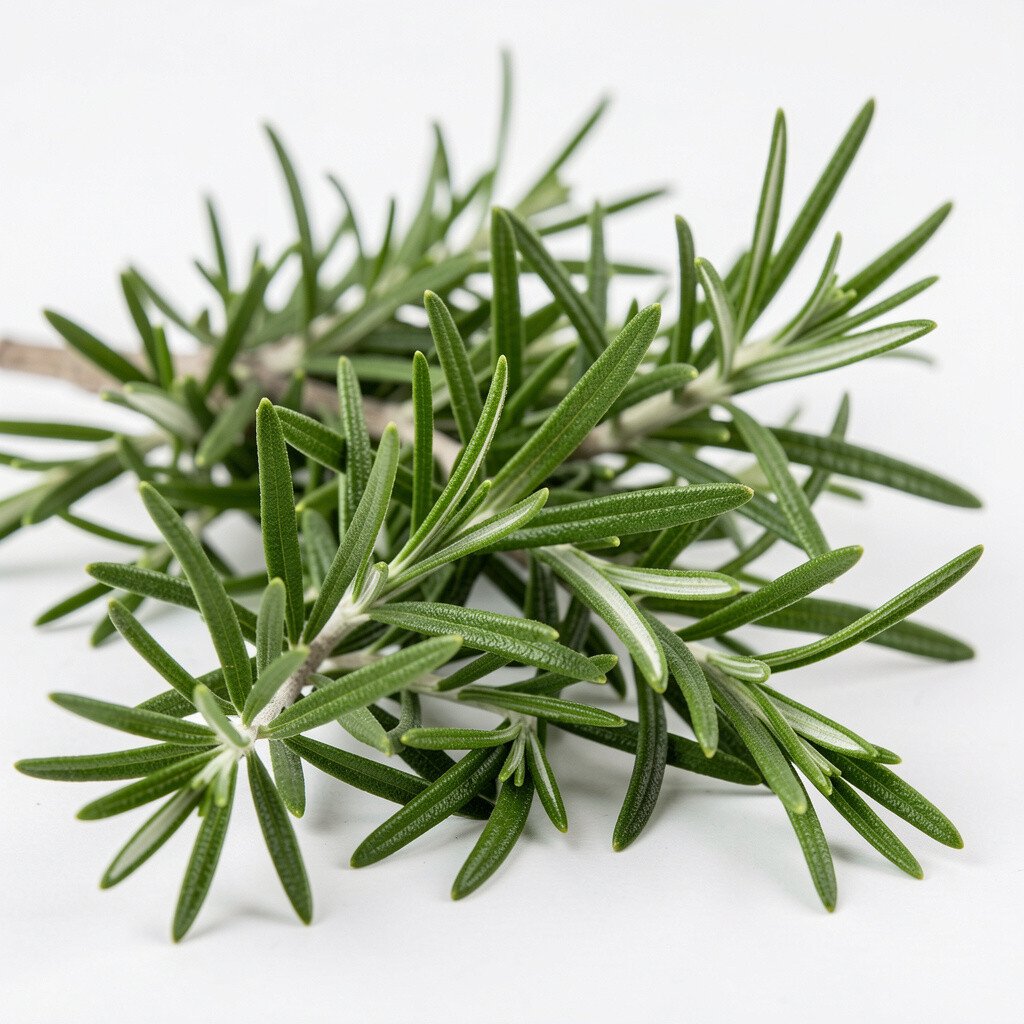
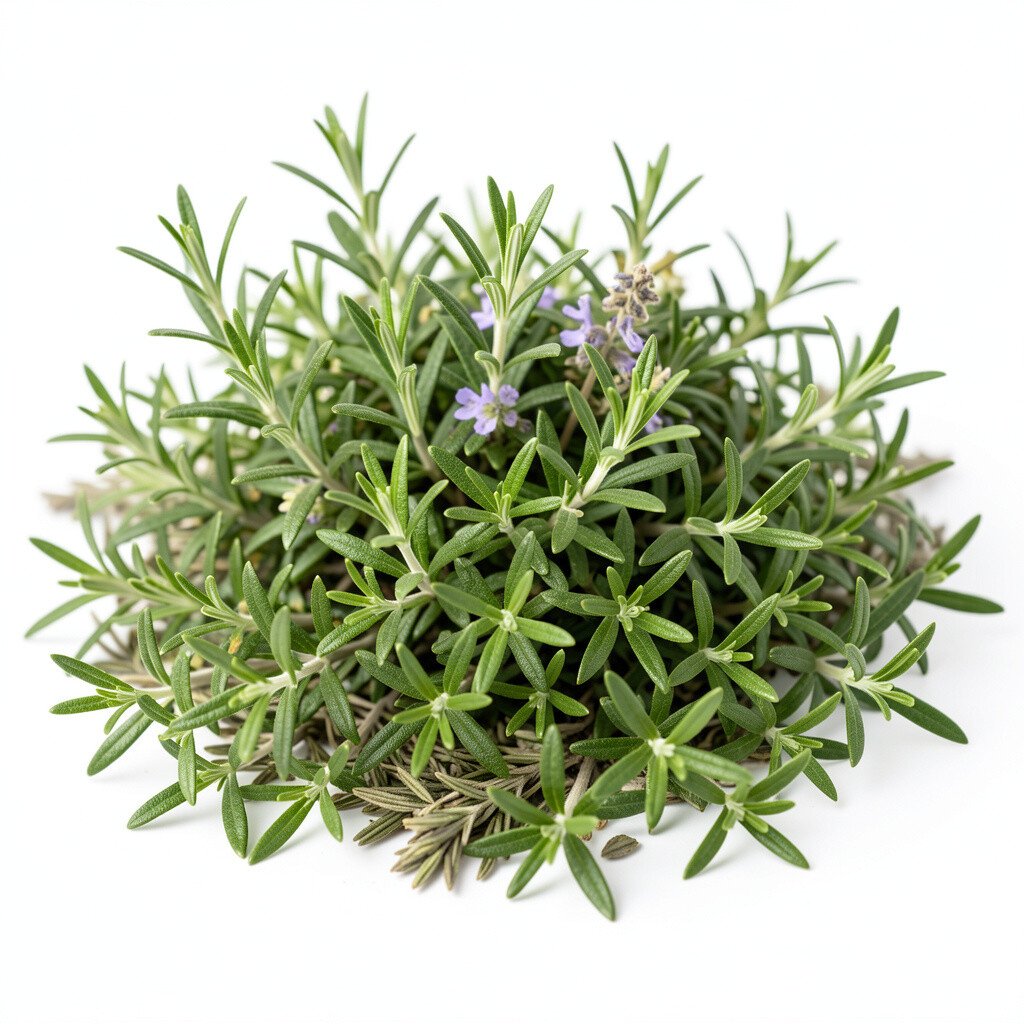
Rosemary grows with an upright, woody look, forming aromatic branches that feel sturdy and strong. Its needles are dark green and the smell is resinous, pine-like, and bright all at once.
It is a great herb for gardeners who like structure, because rosemary can fill space and look good even when you are not harvesting. You will also love how it seasons roasted chicken, potatoes, and vegetables with a deep, savory aroma.
For success, give it sunny exposure and let the soil dry slightly between waterings. If you live in a cooler area, try container growing so you can bring it indoors during cold snaps.
Even the cost can feel easy to manage, because one healthy plant can last for years with basic care. Keep it within reach near a walkway or patio door so its scent follows your everyday steps.
4. Mint
Mint
Mint is bold and green, often spreading in confident patches that look full and energetic. The fragrance is cool and zesty, like a fresh breeze from your fingertips when you crush a leaf.
It is also wonderfully useful, flavoring iced drinks, fruit salads, and cooling sauces. You will get quick growth, and that makes mint feel satisfying when you want results fast.
Plant mint in a pot or use a barrier in the ground, because it can take over if it feels too comfortable. For personalization, try different types like chocolate mint or pineapple mint and plant them near seating so you notice the scent during warm afternoons.
Many gardeners find mint budget-friendly because it is easy to start from cuttings. A small pot of mint can supply a long season of flavor, especially for summer drinks.
5. Sage
Sage
Sage has soft, muted leaves that look slightly fuzzy and elegant. When you rub the foliage, you get a warm, earthy fragrance that feels cozy and grounded.
It works well for savory cooking, especially with roasted meats, butter sauces, and stuffing. Sage also adds texture in the garden, so your beds look layered even before anything flowers.
To keep it from getting leggy, trim it lightly and give it plenty of sun. For a practical touch, harvest a few sprigs regularly, because this encourages new growth and keeps plants looking neat.
6. Thyme
Thyme
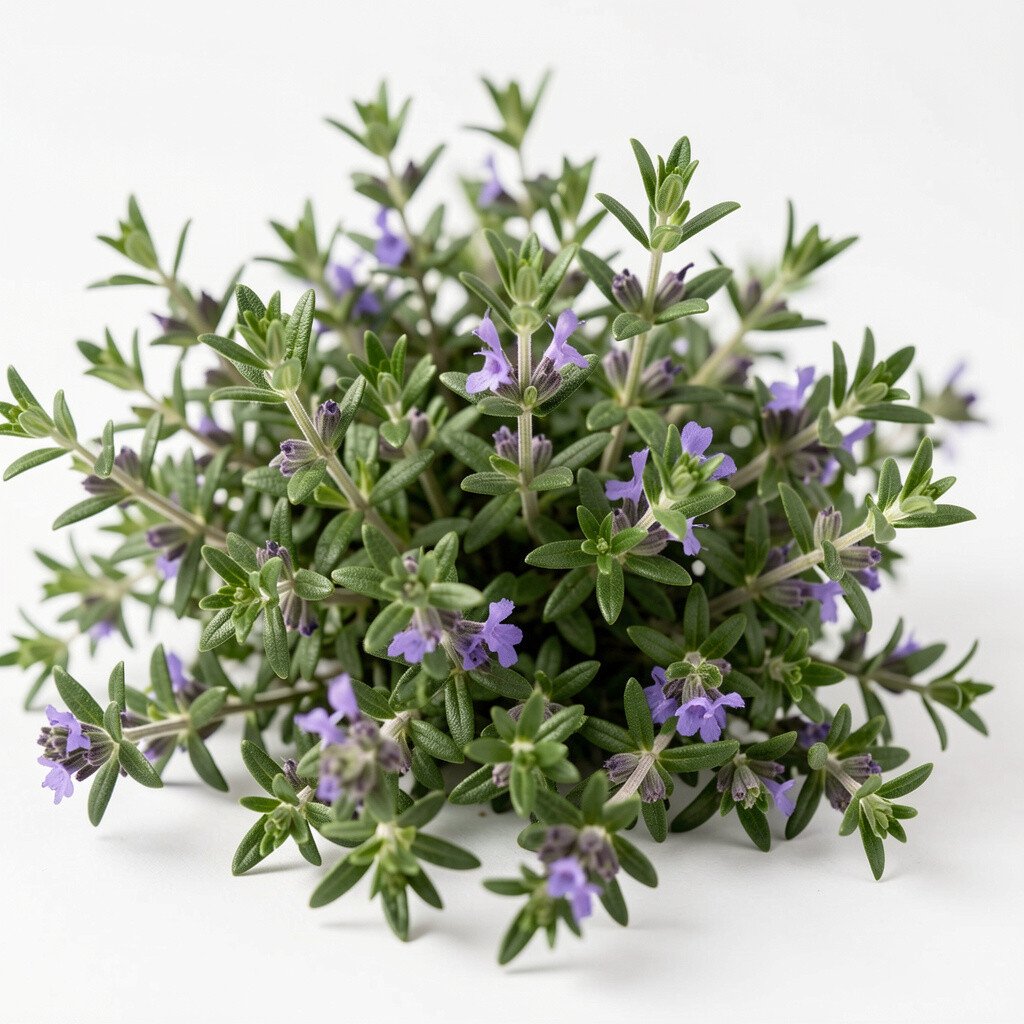
Thyme forms low, spreading mats with tiny leaves and small blossoms that look like little stars. Its scent is gentle but powerful, earthy and herbal, and it becomes stronger when you walk near it.
It is perfect for edging paths, raised beds, and between stepping stones. The flavor is great for soups, roasted vegetables, and herb butter, and you get fragrance every time you brush the plants.
Choose a sunny spot and use well-draining soil for best results. If you want to make it feel special, mix thyme types with different leaf shapes and bloom colors, then let it spill naturally over edges.
7. Oregano
Oregano
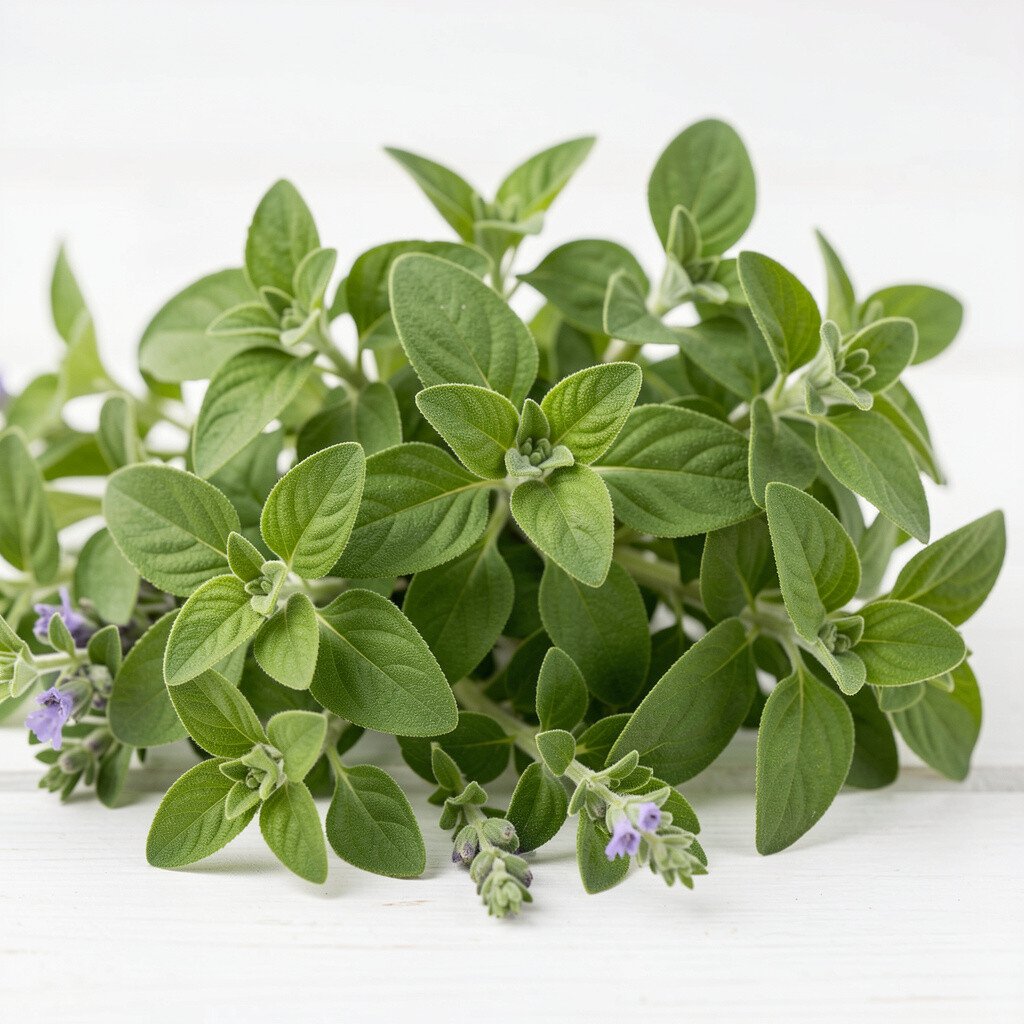
Oregano brings a rugged, leafy look, with small clusters of flowers that rise above the greens. The scent is warm and aromatic, and it becomes more noticeable on hot days.
It is a reliable herb for Mediterranean-style dishes, shining in pizzas, tomato sauces, and grilled vegetables. Many gardeners like oregano because it stays productive even when other plants slow down.
Plant it where it gets sun and avoid overwatering, since it prefers drier conditions. For personalization, keep a patch near your herb rack and label containers by dish theme, like pizza night or pasta night.
8. Lemon Balm
Lemon Balm
Lemon balm makes bright green clumps with a fresh, citrusy scent that feels uplifting. When you step close, the smell pops like sunlight through leaves.
This herb is great for tea, fruit infusions, and light desserts, and it tastes like a softer cousin to lemon. It also grows quickly, so you can harvest regularly without feeling like you are working too hard.
Give it partial shade if your summers are very hot, and water when the top layer of soil dries. To keep it tidy, trim after it flowers, and consider growing it near a garden table where guests will notice the aroma.
Many gardeners find it budget-friendly because it spreads and fills space without constant replanting. A single plant can become a whole scent zone if you manage it gently.
9. Dill
Dill
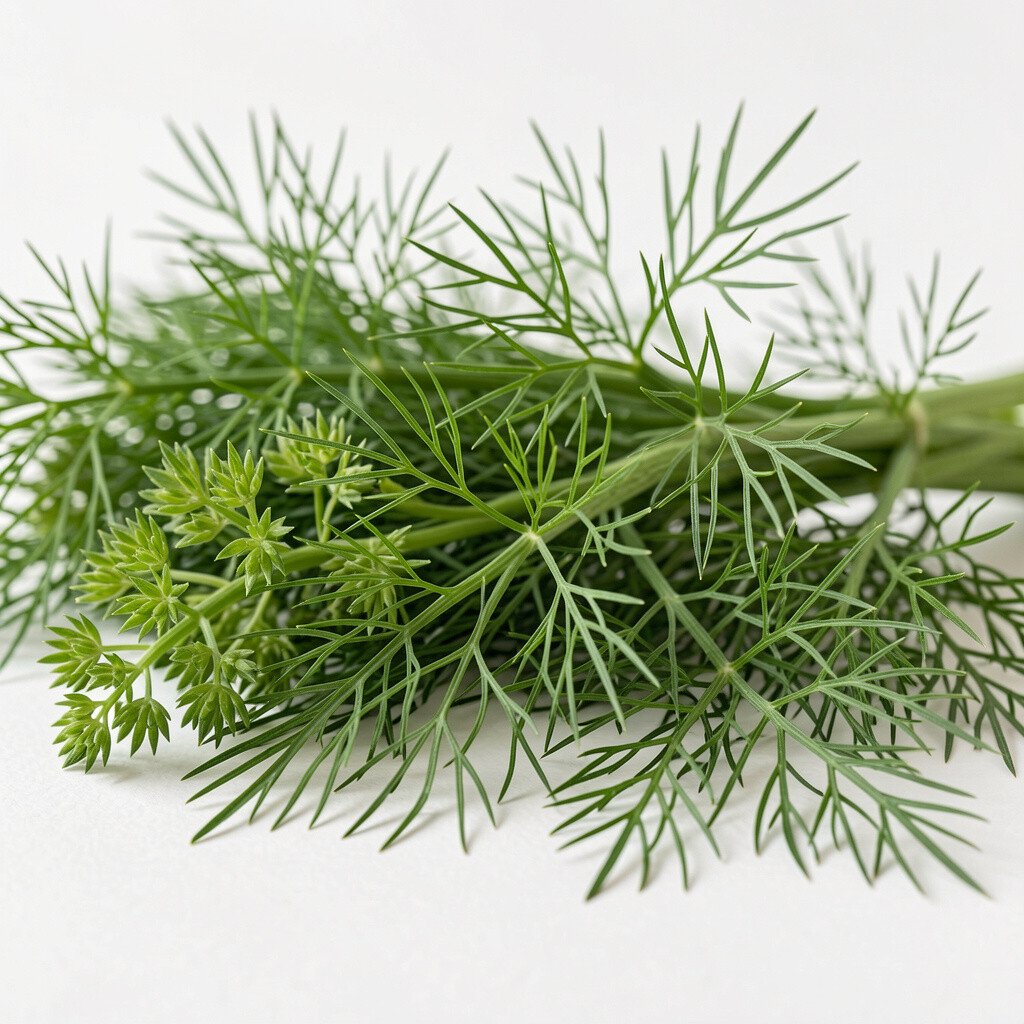
Dill has feathery, delicate fronds that look airy and graceful in the garden. The fragrance is fresh and slightly sweet, and it carries on breezes in a way that feels light.
It is especially useful for pickling, salads, and lemony fish dishes. When it flowers, it adds a lacy look that also attracts beneficial insects.
To get practical results, sow seeds where you want them and thin seedlings early so each plant has room. If you want personalization, plant dill near cucumbers or in a small “garden snack” section where you can harvest without wandering.
Dill seeds are usually inexpensive, and you can stagger sowing so you have new growth through the season. Many gardeners follow current kitchen trends by using more herbs in everyday bowls, and dill fits right in.
10. Catnip
Catnip
Catnip looks like a leafy, upright plant with soft texture and small blossoms that brighten the scene. Its scent is herbal and strong, and it becomes more noticeable when the plant is touched.
Gardeners with pets often love it because cats tend to react enthusiastically to the fragrance and leaves. Even if you do not have cats, catnip can still be useful for pollinator support and for creating a lively garden spot.
Grow catnip in full sun for best flavor and a fuller look. For personalization, place it in a dedicated area away from delicate plants, since it can spread from self-seeding over time.
It can be cost-effective because catnip establishes well and keeps giving. This herb also matches a current trend toward planting for wildlife, since cats and pollinators both benefit in different ways.
11. Fennel
Fennel
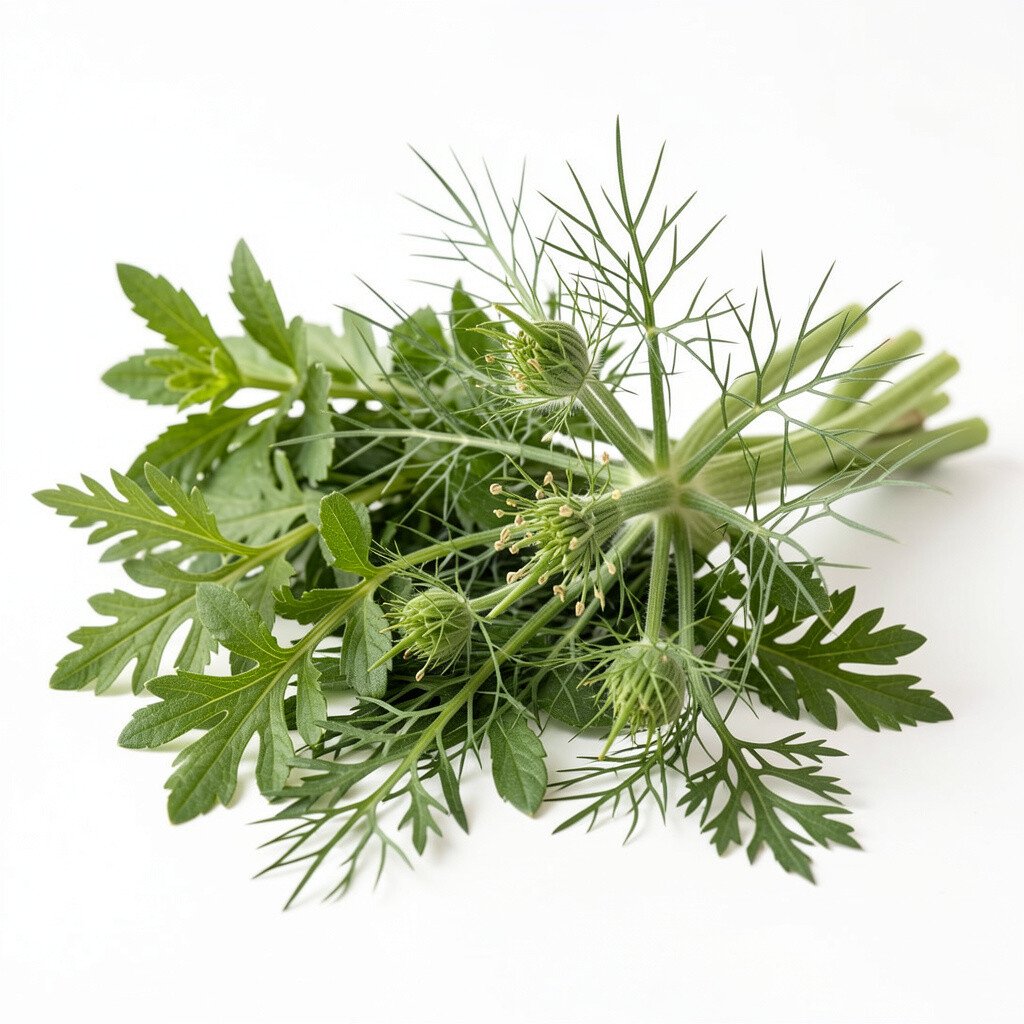
Fennel has a feathery, almost fern-like shape, with tall stems that sway and look dramatic. The fragrance is bright and anise-like, like a sweet herbal whisper that feels slightly fancy.
It is great in salads, roasted vegetable mixes, and dishes that call for a gentle licorice note. Plus, fennel can add height and structure, making the garden feel more like a designed space.
Plant it in sunny ground and give it enough space to spread, since crowding can reduce performance. If you want to personalize, choose varieties suited for either bulb-like stems or leaf harvest depending on how you cook.
Cost is often manageable because one plant can provide many harvests through its growing period. Many cooks today are leaning into bolder flavors, and fennel helps you do that without needing rare spices.
12. Sweet Marjoram
Sweet Marjoram
Sweet marjoram has small, rounded leaves and a gentle, tidy look that makes beds feel refined. When crushed, it releases a sweet, warm fragrance that is comforting and softly savory.
In the kitchen, it pairs well with poultry, beans, and slow-cooked dishes, giving food a cozy herb depth. It also works nicely alongside other herbs, so your garden feels like a flavorful team rather than single plants.
Give it sun and keep the soil from staying too wet. For personalization, blend marjoram with thyme and oregano so the scents overlap when you brush the plants.
Many gardeners find it cost-friendly because established marjoram can be harvested repeatedly for long seasons. If you enjoy current trends in home cooking, it fits right into everyday soups and herb-focused marinades.
13. Angelica
Angelica
Angelica has tall, sculptural stems and umbrella-like clusters that make it feel like a living centerpiece. Its fragrance is herbal and earthy, and the plant looks impressive even when you do not harvest.
Because it grows larger, it can brighten the back of beds and create a backdrop that other herbs can enjoy. It also connects to herbal traditions, making your garden feel story-rich and a bit magical.
Plant it where it has room, and keep the soil consistently moist during establishment. If you want a personal touch, combine it with flowers like echinacea or tall alliums so the whole area looks intentional and bright.
Angelica can cost more than common kitchen herbs, but one plant can reward you with a long-lasting visual display. Many gardeners also like it as part of the trend toward “heritage” plants, because it adds character beyond everyday cooking.