19+ Sustainable Door Options For Eco-conscious Buyers
The doorway you choose shapes more than looks. It can quietly cut waste, save energy, and support healthier indoor living.
With the right materials and fittings, a door becomes a small but meaningful sustainability win. The best part is that many eco choices feel warm, modern, and personal.
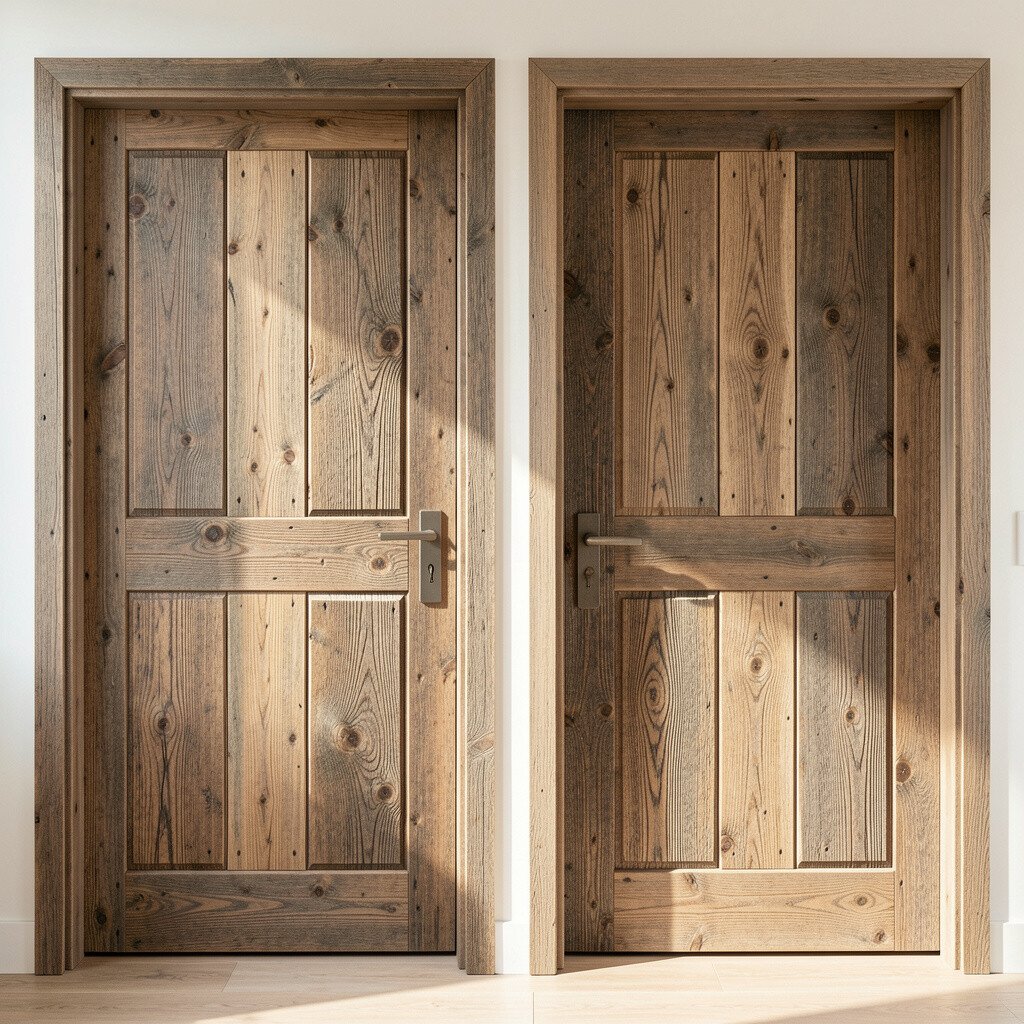
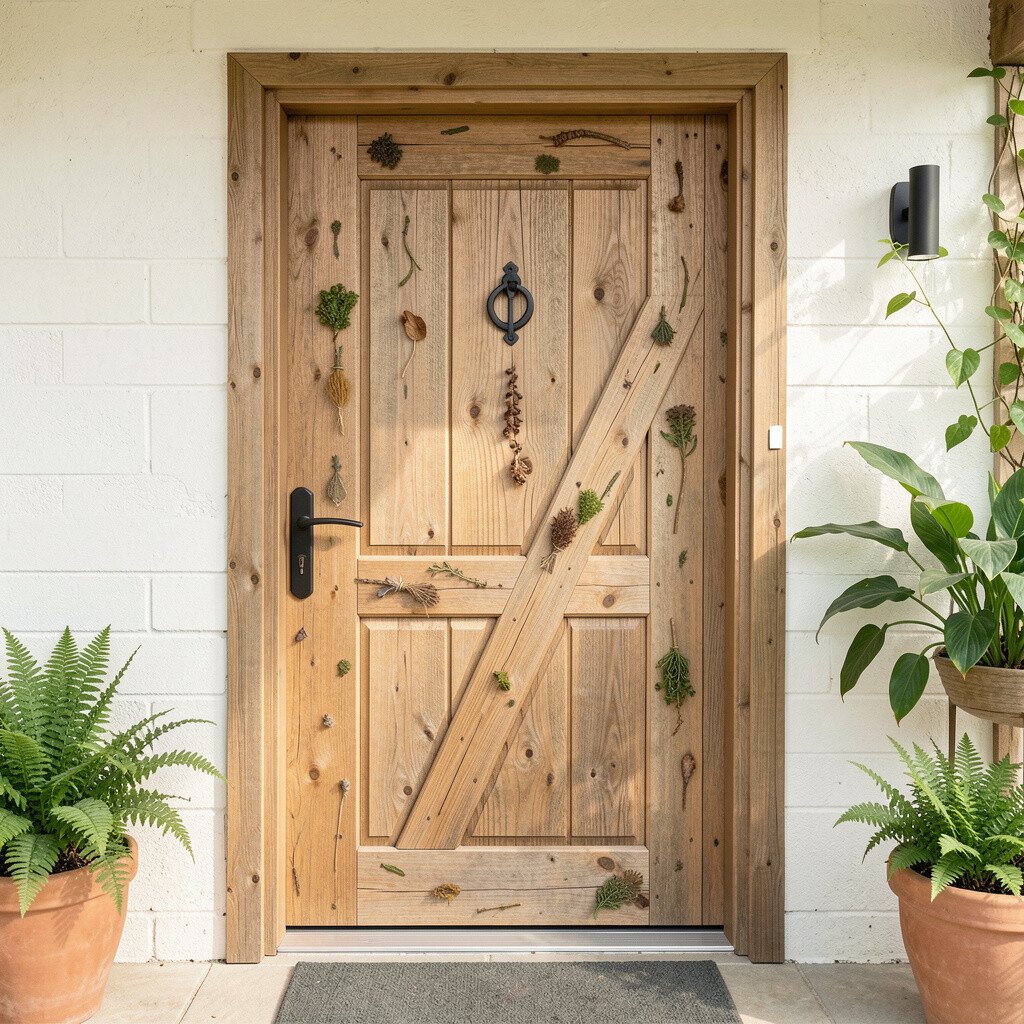
1. Reclaimed Wood Doors With Character-Heavy Grain
Reclaimed Wood Doors With Character-Heavy Grain
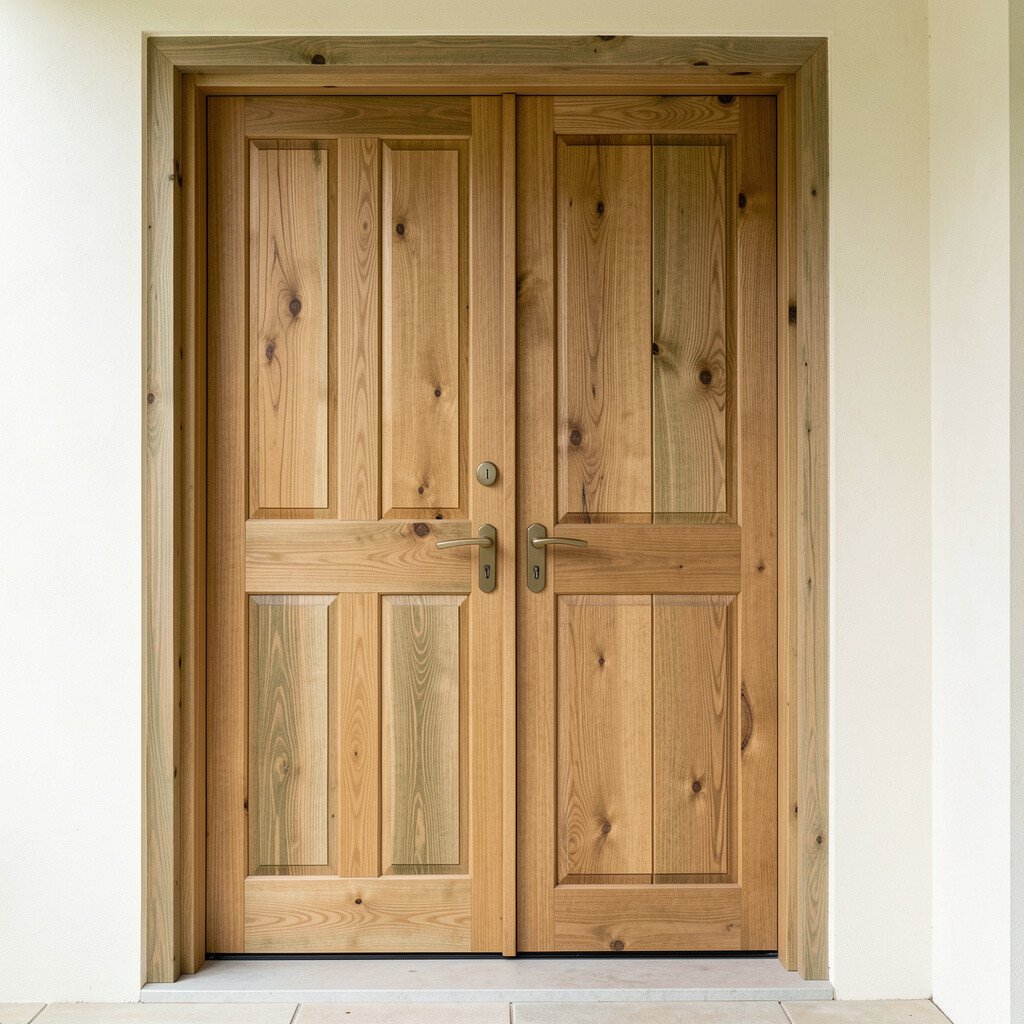
Imagine walking up to a home and seeing doorboards that still carry old marks like friendly handwriting. Each plank shows a different streak of color, knots, and subtle dents that make the whole entry feel lived-in.
Reclaimed wood often needs less new timber, which helps reduce pressure on forests. For practical use, choose solid construction or well-made panels, and check that the wood is properly cleaned and sealed for moisture resistance. You can keep the look rustic by using a low-VOC natural oil finish, and you can personalize it with a darker stain on the lower third for a sturdy, grounded vibe.
2. Bamboo Composite Doors That Balance Strength And Speed
Bamboo Composite Doors That Balance Strength And Speed
Bamboo grows fast, and that speed shows up in doors that look sleek and tidy. You might spot a smooth surface with a gentle, linear pattern that feels modern next to simple hardware.
Bamboo composite options can be durable and can reduce the need for thicker hardwoods. When installing, make sure the door is sealed on all edges since composite materials still respond to humidity. To personalize, pair bamboo doors with brushed metal pulls and add a matching bamboo or rattan mat to echo the texture.
For cost, bamboo composites often land in the mid-range, especially when you buy standard sizes. Current interest in plant-based interiors can keep pricing steady, so it’s worth comparing finishes and warranty terms from several makers before you order.
3. Solid-Core Doors With Recycled Paper Honeycomb Core
Solid-Core Doors With Recycled Paper Honeycomb Core
Picture a door that stays light to lift yet still looks substantial from the hallway. Under the finish, the core can be made from recycled paper pressed into a honeycomb structure.
This design can help reduce material use while keeping good insulation in mind for everyday comfort. Start by checking the core density and look for documentation of recycled content. For practical results, choose a finish that resists scuffs and consider weatherstripping if the door will face drafts near exterior openings.
To personalize, pick a simple flush style and add a statement knob in a warm metal tone. Costs can be attractive compared with heavy solid wood, but you’ll want to budget for a quality finish and proper hinges so the door stays quiet for years.
Eco-minded buyers also like that these doors often install cleanly during renovations, making them a smart fit for faster upgrades.
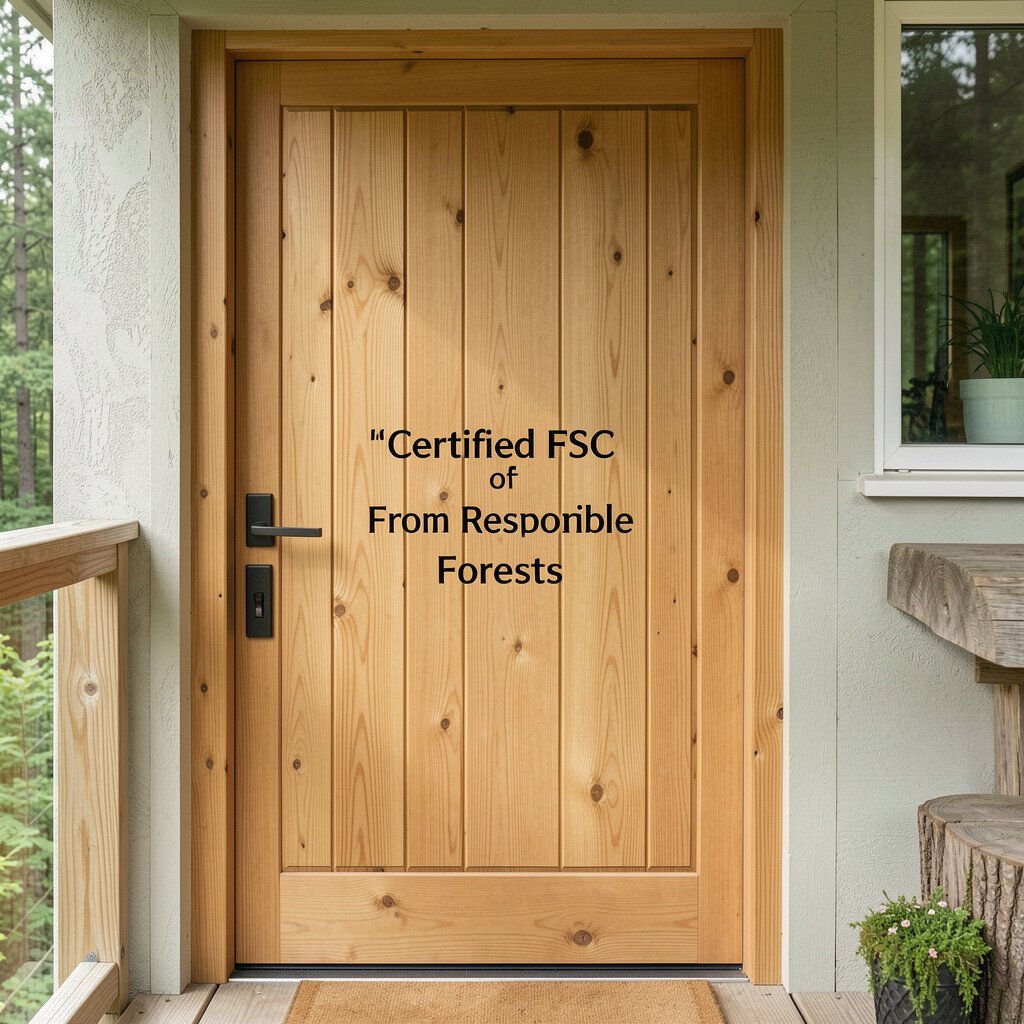
4. Certified FSC Wood Doors From Responsible Forests
Certified FSC Wood Doors From Responsible Forests
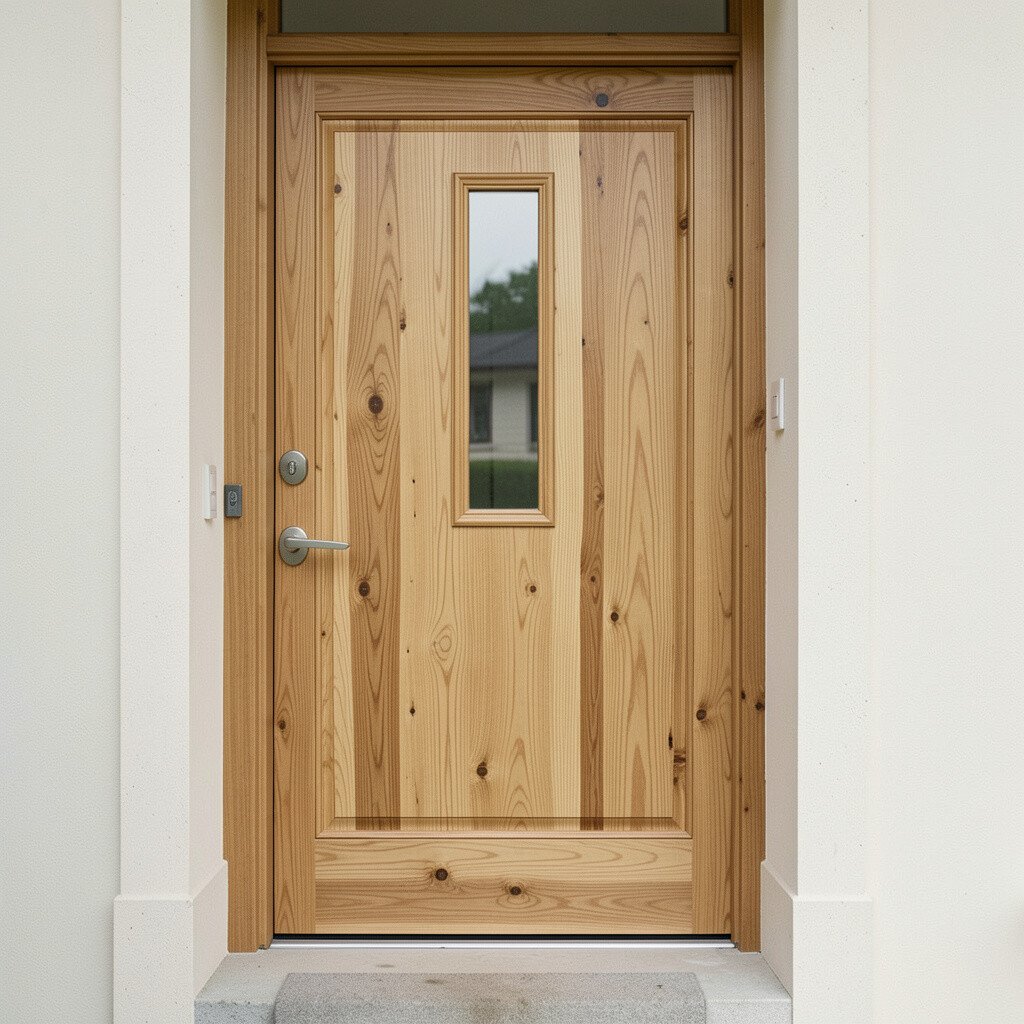
If you love the look of real wood but want proof of responsible sourcing, certified FSC options are a strong match. The grain can be classic oak-like, soft maple-like, or even a deeper walnut tone that flatters natural light.
Choosing certified wood supports better forest practices and can reduce the chance of illegal logging. For practical buying, request certification details from the seller and check that the species and finishes are clearly listed. You can personalize by selecting a clear finish to highlight grain, or by opting for a stain that matches your trim for a calm, unified look.
Think of a door that feels like it belongs in a quiet, warm home. Hemp insulation can add a soft, comfort-focused character by helping the door resist temperature swings.
These doors can support energy savings by reducing heat loss and drafts, which is especially helpful for homes with older windows. To make the most of it, install with good seals around the frame and keep the door’s hinges aligned so it closes evenly. For personalization, you can choose natural finishes in honey, oatmeal, or deep chestnut shades that pair beautifully with linen curtains and light-colored walls.
Hemp-based products are gaining attention as more buyers look for low-impact insulation materials. Cost can vary, so compare the overall energy benefits and long-term comfort alongside the purchase price.
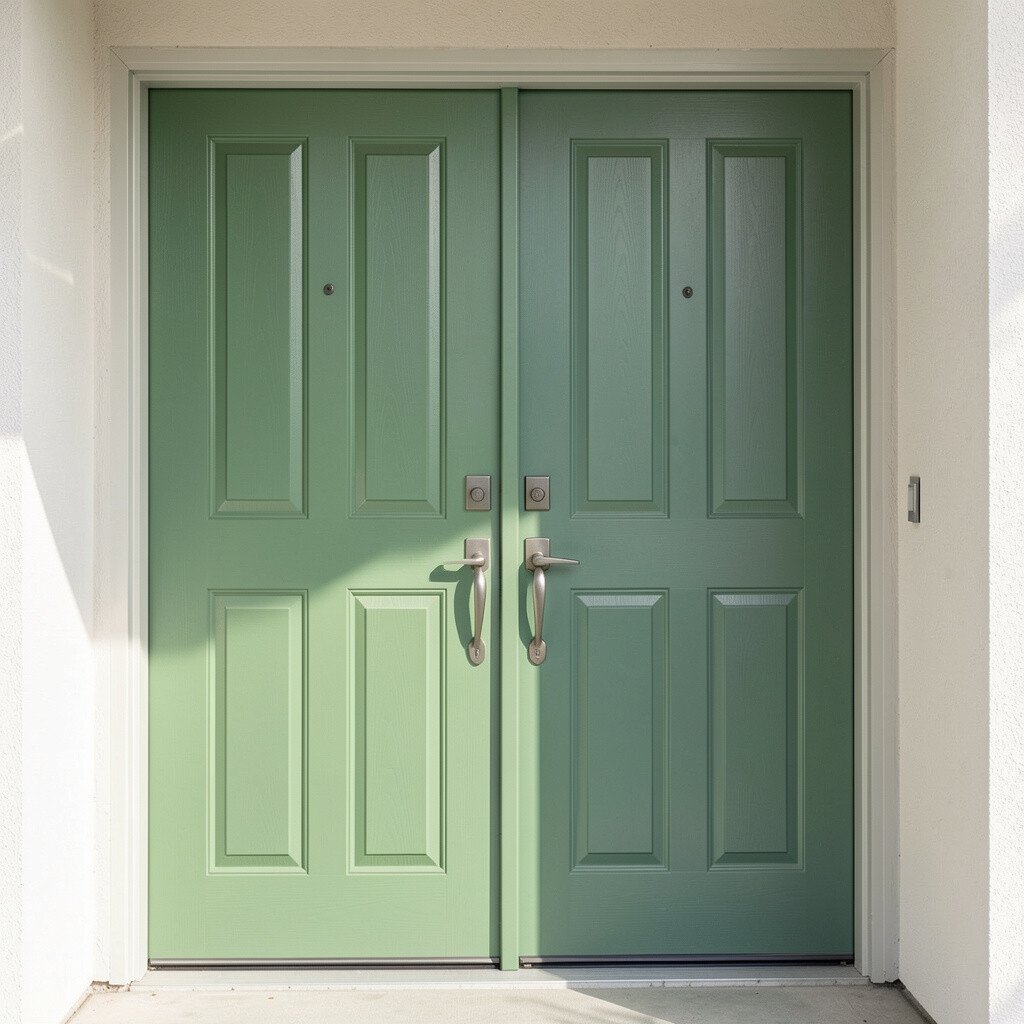
6. Recycled Metal Exterior Doors With Low-Carbon Feel
Recycled Metal Exterior Doors With Low-Carbon Feel
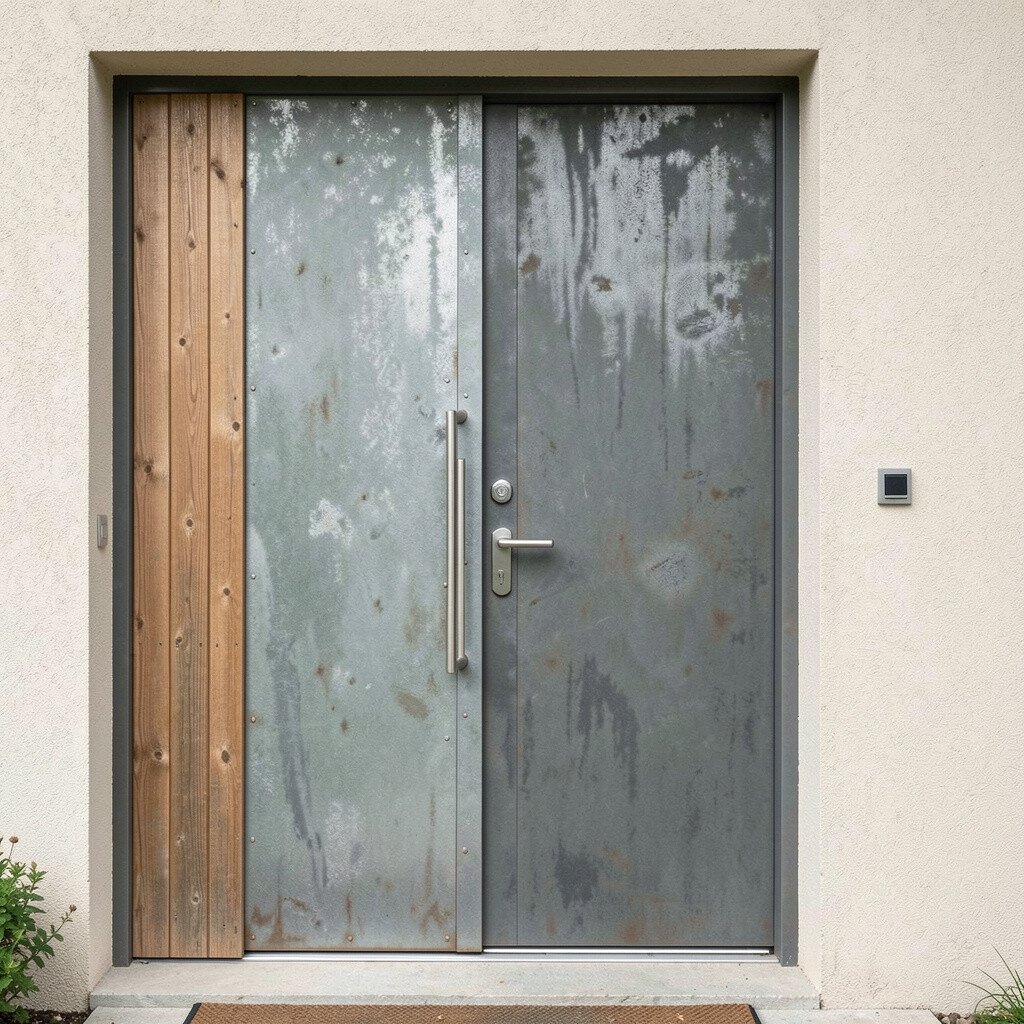
Some doors look strong and clean in the best way, and recycled metal can give you that bold, modern presence. You may notice a smooth or lightly textured surface that catches the light without feeling flashy.
Recycled metal doors can use less new mining impact, and they also tend to handle weather well. Practical tip: ask about coating quality and whether the door includes corrosion-resistant layers. To personalize, choose a powder-coated color like deep green, clay, or matte black, and pair it with warm wood accents on the porch for balance.
Cost considerations can be different from wood, since metal may last longer with fewer replacements. Buyers who care about longevity often find that this option pays off over time, especially in areas with harsh winters or heavy rain.
7. Natural-Finish Interior Doors Made With Soy-Based Varnish
Natural-Finish Interior Doors Made With Soy-Based Varnish
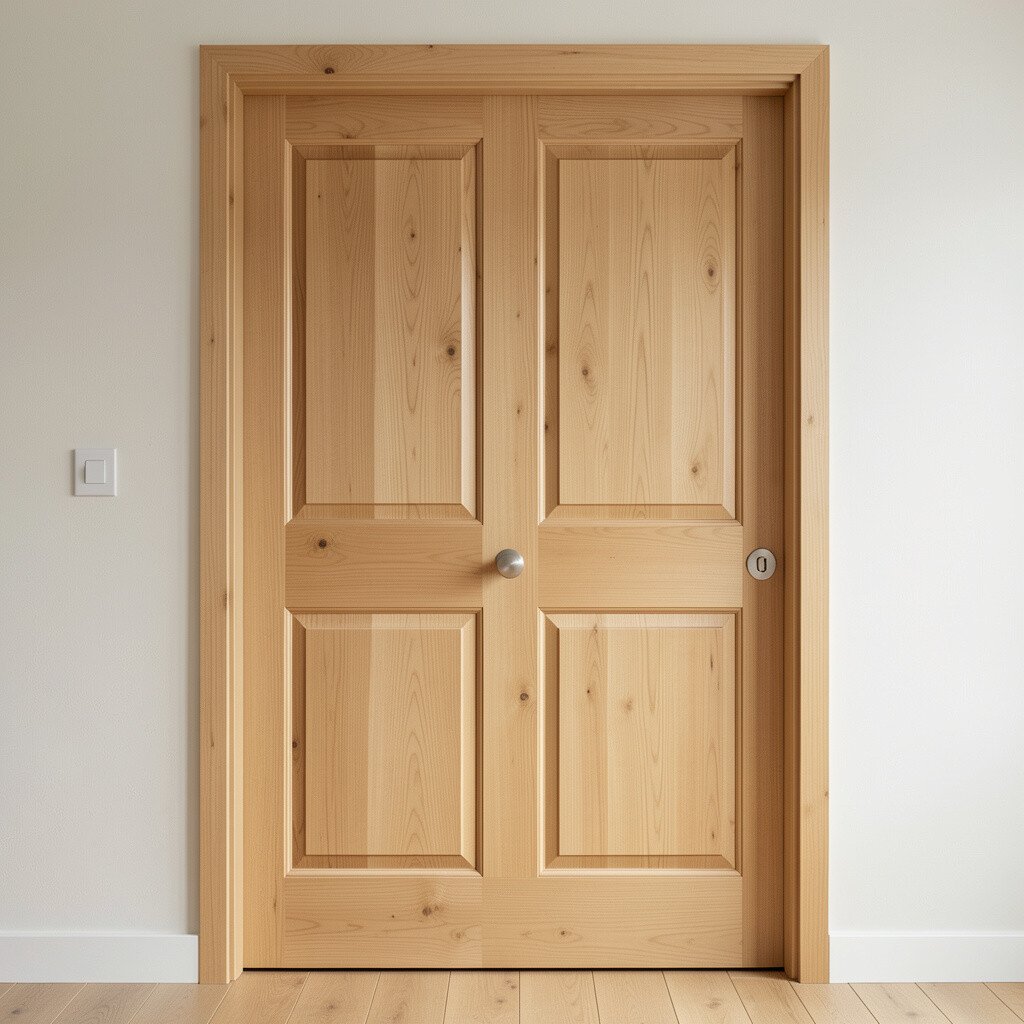
A door finished with soy-based products can look gentle and clear, letting the wood’s pattern shine. You might see a natural sheen that doesn’t overpower the grain, making the whole room feel airy.
This approach can reduce the smell and chemical load associated with some traditional finishes. For practical use, confirm the product is low-VOC and allowed for interior surfaces. Personalize it by choosing warm undertone stains and matching the sheen to your floors, such as satin for a soft look or matte for a calm, modern feel.
Cost is often competitive because these finishes can be widely available, but you may pay a bit more for reputable brands. Checking what’s included, like pre-finished options versus DIY finishing, can help you budget accurately.
8. Door Slabs With Post-Consumer Wood Waste Veneer
Door Slabs With Post-Consumer Wood Waste Veneer
Veneer doors can look like full hardwood while using less material underneath. When the veneer is made from post-consumer wood waste, the surface can show realistic grain without wasting more tree fiber.
You get a stylish, natural surface plus a lighter build that can be easier to install. For practical tips, verify the veneer thickness and the backing quality, since it affects durability and edge strength. Personalize the look by mixing a simple slab with a distinctive wood or stone-inspired handle plate that matches your home’s style.
These doors often fit mid-level budgets and can be a good choice when you want hardwood aesthetics without full solid-wood pricing. The current trend toward clean lines and “real wood look” finishes makes this option feel especially on-trend.
9. Salvaged Architectural Door Replacements From Old Buildings
Salvaged Architectural Door Replacements From Old Buildings
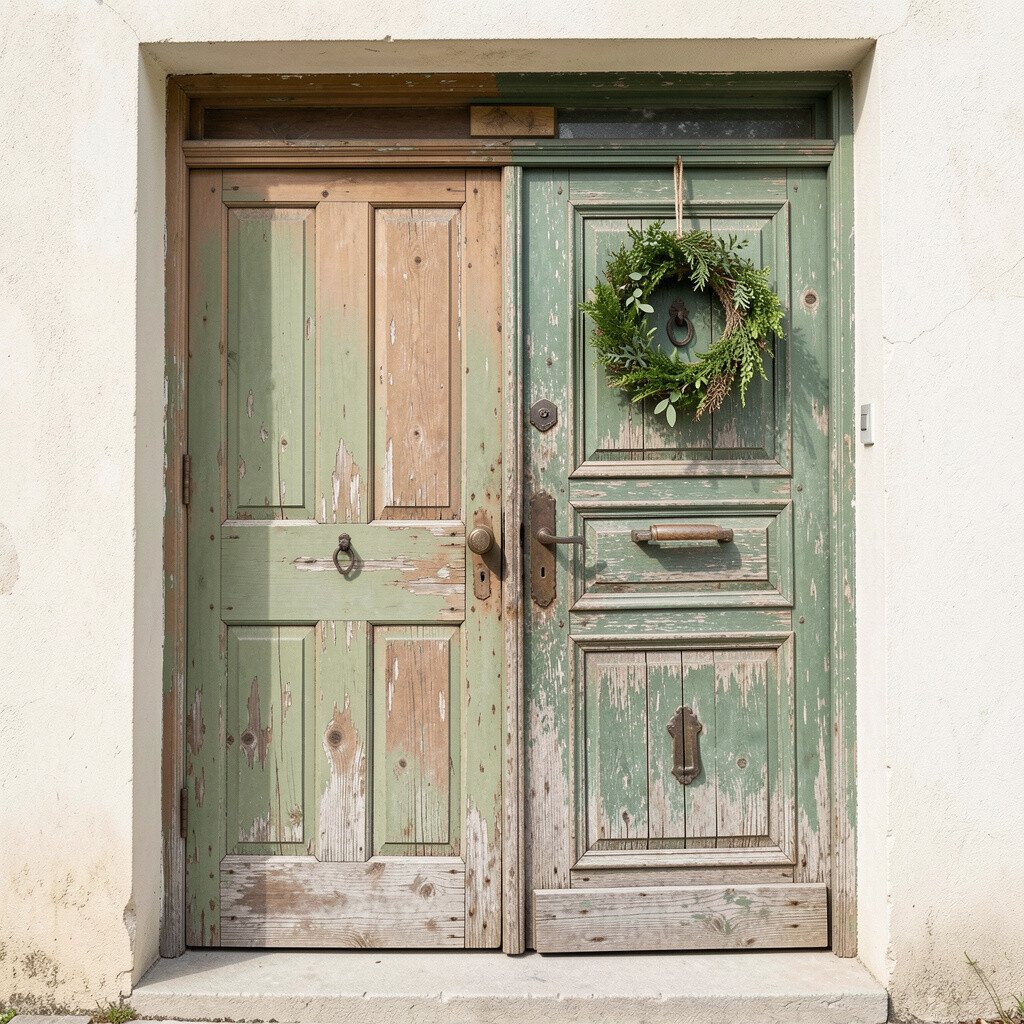
There’s something magical about doors pulled from historic buildings, with details that feel like they’ve lived through real stories. You might spot carved panels, aged hardware, and strong shadows that make the door look sculpted.
Reusing an existing door is one of the most direct ways to avoid new manufacturing, and it adds real uniqueness to your home. Practical buying tip: check structural stability, inspect for warping, and plan for lead-safe handling if the door is older. Personalize it with restoration choices like brass polishing or a gentle paint refresh in soft white or muted sage.
Cost can be unpredictable because rare designs may cost more, but deals often appear through salvage yards and local reuse groups. If you can match the door to your frame size with a skilled installer, you might save money by avoiding full custom builds.
This kind of door choice also connects your space to local history, which many eco-conscious buyers love.
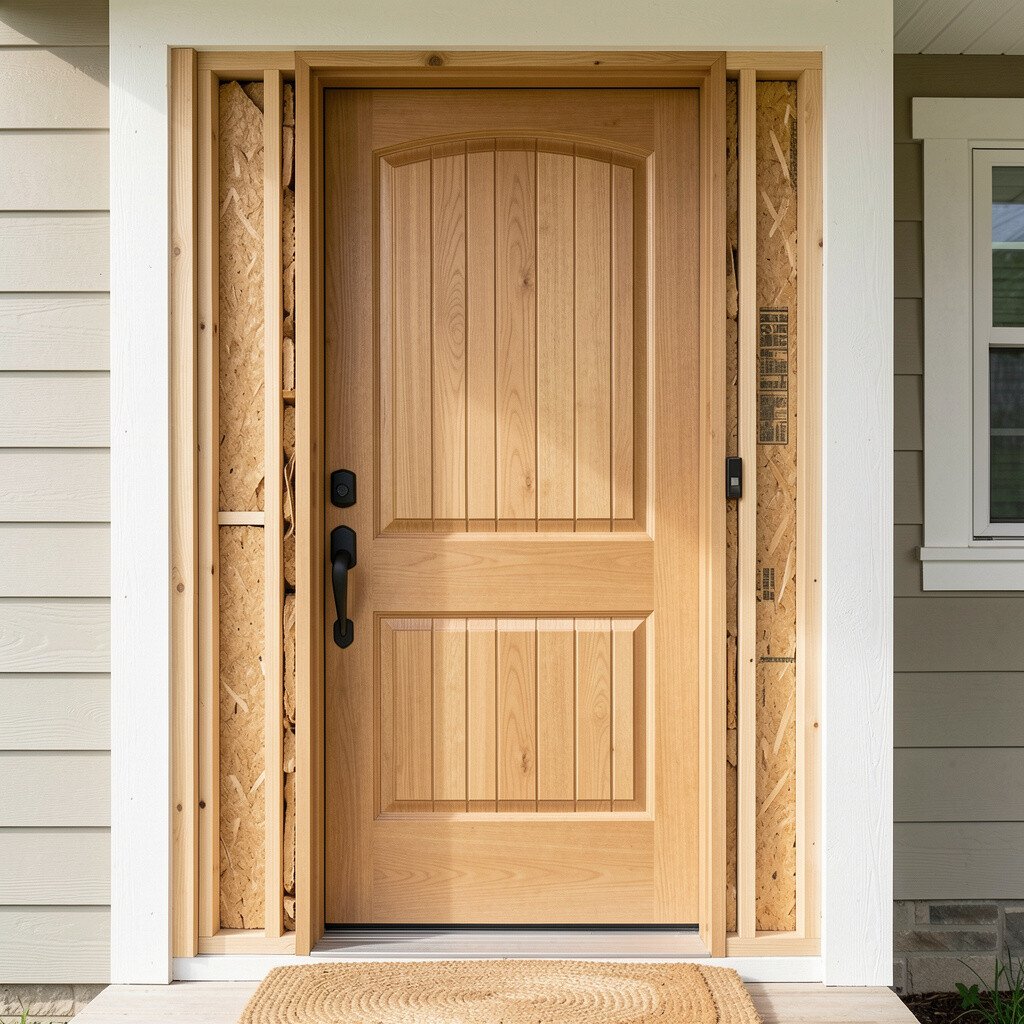
10. Thermally Efficient Doors With Natural Insulation Core
Thermally Efficient Doors With Natural Insulation Core
Some doors look plain, but their insulation performance makes a quiet difference every day. A thermally efficient core can help reduce drafts while still letting the door look crisp and clean.
With better insulating performance, you can support lower energy bills and more steady indoor comfort. Practical tip: look at the door’s overall U-value and check the sealing system around the perimeter, since the frame matters as much as the slab. Personalize by selecting a style that matches your interior trim, such as flat panel doors for modern spaces or arched designs for a softer feel.
11. Cork Insulated Door Panels For Sound And Warmth
Cork Insulated Door Panels For Sound And Warmth
Cork can bring a natural, earthy texture to a door that looks cozy instead of industrial. When used as an insulation layer, it can add warmth while also helping reduce noise transfer.
This can make hallways and bedrooms feel more private and comfortable, especially in busy households. For practical buying, make sure the cork is protected by a durable facing so it doesn’t get damaged by impacts. Personalize by choosing a cork-look finish for subtle texture, then pair it with simple hardware like satin nickel to keep everything balanced.
Cost is often mid-range, and prices can rise for premium sound-control designs. It’s smart to compare options with and without extra reinforcement so you buy the level of durability that matches your everyday use.
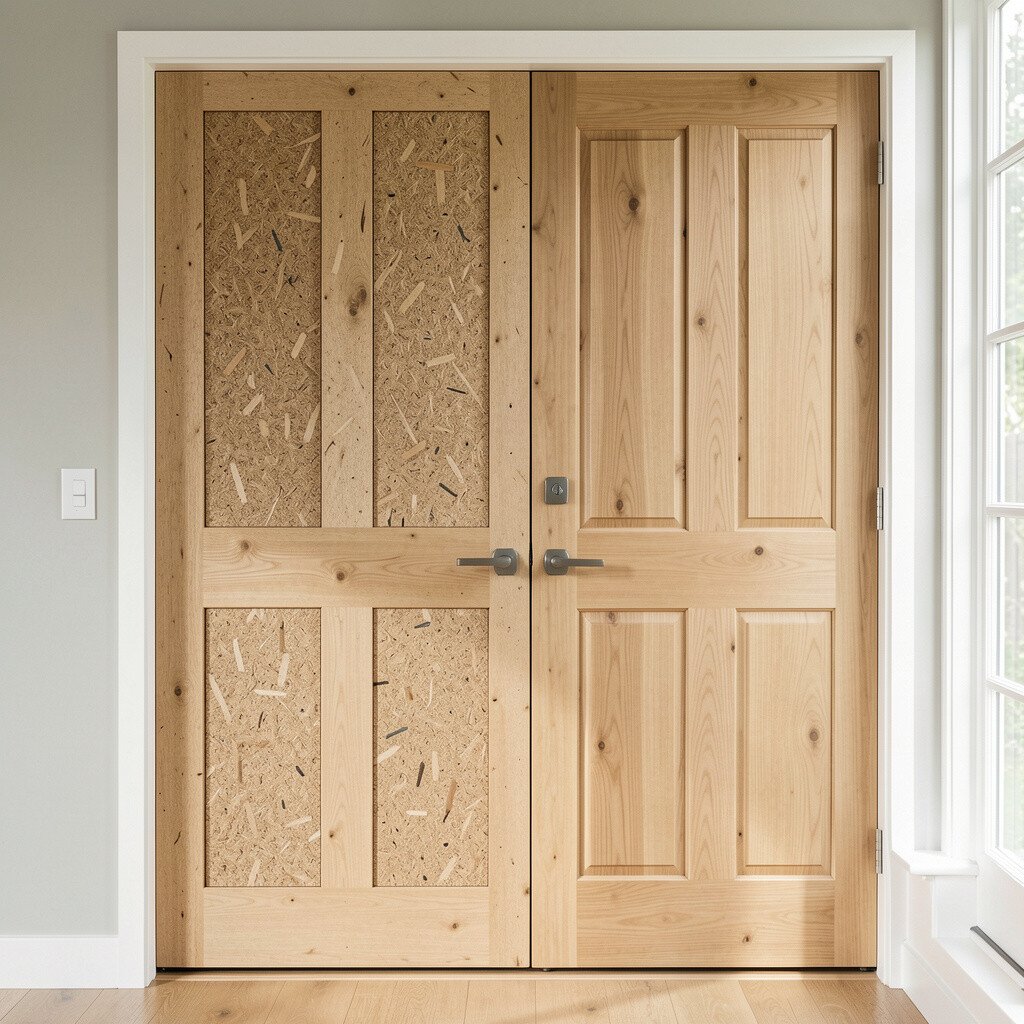
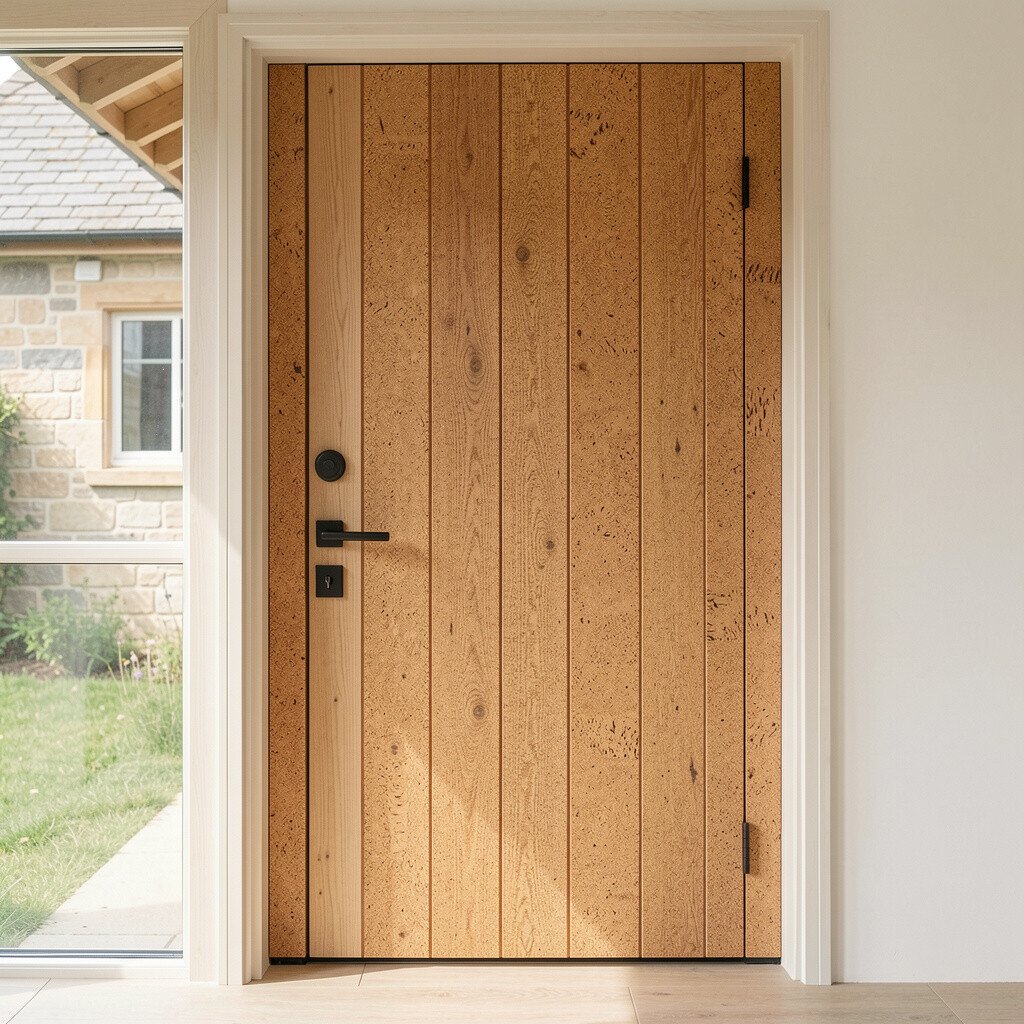
12. Composite Doors Using Upcycled Plant Wastes
Composite Doors Using Upcycled Plant Wastes
Picture a door that’s smooth and steady, but built from materials that would otherwise be thrown away. Upcycled plant waste composites can sometimes show tiny natural specks in the surface, adding quiet visual interest.
Using plant-based waste can reduce landfill volume and can create strong boards for door construction. For practical tips, ask how the composite is made, whether it’s moisture-stable, and how it handles daily impacts near entrances. Personalization can be simple and fun, like choosing a matte color that hides fingerprints and matches your exterior siding or indoor walls.
Costs can vary based on the brand and the amount of binder used, so compare the warranty and recommended maintenance. Current interest in circular manufacturing makes these doors feel like a forward-looking choice without needing a complicated design.
13. Low-VOC Painted Doors With Water-Based Formulas
Low-VOC Painted Doors With Water-Based Formulas
A freshly painted door can look like a spotlight for your interior, especially when the color is chosen with care. Water-based, low-VOC paints can keep the finish crisp while reducing harsh fumes during and after installation.
Better indoor air quality is a real benefit, and it can be a big deal for families, renters, and anyone sensitive to odors. Practical tip: prep the surface well, use primer made for your door material, and let cure time happen fully before heavy use. Personalize by selecting colors that reflect light, such as soft cream, cool gray-green, or warm terracotta.
Cost is often reasonable, and you can save more if you repaint instead of replacing the whole door. Many eco-conscious buyers also like that paint updates can refresh a room without buying new hardware or slab material.
14. Solid Wood Doors With Natural Linseed Oil Finishes
Solid Wood Doors With Natural Linseed Oil Finishes
Linseed oil finishes can give a door a warm, slightly golden glow that looks inviting in any light. You might notice that the surface feels rich and natural rather than overly shiny.
This kind of finish can be easier to maintain because it can be refreshed with additional oil instead of full stripping. Practical tip: use multiple thin coats, allow proper drying, and wipe away excess so the door cures evenly. Personalize by selecting a wood tone that complements your flooring, or by using a light tint to steer the color toward honey, amber, or cool driftwood.
Cost considerations are usually friendly since oils can be less expensive than premium specialty finishes. Still, plan for ongoing care, because natural finishes often reward regular maintenance rather than one-and-done work.
That maintenance can feel satisfying, turning door care into a small seasonal ritual.
15. Recycled Glass Insert Doors With Bright, Eco Style
Recycled Glass Insert Doors With Bright, Eco Style
Glass inserts can make a door feel open and glowing, especially when daylight moves across the pattern. Recycled glass can be molded into decorative panes that look colorful but not heavy.
This option can help you use natural light more effectively, which can reduce the need for electric lighting during the day. For practical tips, choose tempered or properly rated glass for safety, and make sure the glazing system seals well against drafts. Personalize by selecting a lead-free design motif, like subtle ripples or geometric shapes, that fits your home’s vibe.
Costs can be higher than solid doors because glass and custom patterns add complexity. However, the visual payoff can be huge, and you can sometimes save by choosing standard glass inserts rather than fully custom panels.
16. Steel Doors With Enameled Recycled Content And Durable Coatings
Steel Doors With Enameled Recycled Content And Durable Coatings
Steel doors can look crisp and strong, and recycled-content steel can keep your choice closer to circular thinking. You may see an enamel finish that looks smooth, even, and easy to wipe clean.
Steel can hold up well against impacts, which helps reduce replacement needs over time. Practical tip: look for durable, well-bonded coatings and check for insulation layers if the door is an exterior entry. For personalization, choose colors that complement your house, and consider adding eco-friendly porch lighting nearby so the whole entry feels cohesive.
Cost tends to be competitive when you factor in long-term durability. Many buyers find that a sturdy steel door with quality seals can outperform lighter options in real weather.
17. Composite Weather-Resistant Doors For Low Maintenance Living
Composite Weather-Resistant Doors For Low Maintenance Living
Some doors don’t just look good, they save your weekends. Weather-resistant composites can keep a steady appearance through rain, sun, and temperature shifts.
The benefit is clear: fewer refinishing jobs means less chemical use over time. Practical tip: inspect the frame materials too, because door performance depends on the full system. Personalize with hardware in your preferred finish and choose a color that won’t fade quickly, especially if your entry gets strong afternoon sun.
18. Fire-Retardant Natural Fiber Door Systems For Safety Conscious Homes
Fire-Retardant Natural Fiber Door Systems For Safety Conscious Homes
Natural fiber door systems can still be bold, modern, and safe when built correctly. You might notice layered textures that look engineered, yet still warm and welcoming.
These doors can appeal to eco-conscious buyers who want more plant-based materials without giving up safety standards. Practical buying tip: confirm that the door meets relevant fire and safety codes for your region and that the hardware system is compatible. For personalization, pair the door with a simple frame trim that highlights the layered look, or cover with a low-VOC natural finish for a smooth, uniform surface.
Cost considerations depend heavily on certification and build complexity, so compare overall installed pricing rather than focusing only on the slab price. The current trend toward safer materials is pushing more manufacturers to offer better natural-fiber options.
When the documentation is clear, it can feel reassuring and genuinely eco-friendly.
19. Modular Door Panels That Let You Replace Part, Not All
Modular Door Panels That Let You Replace Part, Not All
What if a door could age gracefully instead of ending in a full replacement? Modular panel systems allow you to swap damaged or outdated sections while keeping the main structure.
This can reduce waste and protect your budget by avoiding complete door replacements. Practical tip: choose a system with readily available replacement panels and compatible finishes so future updates stay easy. Personalize by refreshing only the top panels to match seasonal décor or by mixing materials like wood-look fronts with textured inserts for visual variety.
20. Custom Doors With Local Sustainable Materials And Made-To-Fit Craft
Custom Doors With Local Sustainable Materials And Made-To-Fit Craft
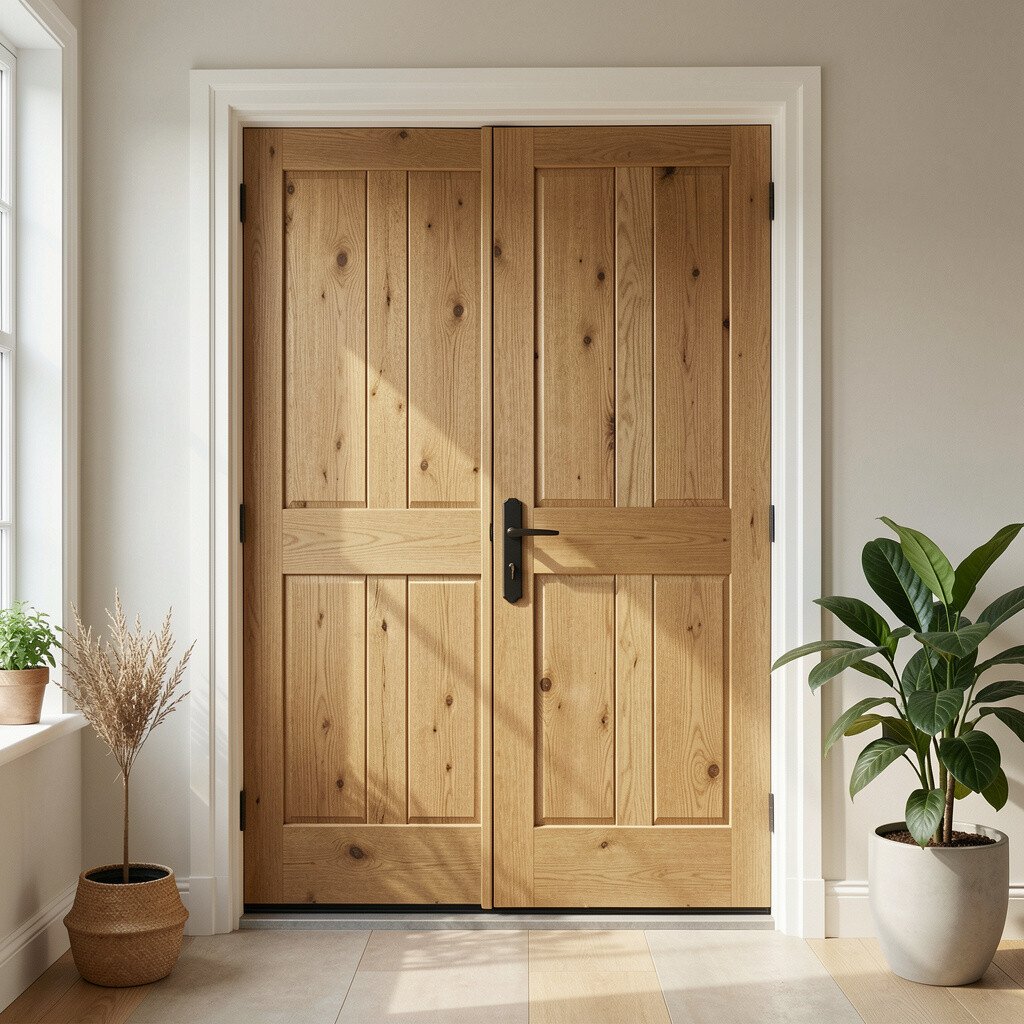
There’s a special feeling when a door matches your space perfectly, like it was always meant to be there. Custom options using local sustainable materials can bring together regional wood species, natural finishes, and craftsmanship that reflects your area.
Buying locally can reduce shipping emissions and support nearby workshops that use thoughtful processes. Practical buying tip: measure carefully, ask how the door will be sealed against your specific climate, and confirm what materials and finishes are used so you know what’s inside the build. Personalize it with a profile that matches your trim, choose hardware that matches your lifestyle, and request low-VOC finishes for a healthier indoor environment.
Cost considerations depend on whether you choose standard elements or full bespoke construction, but customization can save money later by preventing fit problems and drafts. Many eco-conscious buyers also like the current trend of “slow made” home features, where the door becomes a durable, long-term piece instead of a quick purchase.
When you can communicate with the maker, the result often feels better than a store-bought option because it fits your home and your values.