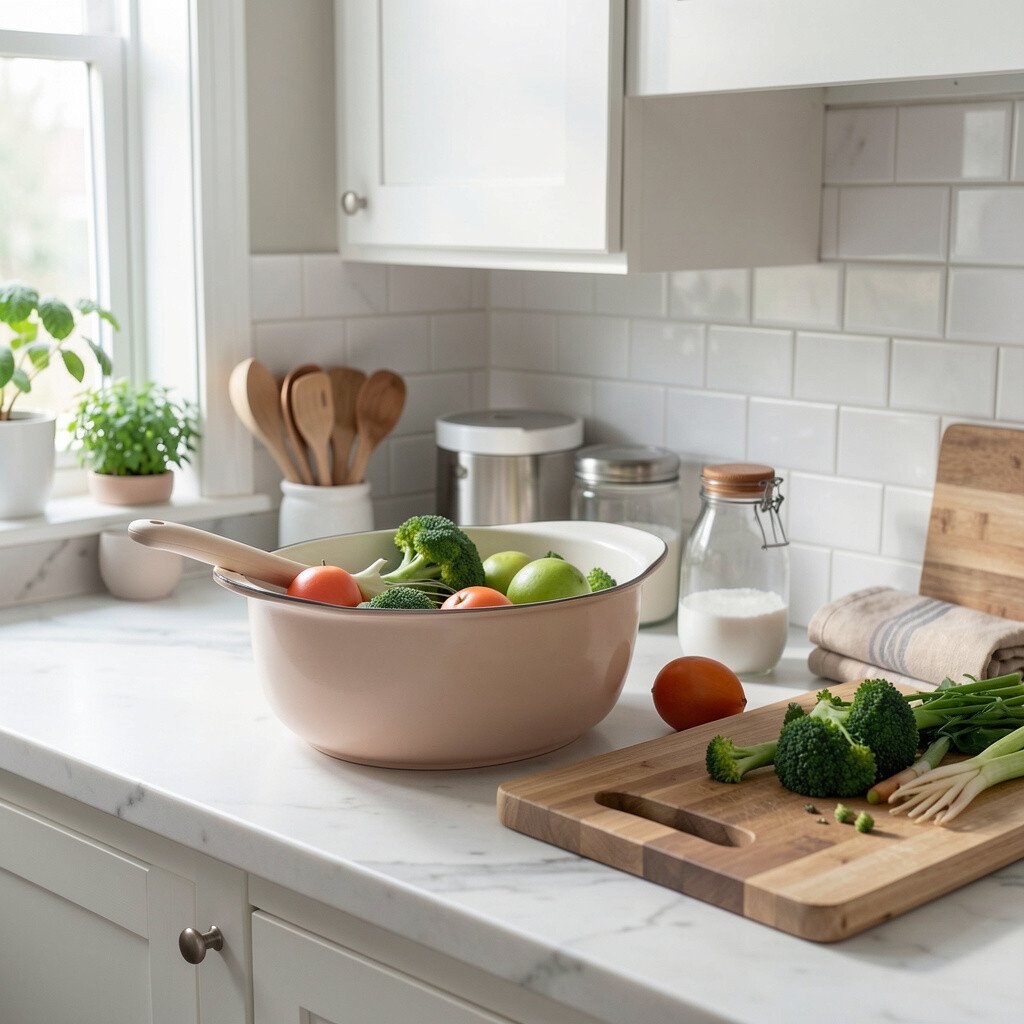
Before you turn on the heat, clear a space and line up what you need. A tidy counter helps you move smoothly and focus on the food instead of the mess.
Grab a cutting board, knife, bowl, spoon, and your ingredients first. Place frequently used items within easy reach so you do not keep stepping away. You will notice how much calmer cooking feels when everything is already there.
2. Learn the Sound of the Sizzle
Learn the Sound of the Sizzle
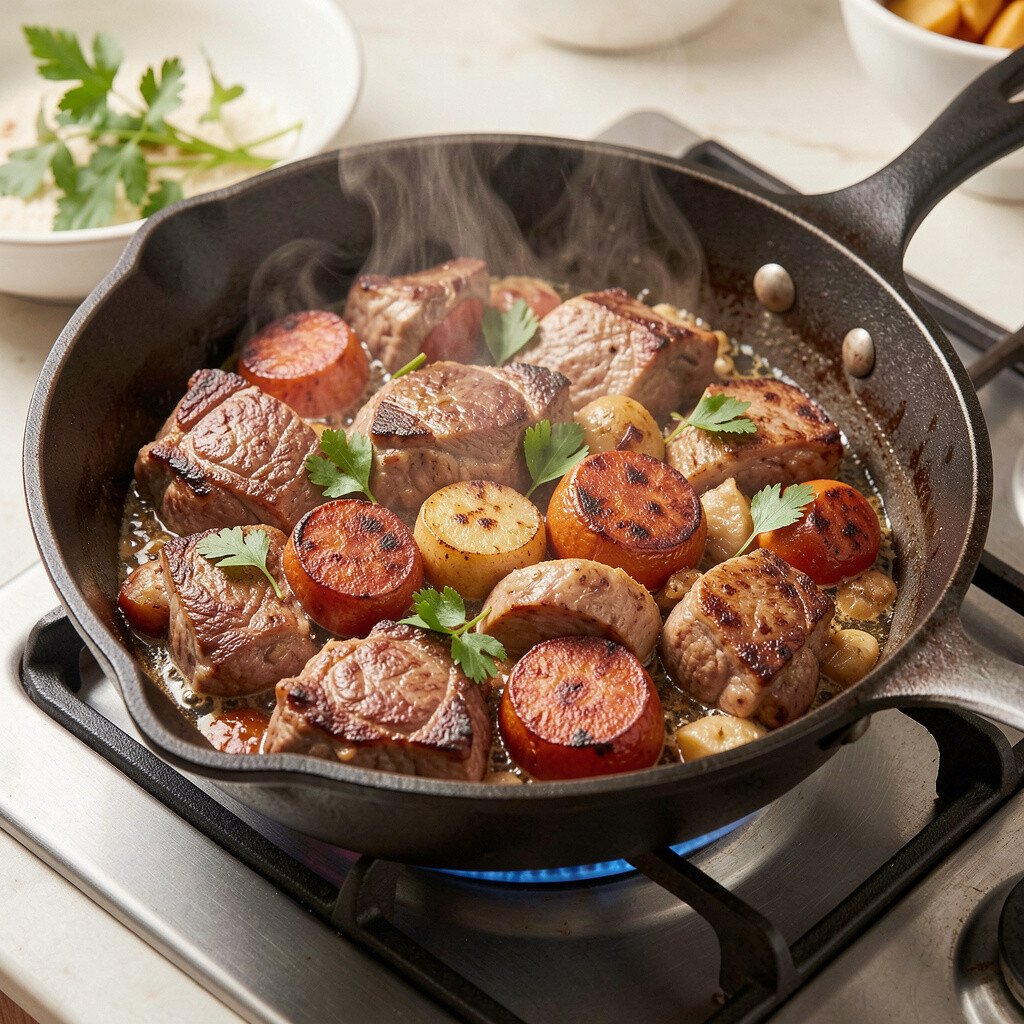
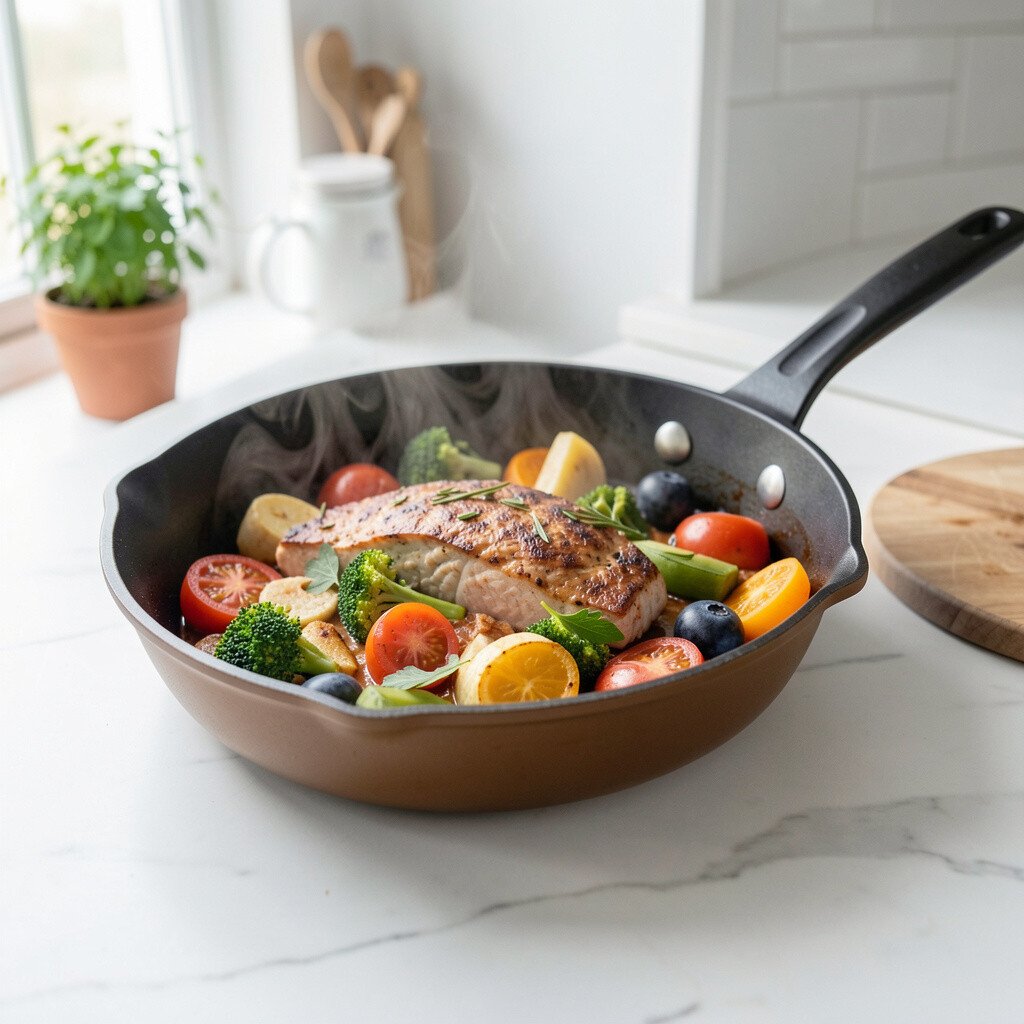
Take a moment to listen when your pan heats up. The first gentle sizzle means your food has a chance to brown instead of steaming.
If the sound is quiet, your pan may be too cool. If it is aggressive and smoky, the pan is too hot and can scorch quickly.
Use a small splash of water to gauge heat, then adjust by lowering or raising the burner. This simple ear and eye check helps beginners cook with confidence and get better textures.
3. Use One Knife Skill to Win the Whole Meal
Use One Knife Skill to Win the Whole Meal
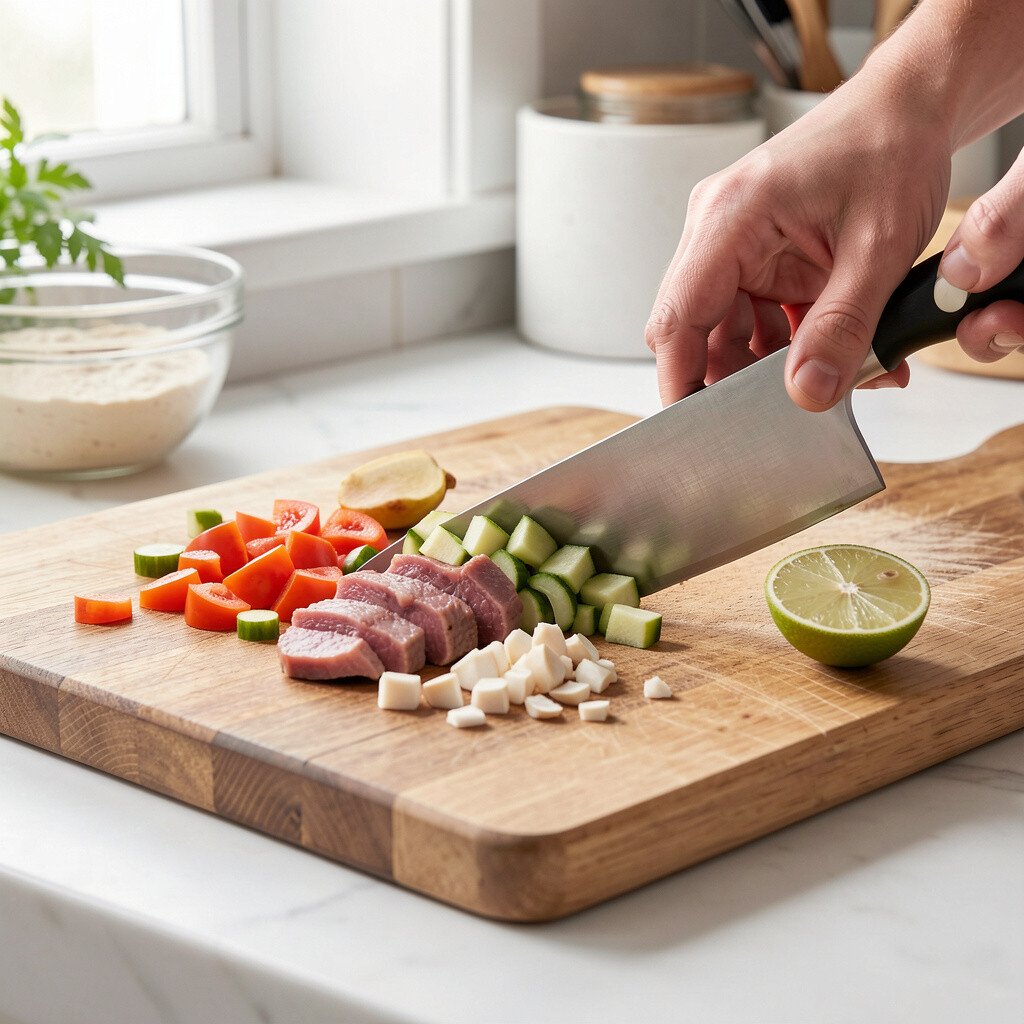
Pick one basic cut, like chopping onions into even pieces, and practice it. Even sizes cook at the same speed, so your food stays tender and not one part burns.
Keep your fingers curled back and let the knife do the work. You will feel safer when your hand position is consistent.
Try a steady rhythm: chop, gather, and repeat without rushing. With a little practice, your prep time shrinks and your cooking looks more professional.
After a few meals, you will start choosing recipes based on how easy the prep feels. That is how good habits grow into real confidence in the kitchen.
Many beginners cook the whole dish and only taste at the end, but flavor needs small checks. When you taste while cooking, you can fix problems before they become permanent.
Add salt gradually, then stir and taste again. You will learn how acidic, sweet, and salty flavors work together in a way recipes alone cannot teach.
5. Dry Ingredients Mean Better Browning
Dry Ingredients Mean Better Browning
If your ingredient looks wet, it can steam instead of brown. Patting meat or vegetables dry helps create a golden surface.
Use paper towels for quick drying, and let veggies sit for a minute after washing. This small step makes stir-fries and roasted foods look and taste richer.
For example, dry potatoes before roasting for crisp edges. You will see the difference in texture almost immediately.
6. Make a Simple Sauce While Something Cooks
Make a Simple Sauce While Something Cooks
Turn downtime into flavor time by mixing a quick sauce next to your stovetop. While pasta boils or onions soften, you can whisk dressing, combine yogurt with herbs, or stir broth with spices.
Fresh sauces do not need to be complicated to taste bright. A squeeze of lemon, a drizzle of olive oil, and a pinch of salt can be enough.
When you get in the habit of multitasking, dinner feels faster and more enjoyable. This also helps beginners avoid underseasoning, because the sauce carries the final taste.
7. Start with Oils You Actually Enjoy
Start with Oils You Actually Enjoy
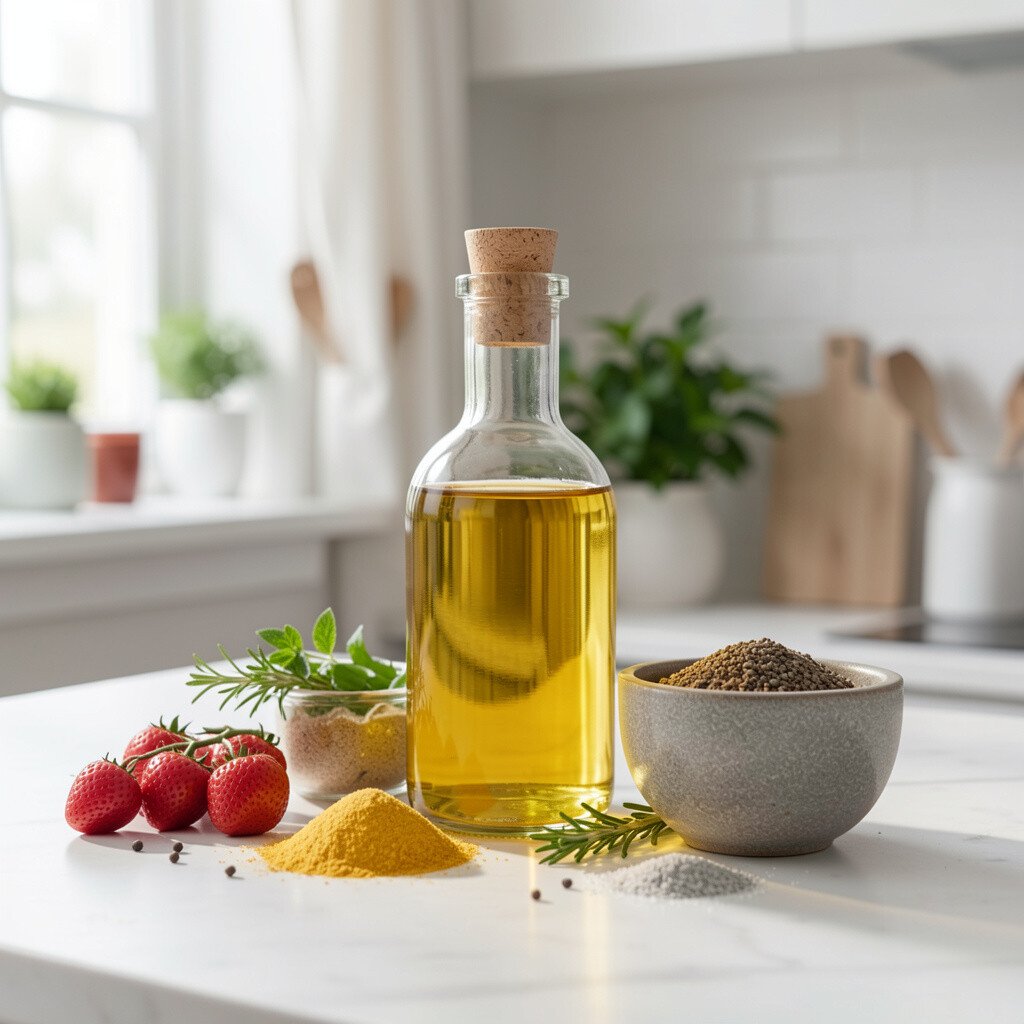
Cooking oil affects flavor, so choose one you like to smell and taste. Olive oil adds a gentle fruitiness, while neutral oils let other flavors stand out.
Store oils away from heat and light so they stay fresh. When an oil tastes a little bland, your food can end up tasting flat too.
You can also experiment with small amounts of sesame oil for stir-fries. A little goes a long way, and it helps meals taste more “restaurant style.”
Keep a budget-friendly default oil for everyday cooking and keep a second oil for special flavor moments. That way you get variety without overspending.
8. Cook One Protein the Same Way Twice
Cook One Protein the Same Way Twice
Choose a simple protein like chicken, tofu, or salmon and cook it the same way more than once. Repetition helps you learn timing without guessing every time.
Write down what worked, like how long you cooked each side and what heat setting you used. Your future self will thank you when you want the same tasty result again.
9. Use the Right Pan for the Job
Use the Right Pan for the Job
A nonstick skillet helps eggs and delicate fish release easily. A stainless steel pan helps browning for meats because it holds heat well.
For soups and stews, a pot with enough room matters so liquid can move. Crowding a pan can cause steam instead of browning, and the food may taste watery.
Even if you only have one frying pan, you can still choose the best method. If your pan is smaller than you want, cook in batches and keep the first batch warm.
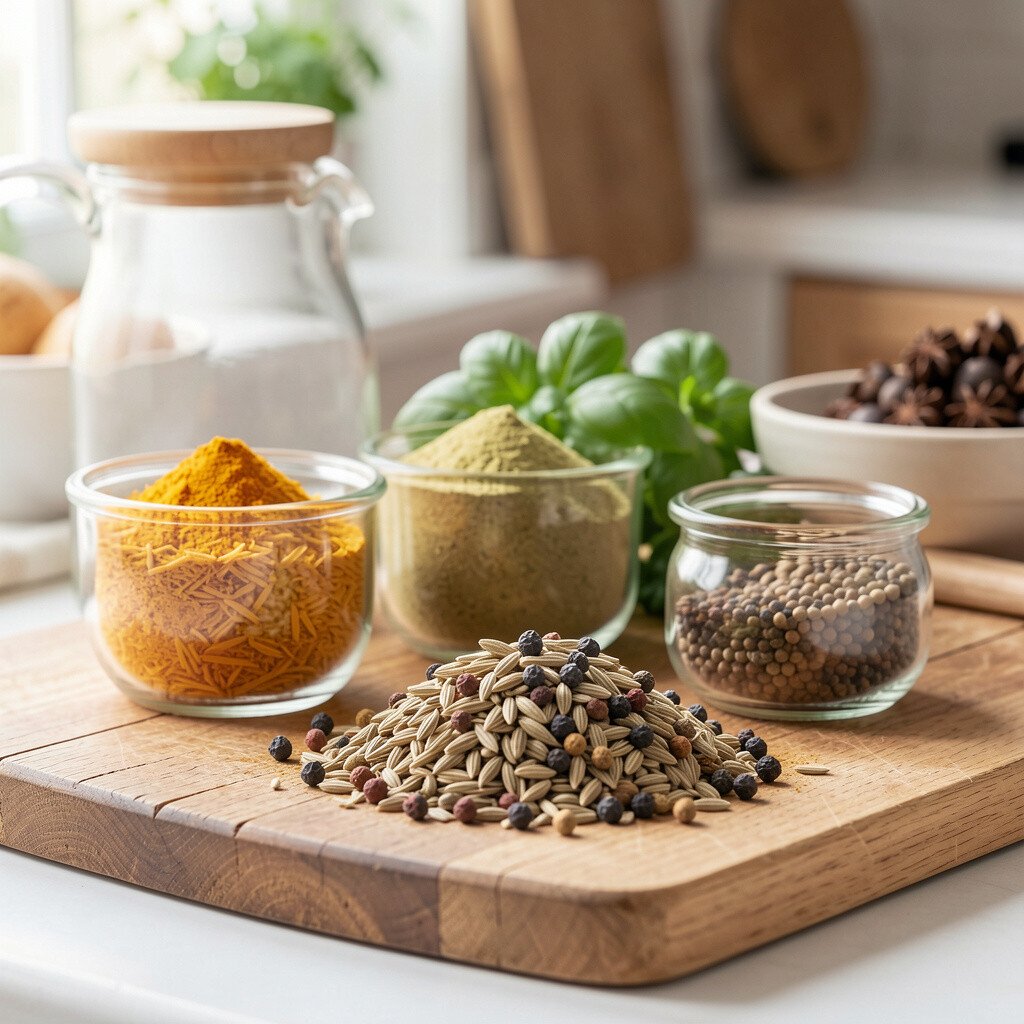
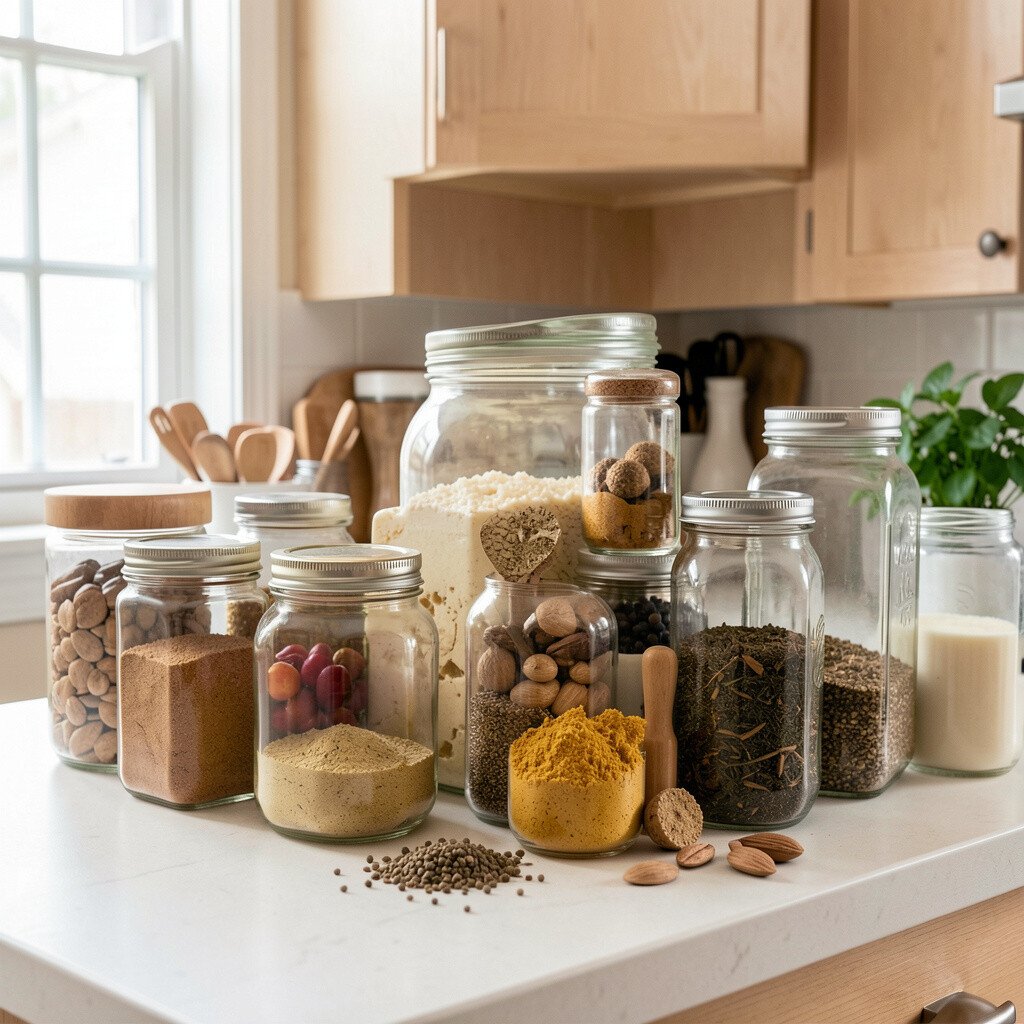
If your spices have been sitting in the cupboard for a long time, they may lose flavor. Smell them before using so you can tell if they still feel strong.
Toast whole spices for a minute to wake them up, then grind or use them right away. Ground spices are convenient, but they work best when added at the right time.
Add dry spices early to bloom in oil, or add them later to keep flavors brighter. This little timing shift can make a simple meal taste vibrant and new.
11. Understand Salt Beyond “Add More”
Understand Salt Beyond “Add More”
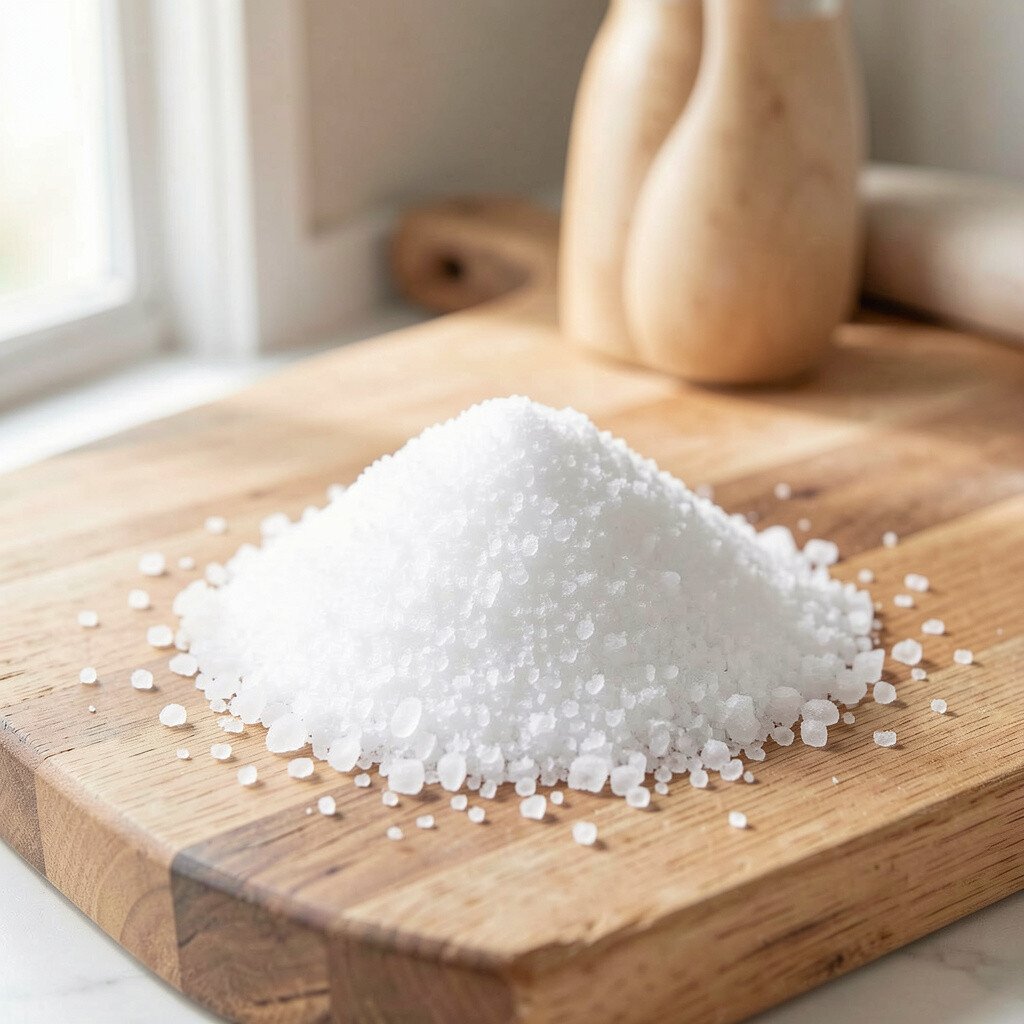
Salt controls flavor, but it also affects texture and cooking pace. Too little salt can make food taste dull, while too much can overpower everything quickly.
Use a pinch, taste, and adjust, especially when cooking pasta water, soups, and sauces. If you are cooking for others, remember people have different salt habits.
For a low-cost flavor boost, you can also use broth or a small spoon of soy sauce. They bring salty depth, and you can steer the final taste with a little extra acid.
Pair salt with something like lemon juice or vinegar to make flavors pop even more. That combo is a classic trick chefs use all the time.
12. Cook Vegetables in Layers of Time
Cook Vegetables in Layers of Time
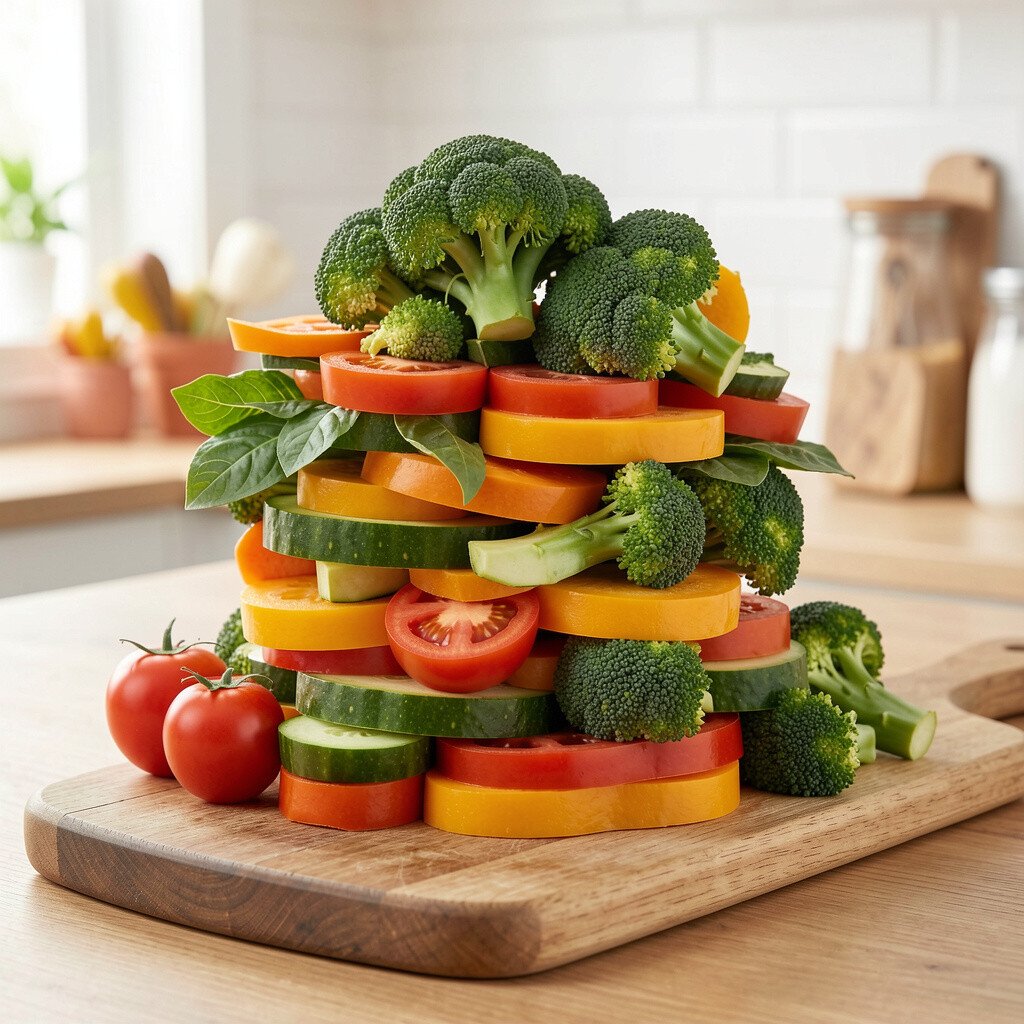
Not all vegetables cook at the same speed, so add them in stages. Carrots and potatoes need more time, while spinach and quick greens need less.
Watch color changes, too, because they signal when to stir and when to stop. A bright green usually means the vegetable still has life and a pleasant bite.
13. Master a “Heat and Hold” Warm-Up Routine
Master a “Heat and Hold” Warm-Up Routine
Sometimes you cook multiple parts and need to keep things warm while finishing the rest. A gentle oven setting helps your food stay ready without drying out.
Cover foods loosely and stir occasionally when needed. If you keep everything too hot for too long, even tasty food can turn tough.
For budget dinners, this routine saves leftovers and prevents waste. You can reheat with a splash of water or a quick sauté to bring back flavor and texture.
14. Add Acid to Brighten Heavy Dishes
Add Acid to Brighten Heavy Dishes
When a dish tastes heavy or flat, acid can wake it up fast. Lemon juice, vinegar, or even a spoon of yogurt can make flavors feel sharper and cleaner.
Stir in a small amount near the end so you can taste the change. This keeps the flavor balanced instead of sour.
15. Keep a Pantry “Flavor Base” Ready
Keep a Pantry “Flavor Base” Ready
If you stock a few basics, you can build meals without stress. Think of onions or shallots, garlic, canned tomatoes, broth, and a bag of rice or pasta.
These items show up in many recipes, so your food budget stretches further. It also means you can cook even when your fridge is low.
Try making a simple tomato-and-garlic base and adjusting it with different herbs each time. That way your dinners feel unique while staying easy.
16. Use the Broth or Pasta Water You Already Have
Use the Broth or Pasta Water You Already Have
Pasta water and cooking broth are not just liquids, they carry flavor and starch. When you stir them into sauces, the texture turns silky and coats food better.
Before draining pasta, scoop out some water so you do not have to guess later. Add it slowly and stir until the sauce clings to a spoon.
This trick is popular in modern home cooking and it helps beginners achieve “chef-like” results. It costs little and upgrades almost any sauce.
17. Follow Timing by Visual Clues, Not Just Minutes
Follow Timing by Visual Clues, Not Just Minutes
Every stove, pan, and ingredient behaves a little differently. Instead of relying only on a timer, use visual signs like bubbling, browning, and steam.
For baking, watch edges set and centers still slightly soft. For roasting, look for color and smell, because they often arrive before a minute count says so.
18. Clean While You Cook to Save Future You
Clean While You Cook to Save Future You
Mess builds quickly, but cleaning in small steps keeps the kitchen under control. Wipe spills while something simmers, and rinse a cutting board right after raw meat touches it.
This habit reduces stress, helps prevent odors, and keeps your workspace safe. You will also find it easier to start cooking the next day without a big chore pile.
A practical method is to use one small trash bowl or bag and one side for used tools. When everything has a home, your counter stays calmer and you work faster.
19. Personalize with “Your Favorite Shortcut” Flavors
Personalize with “Your Favorite Shortcut” Flavors
Instead of copying recipes exactly, build around a few flavors you love. Maybe you always add garlic, or you love smoked paprika, or you enjoy fresh herbs at the end.
Keep notes on what you enjoy so you can repeat it without guessing. Over time, you will create a style that feels like yours, not just someone else’s meal.
For a budget approach, use what you already have and swap small parts. Frozen herbs, bottled sauce, and canned beans can all help you personalize while saving money.
Many current cooking trends focus on flexible flavor and seasonal swaps, which makes personalization even easier. When you follow your taste, cooking becomes more fun and less like homework.
20. Choose Recipes That Teach You One Skill at a Time
Choose Recipes That Teach You One Skill at a Time
Pick recipes that practice a single main skill so your learning stays clear. One meal might focus on sautéing, another on roasting, and another on simmering a sauce.
This helps you notice cause and effect, like how heat changes browning or how stirring changes texture. You will feel progress because each meal teaches something you can reuse.
If you want cost control, choose ingredients with multiple uses such as onions, beans, eggs, rice, and seasonal vegetables. These basics help you make varied dishes without buying many new items.
When you keep a small plan for the week, you waste less and you cook with more confidence. Soon you will notice you are not only following instructions, you are making decisions.