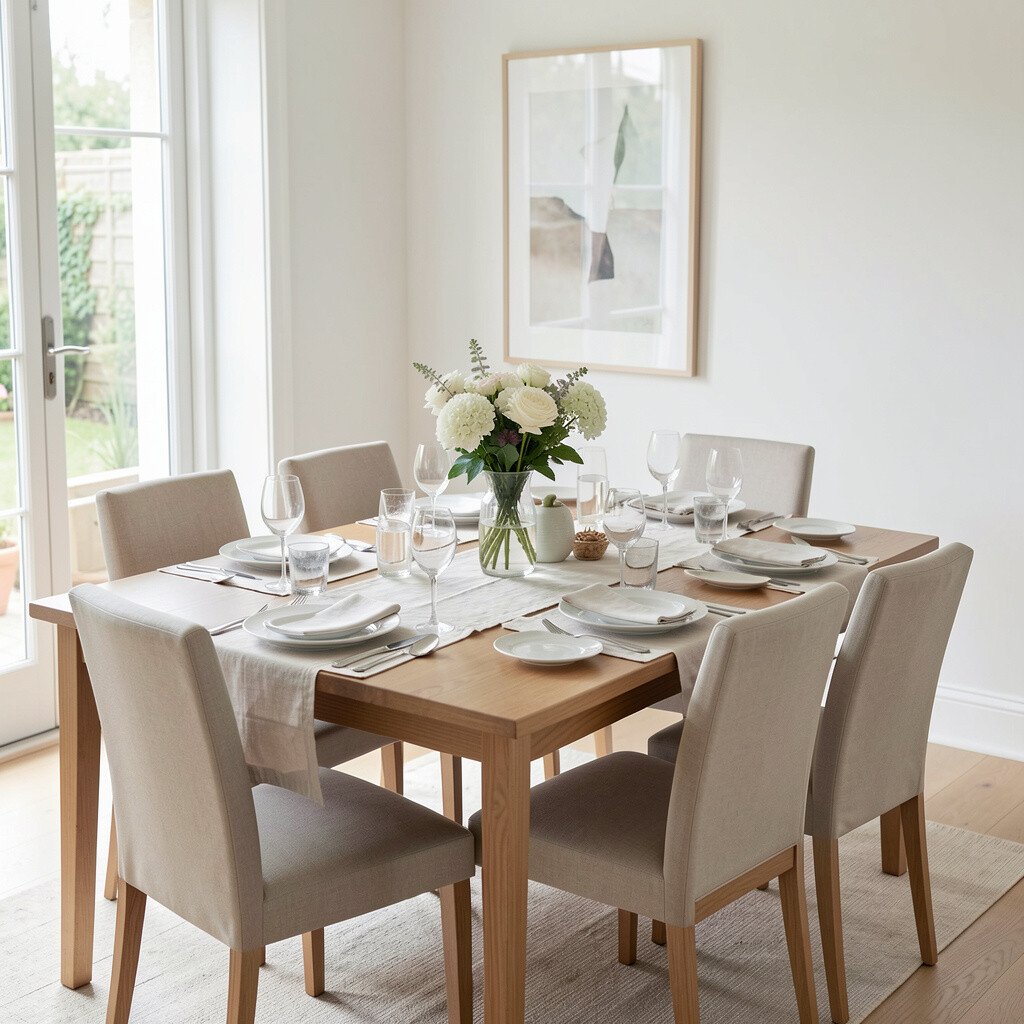
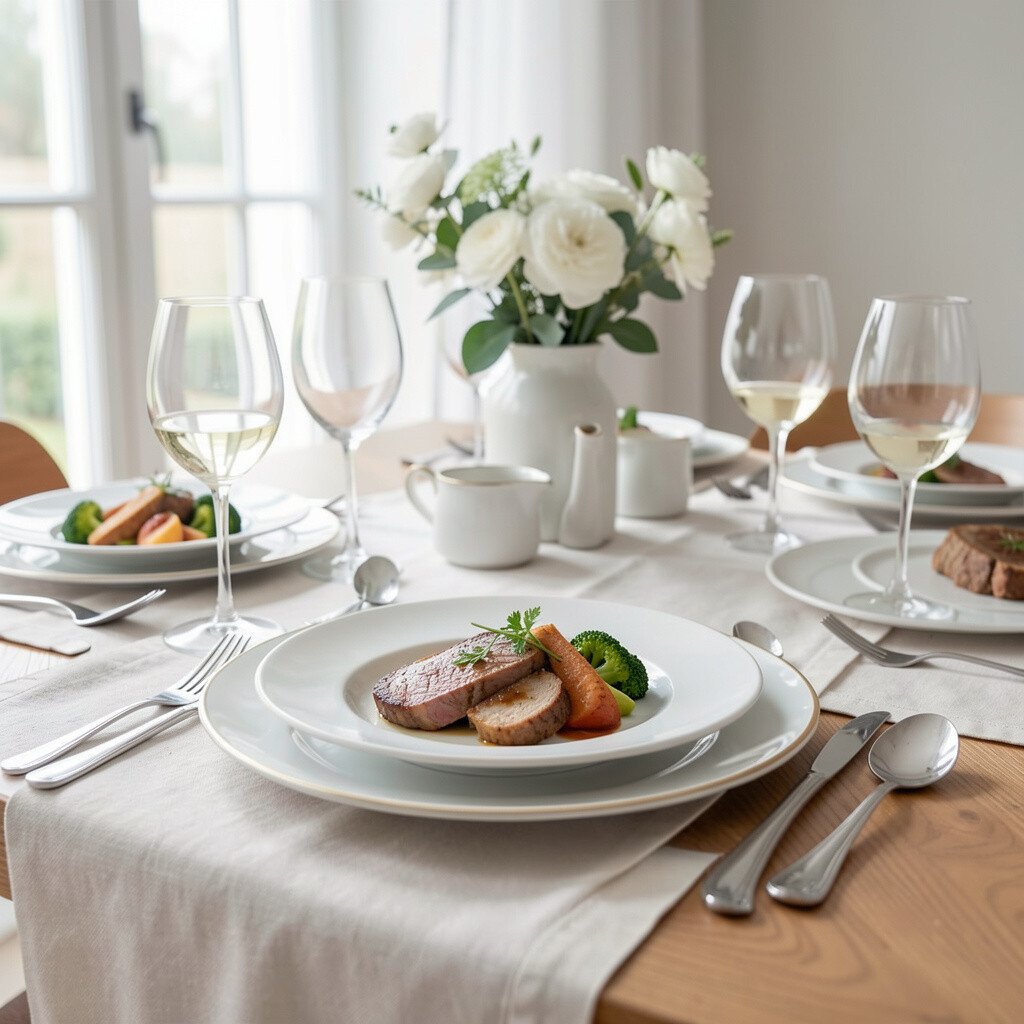
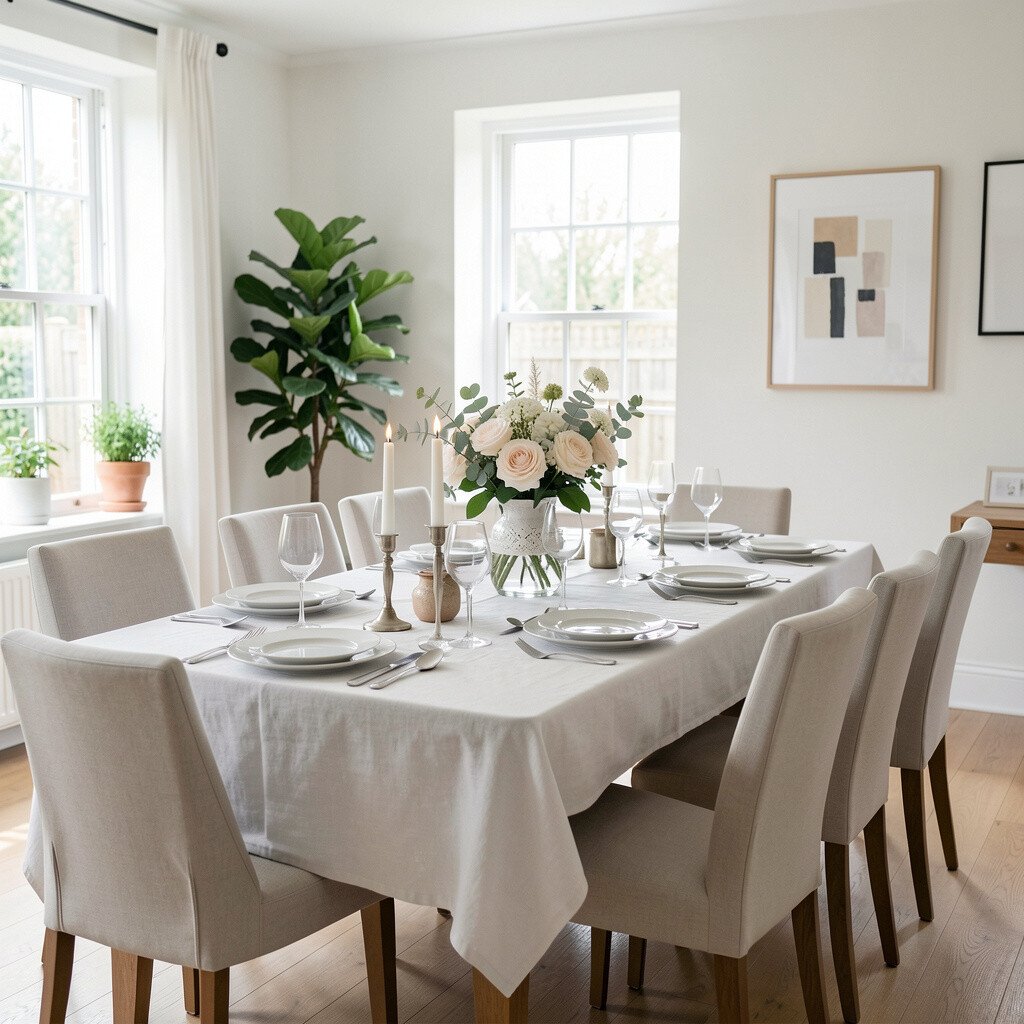
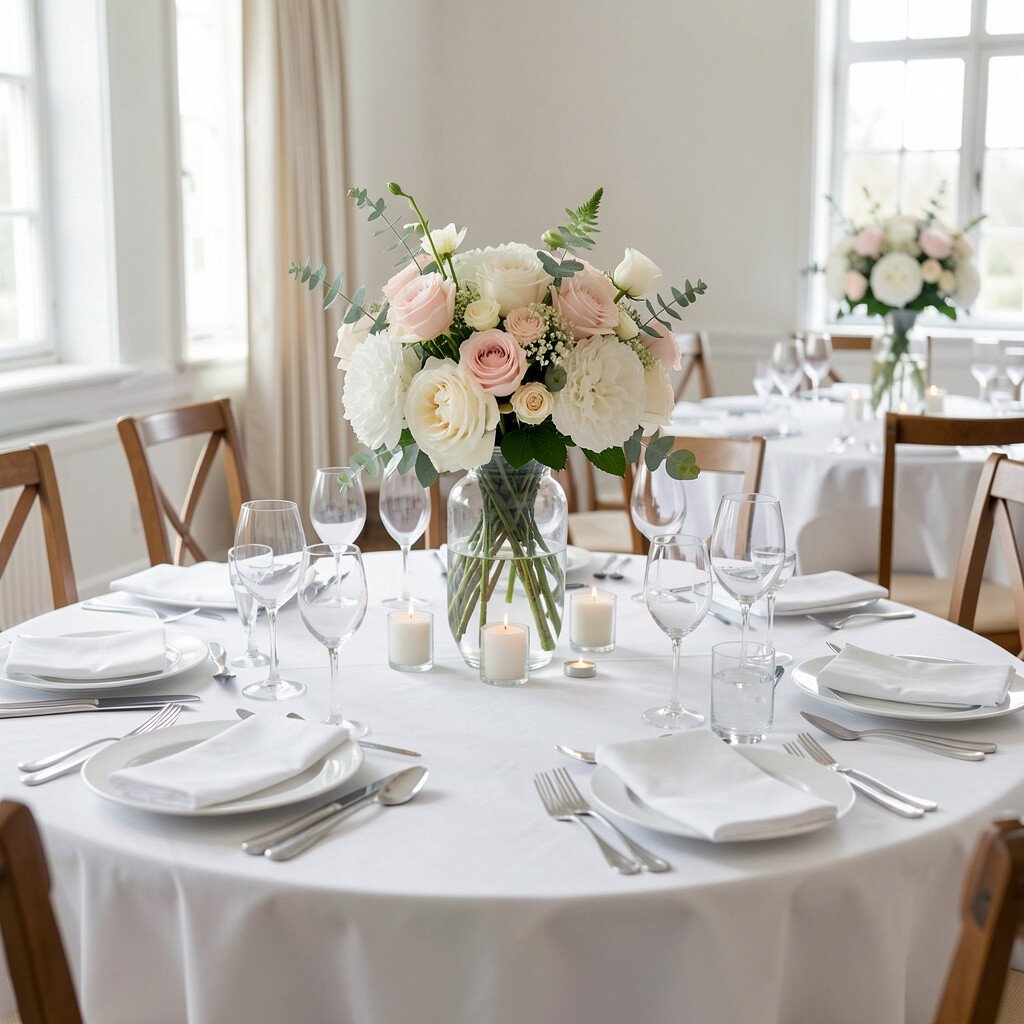
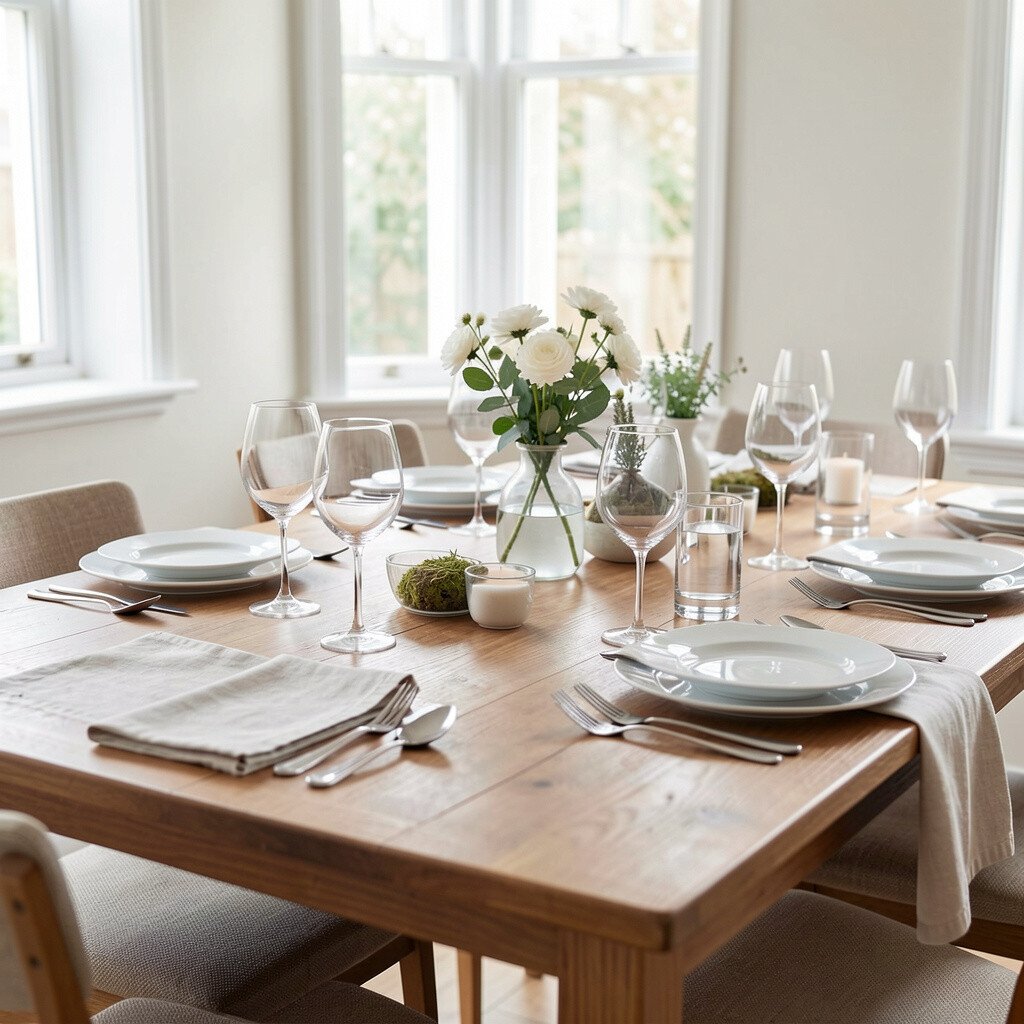
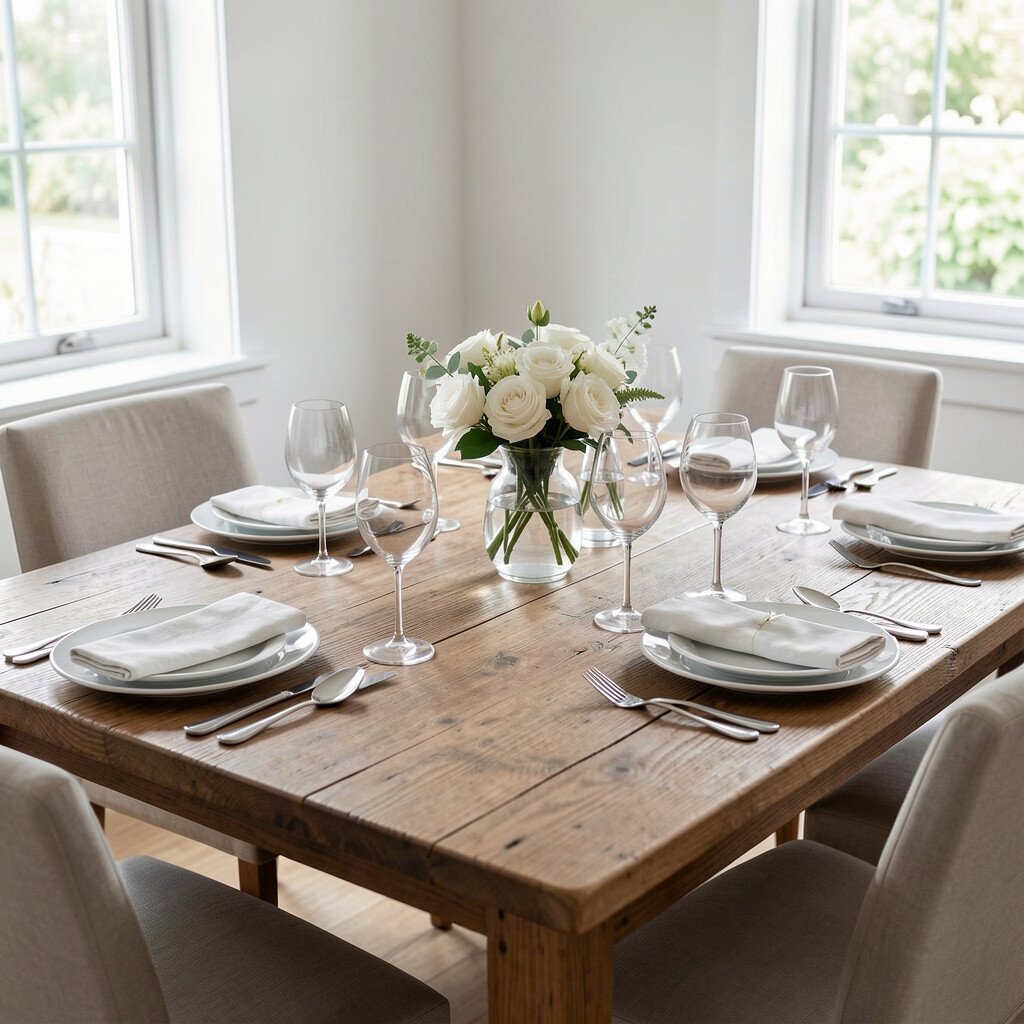
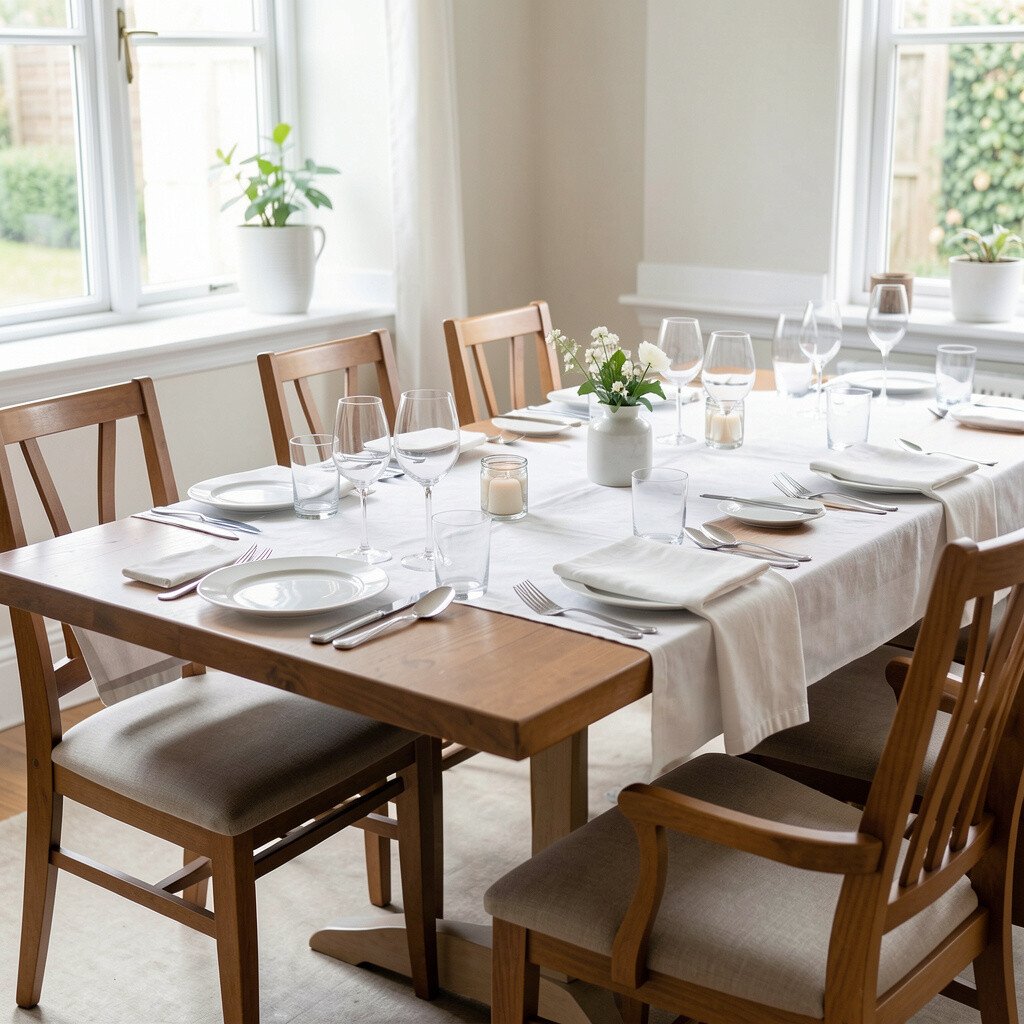
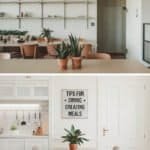
Before anyone sits down, pause and look at the whole setup from eye level. You want to spot clutter, awkward shadows, and empty space that feels cold.
Then think about how people will move during the meal. If the path from the kitchen to the table is blocked, you’ll get delays, dropped utensils, and rushed energy.
2. Choose a Plate Shape That Matches the Mood
Choose a Plate Shape That Matches the Mood
Round plates make meals feel softer and more social, like comfort food night. Square plates can feel modern and crisp, which is great for salads and sharp flavors.
Mixing shapes also helps guests notice each course without you doing extra explaining. A simple side plate can become a staging spot for bread, sauces, or a small bite while everyone waits.
If you’re using mismatched dishes, keep the colors in a small family, like warm creams or cool grays. That keeps the table from looking chaotic while still feeling personal.
3. Build a Light Plan That Flatters Everyone
Build a Light Plan That Flatters Everyone
Lighting affects how food looks, and it changes how appetites feel. Try warm bulbs or a lamp that points down, not straight into faces.
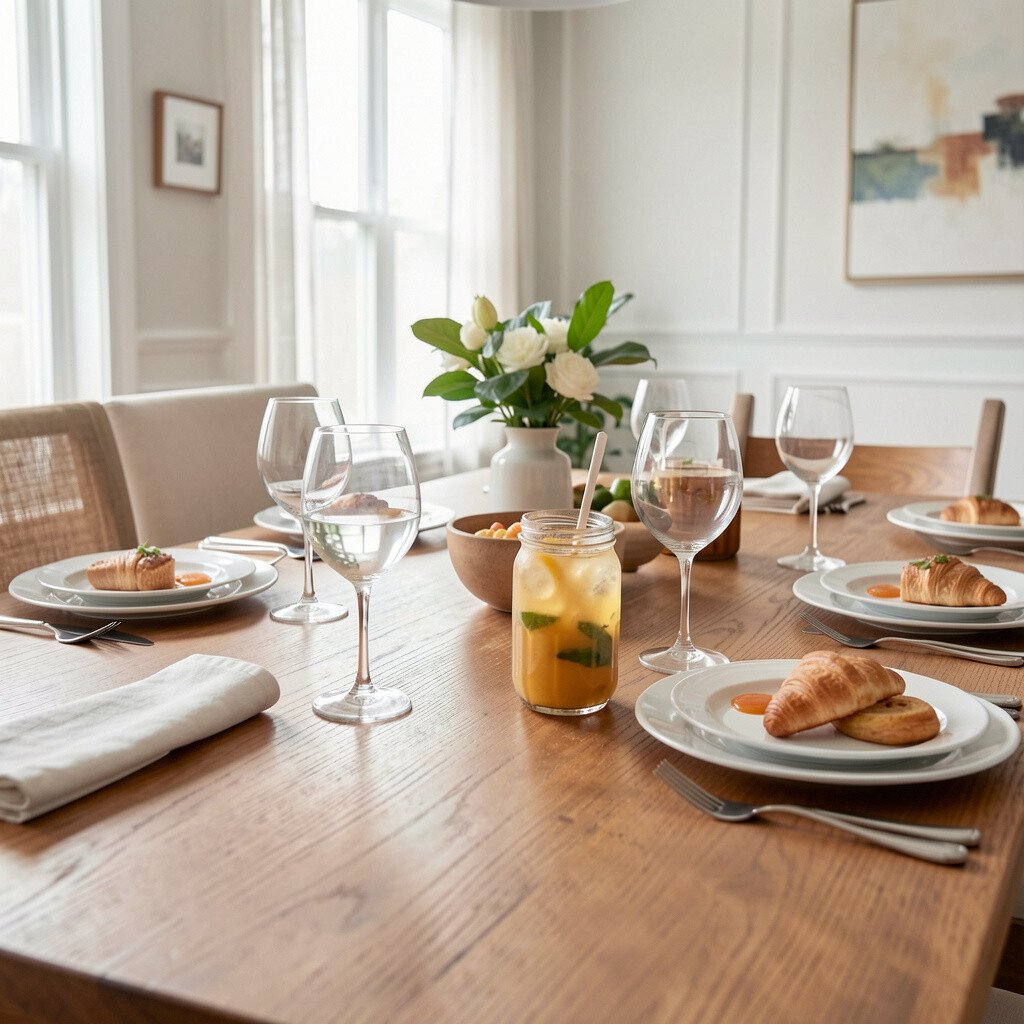
Check for glare on glassware, because it can make drinks look cloudy. If you see bright reflections, move candles or adjust the lamp position by a small amount.
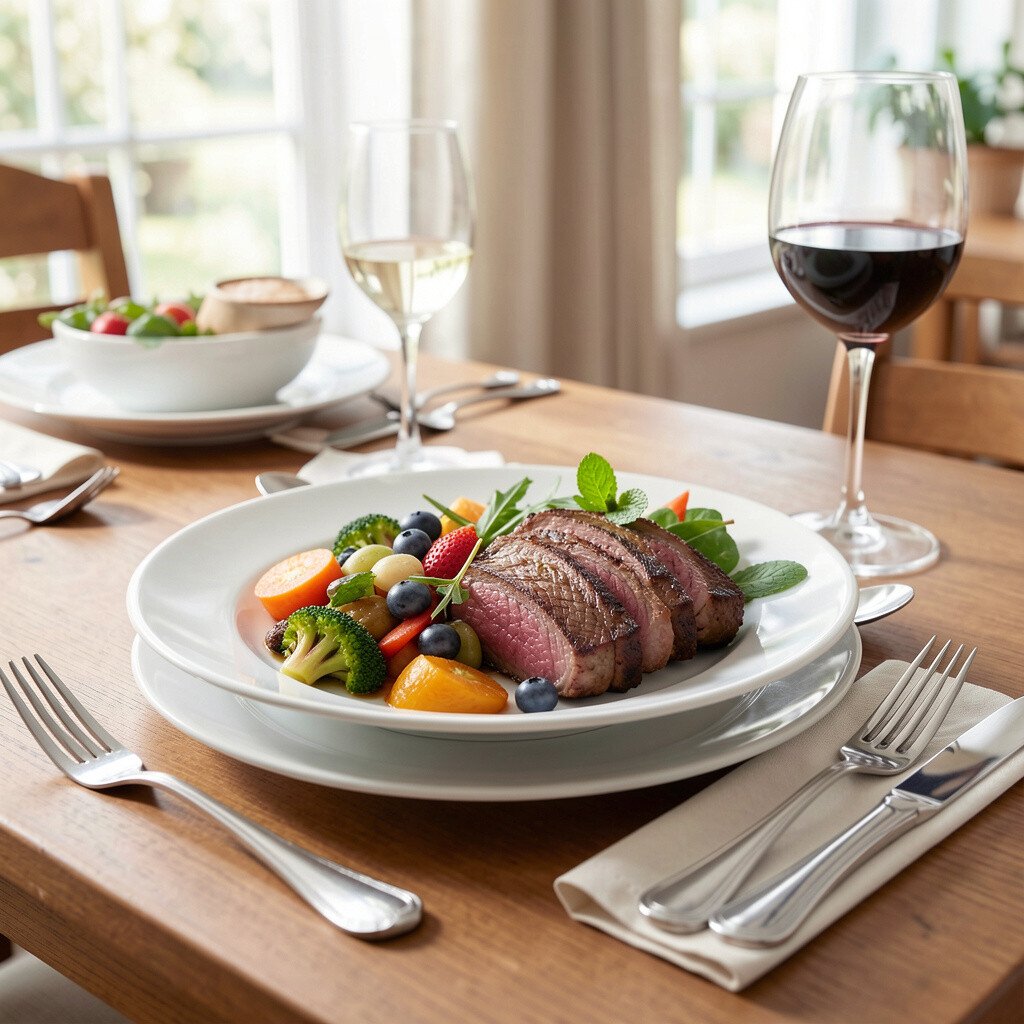
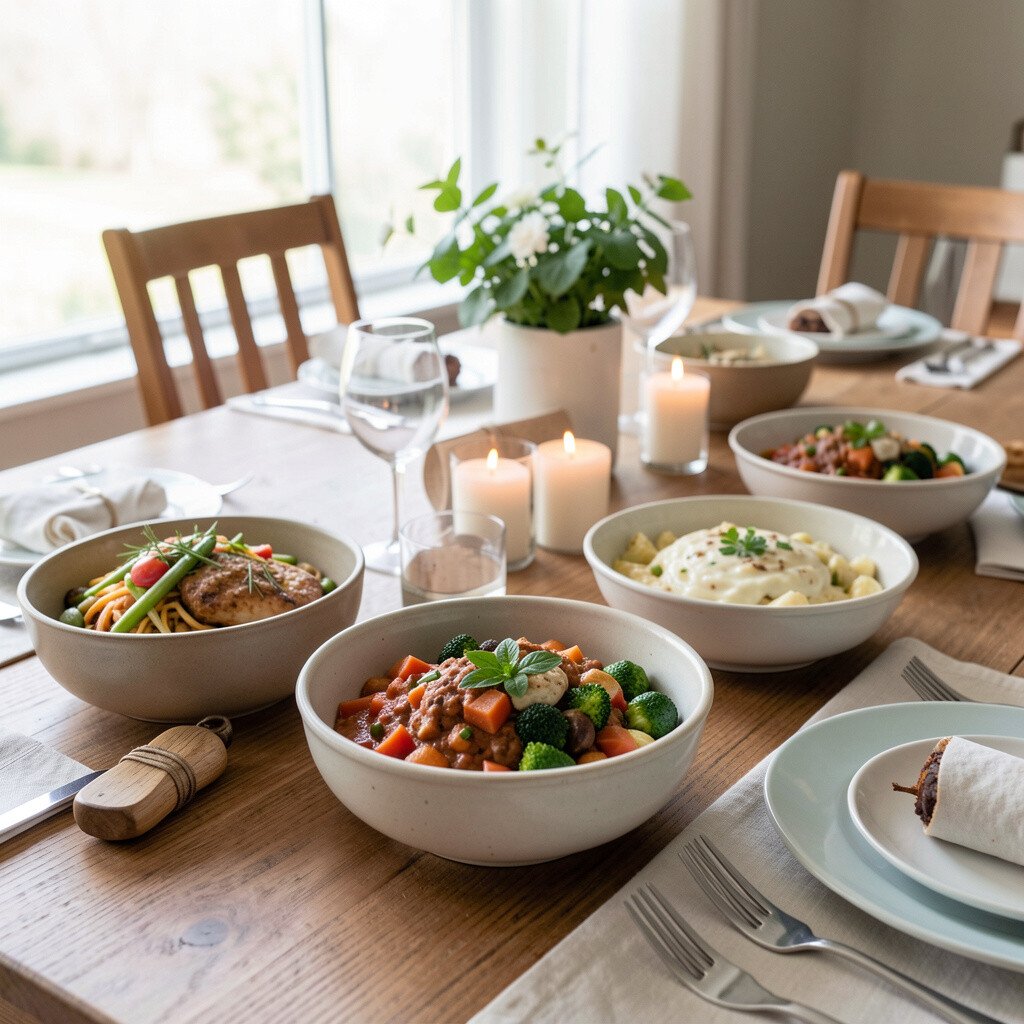
When you serve something glossy like pasta sauce or roasted vegetables, side lighting makes it look richer. When you serve something delicate like yogurt bowls or fruit, softer light keeps colors from washing out.
For current trends, many people are using warm dim lighting and low centerpieces to keep the table cozy. It looks great on camera too, without forcing anyone into an “aesthetic” mood.
A centerpiece should not block views, because eye contact is part of the meal. Keep the tallest element at one consistent height that still lets people see over it.
Mix a low base with one raised element, like a small herb bowl plus a single bud vase. That height contrast feels intentional and makes the table look designed without getting fancy.
5. Place Utensils Like a Friendly Map
Place Utensils Like a Friendly Map
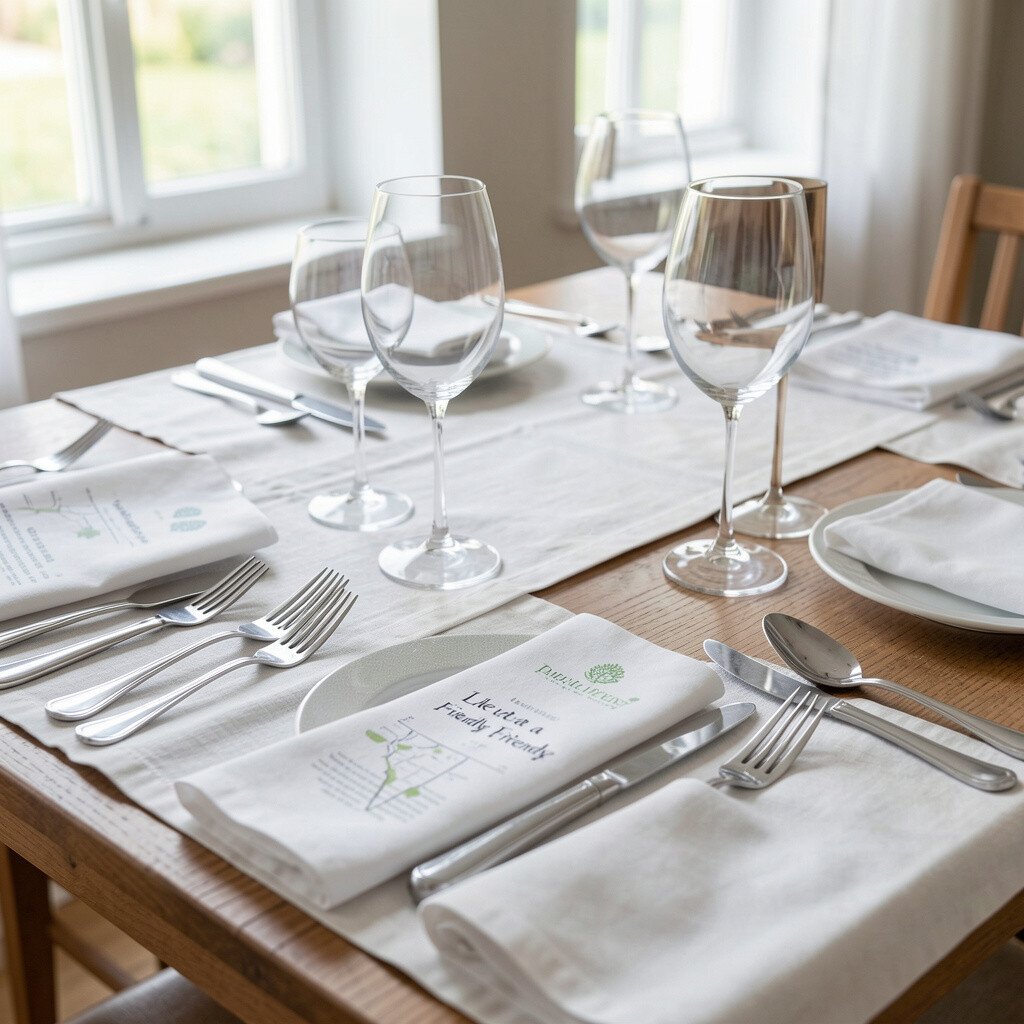
When guests can find things instantly, they relax and eat more slowly. Put forks and knives in the order people will use them, and keep the layout tidy.
If you’re not sure, align utensils with the plate edge and keep spacing even. A little symmetry makes the table feel calm, especially when the meal includes multiple components.
For practical help, choose one “main” serving style and repeat it. If you use spoons for sauces on one course, use spoons again on the next so guests don’t keep rethinking the rhythm.
6. Offer One “Catch-All” Spot for Hands and Bags
Offer One “Catch-All” Spot for Hands and Bags
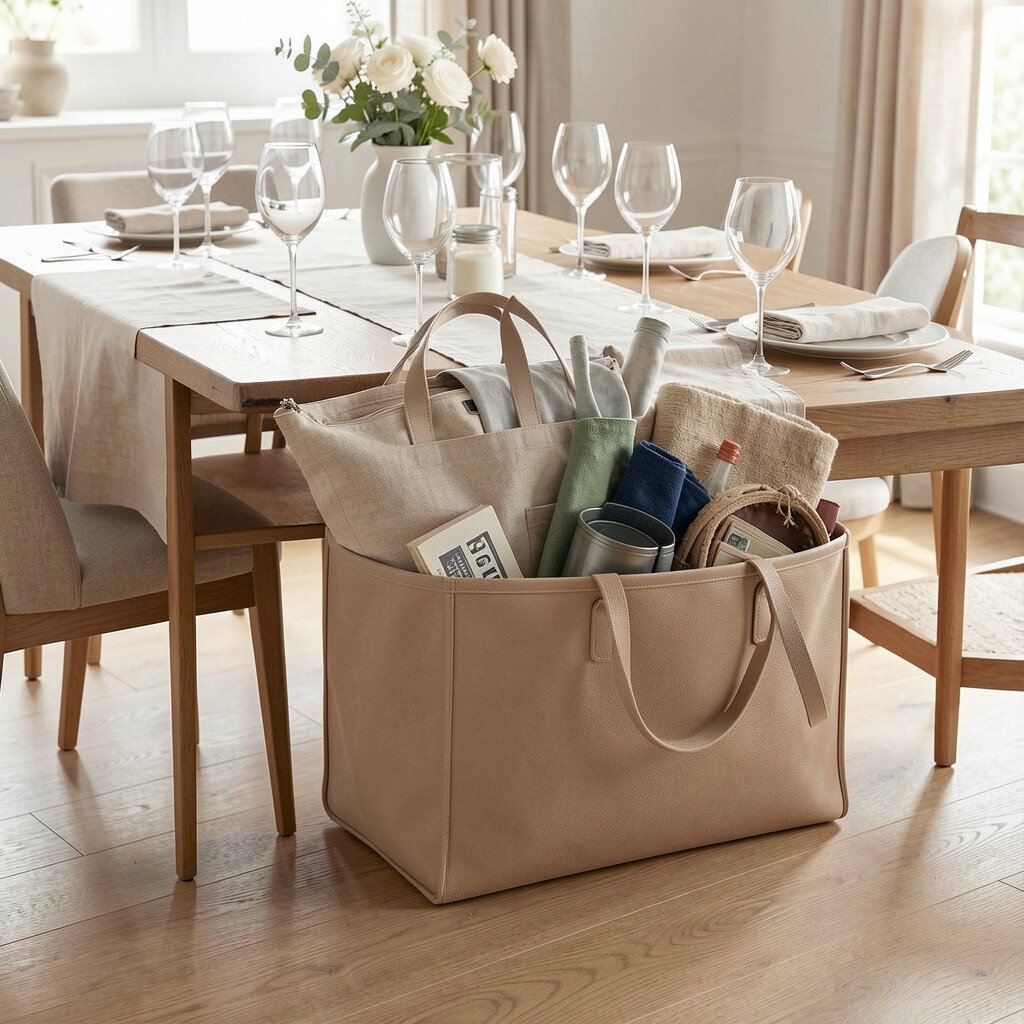
People forget this until it’s missing, and then it becomes a small stress. Put a small plate or tray near the side so guests can set keys, napkins, or their phone face down.
That catch-all spot also helps with practical mess control. You’ll notice fewer crumbs on the table and fewer drinks set too close to the edge.
Choose a tray that matches your table vibe, like bamboo for casual meals or ceramic for dinner parties. It’s a cost-friendly upgrade because you can reuse it for years.
7. Match Napkins to the Food’s Temperature
Match Napkins to the Food’s Temperature
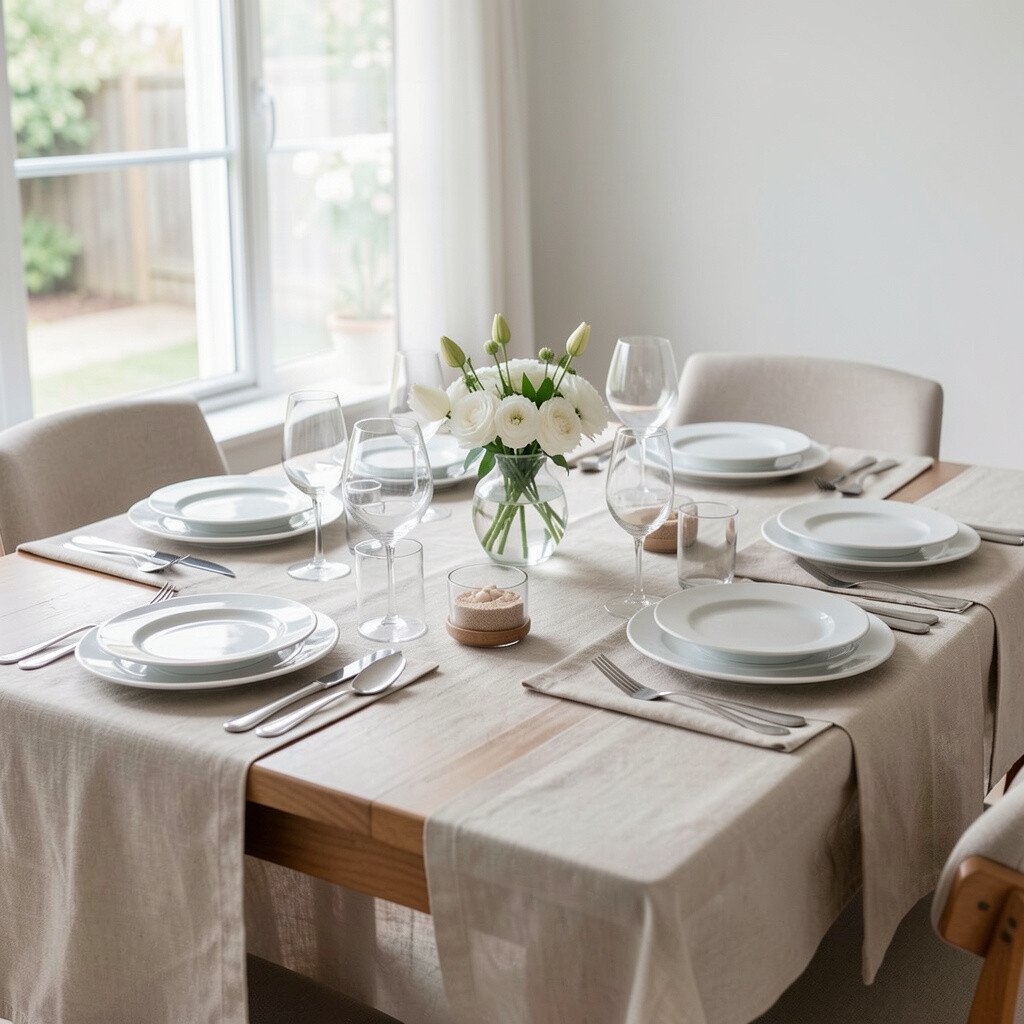
Warm meals can handle heavier fabrics, because the table feels grounded. For cooler dishes like chilled salads, lighter napkins look airy and fresh.
Simple colors work best when you want a universal look. Think soft whites, muted greens, or gentle blues, then add one accent color that matches a seasonal ingredient.
8. Put Sauces Where People Naturally Look
Put Sauces Where People Naturally Look
People reach for items based on habit, not on your intentions. Place sauces and toppings closer to where they’ll be eating, not always in the middle.
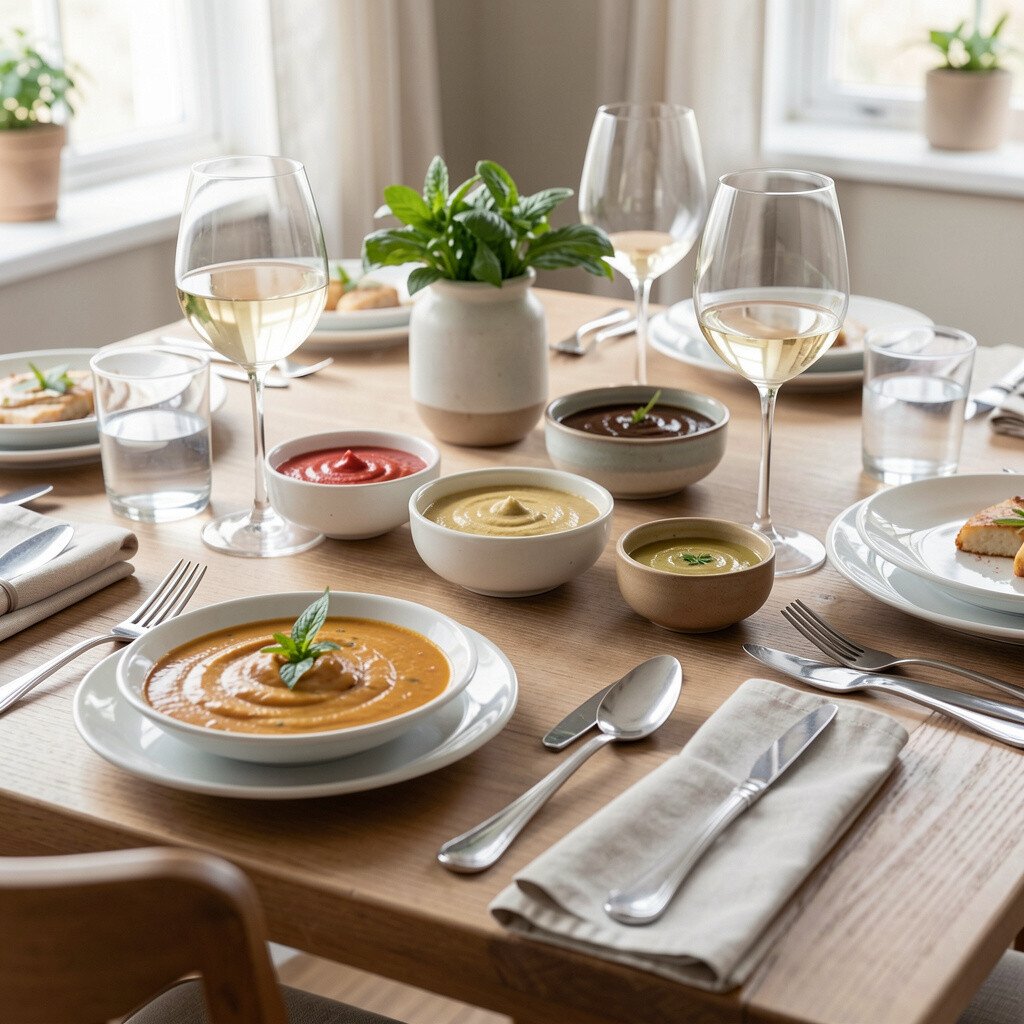
If you want everyone to try a mix, set tasting bowls along the front edge of the table. That placement reduces passing and makes the moment feel shared.
For personalization, label nothing, but use tiny spoons with different sizes. Guests can choose without feeling rushed, and the flavors feel intentional rather than random.
Some foods require quiet focus, while others invite laughter and movement. Start with the calmer part so the table can settle, then build toward the more casual bites.
Roasts, soups, and plated entrées tend to lower noise, while buffet-style finger foods raise it. Use that to your advantage by timing the energy shifts around the meal.
If you’re cooking for friends, consider a late-course snack that lets people stand and mingle. That matches current hosting trends where the meal flows into conversation instead of ending abruptly.
10. Create One “Editorial” Element on the Table
Create One “Editorial” Element on the Table
You don’t need a giant centerpiece to make a table look special. Pick one standout element, like a carved bowl of citrus, a neat row of small candles, or a vase with one dramatic stem.
Keep everything else supportive, like simple plates and matching glassware. When your eye has one clear focus, the table feels styled rather than overworked.
This also makes cost management easier because you’re spending attention on one thing. If you want to save money, choose a seasonal grocery store bouquet instead of expensive flowers.
11. Set a “Bread Story” That Encourages Sharing
Set a “Bread Story” That Encourages Sharing
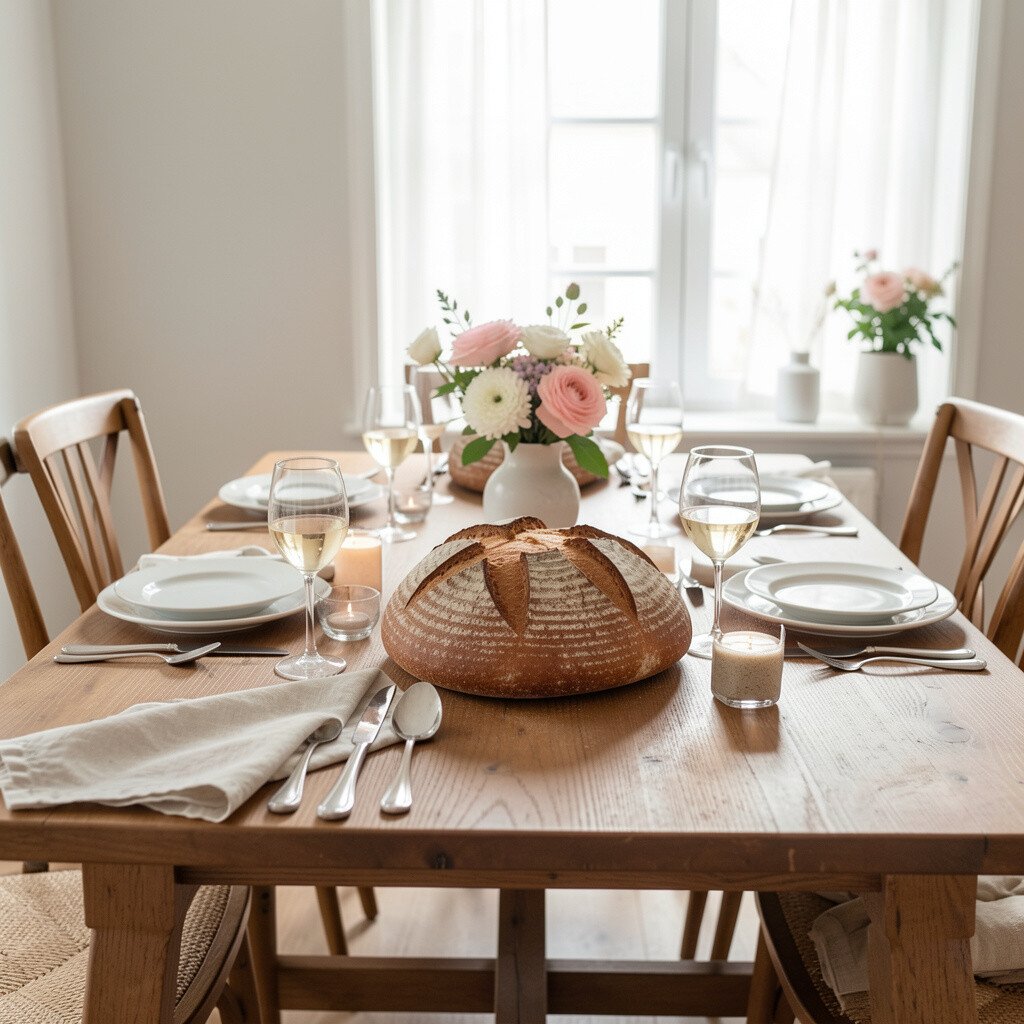
Bread is more than a starter, it’s a social trigger. Put it where people can see it, and offer a spread that matches the day.
For visual appeal, cut bread neatly and stack it at an angle rather than tossing it into a basket. A small bowl of olive oil with herbs makes the table feel warm right away.
Personalize it based on the guest list, like garlic butter for family comfort or hummus with spicy oil for a lively crowd. It’s an easy way to make meals feel thoughtful without adding a lot of work.
12. Control the Edge Space So Plates Don’t Feel Lost
Control the Edge Space So Plates Don’t Feel Lost
Empty table space can make a meal feel thin, even when the food is great. Leave a little breathing room, but avoid huge gaps that make plates look alone.
When guests sit down, they want the table to feel balanced around them. A simple rule is to center each plate and keep the spacing consistent from seat to seat.
If your table is small, shift to fewer items per place setting. Use serving dishes instead of forcing everything onto the main plate area.
13. Add One Aromatic Touch Before the First Bite
Add One Aromatic Touch Before the First Bite
Aroma is the hidden ingredient that shapes anticipation. Warm spices, fresh herbs, or citrus zest can make the whole room feel inviting.
Try placing a small herb bundle near the kitchen entrance or setting a bowl of lemon on a counter close to the table. If your meal is savory, rosemary or thyme can make the air smell like comfort.
For a modern twist, many hosts use aromatic steam moments like a pot lid off at the right time. It creates a “just cooked” feeling without adding extra steps.
14. Make Passing Easier With “One-Stop” Bowls
Make Passing Easier With “One-Stop” Bowls
Passing food can slow down a meal, especially when people keep asking who has what. Use one-stop bowls that hold multiple items together, like a salad bowl with toppings already mixed.
That method keeps the table moving and reduces reaching across plates. It also makes portioning feel smoother because guests can serve themselves without juggling containers.
If you want to keep it personal, choose bowls that match the main color of your plates. It’s a small design move that makes everything look coordinated.
15. Try the “Warm Hands, Cool Drinks” Setup
Try the “Warm Hands, Cool Drinks” Setup
Comfort matters, and temperature affects how people feel. Serve hot dishes in insulated bowls if possible, and keep drinks cold with glassware that doesn’t sweat too much.
For practical cost control, use the ice bucket you already own and add fresh citrus slices for a quick upgrade. Guests love the little details, and they don’t require fancy supplies.
When you set drinks near the seat but not at the very edge, spills become easier to prevent. This simple positioning keeps the meal calm and lets everyone focus on eating instead of wiping.
16. Adjust the Table for First-Timers and Regulars
Adjust the Table for First-Timers and Regulars
Not everyone knows your dining rhythm, and that can make the room feel tense. If you have new guests, keep the setup intuitive and consistent so they feel confident from the start.
For regulars who already know your style, you can be bolder with small surprises like a special topping bar or a different plating approach. The best meals fit the audience, not the host’s ego.
Personalize by watching how people usually eat at your table, then adjust one or two elements. If someone always reaches across for napkins, place them where hands naturally land.
This kind of setup also matches current trends toward comfort and flow, where hosting feels warm instead of strict. When people feel at ease, food tastes better and the night lasts longer.