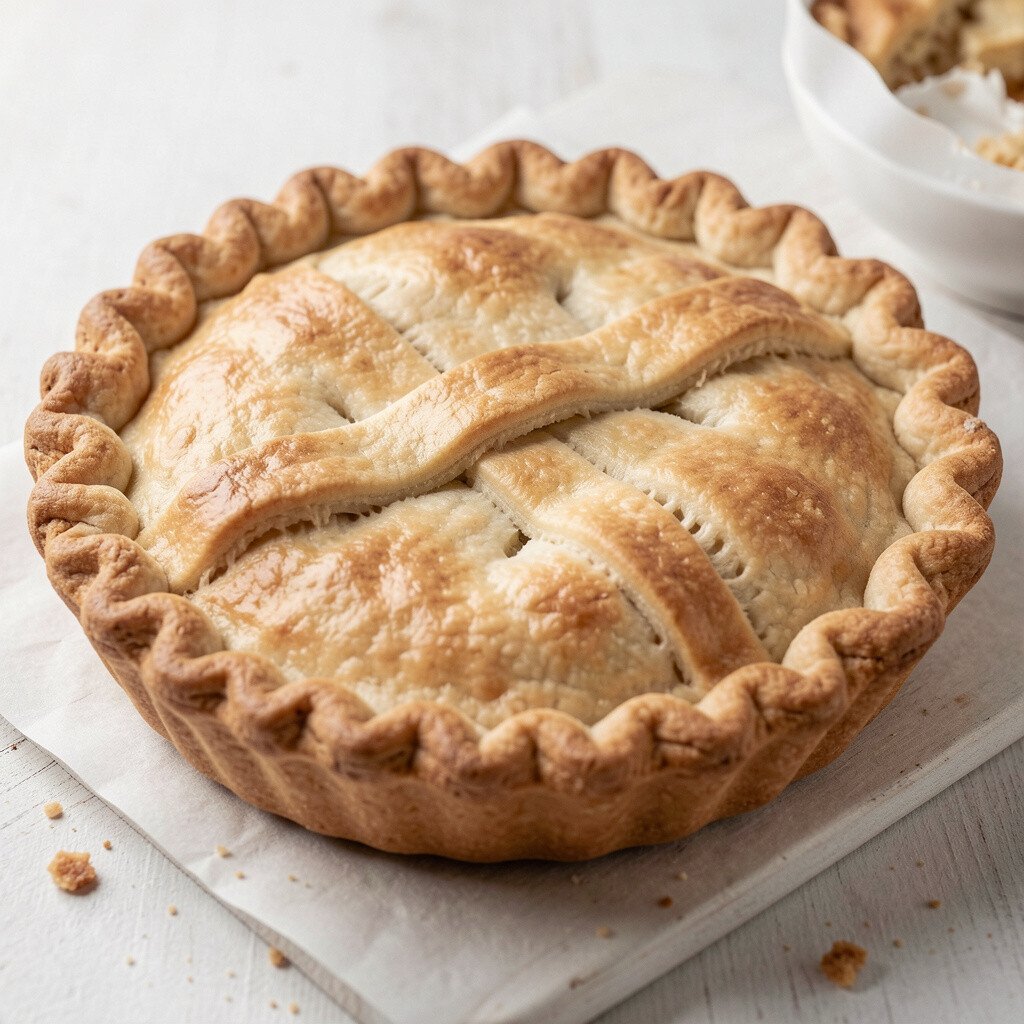
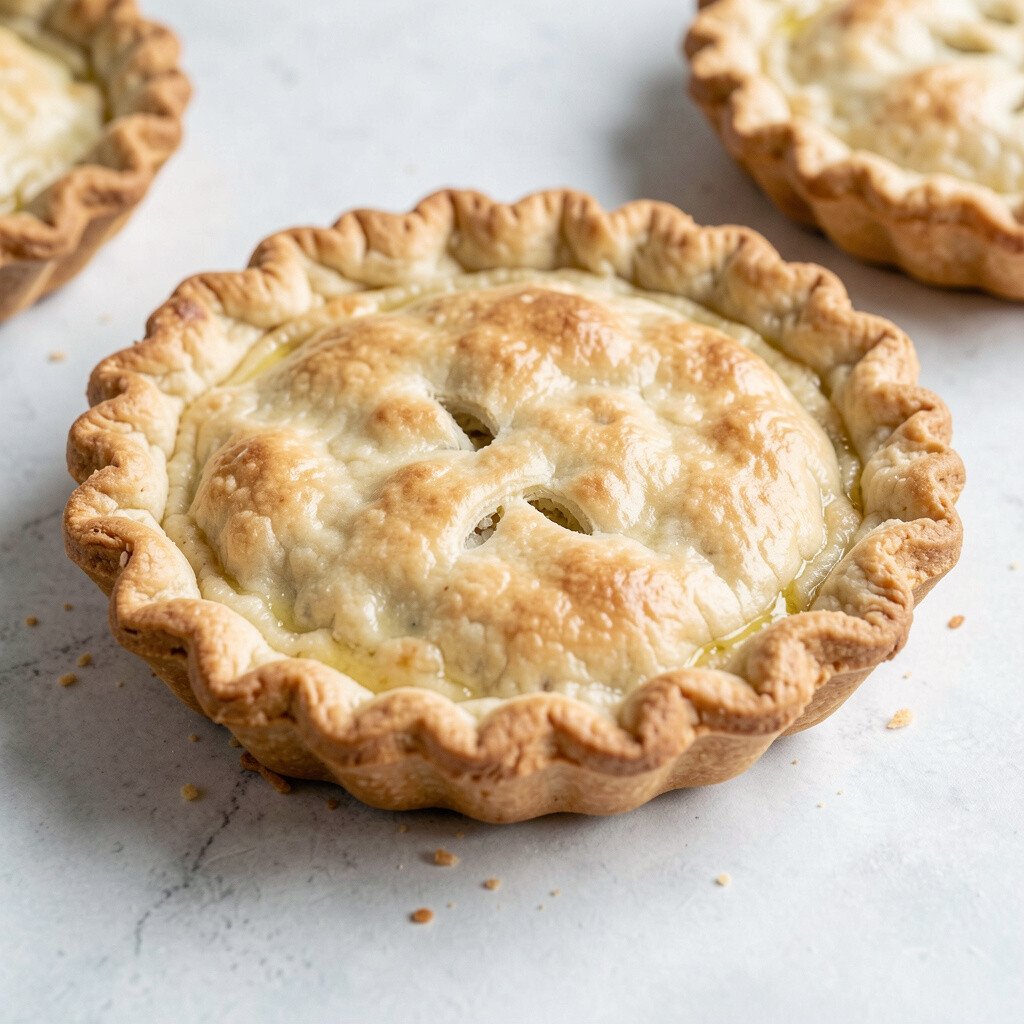
A double-crust pie feels timeless, and it always looks impressive when you cut a slice. The top crust creates a golden shield that helps trap steam so the filling stays juicy.
Roll the bottom crust a little thicker than the top so it supports the weight without tearing. Crimp the edges firmly with your fingers, then add a few vents on top to let excess heat escape. For the best browning, brush the top with egg wash and sprinkle sugar for a light crunch.
2. Buttery Lattice Weave
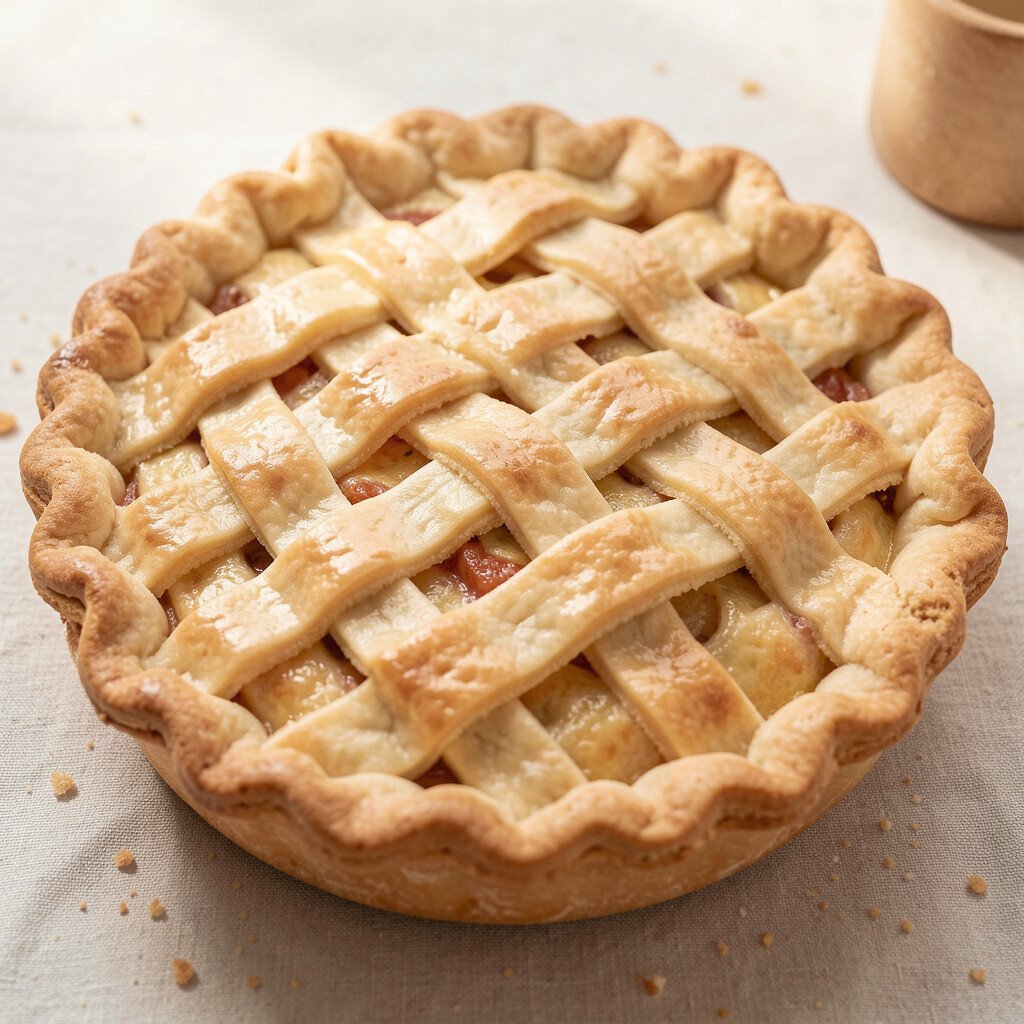
Buttery Lattice Weave
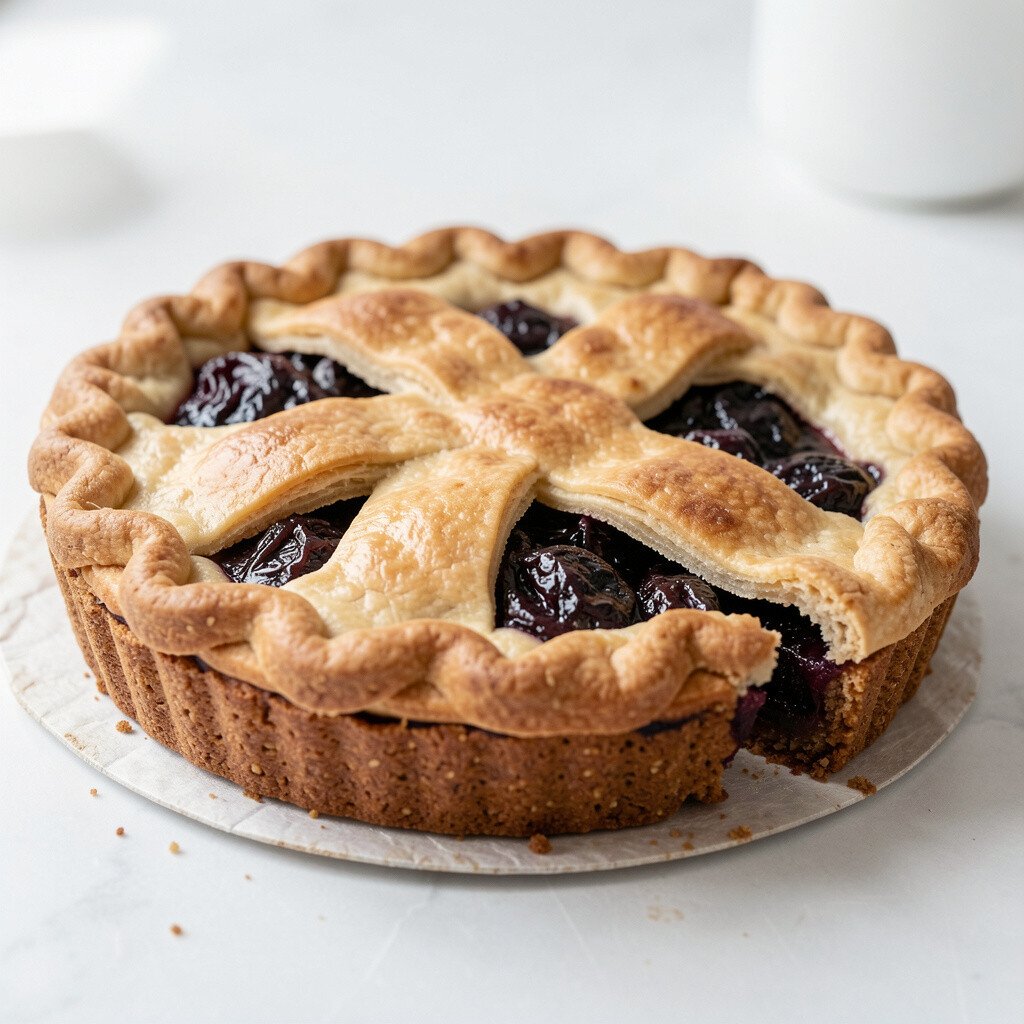
A lattice top turns your pie into something you might find at a bakery window. You get those crisp, crisscross edges while the filling bubbles through the openings.
Cut strips with a sharp knife or a pizza cutter, and keep them even so the weave looks neat. Weave the strips lightly over the filling, then tuck the ends into the bottom crust.
Try brushing the lattice with milk instead of egg for a softer shine. This crust idea also works beautifully for fruit pies because the top structure helps prevent the filling from spilling.
3. Whole-Wheat Tender Crust
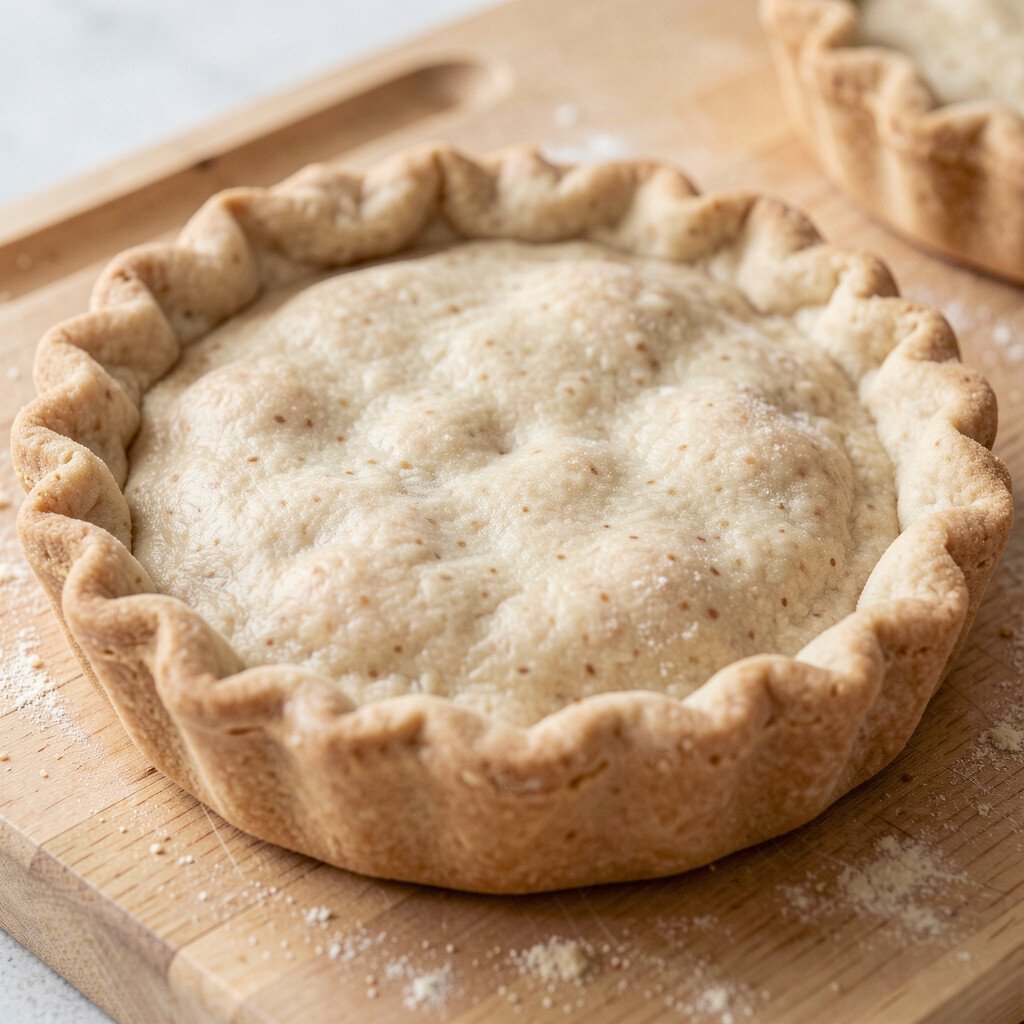
Whole-Wheat Tender Crust
Switching to whole-wheat flour gives your pie crust a warm, nutty flavor that feels comforting. It also adds a little extra chew, which pairs nicely with creamy fillings.
To keep it tender, use part all-purpose flour with the whole-wheat flour, and chill the dough well. Cold dough holds shape and makes cutting easier.
Roll it between two sheets of parchment to avoid sticking, and dust lightly with flour only if needed. You can also add a pinch of salt and a small spoon of sour cream for extra tenderness.
For a cost-friendly boost, whole-wheat flour is often easy to find and can reduce reliance on specialty mixes.
4. Shortbread-Style Crust for Creamy Fillings
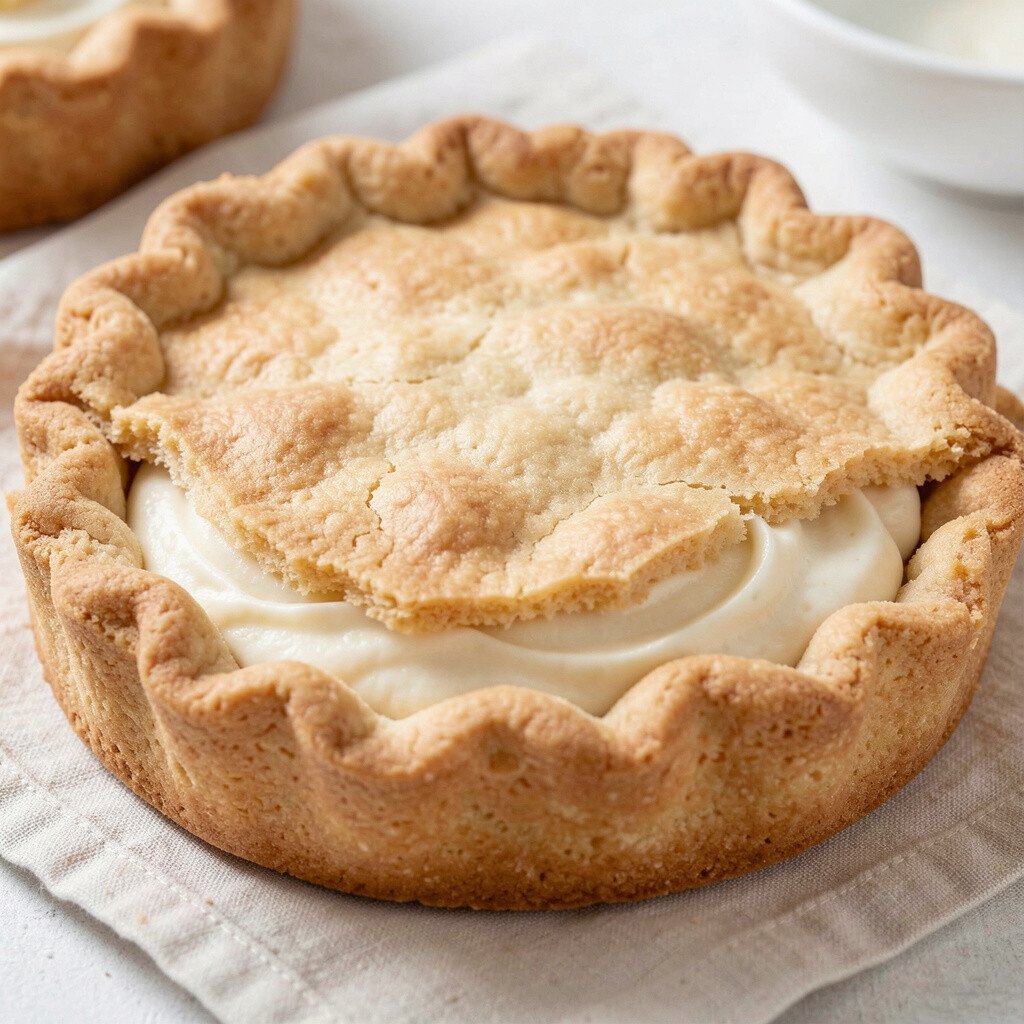
Shortbread-Style Crust for Creamy Fillings
A shortbread-style crust is buttery and cookie-like, making it perfect for custard, chocolate, or lemon pies. Instead of relying on flakiness, it bakes into a tender base that feels rich with every bite.
Press the dough firmly into the pan, then chill again before baking. Since it holds together like a cookie, you can skip heavy crimping and focus on a smooth edge.
5. Flaky Vegan Oil Crust
Flaky Vegan Oil Crust
You can get a flaky, golden pie crust without butter by using a mix of neutral oil and plant-based fat. This crust is a great choice when you want a lighter feel or need to bake for guests with dairy-free preferences.
Use ice-cold water and work quickly so the dough stays cool and doesn’t turn greasy. Add a tablespoon at a time until the dough just comes together.
Roll gently and patch tears with your fingertips, because vegan dough often feels more flexible than you expect. For a trendy twist, try adding a tiny bit of apple cider vinegar to boost tenderness.
6. Cornmeal-Dusted Farmhouse Crust
Cornmeal-Dusted Farmhouse Crust
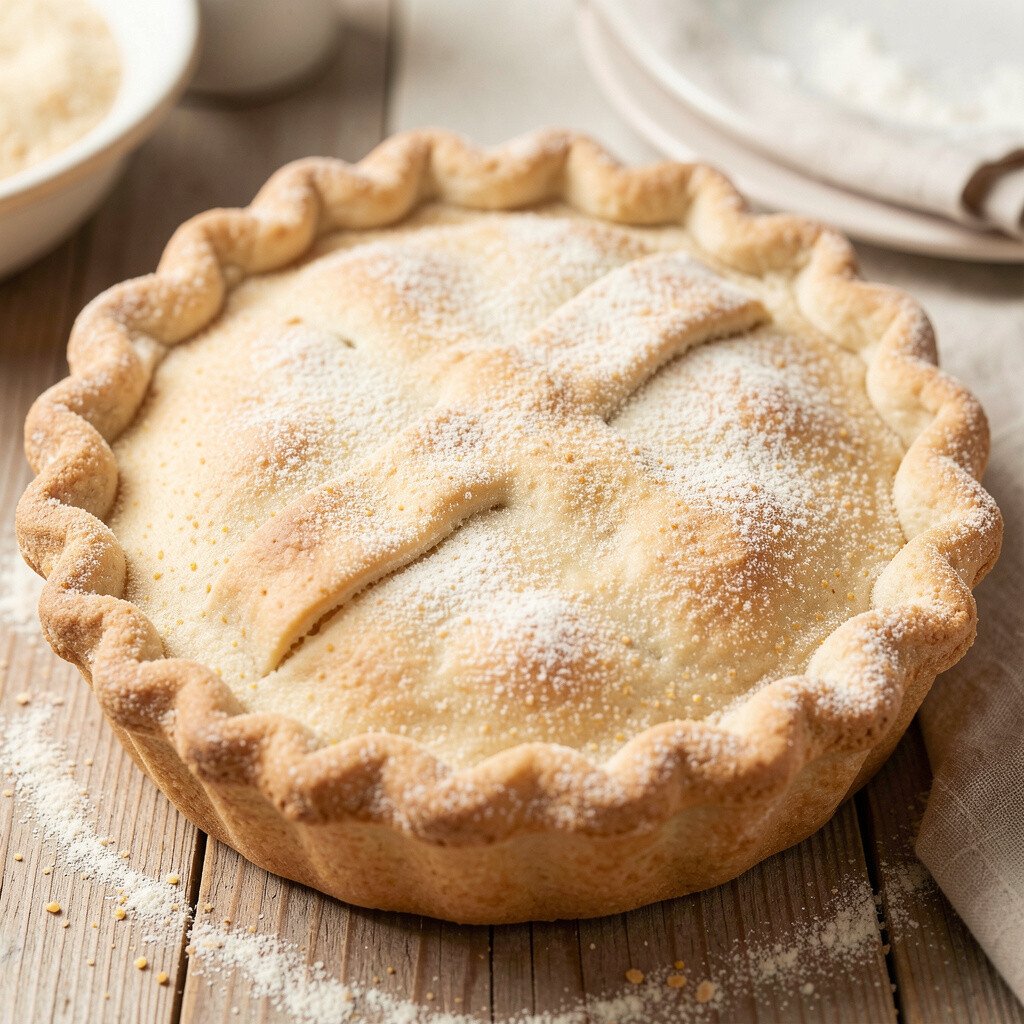
Cornmeal gives the crust a rustic look with a lightly speckled texture. When baked, it adds a subtle crunch that makes every slice feel sturdy and satisfying.
Dust the bottom of your crust and the rolling surface lightly, then brush away extra flour after rolling. This prevents clumps and keeps the flavor even.
If you want extra aroma, toast the cornmeal briefly in a dry pan until it smells warm and sweet. This idea shines with savory pies like chicken pot pie or mushroom filling, and it can be budget-friendly because cornmeal is usually inexpensive.
7. Cinnamon-Sugar Swirl Crust
Cinnamon-Sugar Swirl Crust
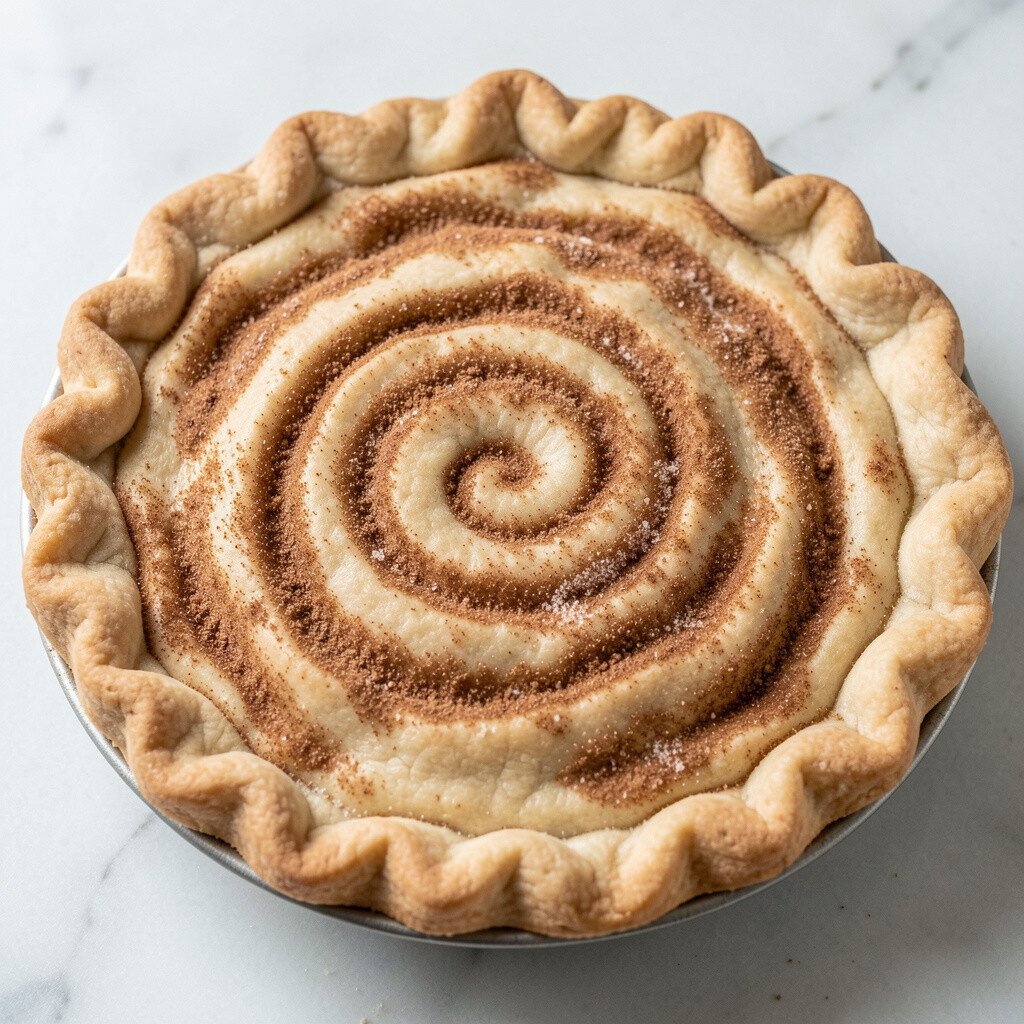
Swirling cinnamon sugar into the dough turns a basic crust into a sweet, fragrant pastry. When it bakes, you get ribbons of spice that look pretty and taste cozy.
Roll your dough into a rectangle, spread a thin layer of butter or plant-based spread, then sprinkle cinnamon sugar and roll it up like a jelly roll. Slice into rounds, place them into your pie plate, and press gently to form the crust.
For personalization, try adding nutmeg, cardamom, or even a hint of orange zest. This crust pairs wonderfully with apple pie, peach pie, or any filling that likes warm spices.
8. Rye Crust with Dark, Bold Flavor
Rye Crust with Dark, Bold Flavor
Rye flour makes a pie crust taste deeper and more earthy, which is great for robust fillings. It also gives the crust a darker golden color that looks dramatic on the table.
Because rye can be drier, mix it with all-purpose flour and add a touch of extra water. Chill the dough so it becomes easier to roll and less likely to crack.
If you like savory baking, consider using rye crust for onion, steak, or smoky vegetable pies. A spoon of caraway seeds can add a traditional flavor that many people find instantly familiar.
This idea can save money too, since rye flour is often used in small amounts and goes a long way in flavor.
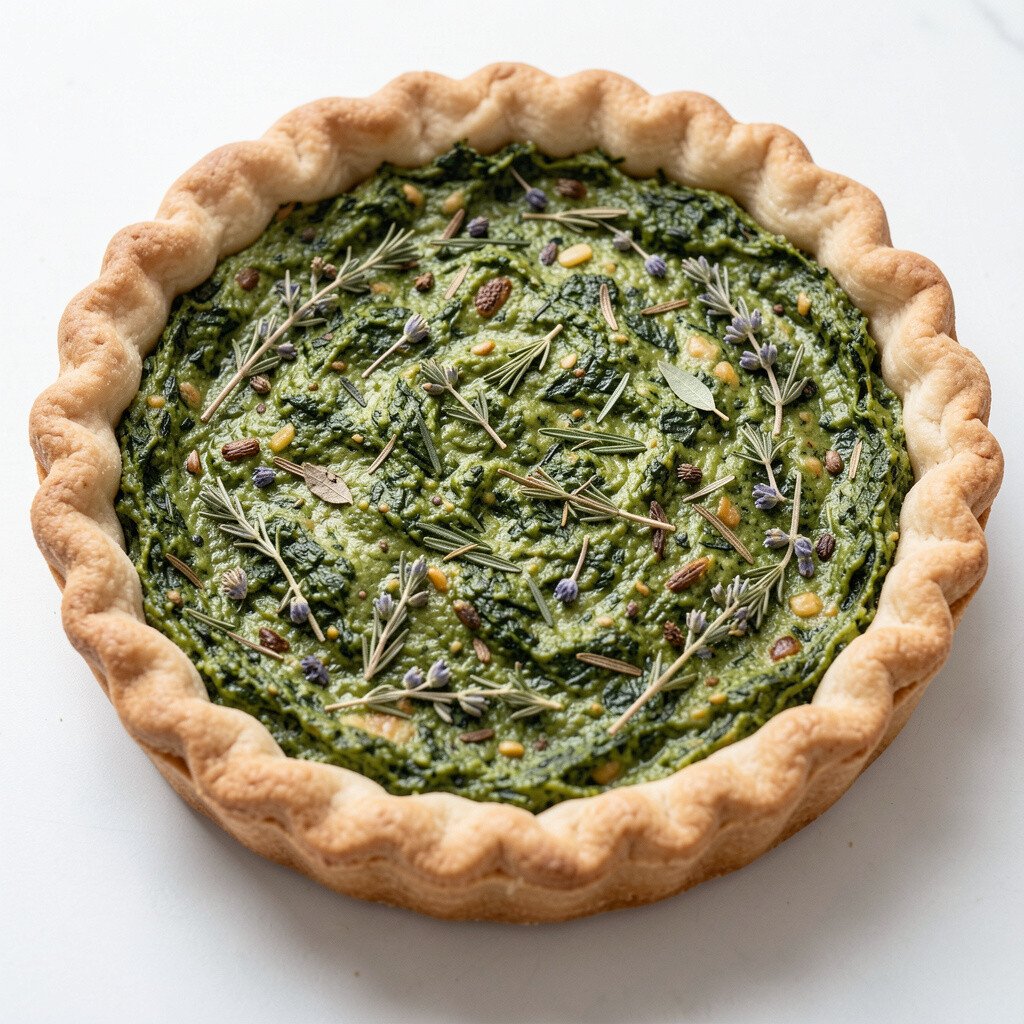
9. Herb-Garden Green Crust
Herb-Garden Green Crust
Adding fresh herbs gives your crust a bright, garden-like aroma that smells amazing while it bakes. It also makes the crust look speckled and colorful, which adds charm even before you taste it.
Finely chop herbs like parsley, thyme, or chives and mix them into the flour. Use dried herbs if that’s what you have, but start with less since dried flavors are stronger.
Pair this crust with savory fillings like spinach, leek, or roasted vegetables. Brush the crust with olive oil instead of egg for a lighter, natural shine.
10. Chocolate Crust for Dessert Pies
Chocolate Crust for Dessert Pies
A chocolate pie crust makes dessert feel extra special without extra fuss. It turns a simple filling into something that tastes rich and looks elegant.
Mix cocoa powder into the dry ingredients and add a bit of sugar to balance the bitterness. Keep the dough cool, and press it into the pan evenly for the best texture.
Try this crust with peanut butter filling, berry compote, or cheesecake-style filling for a modern, crowd-pleasing combo. If you want a cost consideration, cocoa powder is usually affordable and provides strong flavor with only a few tablespoons.
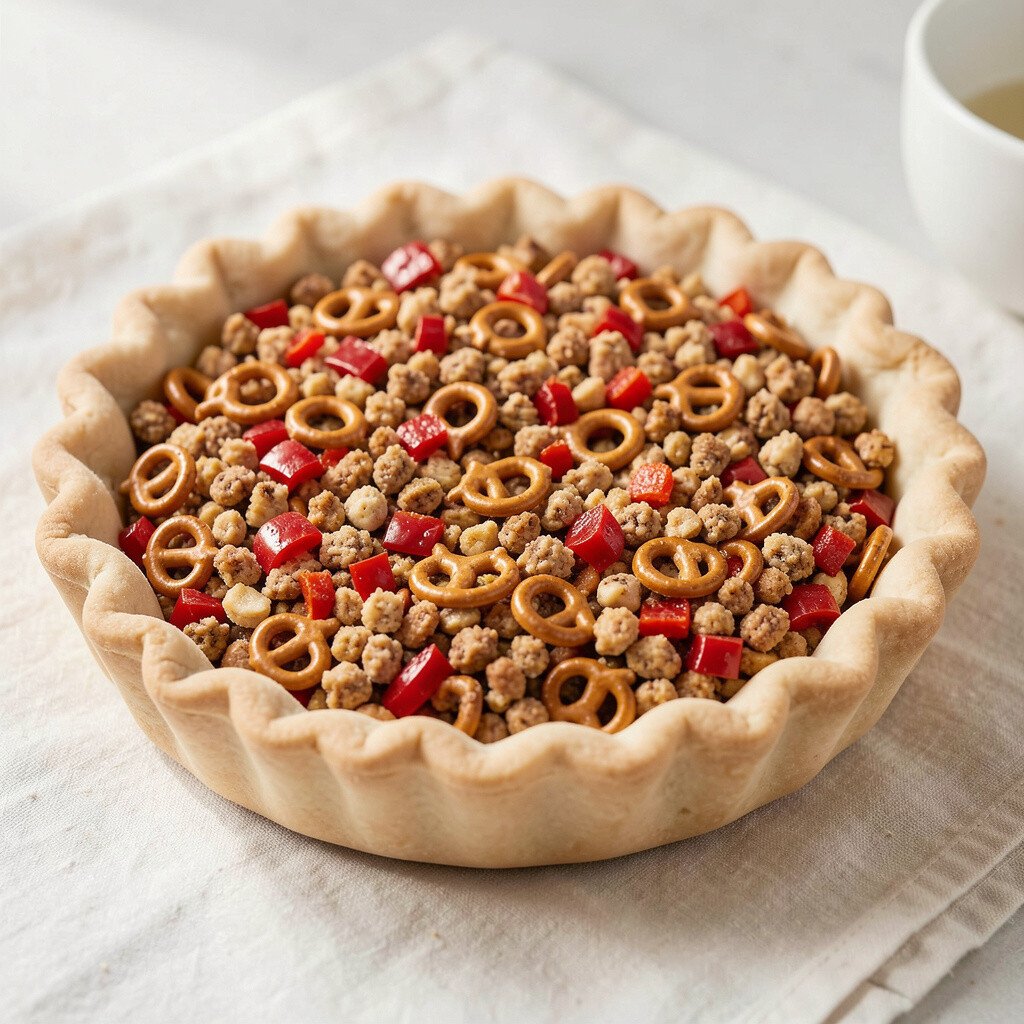
11. Pretzel-Pepper Crunch Crust
Pretzel-Pepper Crunch Crust
A pretzel crust brings salty crunch and a fun bite that makes sweet fillings pop. The flavor feels playful, and the texture adds excitement to every forkful.
Crush pretzels into small bits, then mix with melted butter or oil and press into the pie plate. Bake briefly to set the crust before adding the filling.
For personalization, add a pinch of black pepper or smoked paprika. This crust trend is popular in modern dessert tables because it creates that sweet-salty balance people love.
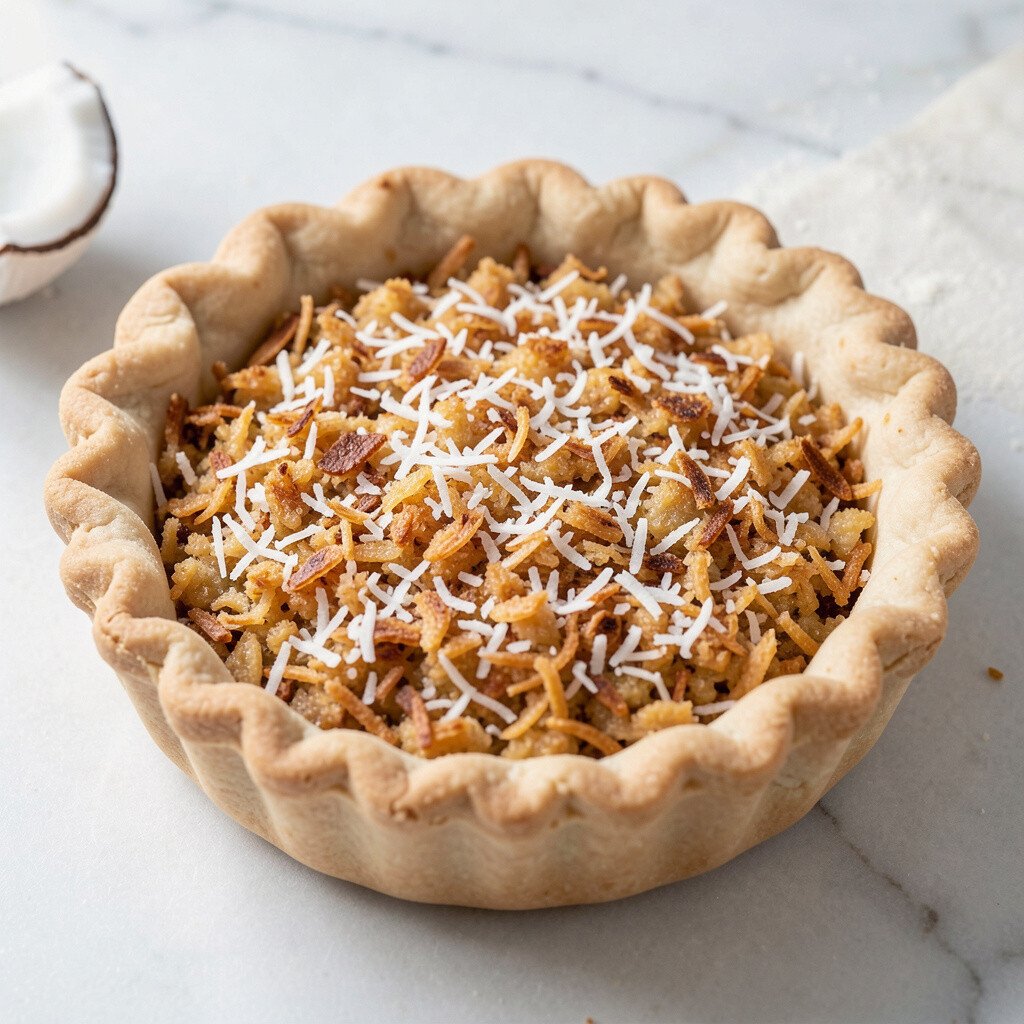
12. Toasted Coconut Coconut-Oil Crust
Toasted Coconut Coconut-Oil Crust
Toasted coconut on the crust gives your pie a tropical vibe and a lightly nutty aroma. It’s a great match for mango, pineapple, lime, and even chocolate fillings.
Toast shredded coconut until golden, then mix it into your crust dough. Coconut-oil dough bakes up with a lovely scent, and the crust holds shape well with thick fillings.
Keep an eye on baking, since coconut can brown fast. For a budget-friendly approach, use sweetened shredded coconut when you can find good sales, and adjust sweetness based on your filling.
This is a fun idea for gatherings because it looks like a vacation in pie form.
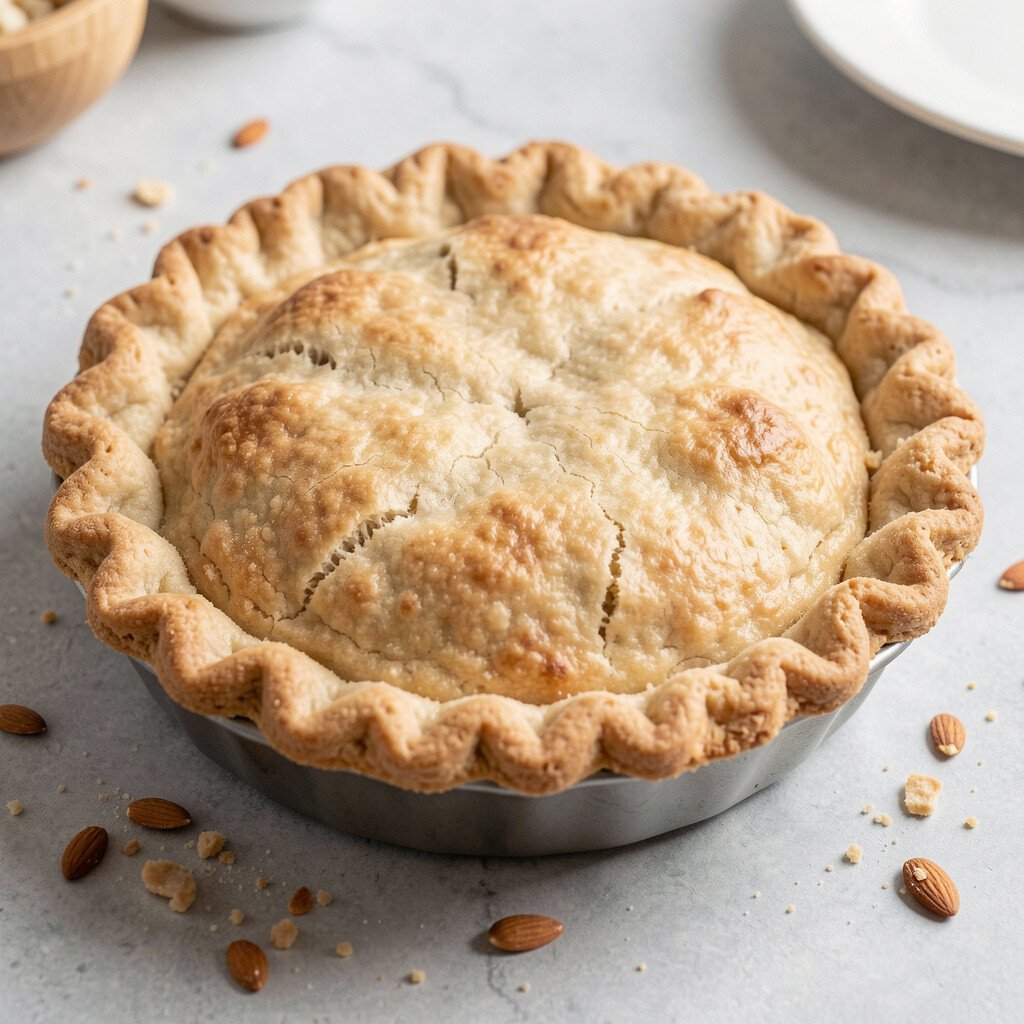
13. Gluten-Free Almond Flour Crust
Gluten-Free Almond Flour Crust
An almond flour crust can be wonderfully crisp and naturally gluten-free. It also brings a gentle sweetness that works especially well with fruit and cream pies.
Combine almond flour with a binder like egg or a plant-based binder, then press into the pan. Because almond flour crust can be tender, handle it gently and avoid over-rolling.
For practical success, chill it for at least a short time before baking so it sets firmly. Personalize with vanilla, lemon zest, or a pinch of sea salt to make it taste bright.
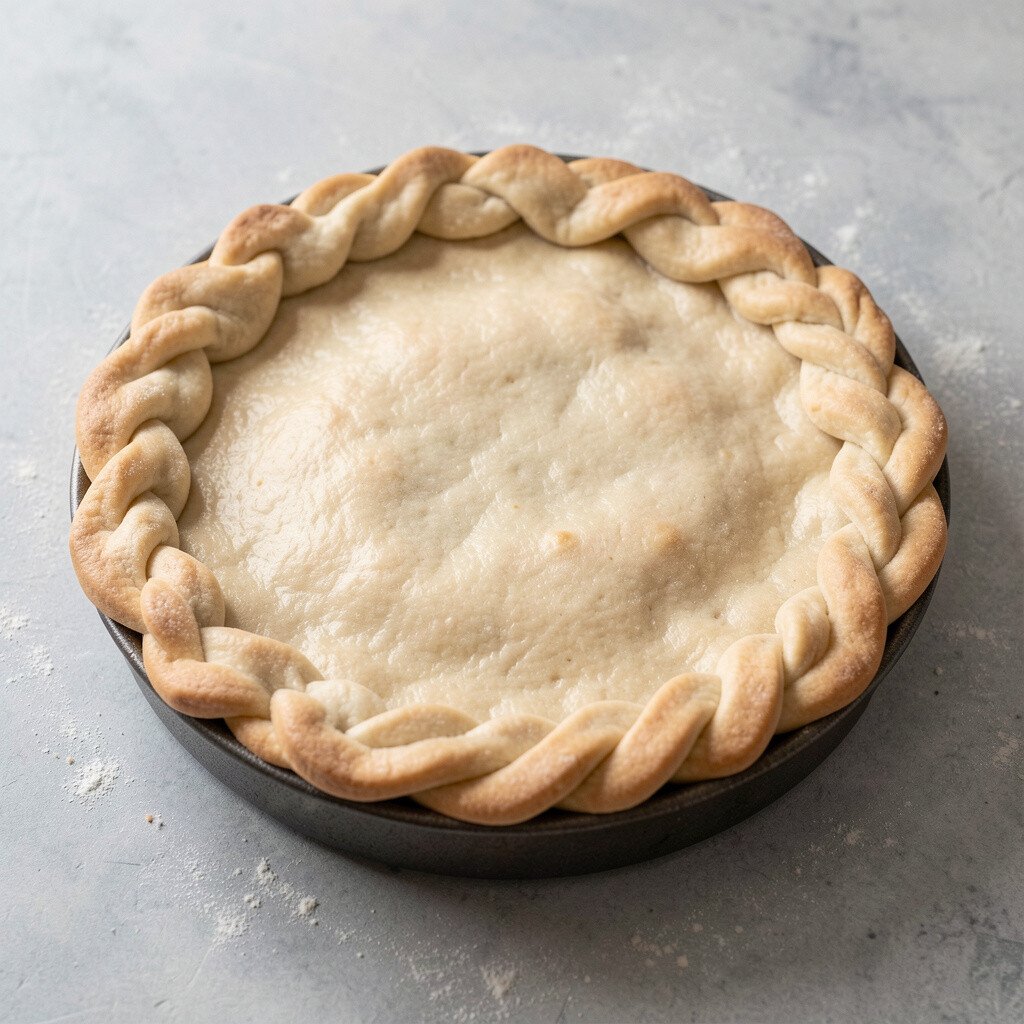
14. Braided Edge Crust for Special Occasions
Braided Edge Crust for Special Occasions
A braided edge looks like something reserved for holidays, but it’s totally doable at home. It frames the pie with a neat, decorative border while keeping the crust secure.
Roll and twist strips of dough, then braid them loosely and press the braid onto the rim. Crimp the braid slightly so it sticks and doesn’t slip during baking.
Use this style with either single- or double-crust pies, and it automatically feels more polished. To avoid dryness, keep the dough edges from drying out by brushing lightly with water before attaching.
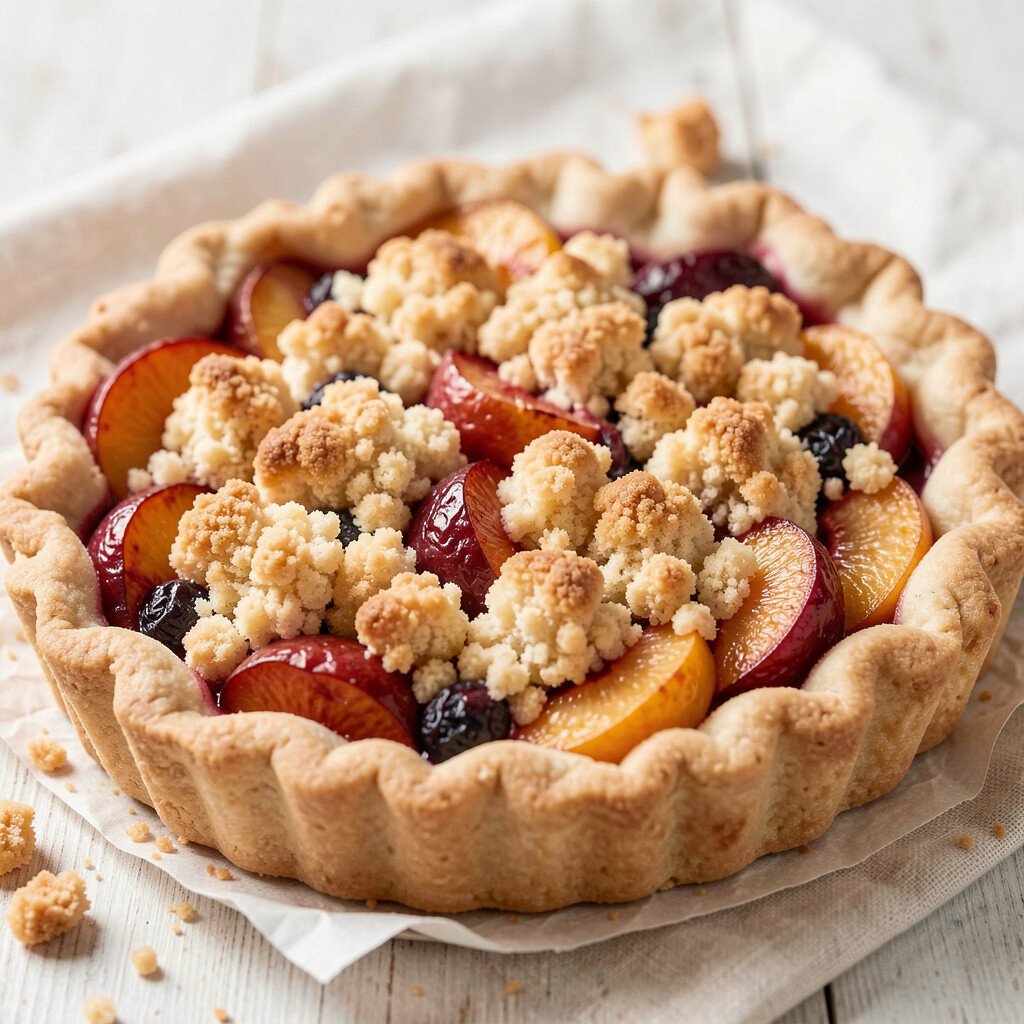
15. Stone-Fruit Rustic Crust with Pressed Crumbles
Stone-Fruit Rustic Crust with Pressed Crumbles
A rustic pressed-crumble crust is perfect for stone-fruit pies because it feels hearty and forgiving. You get a slightly uneven, artisanal look that still holds together when you slice.
Mix flour, a cold fat, and a little sugar, then press the crumb mixture into the pan with your hands. Chill again, bake until golden, and let it cool before adding filling so it stays crisp.
This style is also great for using up small bits of dough from trimming, which helps cut food waste. If you want a current trend vibe, finish with a few flaky salt crystals and a drizzle of honey after baking for a sweet-salty shine.
For cost considerations, this crust is easy on ingredients because it uses simple pantry staples and small amounts of butter or oil.