The kitchen is full of secret lessons hidden inside everyday meals. With a few safe steps, kids can turn cooking into play and build real skills fast.
From stirring colors to shaping dough, these activities keep hands busy and minds curious. Pick a few, match them to your child’s age, and enjoy the tasty results.
Pick fruits with bright colors and arrange them like a tiny art gallery. Let kids wash, cut safely, and layer the pieces in a cup.
They will learn visual sorting, portion sense, and the joy of choosing flavors. For practical fun, use kid-sized cups and pre-cut harder fruit while they handle softer items like berries and melon.
2. Build a Snack “Mosaic” Plate
Build a Snack “Mosaic” Plate
Give each child a plate and encourage them to design a picture using food. They can place crackers, cheese cubes, cucumber coins, and fruit shapes in a pattern.
As they plan the layout, they practice fine-motor control and thoughtful decision making. Keep it budget-friendly by using what you already have, like leftover veggies or end-of-pack cheeses.
To personalize, match the theme to the season, such as autumn colors or a summer seaside mix. Many families are also trying “no-waste” snack boards, so using small bites helps cut food waste at the same time.
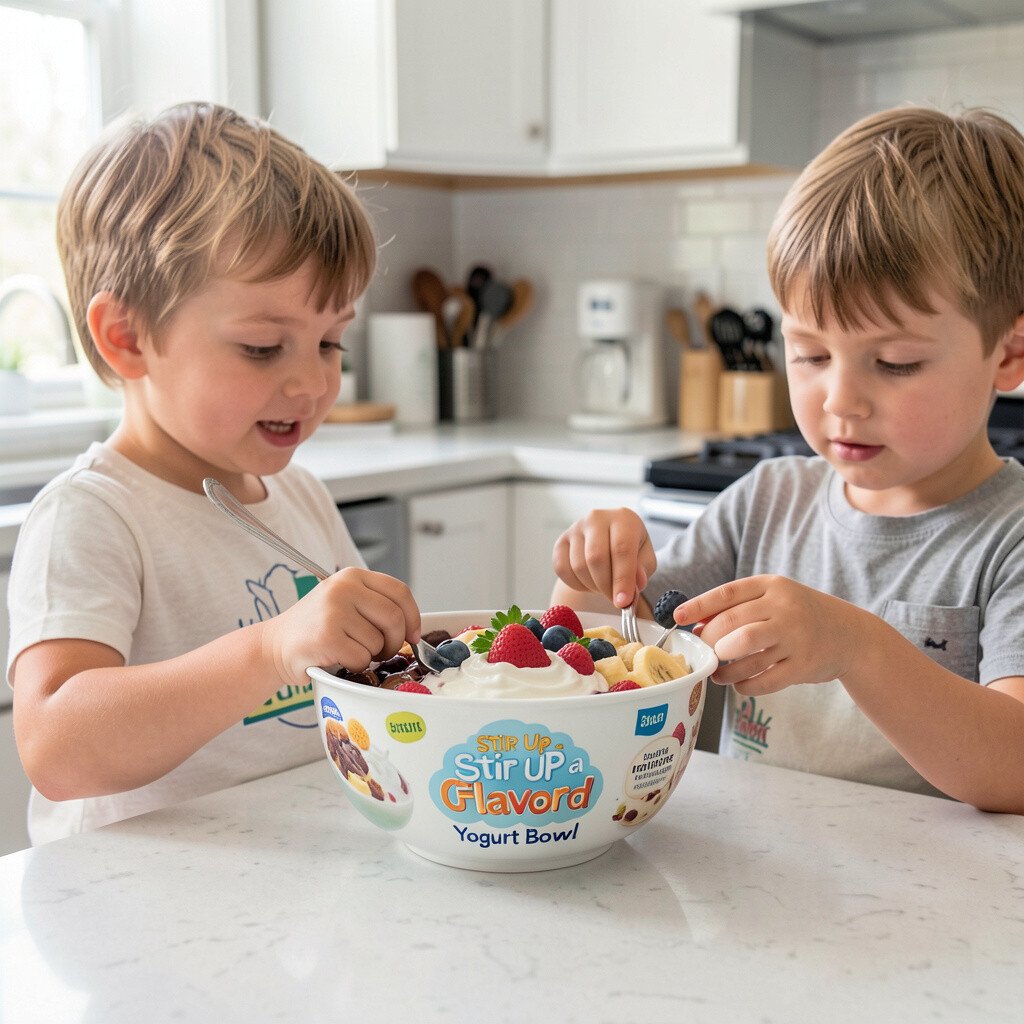
3. Stir Up a Flavor-Cloud Yogurt Bowl
Stir Up a Flavor-Cloud Yogurt Bowl
Set out plain yogurt and let kids add gentle mix-ins to make swirls. They can sprinkle cinnamon, fold in fruit, or swirl in honey with a spoon.
Stirring helps build coordination and patience, and dairy supports strong bones and protein. For a smooth experience, pre-portion everything into small bowls so the kitchen stays calm.
Make it unique by using a “flavor cloud” for each child and taking a quick photo of their final bowl. This is a popular trend at home because it feels fancy without needing complicated cooking.
Cost-wise, yogurt can be cheaper than many desserts, especially when you buy larger tubs. If you have picky eaters, start with one mix-in and add more only after they try it.
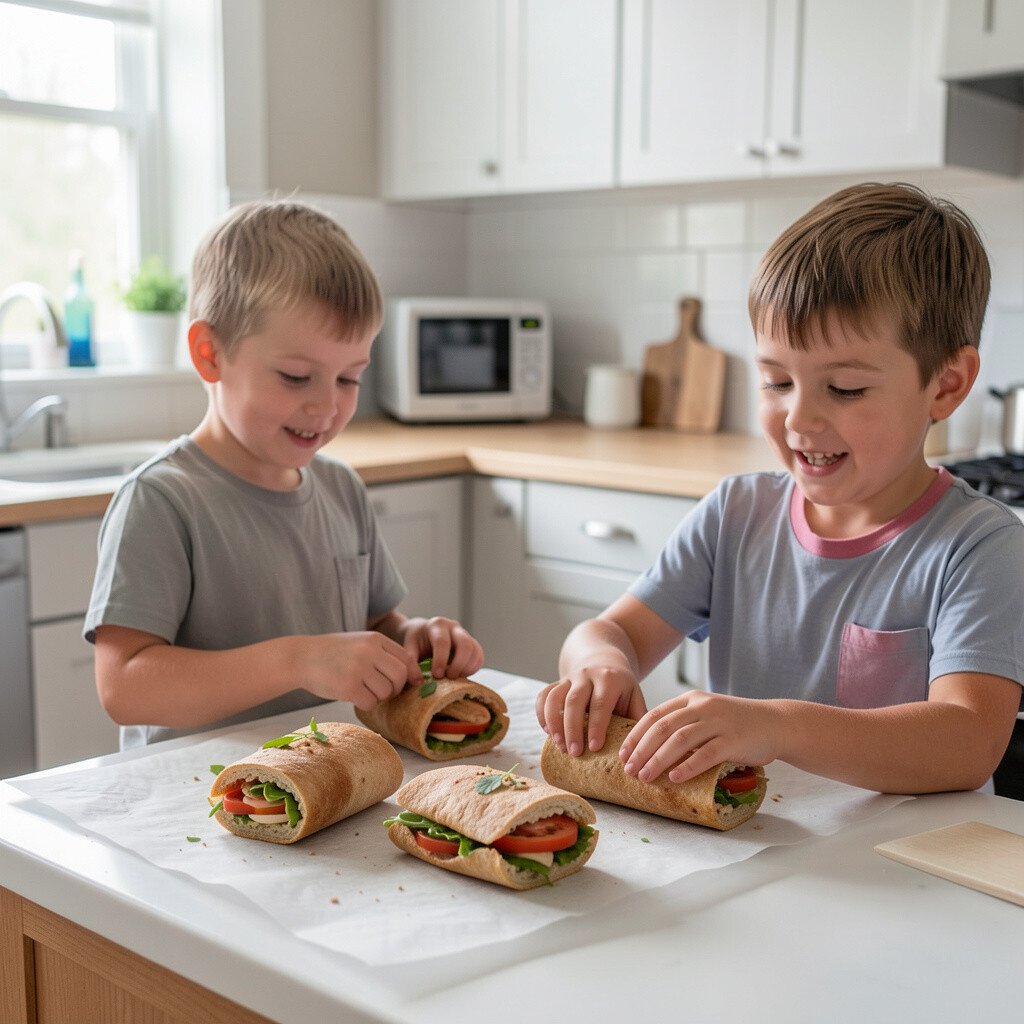
4. Create Edible Story Bread Wraps
Create Edible Story Bread Wraps
Spread nut butter or cream cheese on tortillas, then add colorful fillings. Kids can lay ingredients in stripes to form characters or simple scenes.
This activity builds creativity and encourages kids to try new textures in a low-pressure way. Choose fillings that are easy to handle, like shredded carrots, sliced bananas, or small pieces of ham.
5. Practice Measuring Like a Chef
Practice Measuring Like a Chef
Use dry ingredients such as flour, sugar, and oats for a kid-friendly measuring game. Show them how to level a cup with a straight edge before each pour.
Measuring supports math skills and teaches careful habits that matter for baking. Give them a small scoop for accuracy, and keep spills under control by measuring over a tray.
Personalize by letting each child name their own blend, like “sunshine mix” or “snack snow.” Many households are using simple baking stations now, where kids can manage one tool at a time for confidence.
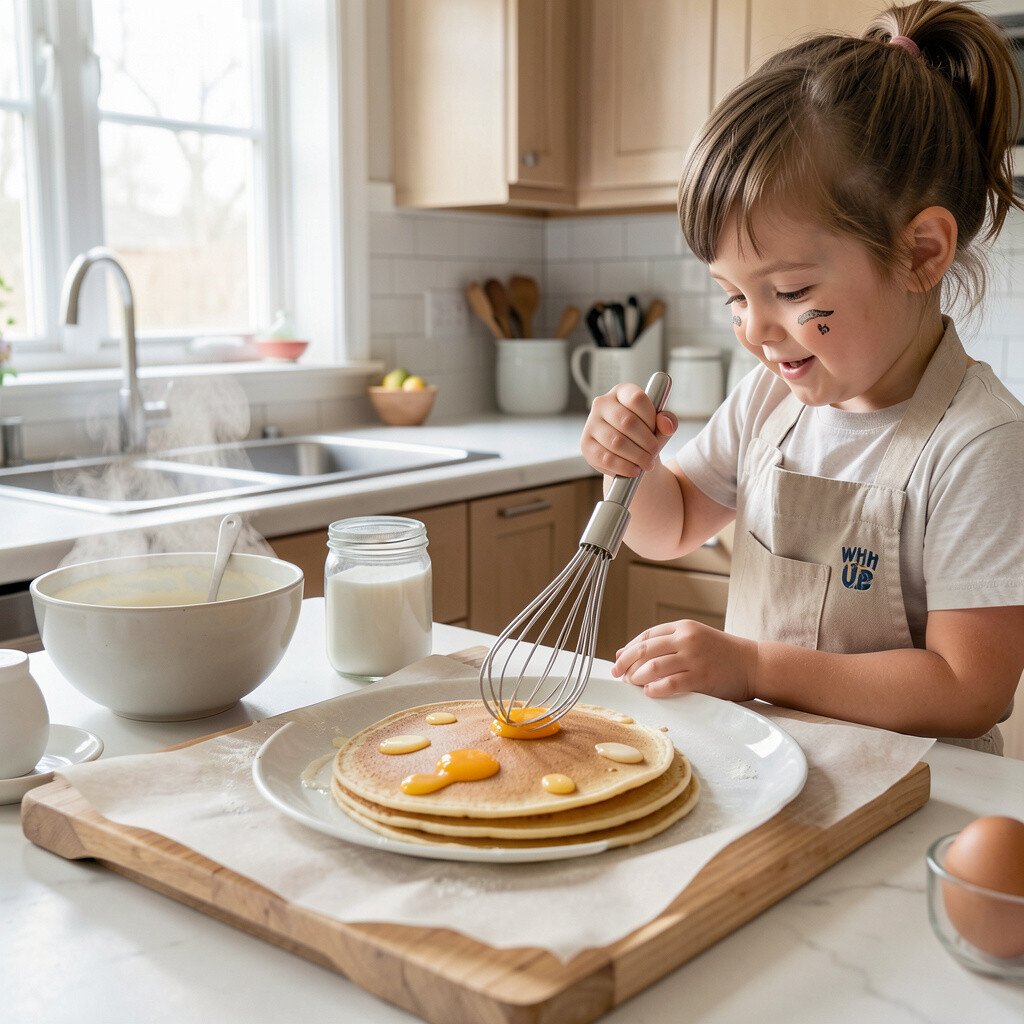
6. Whisk Up Pancake Faces
Whisk Up Pancake Faces
Kids love when food has faces, so make pancake batter and draw eyes with batter. Use a squeeze bottle or a spoon to add details while the pancakes cook.
This teaches cause and effect, since heat changes batter quickly. To keep things safe, handle the hot pan yourself and have kids focus on pouring and decorating.
For uniqueness, offer different toppings like blueberries for eyes and banana slices for smiles. Cost stays reasonable because pancakes use everyday pantry items.
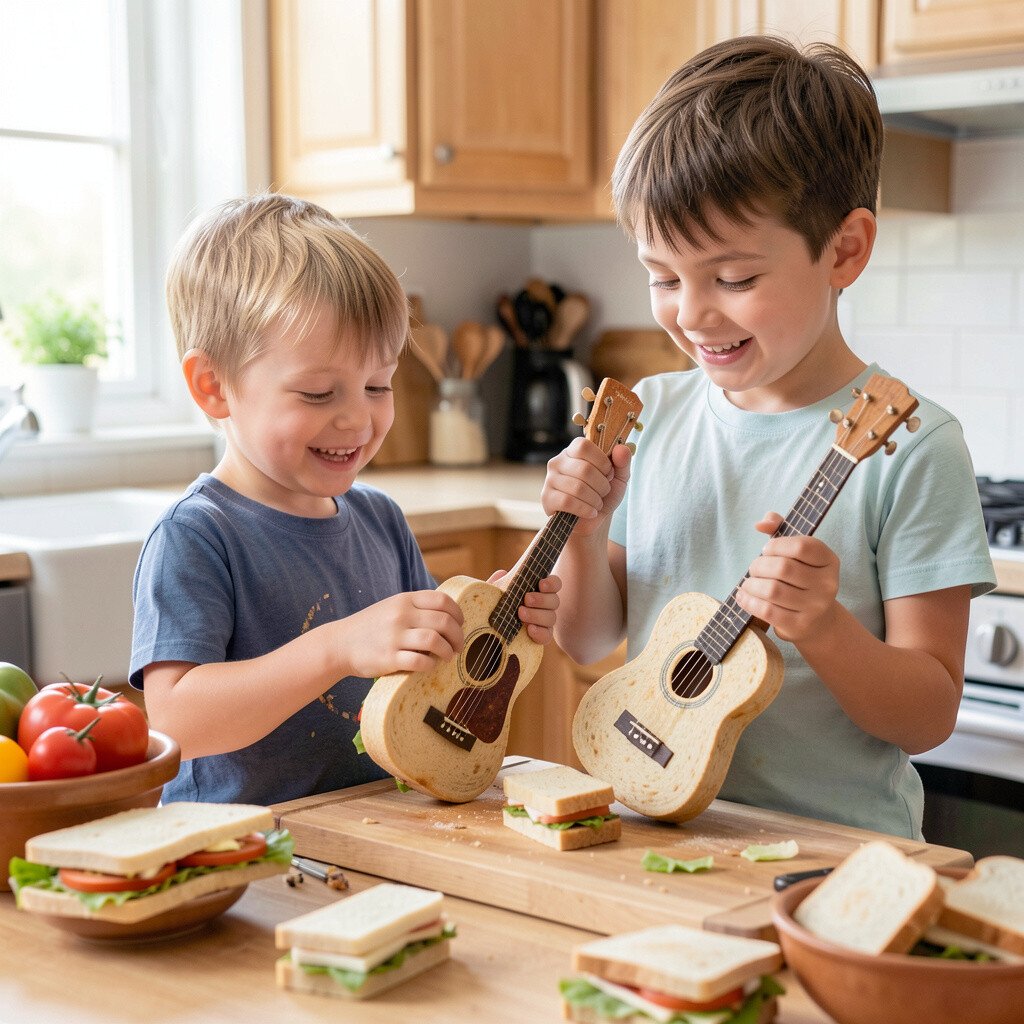
7. Make Your Own Mini Sandwich Guitars
Make Your Own Mini Sandwich Guitars
Cut bread into small rectangles and let kids assemble “guitars” with fillings. Use thin veggies as strings, like cucumber strips or shredded lettuce.
The hands-on building helps kids practice assembly skills and encourages them to invent flavor combos. Try personalization by making one design per child, then let them explain their “sound.”
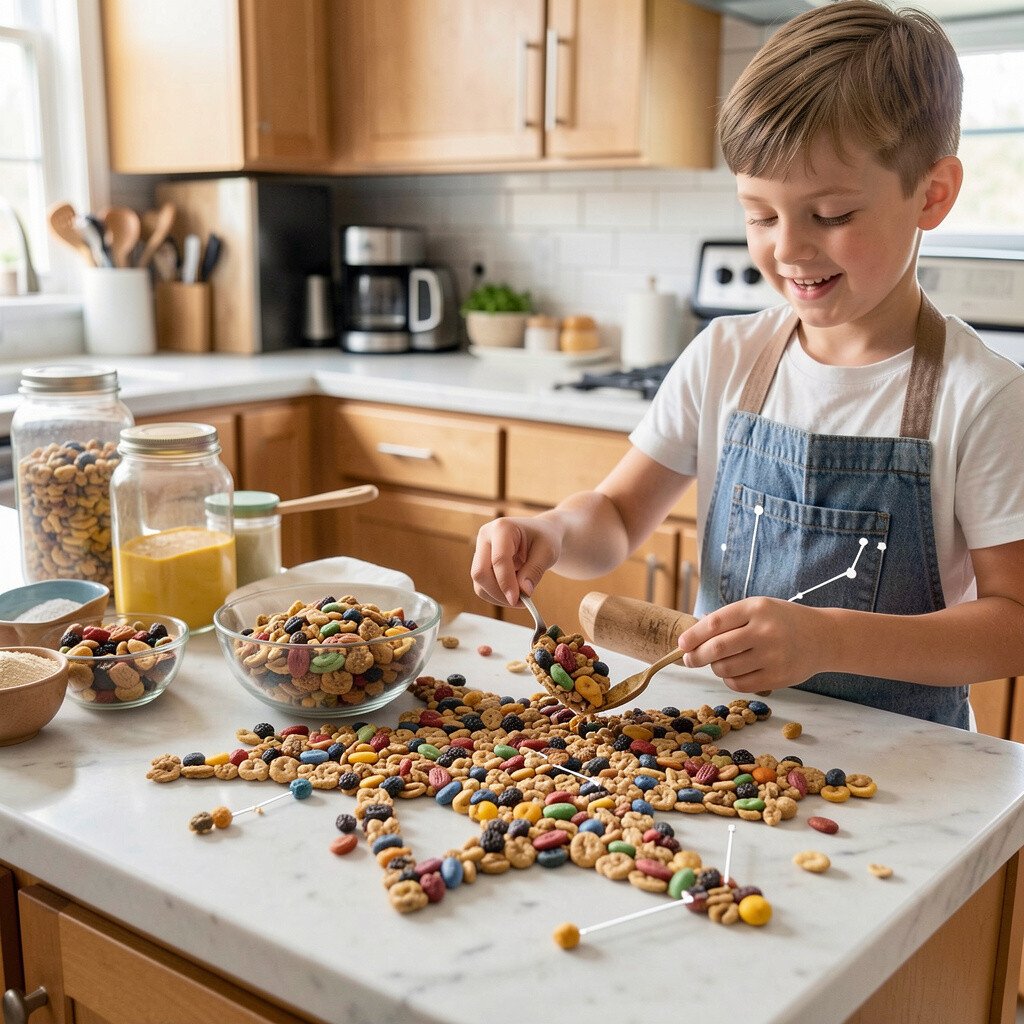
8. Shape No-Cook Trail Mix Constellations
Shape No-Cook Trail Mix Constellations
Set out ingredients like nuts, dried fruit, cereal, and chocolate chips. Kids can pour and sprinkle onto a lined tray, then arrange them into star shapes.
They get practice with portion control and planning, and they learn that snacks can be balanced. For practical tips, pre-measure common amounts in small cups so kids can build without heavy mess.
This activity is unique because it turns simple ingredients into a themed craft. Many families are leaning into “energy snack” trends for school lunches, and this fits right in.
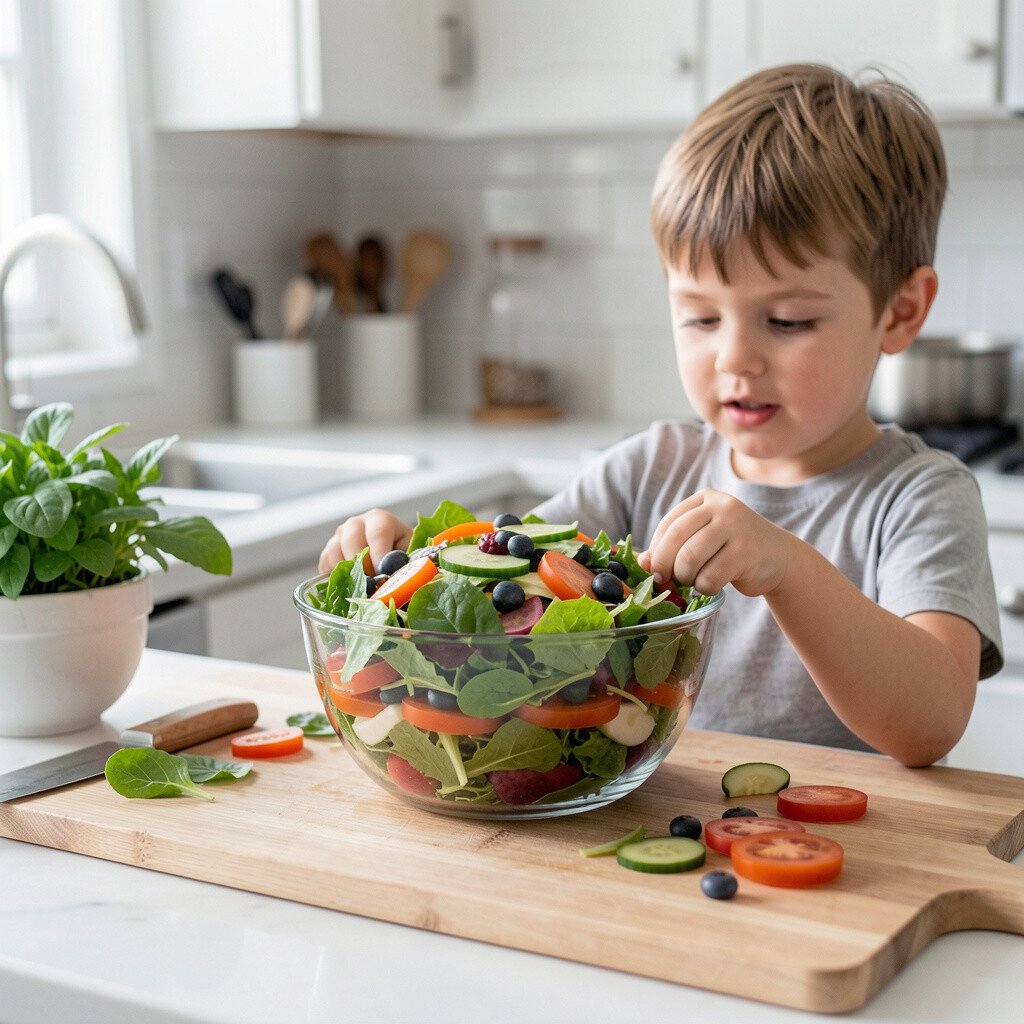
9. Make a Garden Salad in Layers
Make a Garden Salad in Layers
Let kids layer greens, veggies, beans, and toppings in a clear bowl. Watching colors stack up is like watching a rainbow build itself.
Layering builds patience and also encourages kids to eat a variety of textures. Use a thick dressing for better sticking, or serve dressing on the side so the salad stays crisp.
Personalize with a favorite theme, such as “pizza salad” using pepperoni-like crumbles or “taco salad” with corn and salsa. Cost considerations are friendly when you use frozen corn or seasonal produce.
This kind of layered salad is trending at-home because it looks impressive in photos and tastes fresh.
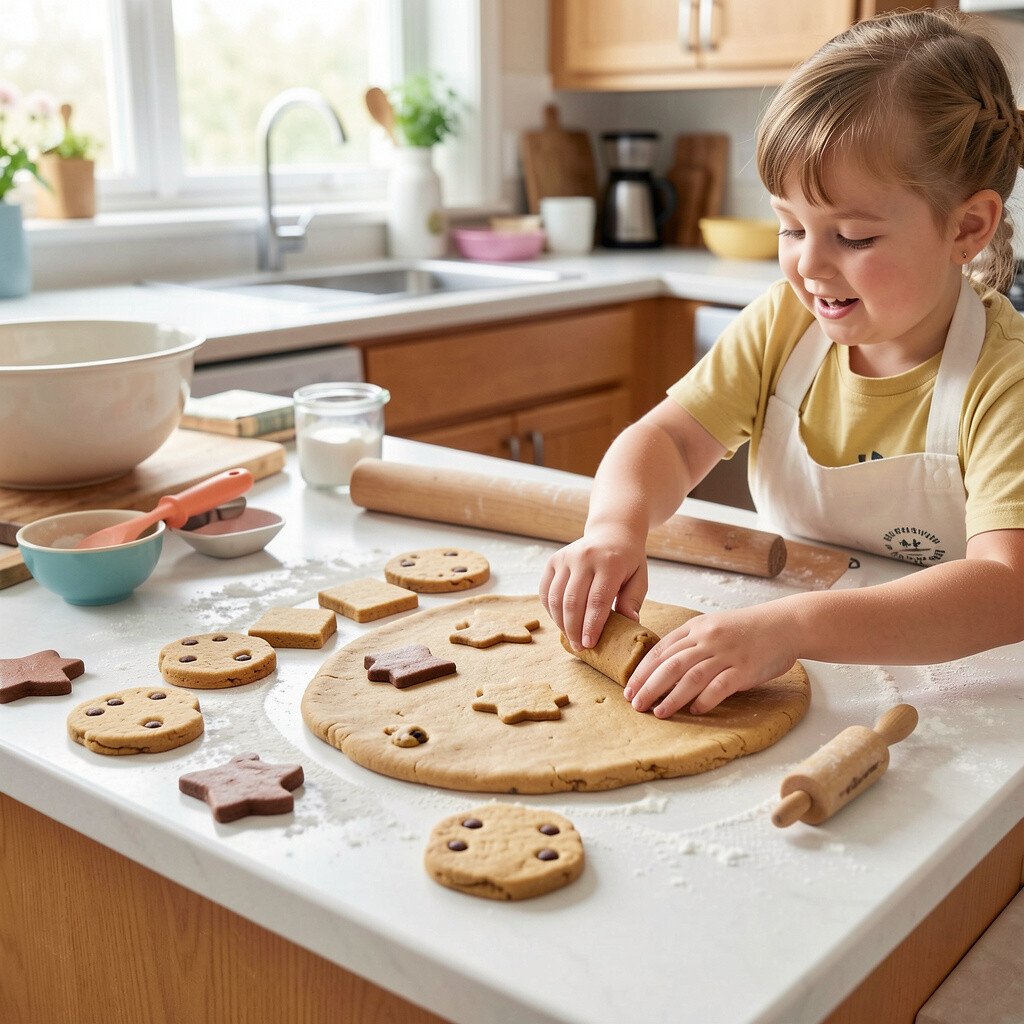
10. Roll and Stamp Cookie Dough Shapes
Roll and Stamp Cookie Dough Shapes
Give kids pre-made dough or simple homemade dough and show them how to roll it gently. Then they can stamp shapes and place them on a baking sheet.
Rolling and stamping strengthen grip and hand control, which helps in many school tasks. For practical tips, flour the surface lightly and use cookie cutters with wide edges for easy release.
Uniqueness shines when kids choose a theme, like dinosaurs or ocean animals. To keep costs low, use basic flour, butter, and affordable add-ins like vanilla sugar or sprinkles.
11. Build a “Taste Test” Rainbow Table
Build a “Taste Test” Rainbow Table
Set out small cups of different ingredients, like sweet, salty, and tangy options. Kids can try tiny bites and talk about what they notice.
This builds vocabulary for flavor and supports confidence in tasting new foods. Make it practical by using labels only on the cups so everyone stays clear without guessing.
Personalize the table by letting each child pick one “mystery” ingredient to add. Taste tests are popular right now because they turn picky eating into a fun game instead of a battle.
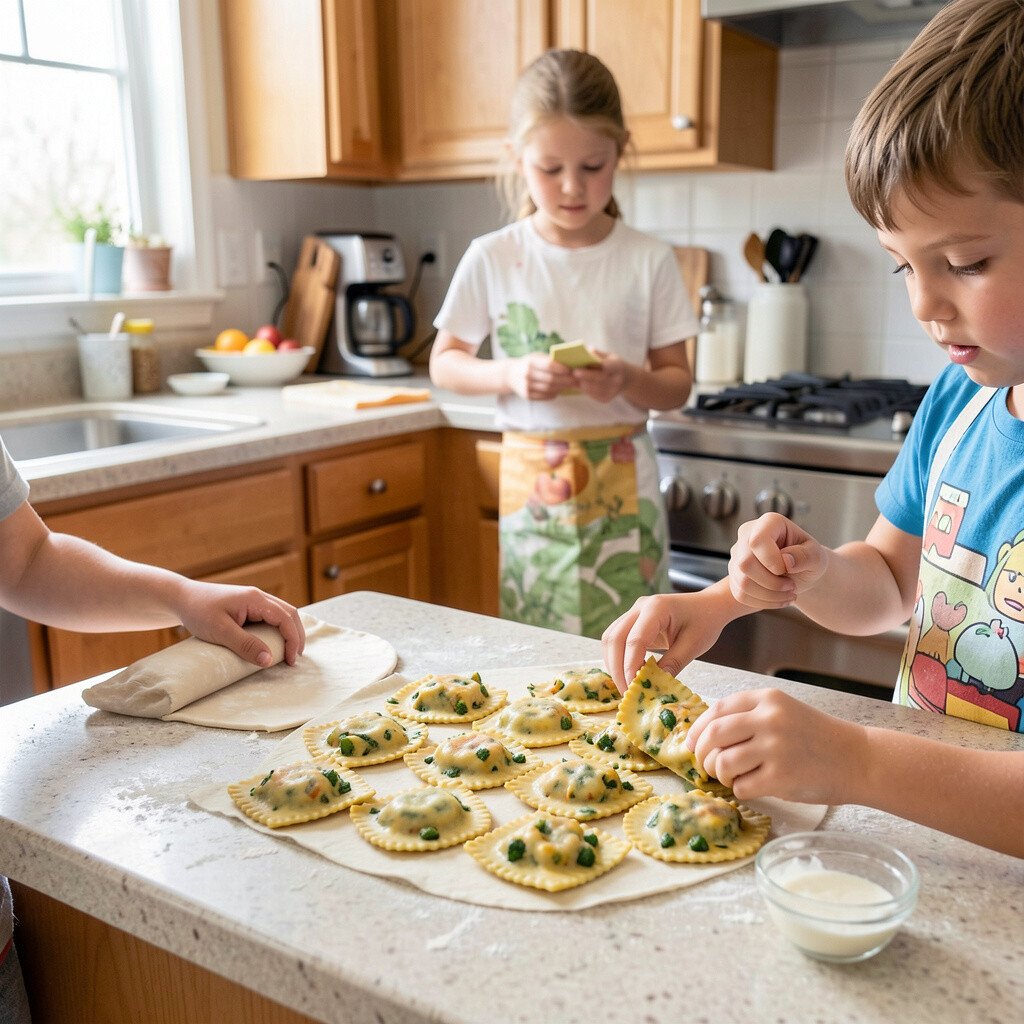
12. Fry-Free Veggie “Ravioli” with Wrappers
Fry-Free Veggie “Ravioli” with Wrappers
Use won-ton wrappers or dumpling wrappers for a quick, kid-friendly project. Kids can add a small spoon of veggie filling and fold the wrapper with your help.
They learn a satisfying folding technique and develop focus while staying safe away from frying. For practical tips, seal edges well with a little water so nothing bursts during cooking.
13. Paint with Watercolors of Sauce
Paint with Watercolors of Sauce
Make colorful sauces using mashed berries, yogurt, and a little honey. Kids can “paint” on a plate using spoons and small drizzles.
They practice control and creativity while learning that flavors can blend smoothly. Keep it cost-friendly by using fruits you already have and avoiding expensive specialty ingredients.
Uniqueness comes from the art choices, like making a sunrise or a swirl pattern. This kind of playful plating matches a current trend where food feels like art, not just fuel.
Let each child choose one flavor as their “main color,” then let them build around it.
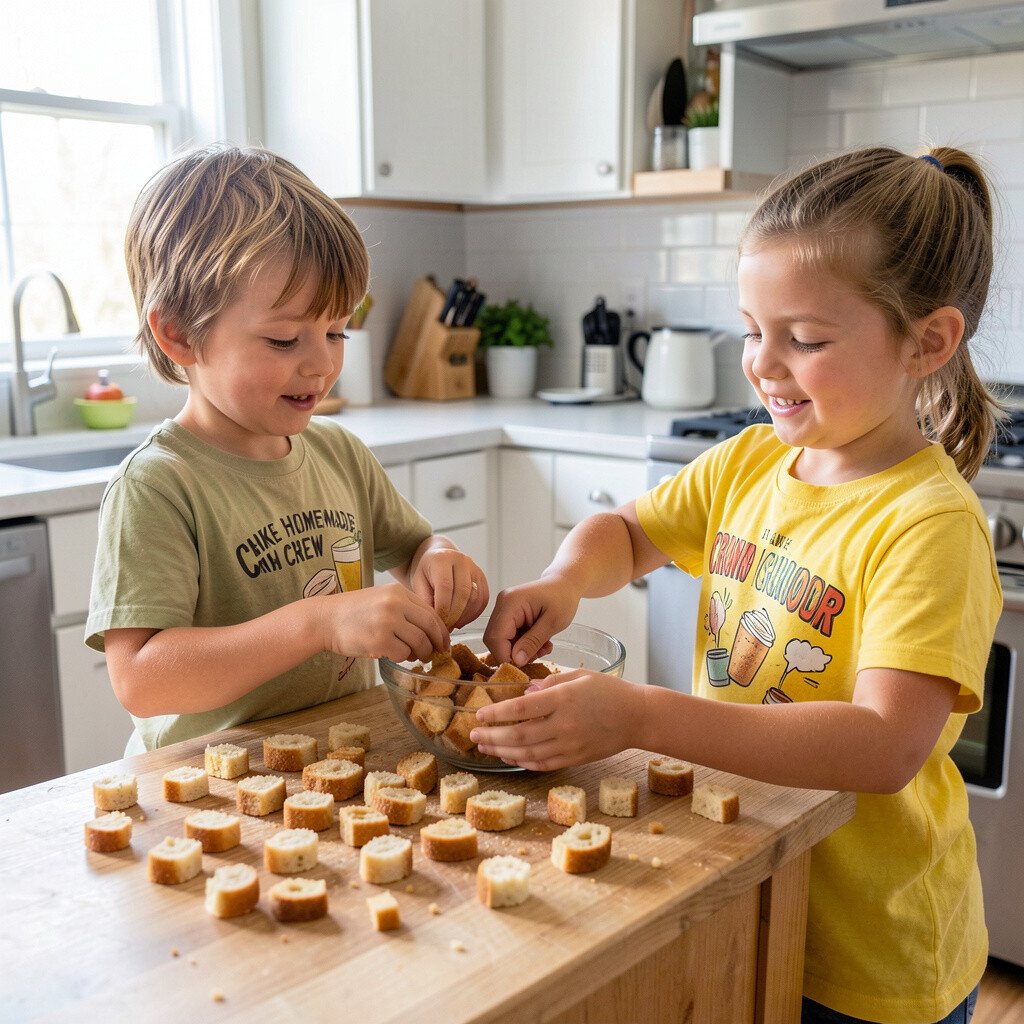
14. Make Homemade Croutons Crunch Crew
Make Homemade Croutons Crunch Crew
Cut bread into cubes and toss with a little oil and seasoning before baking. Kids can help toss the cubes in a bowl and spread them evenly on a tray.
This teaches teamwork and improves understanding of cooking times. For practical tips, use a light hand with oil so the bread browns without turning too hard.
Personalize with different seasonings like garlic, paprika, or cinnamon-sugar for sweet options. Cost considerations are great because day-old bread becomes a new snack.
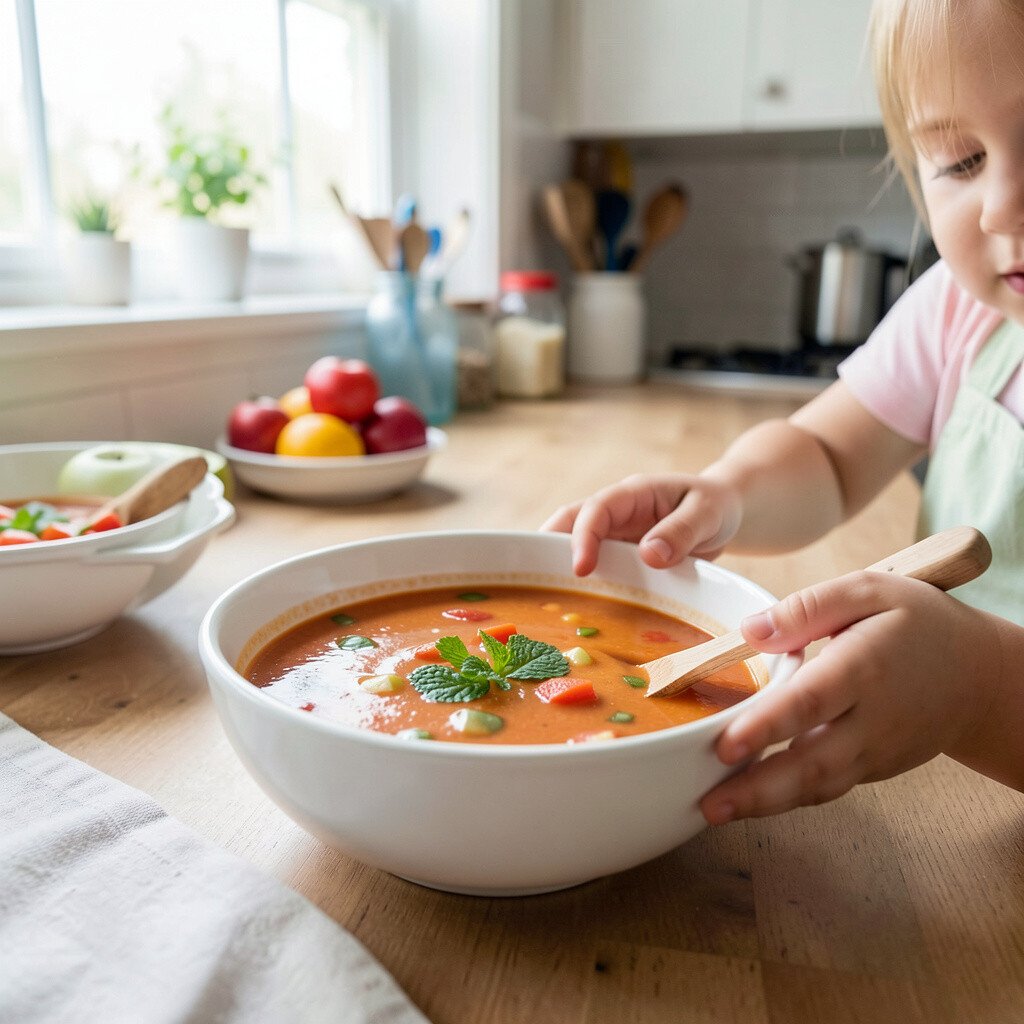
15. Create a Bowl of “Magic” Soup Notes
Create a Bowl of “Magic” Soup Notes
Chop soft veggies together and help kids add ingredients to a pot. Then they can taste the soup with small spoons and describe the changes.
This activity builds cause-and-effect thinking as flavors deepen with heat. Keep the experience practical by pre-cutting sharp items and sticking to kid-friendly veggies like carrots and potatoes.
Uniqueness comes from letting kids name each step, like “stormy carrots” or “cozy broth.” Many families are using “kids in charge” routines lately, and soup is an easy way to do it.
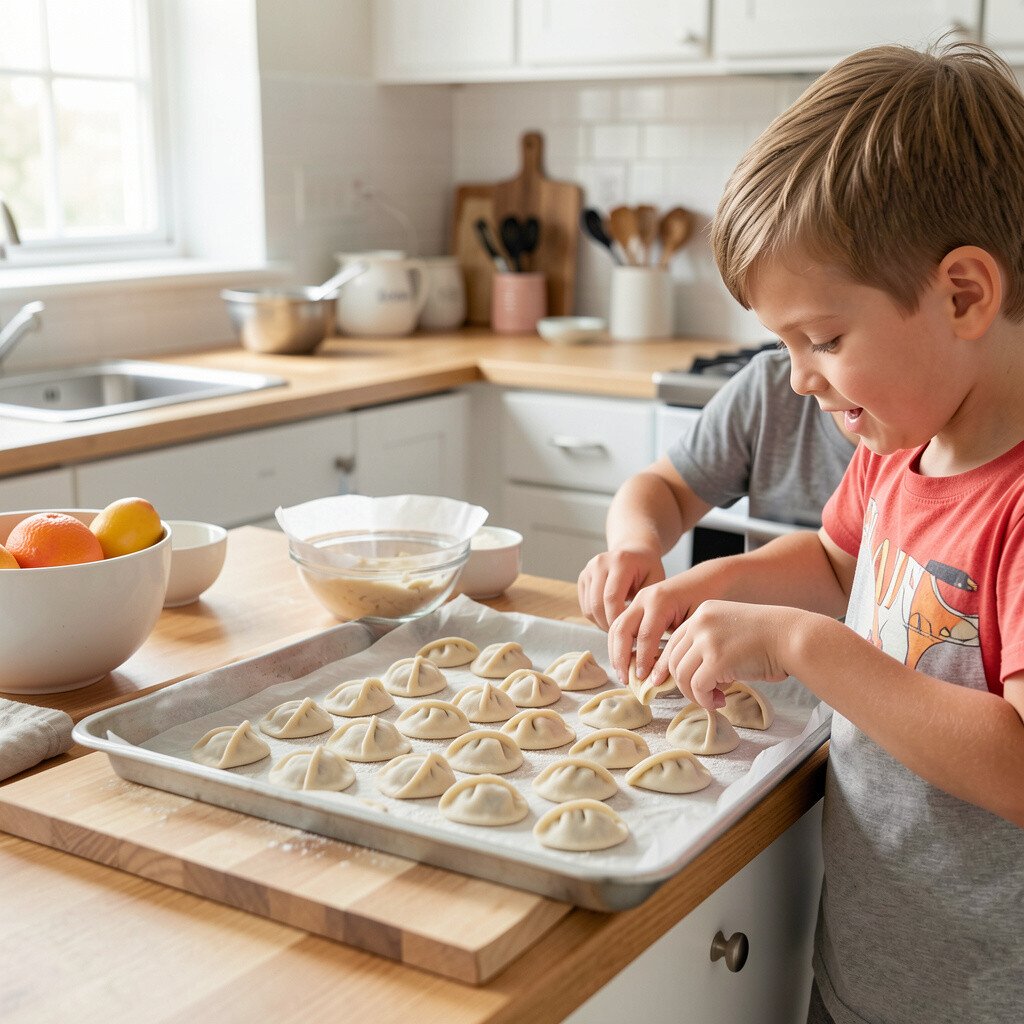
16. Fold and Fill Mini Dumplings
Fold and Fill Mini Dumplings
Use store-bought dough rounds or dumpling wrappers for a simple folding challenge. Kids can spoon filling into the center and practice sealing the edges.
Hand skills improve fast with folding, and kids also learn patience while waiting for cooking. For practical tips, keep a small damp cloth nearby to help wrappers stay pliable.
Personalize by making different filling themes, like chicken and veggie or sweet fruit. Cost-wise, wrappers are often affordable, and the filling can be whatever you have.
17. Make a Whipped Topping Swirl Station
Make a Whipped Topping Swirl Station
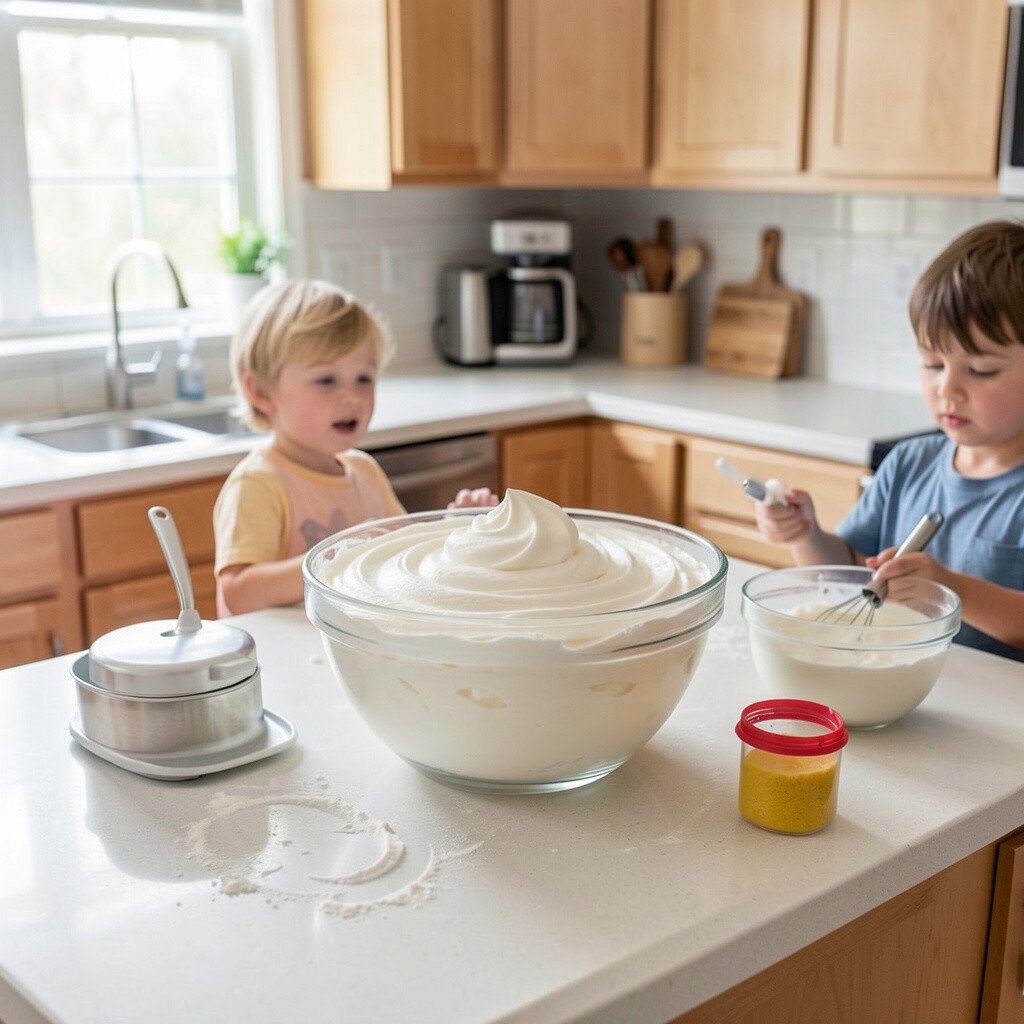
Let kids whip cream with a hand mixer if it’s age-appropriate and supervised. They can sprinkle flavors in, like vanilla, cocoa, or a fruit puree.
Whipping is a fun way to learn how texture changes, which helps kids understand science through play. Use a stable bowl and warm utensils if needed so the process moves smoothly.
Uniqueness is easy because each child can create their own swirl name. This is also a current favorite for dessert tables because it looks great on cakes, waffles, and fruit bowls.
18. Assemble “Math” Fruit Skewers
Assemble “Math” Fruit Skewers
Provide fruit cubes and a skewer, then ask kids to build patterns like two grapes and one strawberry. They can repeat patterns until their skewer is full.
This strengthens number sense and improves planning skills in a hands-on way. Practical tips include soaking skewers briefly if you’re using wooden ones and pre-cutting slippery fruits for safety.
Personalize the patterns for birthdays, team colors, or favorite cartoon shapes. Cost considerations are manageable since fruit skewers use small pieces and reduce leftover portions.
19. Bake a Simple Cupcake Decision Party
Bake a Simple Cupcake Decision Party
Let kids choose cupcake liners, mix-ins, and toppings before baking. They can press sprinkles or add chocolate chips with a careful pinch.
This builds confidence because they’re making real choices that affect the final result. For practical tips, pre-measure batter and let kids handle the decorating while you manage the oven.
Uniqueness comes from creating flavor themes, like “campfire,” “tropical,” or “stargazer.” Current trends include easy batch baking with kid-led decorating, and cupcakes are perfect for sharing the spotlight.
Keep costs in check by using store-brand mixes, seasonal fruit, and simple toppings instead of fancy extras.