12+ Preschool Gifts Vs Traditional Toys For Learning Fun
Some playthings teach without feeling like school. The best choices spark curiosity while keeping little hands busy.
This guide compares preschool gifts with traditional toys, with learning goals built in. You will find practical ways to use each one at home or in class.
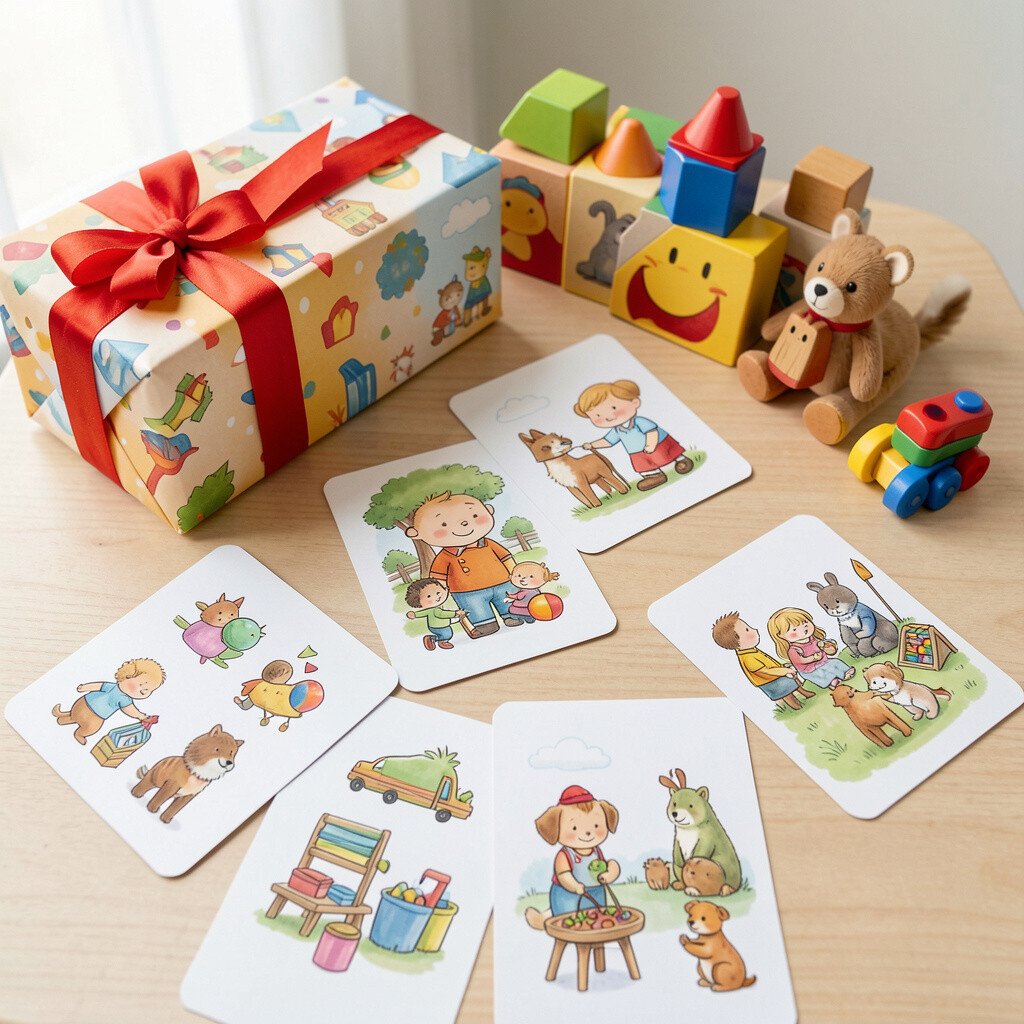
These cards show bright scenes like a bunny in a garden or a rocket flying past clouds. A child can look at the picture and tell a story using a few gentle prompts.
They strengthen language skills, sequencing, and confidence speaking in front of others. For variety, pick cards with different settings, seasons, and characters so the child practices new vocabulary. Keep sessions short and sweet by choosing only two cards at a time.
2. Magnetic Letters and Sound Tiles
Magnetic Letters and Sound Tiles
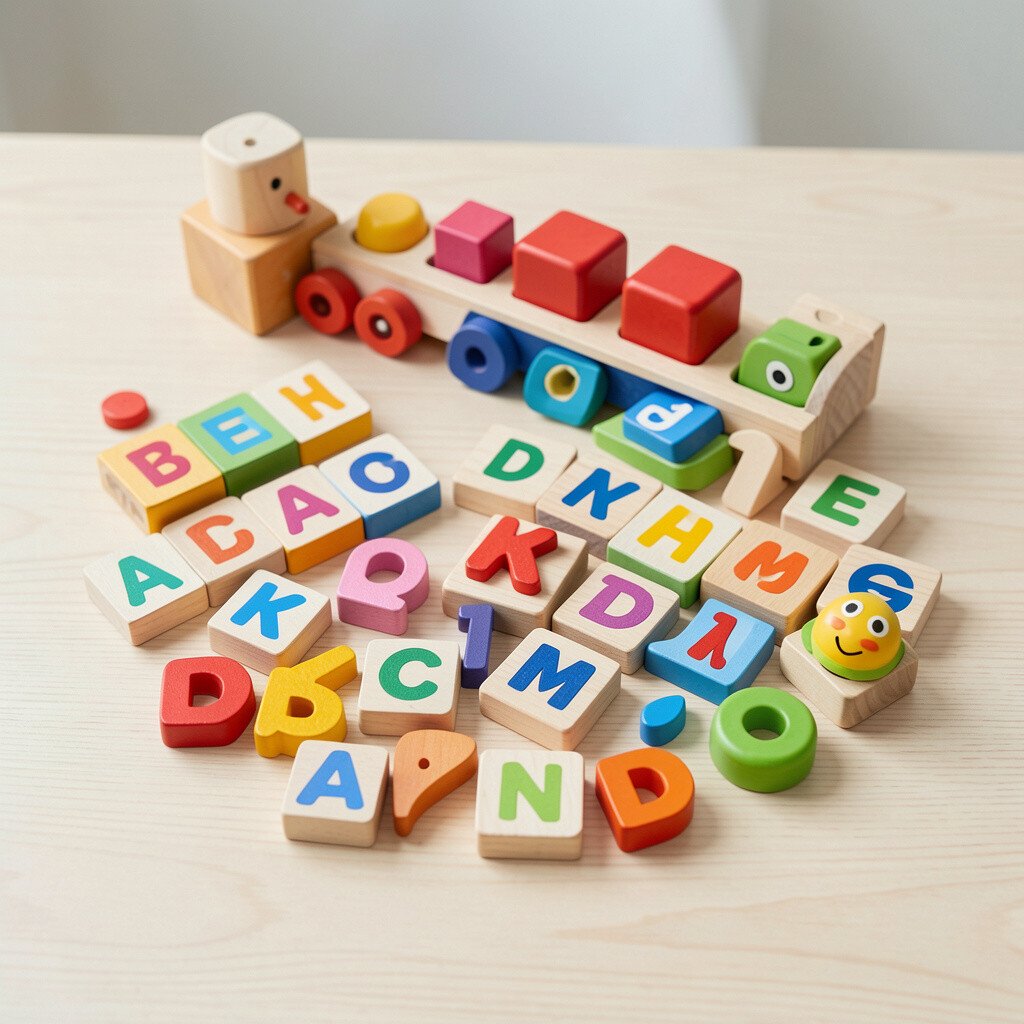
Think of colorful letters that stick to a board with satisfying clicks, plus tiles for matching sounds. You can see words forming in seconds, like “cat,” “sun,” or “mom,” and the board stays neat.
This gift helps kids learn letter shapes and simple phonics through hands-on building. It also supports fine-motor control because fingers place each piece carefully. Try pairing one letter with a favorite object the child names, like “B” for “boat” or “S” for “star.”
3. Nature Scavenger Basket
Nature Scavenger Basket
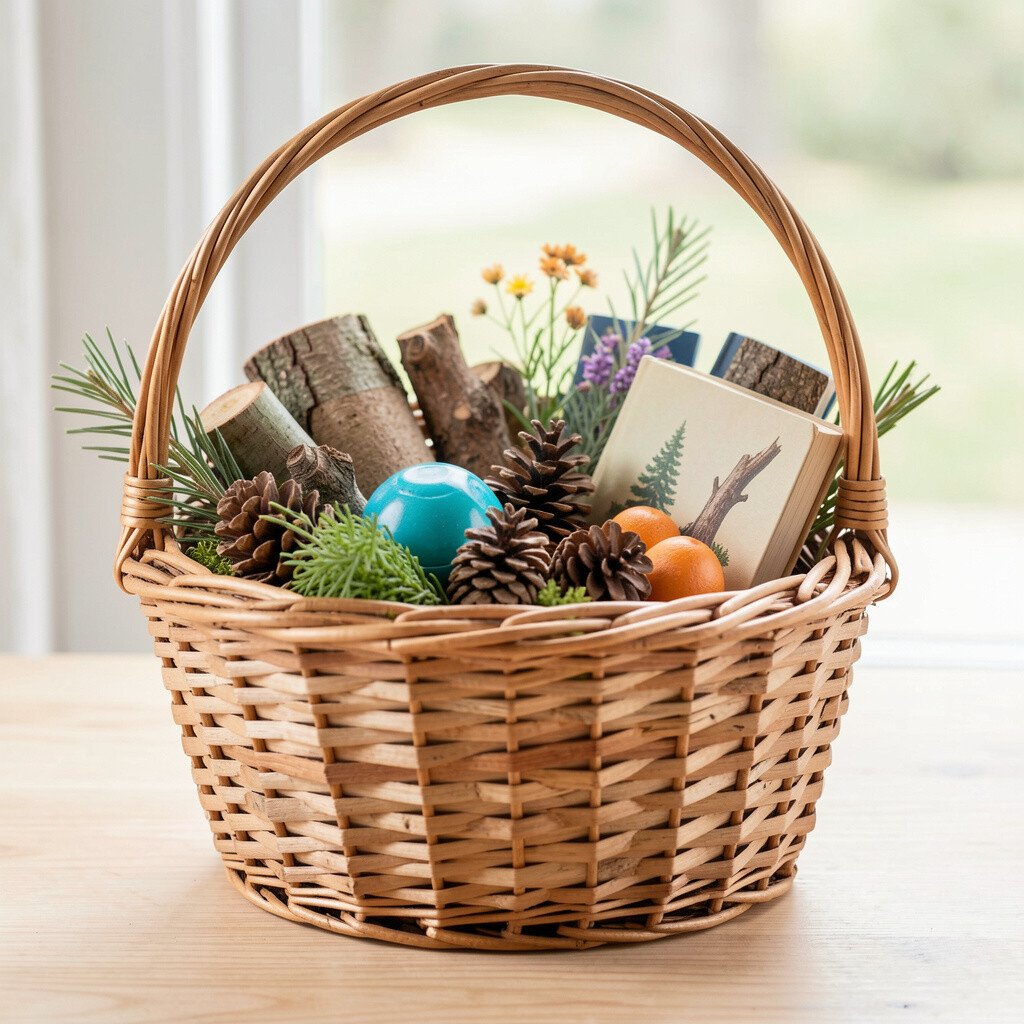
A basket packed with safe tools and small containers invites outdoor noticing in a calm way. You might include a magnifier, a soft brush, and a few labeled sample jars.
It builds science thinking by helping children compare textures, colors, and patterns. You get real-world practice with sorting and observation while staying grounded and practical. For personalization, match the basket to your local area so the child searches for things they actually see.
If budget is a concern, use items you already own and add only one special tool like a magnifier. A trend right now is simple “micro adventures,” where kids collect tiny natural finds and then safely release them. Take photos of the finds so learning continues even when you come back indoors.
4. Number-Rolling Dice With Frames
Number-Rolling Dice With Frames
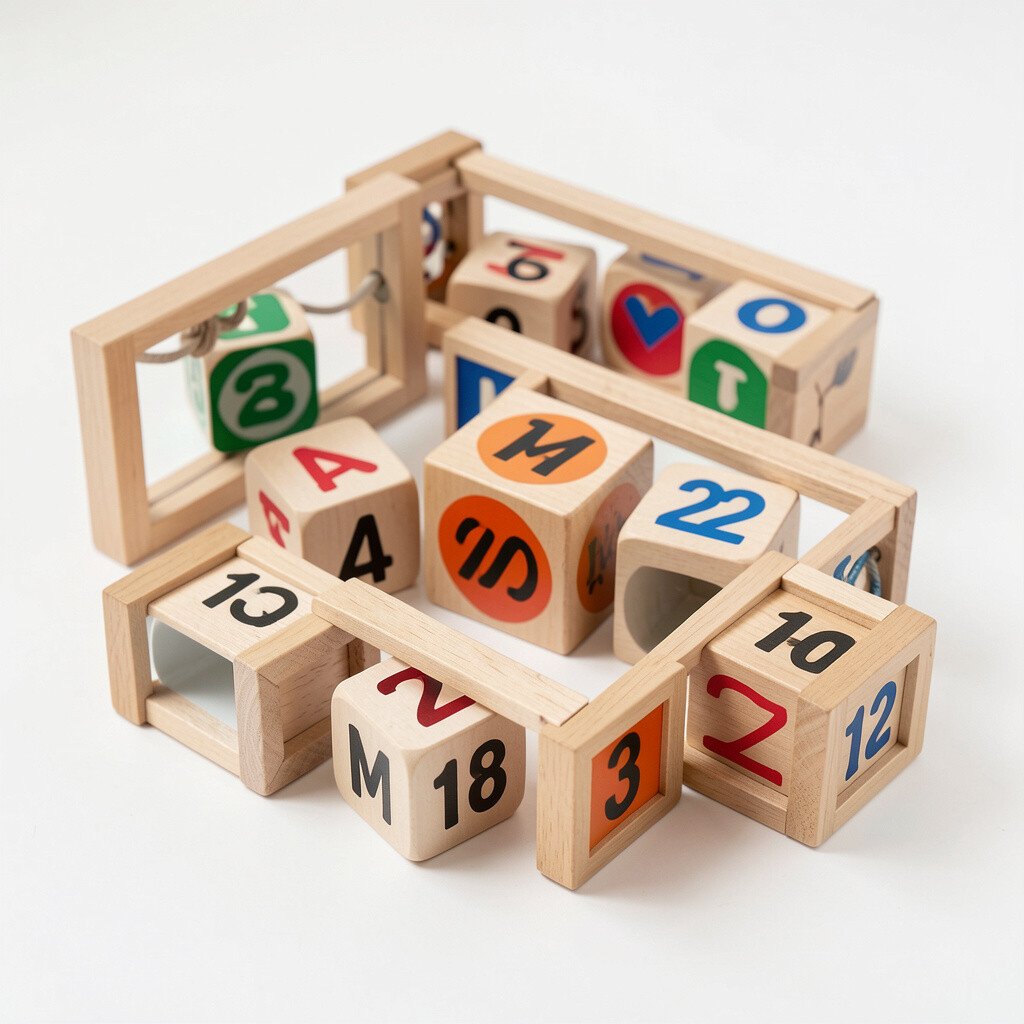
Picture chunky dice that show dots inside big clear frames, plus sturdy number cards that sit upright. Kids roll, then place counters on the frame to show the count they see.
It supports early math, one-to-one counting, and number recognition without worksheets. You can make it social by letting each child roll one time and describe what happened in their own words. For cost control, choose a set that includes a storage box so pieces stay together and last longer.
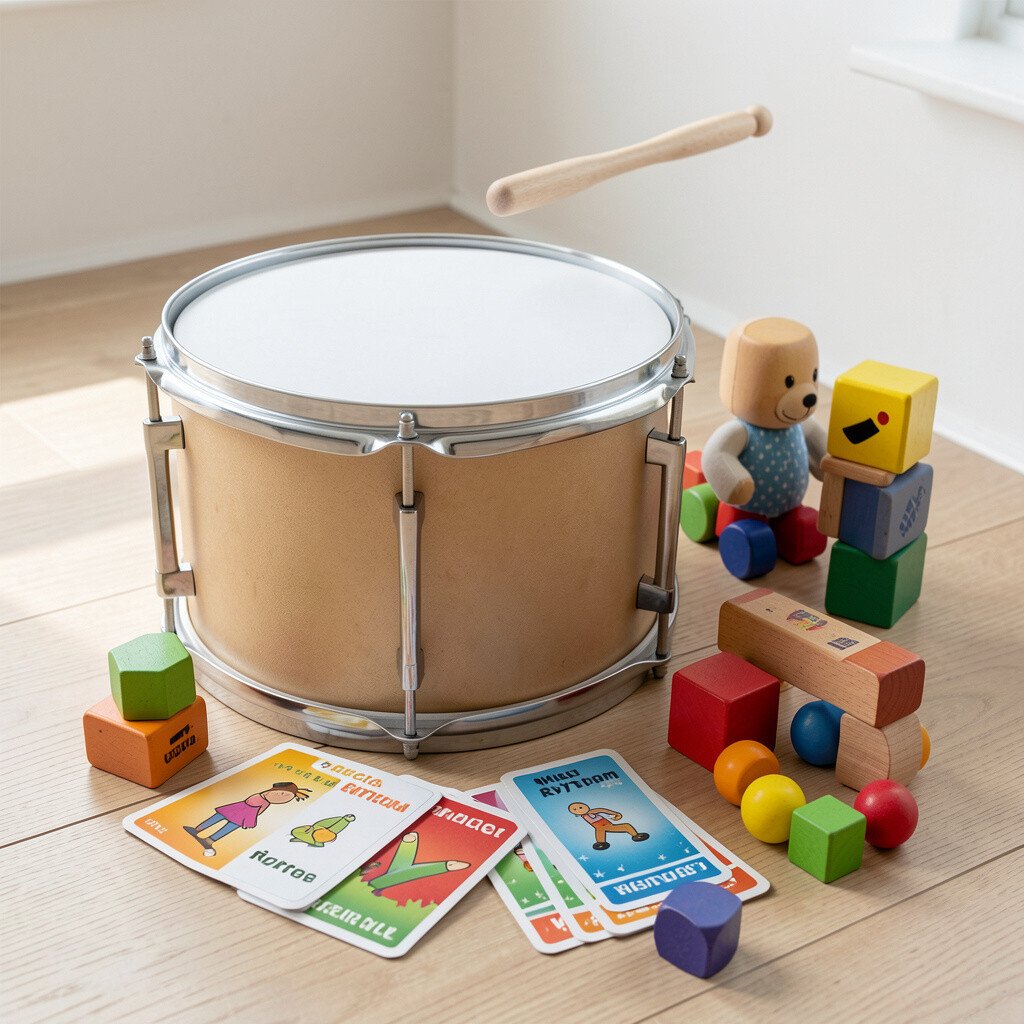
A small drum with a comfortable strap feels bold and fun, like a mini band kit at home. Tempo cards show big shapes that match fast or slow beats, making rhythm easy to copy.
Kids learn timing, listening skills, and coordination while they imitate the patterns they see. It also gives a safe outlet for big energy because tapping becomes part of play, not a problem. For personalization, tune the tempo cards to songs the child already loves, like clap-along tunes or nursery rhymes.
Many families are choosing “screen-free music” tools because they keep children engaged without distractions. If you want to spend less, a sturdy hand drum or even a repurposed plastic container with a good grip can work well. Just supervise closely and use soft mallets for safe play.
6. Emotion-Face Feelings Wheel
Emotion-Face Feelings Wheel
A wheel with movable arrows and friendly face expressions makes mood talks easier. Kids can spin it and point to feelings like happy, worried, proud, or silly.
This gift supports social-emotional learning by helping children name emotions and talk about causes. It also encourages calm problem-solving during conflicts because the child can choose words instead of just acting out. Try asking gentle questions like what the face could be feeling in a story, then connect it to a real moment from the day.
To make it personal, add simple drawings of family members or common situations, such as brushing teeth or sharing toys. A budget-friendly approach is using a printable wheel style on thick paper and covering it with clear contact paper. The trend in classrooms is using emotion tools during transitions so kids feel ready for the next activity.
7. Shape-Sorting Light-Up Blocks
Shape-Sorting Light-Up Blocks
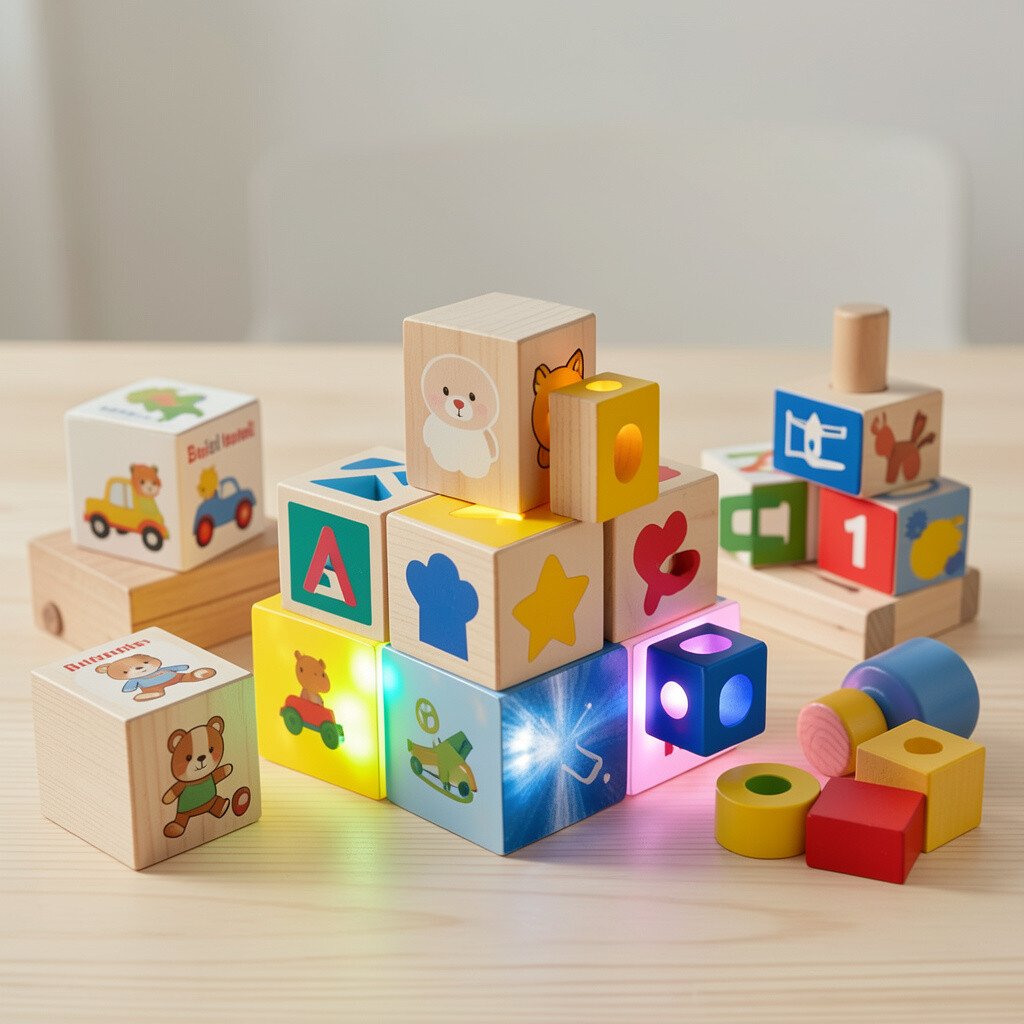
Imagine blocks with glowing pieces that click into matching shape slots, turning mistakes into a fun feedback moment. The lights can be bright enough to catch attention but gentle enough for calm play.
They build spatial reasoning and shape recognition through tactile learning. The “snap and glow” effect also helps keep kids motivated, especially when they are learning patience. For practical setup, clear a small play area and keep only one shape type on the mat at a time.
Instead of buying a huge set, consider a smaller starter bundle and add one new shape every few weeks. Many families choose block systems because children can combine them into simple builds, not just sort. You can personalize by using stickers on the outside of the blocks so kids remember which shapes they are learning.
8. Build-Your-Own Story Magnet Scenes
Build-Your-Own Story Magnet Scenes
These magnetic sets include characters and background pieces, like trees, houses, and roads, all sized for preschool hands. Kids move the figures around and build scenes that look like their own mini movies.
They support narrative skills and cause-and-effect thinking as children act out beginnings and endings. Each time a child rearranges pieces, they practice planning and reworking ideas. A practical tip is to set a “scene goal,” such as making a character find a friend, then let the child build until the story makes sense.
For personalization, let the child choose one real memory to turn into a scene, such as a trip to the park. Traditional toys may include generic figures, but this kind of gift often includes story-friendly accessories that make learning feel natural. If cost is a concern, start with backgrounds first, then add one character set at a time.
9. Fraction-Free Baking Play Sets
Fraction-Free Baking Play Sets
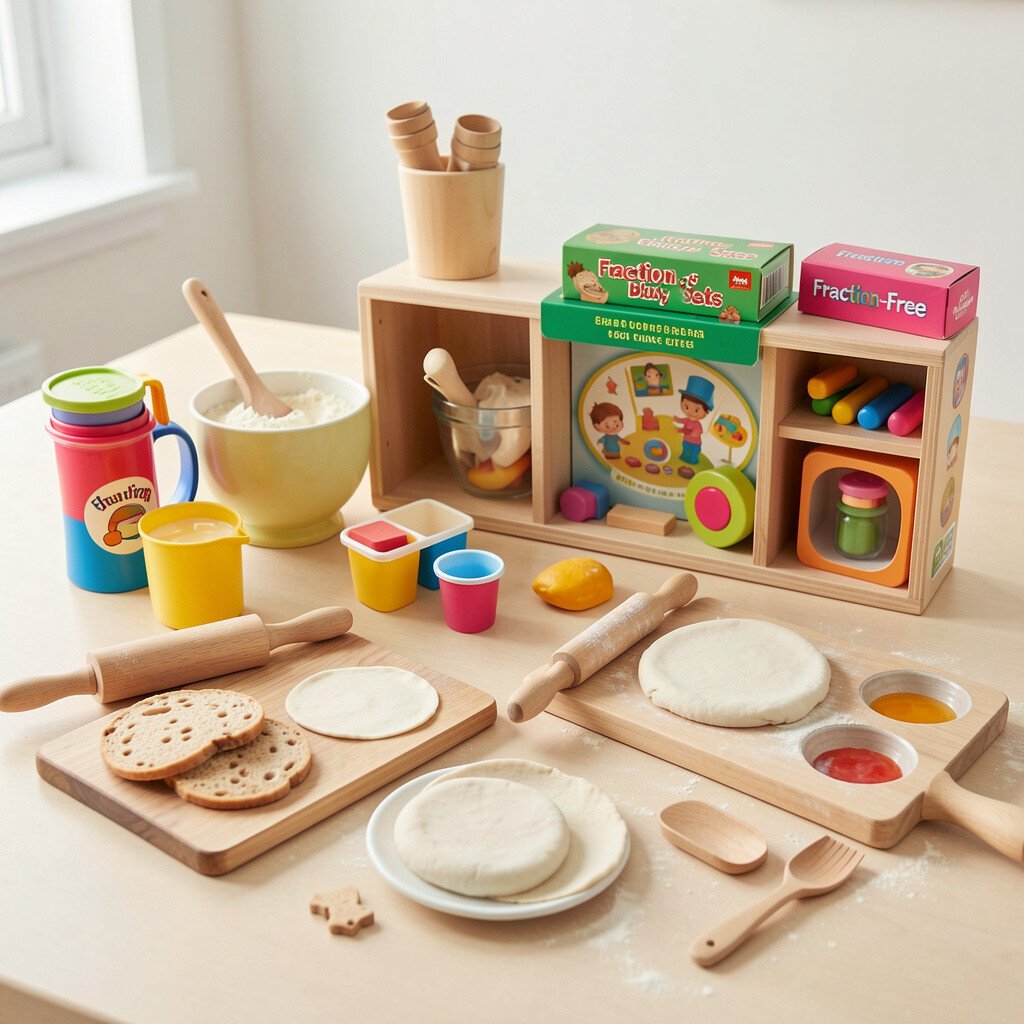
Visualize a pretend baking station with plastic measuring cups, safe mixing bowls, and cookie cutters. Kids can “measure” scoops, pour, and press dough shapes that look good enough for a pretend snack photo.
This gift builds counting, measurement language, and sequencing through a familiar activity. It also strengthens motor skills because scooping, pouring, and stamping require careful hand control. Try a simple routine with consistent steps, like measure, mix, pour, then cut, so children learn the order of tasks.
Personalization is easy because you can choose themes that match the season, like pumpkins in autumn or heart cookies in spring. Even traditional kitchen toys work, but a play set designed for preschool often has safer grips and clearer sizes. For cost, use one “core” baking kit and borrow or swap extra accessories with other families.
Current trends show more families using pretend play to make learning feel meaningful instead of timed. When you bake something real, the child can compare the pretend steps to the real ones and feel proud of what they already know.
10. Cause-and-Effect Marble Run Starter
Cause-and-Effect Marble Run Starter
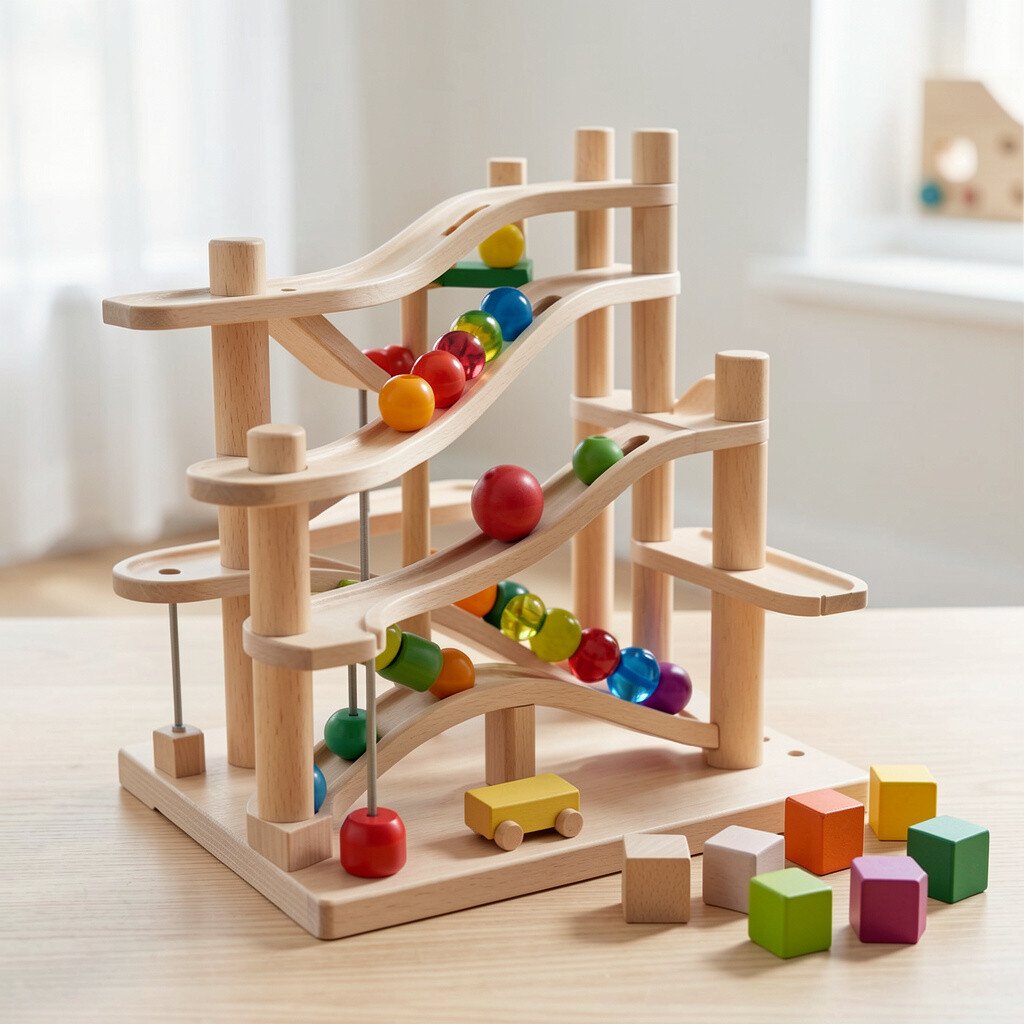
Picture a compact track with tunnels, ramps, and colorful balls that roll and clack as they travel. Kids can watch what happens when they change the angle or add a new gate.
This gift strengthens problem-solving and early physics thinking like gravity and motion. It also supports persistence because many builds need a few tries before the run works smoothly. A practical tip is to ask, “What do you think will happen if we lower the ramp?” then let the child test their guess.
11. Writing-Trace Rollers With Patterns
Writing-Trace Rollers With Patterns
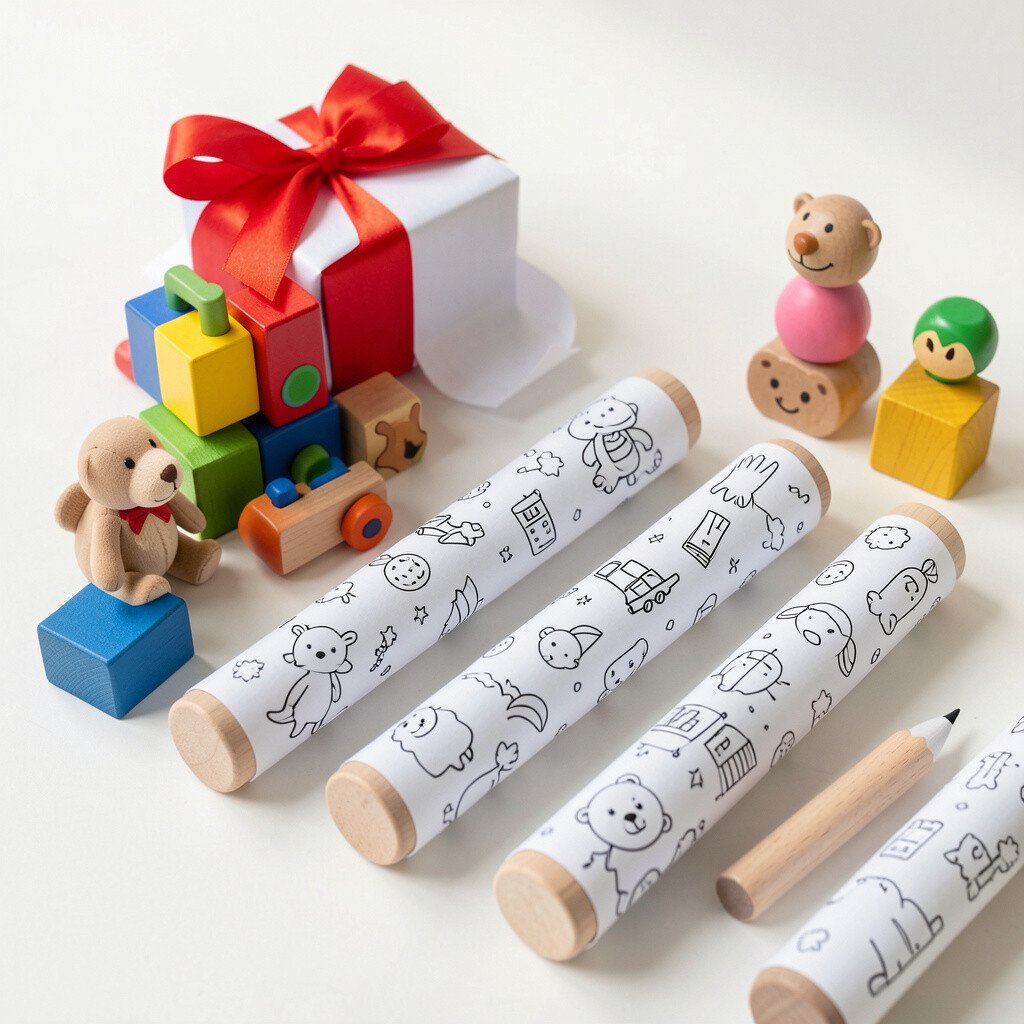
A roller kit can create repeating lines, spirals, and wavy shapes, leaving crisp patterns on paper. You can see the design appear one pass at a time, like art being printed by the child’s own hands.
It helps pre-writing skills such as hand control, directionality, and grip without feeling like a worksheet. Kids also get instant feedback because the marks show clearly whether they are following the pattern. For personalization, choose themed pages like dinosaurs, stars, or letters in the child’s name.
To manage cost, buy a small set of rollers and use it across multiple types of paper, including plain cardstock. Many parents are choosing reusable pattern tools because they reduce paper waste and keep supplies tidy. If a child is new to writing, start with thick markers or crayons for smooth results.
Traditional writing practice can feel stressful, but pattern rollers often make it playful, turning practice into creation.
12. Sensory Bins With Buildable Tools
Sensory Bins With Buildable Tools
Imagine a bin filled with safe sand, soft beads, or kinetic gel, plus tiny shovels and funnels that fit the hands. Kids can pour, scoop, and build small “cities” that look neat even after the mess.
These sensory gifts support learning through touch, sorting, and language as kids describe what they feel. They also help children regulate emotions because sensory input can be calming and focusing. Use a simple rule for pickup, like keep one tool in the bin and put the scoop back after each turn.
Personalize the sensory experience by matching it to a theme, such as ocean bins with blue scoops or farm bins with animal molds. Cost considerations are important here, so choose one sensory base and reuse it with washable tools. A current trend is “sensory curriculum,” where bins pair with short activities like letter-finding or counting hidden objects.
13. Traditional Blocks Upgraded With Learning Prompts
Traditional Blocks Upgraded With Learning Prompts
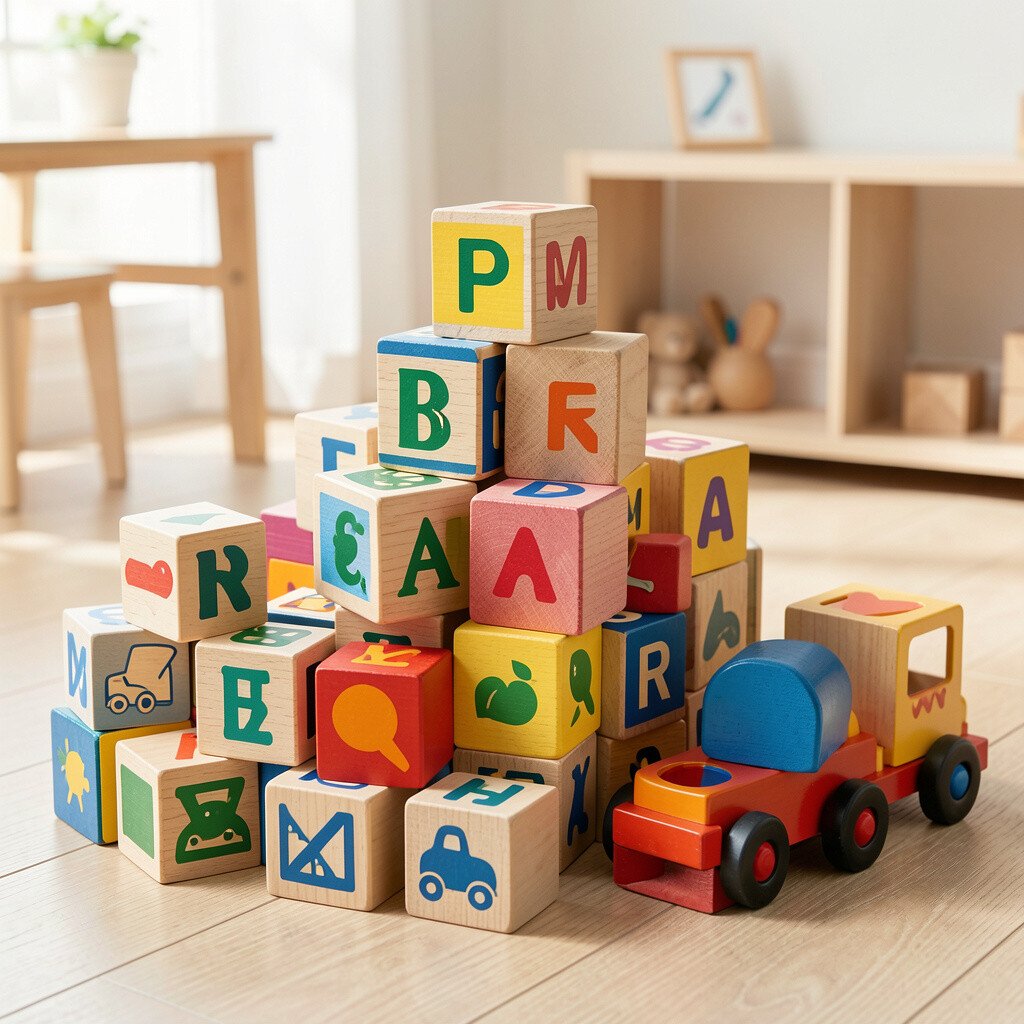
Classic wooden or foam blocks already feel familiar, but adding prompts makes them teach more. You can see towers rise higher when kids follow simple goals, like build a bridge long enough for a toy car.
This approach keeps the comfort of traditional play while turning it into active learning. It supports spatial thinking, early engineering habits, and vocabulary like tall, wide, heavy, and balance. Practical tips include setting a build time limit and using real objects as “testers,” such as a small ball rolling over a ramp.
To personalize, connect builds to the child’s interests, like dinosaur forts or cozy houses for action figures. Even if you already own blocks, you can keep the learning fresh by changing the prompt each session. Cost is usually low compared to new toys because you are using what you have, just with purposeful play.
Parents are increasingly choosing “guided free play,” where children lead the building while adults offer flexible prompts. With the right cues, traditional blocks can become a daily learning tool that never feels like a task.