13+ Building Blocks Preschool Gifts For Creative Fun
Small hands can build big ideas with the right set of blocks. With the right mix of shapes, textures, and silly challenges, playtime turns into confident creativity.
From quiet stacking to wild imagination games, these gifts help children practice skills while having a blast. Each pick below includes practical ways to use it, plus simple personalization ideas that make it feel special.
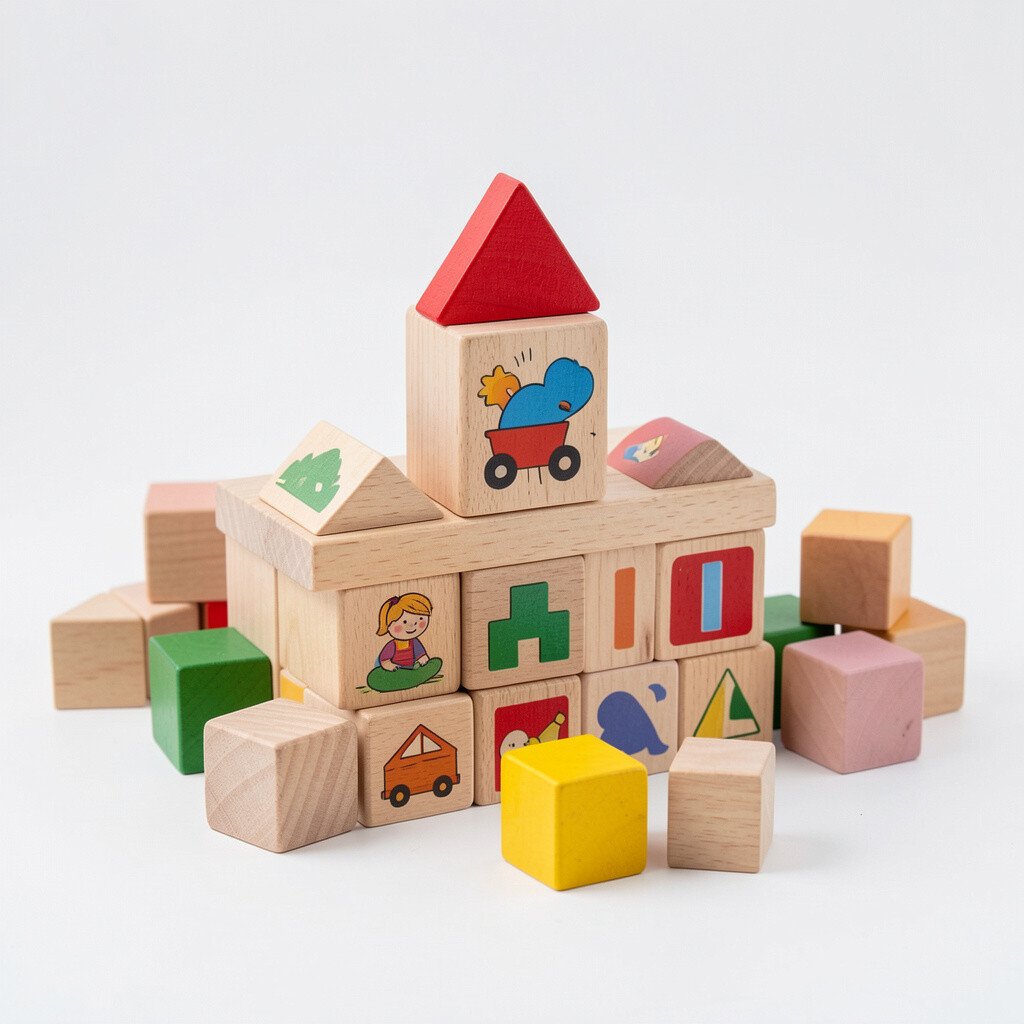
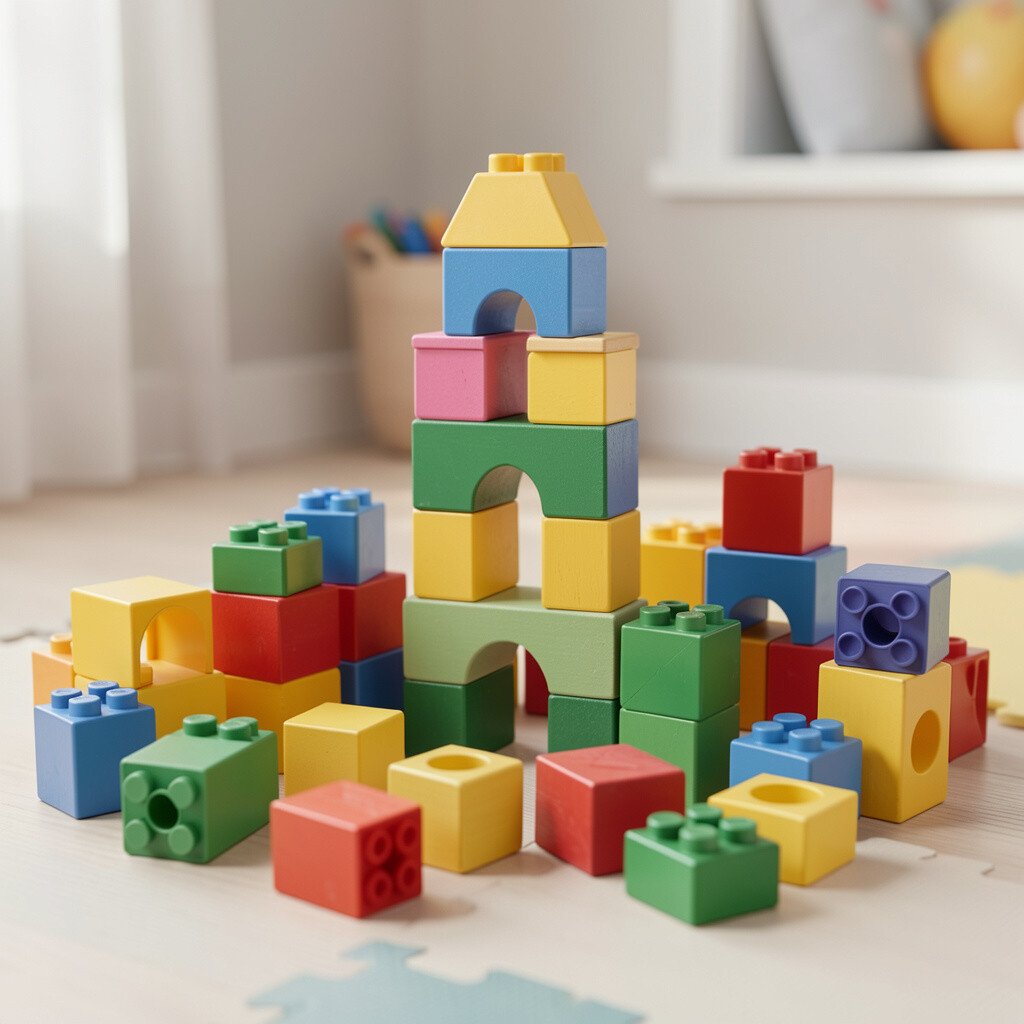
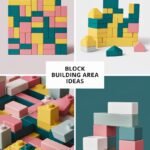
Picture a warm wooden box opening to reveal smooth blocks in soft colors and gentle curves. The sight of towers rising and the sound of pieces clicking together feels calm and satisfying.
Wooden blocks build hand strength, balance, and early problem solving as kids learn how to stack, sort, and rebuild. For quick success, start with big rectangles and squares, then move toward smaller pieces once your child can control their grip.
To personalize, add a small sticker label on the inside lid with your child’s name and a favorite picture. If you want to fit different budgets, consider a smaller set first, then add a few matching pieces over time when you find them on sale.
Current play trends lean toward natural materials and open-ended building, and wooden sets match that mood perfectly. They also work well for classroom style free play, so they feel timeless rather than trendy.
2. Magnetic Tile Building Set
Magnetic Tile Building Set
Imagine bright tiles that snap into place like little puzzles, creating flat walls and mini “city skylines.” When magnets pull pieces together, the results look neat even during fast play.
These sets strengthen fine motor skills and improve spatial thinking because children learn angles, patterns, and how to fix mistakes. A practical start is letting your child copy simple shapes on the floor, using a mat to keep pieces in a clear play zone.
For personalization, attach a fabric ribbon ribbon marker to the storage tray so it becomes “the building garage” for your child. You can also write an easy theme list on paper, like animals, trains, or space, and let your child pick one each week.
3. Soft Foam Blocks For Tummy-Friendly Play
Soft Foam Blocks For Tummy-Friendly Play
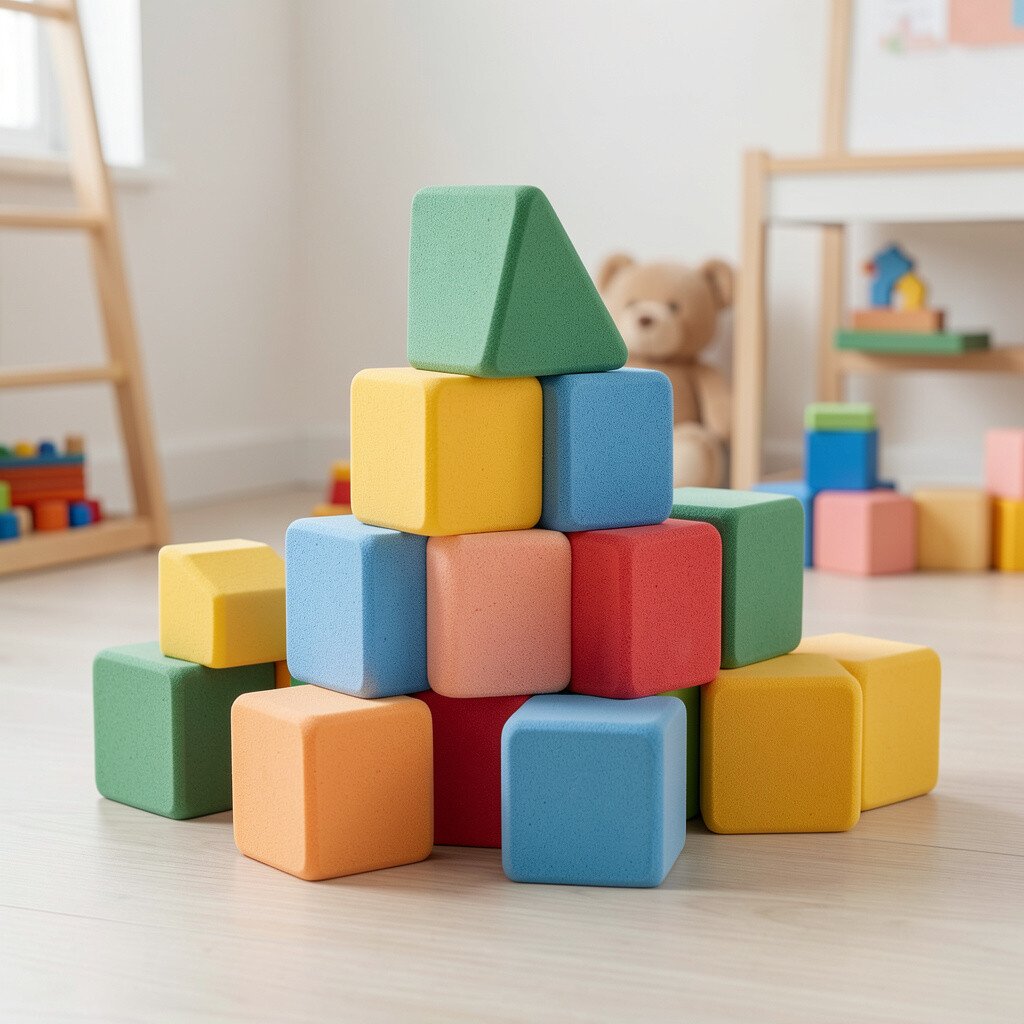
Think about big, comfy foam blocks in playful colors that are light, safe, and easy to carry. They look like oversized cushions that can become ramps, caves, or chunky forts.
These blocks are great for floor play because they reduce the worry of hard falls and allow kids to build while practicing balance. Try a simple ramp challenge where your child builds a slope and rolls a ball down to watch what happens.
To personalize, cut a small cloth patch in your child’s favorite character shape and stitch it onto a foam piece so it becomes “the hero block.” You can also store them in a matching tote bag to turn cleanup into a game.
Foam sets follow the current trend of safer indoor play, especially for younger ages who like to move while building. They also make a wonderful gift for kids who prefer cuddly textures over rigid items.
4. Glow-In-The-Dark Building Bricks
Glow-In-The-Dark Building Bricks
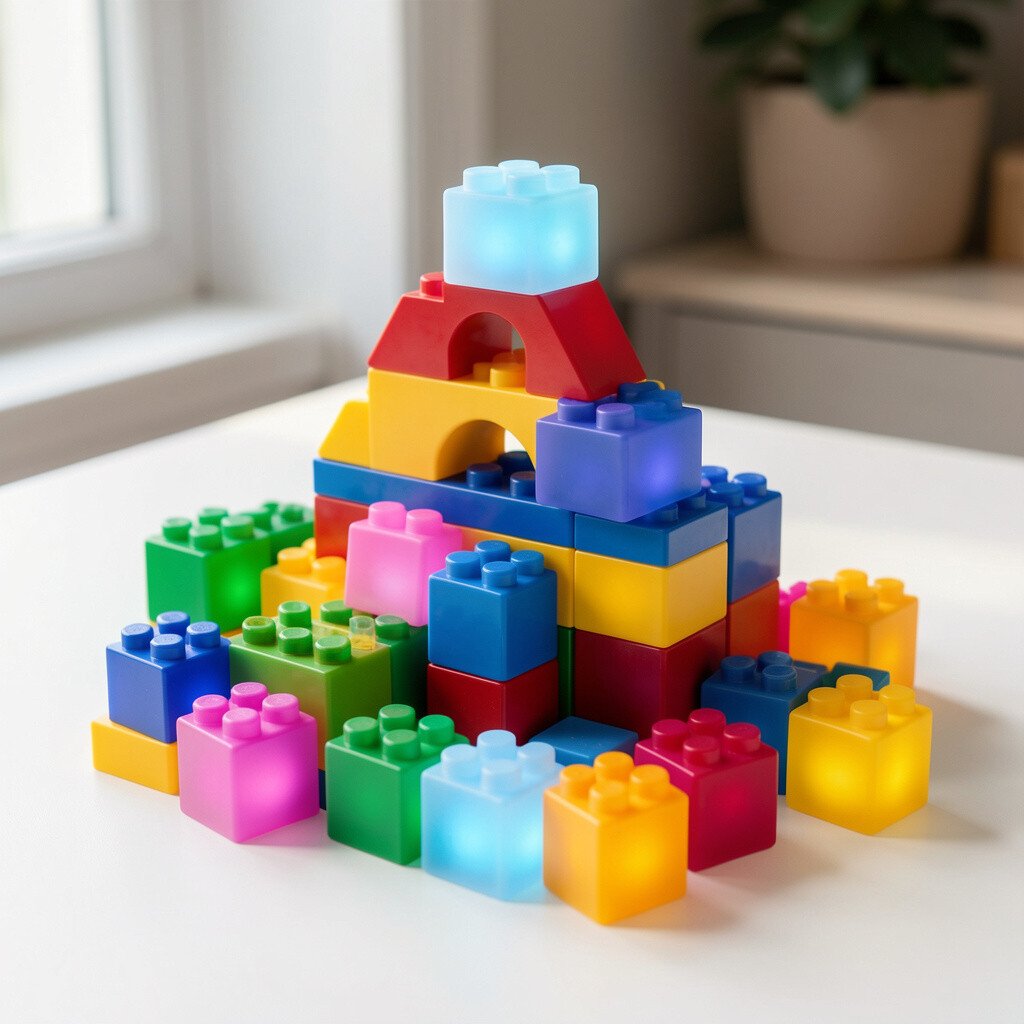
Picture bricks that look ordinary in daylight, then shimmer softly in the dark like tiny stars. After charging under a lamp, the glow makes any structure feel magical.
Glow-in-the-dark bricks add a fun sensory twist that keeps attention longer, and they encourage cooperative play when children build glowing “night cities.” For practical use, charge the pieces before storytime and set a timer so the glow becomes a planned activity, not a waiting game.
To personalize, pair the glow pieces with a flashlight shaped like a rocket or moon so your child can shine “search beams” across their builds. If you care about cost, watch for smaller starter packs that can be expanded with additional bricks later.
Parents love that these sets fit the current trend of nighttime calm play, especially when paired with gentle music. They also make imaginative themes, like underwater caves or dragon lairs, feel extra real.
5. Animal-Shaped Blocks And Scene Makers
Animal-Shaped Blocks And Scene Makers
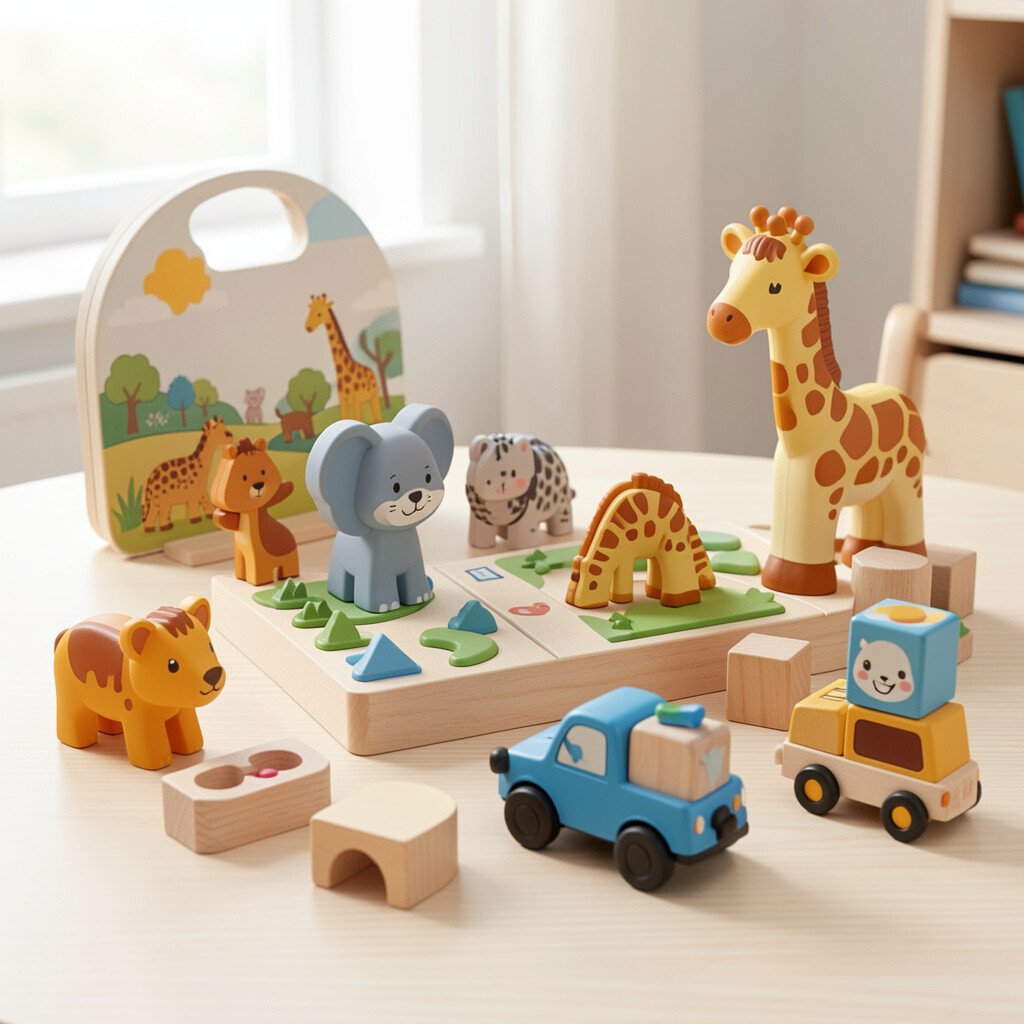
Visualize blocks shaped like trees, rocks, and friendly animals that make scenes instead of just towers. The look is instantly storybook-like, with pieces that invite role play right away.
Animal-shaped sets help children practice categorizing and early vocabulary while they build a “habitat” or “farm.” A practical tip is to keep a small tray of toy animals nearby so your child can match block shapes to creature ideas.
For personalization, choose a theme based on your child’s current interests, like dinosaurs or ocean life, and add two or three custom stickers on the storage box lid. Even a simple family photo on a card tucked into the box can make the gift feel warmer.
Many parents are choosing themed building gifts because they feel more meaningful than plain pieces. They also work well for group play, since children can each build a different part of the scene.
6. Alphabet And Number Block Set
Alphabet And Number Block Set
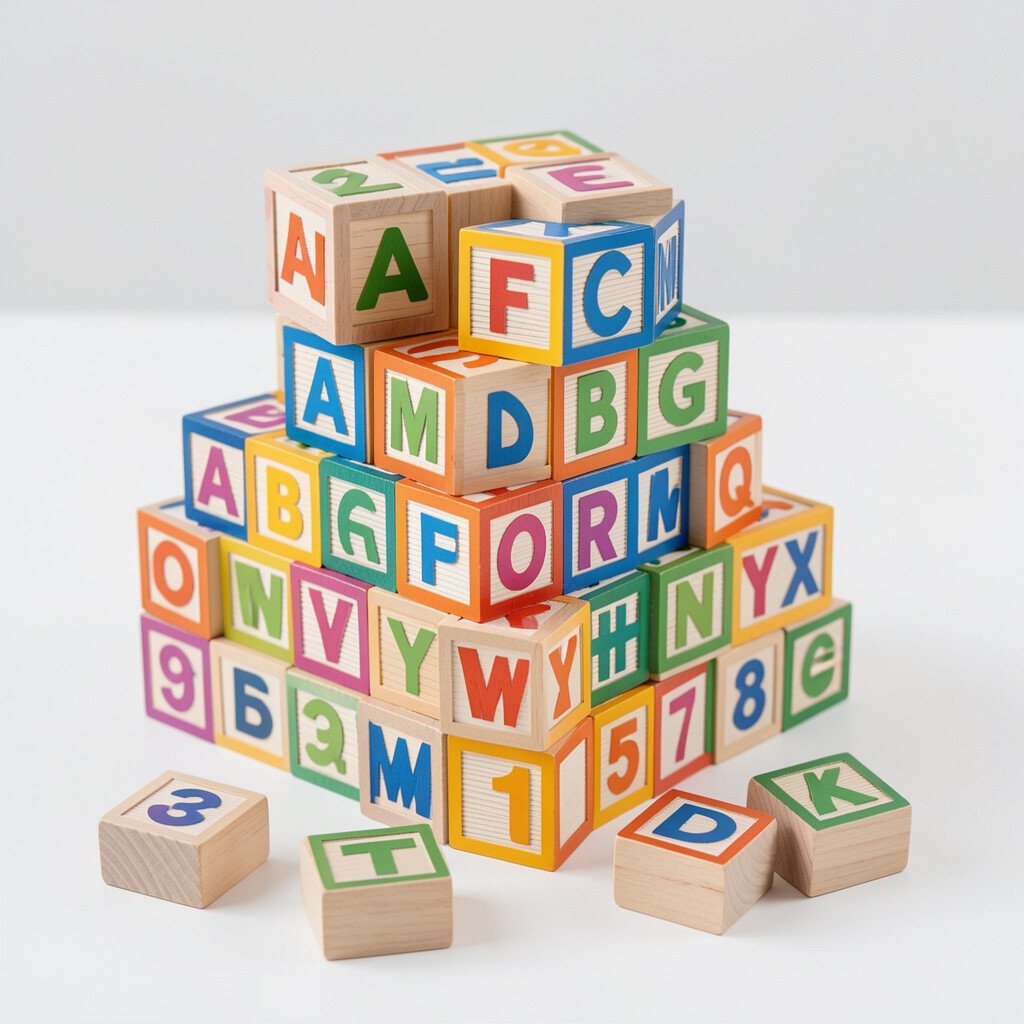
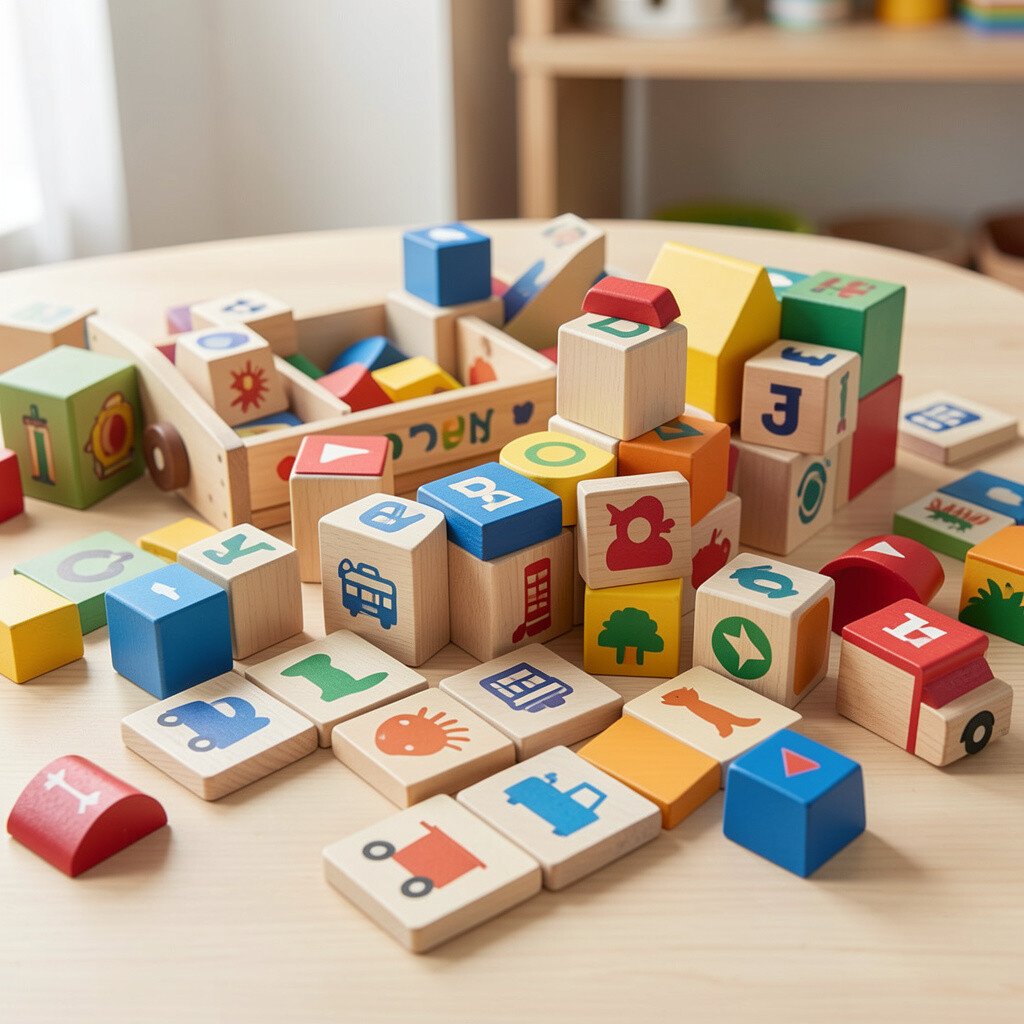
Imagine blocks with bold, readable letters and numbers printed clearly enough to spot from across the room. Each piece looks friendly and colorful, almost like a set of sturdy learning cards.
These blocks encourage early literacy and number sense through hands-on play, not worksheets. For practical success, build the child’s name first, using the letters they use most, and then move on to simple words like “cat” or “bus.”
To personalize, create a small “word wall” card and tape it to the storage bin so your child can match letters while building. Consider cost by choosing whether you need complete alphabets now or a smaller set that can grow later.
Current classroom trends support learning through play, and alphabet blocks fit that style perfectly. They also make it easy to switch from building to speaking and storytelling in one session.
7. Building Blocks With Wheels And Vehicles
Building Blocks With Wheels And Vehicles
Picture blocks that include wheels, axles, and vehicle parts so your child can build cars, trucks, and moving contraptions. The look is playful and engineering-like, with chunky parts that feel satisfying to snap together.
Vehicle block sets develop coordination and cause-and-effect thinking when kids push, roll, and adjust their builds. A practical tip is to begin with a simple “rolling circle” track made from tape lines so children can test their vehicles safely indoors.
To personalize, add a small paper number or name tag to each vehicle so your child can organize a mini fleet. If you’re watching cost, look for sets that include multi-use wheel pieces so they work with regular blocks too.
8. Stackable Cup And Block Hybrid Set
Stackable Cup And Block Hybrid Set
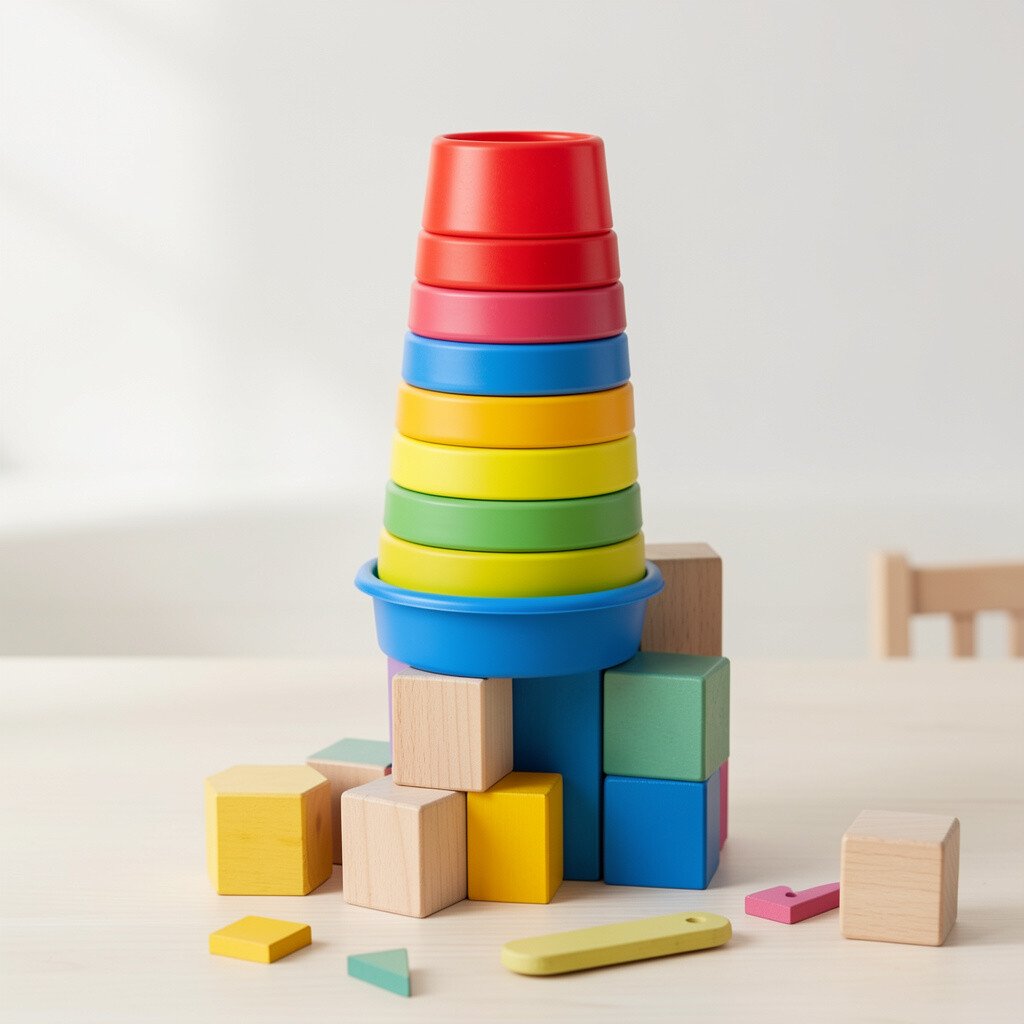
Imagine sturdy cups that stack and lock with block pieces, creating towers that feel both architectural and fun. The visual is a mix of cylindrical shapes and flat parts that make building feel fresh.
This hybrid style helps children practice early engineering while also learning sequencing, like stacking layers in the right order. For practical use, encourage a “two-step build” where they stack cups first, then place blocks on top for a safe structure.
To personalize, color-code the cups with washable marker dots and match each dot to a small build goal like “tall tower” or “wide base.” For cost considerations, hybrid sets can replace multiple toys because they combine different play functions in one storage box.
Parents often like these because they align with the current trend of compact learning toys that still feel open-ended. They also work great for gifts because kids can start playing immediately without needing lots of extra accessories.
9. Building Blocks With Pattern Cards
Building Blocks With Pattern Cards
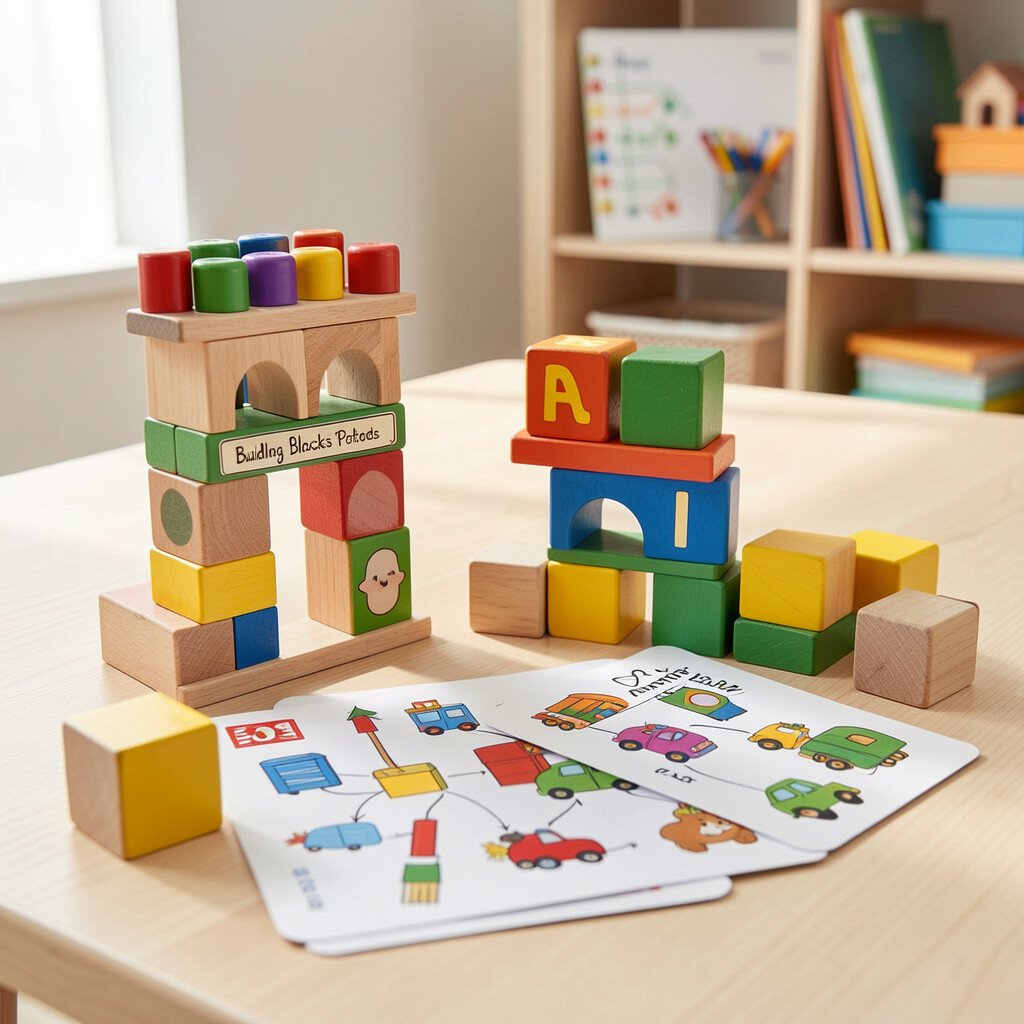
Think about colorful cards that show simple patterns, like a rainbow spiral or a checker path, and then the matching blocks to build them. The visual is clear and friendly, guiding kids without taking over the play.
Pattern card sets boost early planning skills and strengthen attention as children follow steps, then create variations. A practical tip is to keep the cards in a stand where your child can see them during building, but still have room to invent beyond the picture.
For personalization, add a small pocket in the box with your child’s favorite photo cutout so it becomes the “pattern star.” If you want a budget-friendly option, choose cards that cover many levels or themes so the set stays interesting for longer.
10. Mini Building Bricks For Pocket-Sized Adventures
Mini Building Bricks For Pocket-Sized Adventures
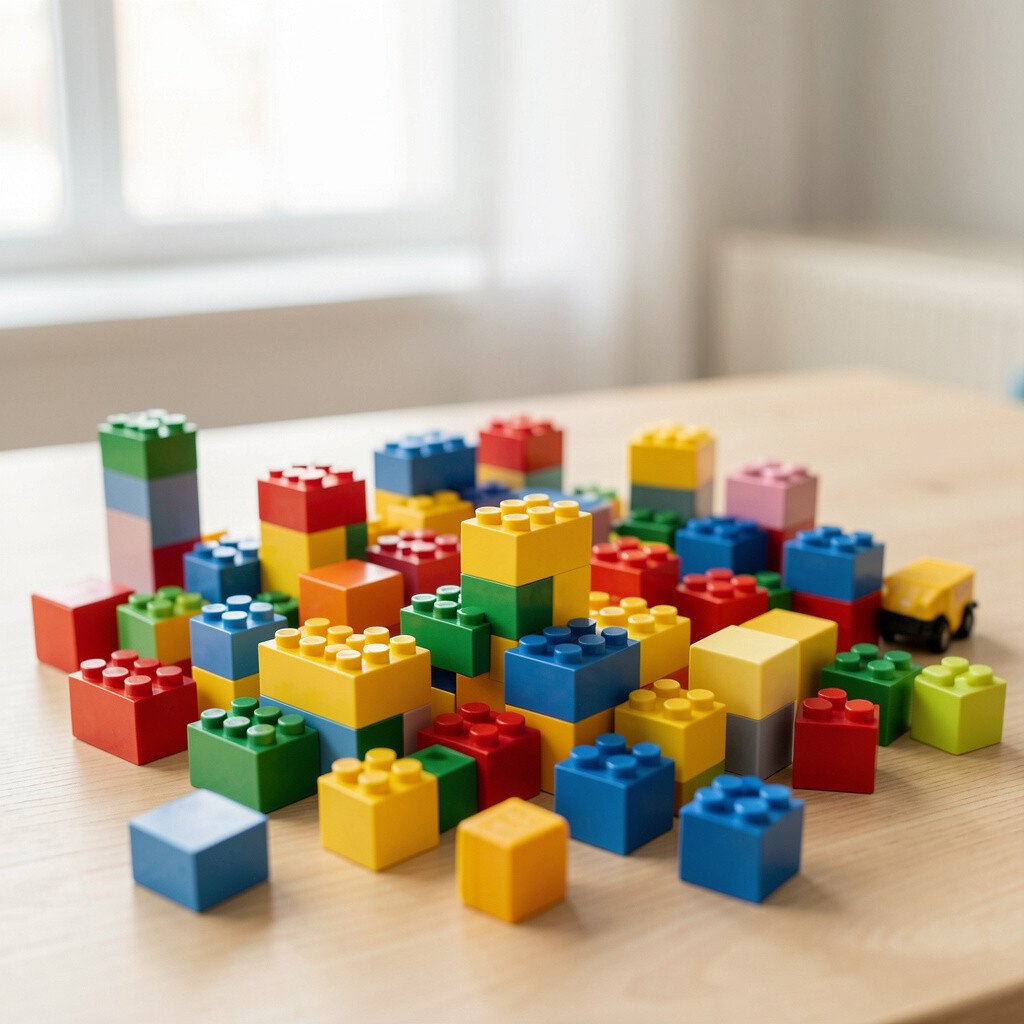
Picture small bricks that fit in a palm, with colors bright enough to spot quickly when they’re scattered on a mat. They look like travel-ready building pieces made for spontaneous creativity.
Mini sets support on-the-go building, which is helpful for car rides, visits, or waiting rooms while still encouraging creative thinking. For practical use, pair them with a magnetic or zip pouch container so pieces stay organized between plays.
To personalize, add a fabric patch or draw a tiny map on the pouch label that matches the child’s travel theme, like “park road trip.” Considering cost, mini sets are often a smart add-on gift because they’re smaller and usually easier to expand later.
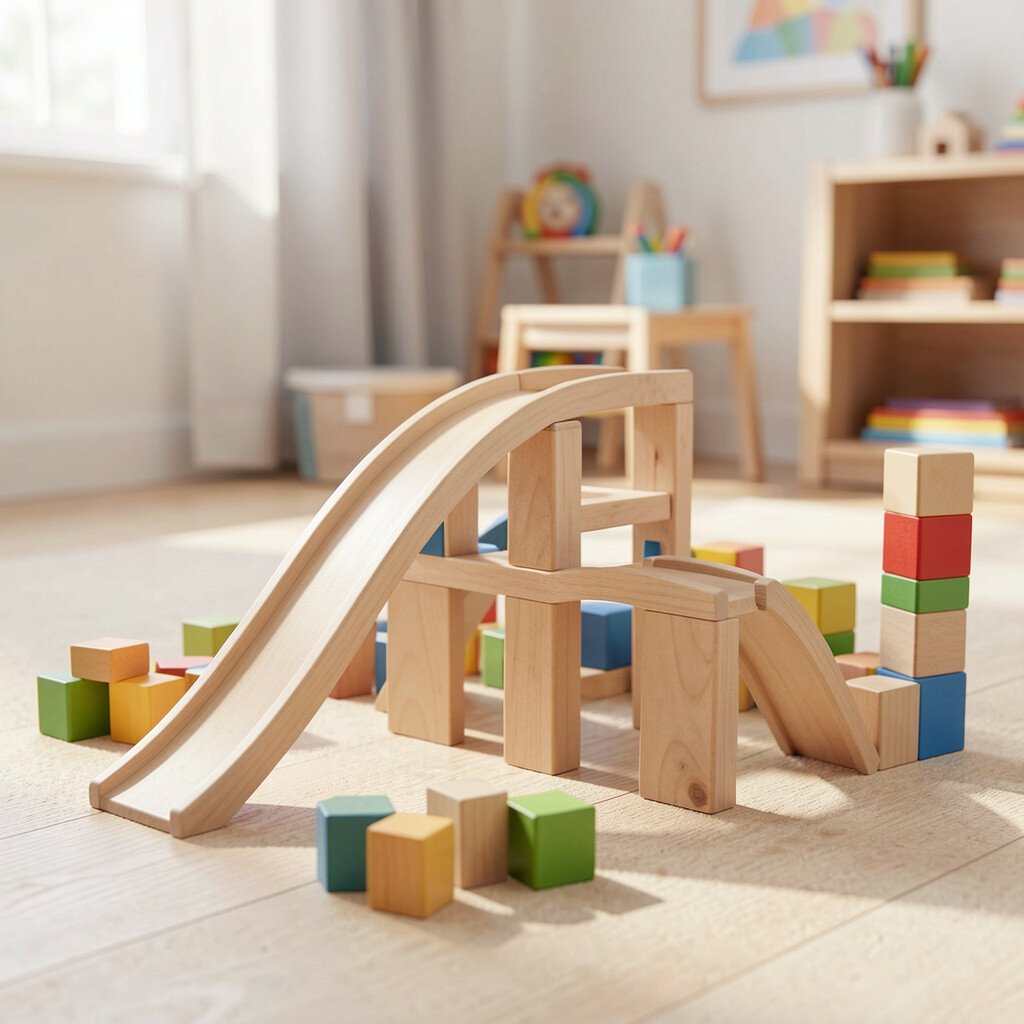
11. Curved Ramp And Bridge Building Set
Curved Ramp And Bridge Building Set
Imagine curved ramps, bridge pieces, and connectors that let kids build roller paths that twist and turn. The visual is dramatic, like tiny construction sites with swooping routes.
Ramp and bridge sets encourage spatial reasoning and cause-and-effect learning when children test how balls, cars, or toy figures move. A practical tip is to start with a short bridge span, then add one curve at a time so the first win happens fast.
To personalize, place a small marker flag next to a build so your child can “name” it, like the Rainbow Bridge or Dino Tunnel. For cost, consider starter sets with flexible connectors because they can often be mixed with other building toys.
Current trends in kid play focus on STEM-like fun, and ramps offer that engineering joy without feeling too serious. They’re also perfect for families who love friendly competitions, like who can make the longest roll.
12. Recycled Plastic Or Eco-Friendly Building Blocks
Recycled Plastic Or Eco-Friendly Building Blocks
Picture blocks made with eco-friendly materials in cheerful colors, looking sturdy and bright without the heaviness of traditional sets. The visual feels modern, clean, and ready for everyday building.
Eco-friendly sets support sustainability values while still giving the same open-ended play benefits as other block types. A practical tip is to wash the pieces after outdoor play if your child uses them on patios or sandy floors.
To personalize, engrave or attach a small tag to the storage bin that says “Green Builds” or your child’s name. If cost matters, look for reputable brands with long durability so you’re buying once and playing for years.
This gift fits the current trend of mindful consumer choices, especially for families who like to reduce waste. It also makes a meaningful conversation starter about caring for the planet during calm building time.
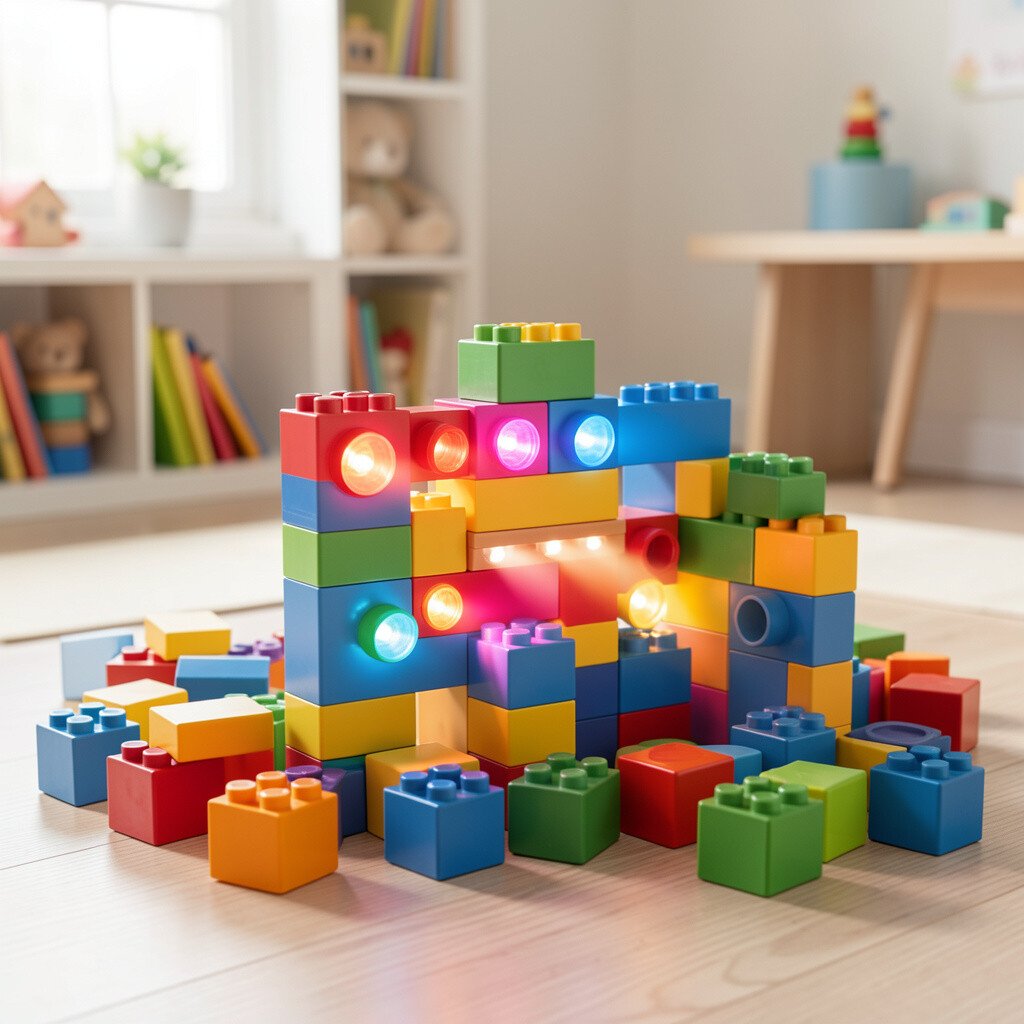
13. Building Blocks With Light And Sound Effects
Building Blocks With Light And Sound Effects
Imagine blocks that click together and create gentle light flashes or soft sound cues when pieces connect. The look is eye-catching, like a toy workshop where ideas come alive with feedback.
Light and sound features can boost motivation and keep energetic kids engaged while they practice planning how to build. For practical use, keep the volume low and set a rule that the sound plays only when a structure “stands,” so it stays exciting but not chaotic.
To personalize, attach a small star charm to the storage lid so your child associates the set with their creative achievements. For cost, consider whether you need lots of extra features, since simpler models can still provide the same building fun.
14. Community Build Tiles For Group Play
Community Build Tiles For Group Play
Picture large building tiles that invite more than one child, with enough surface space to create shared projects. The visual feels social, like a neighborhood being built one block at a time.
Community tile gifts strengthen cooperation, communication, and turn-taking, since children must agree on where pieces go. A practical tip is to give each child a “job,” like builder, sorter, or storyteller, so teamwork happens naturally.
To personalize, print matching name labels on small paper strips and tape them onto a few corner markers so each builder can claim a spot. If you’re thinking about cost, group sets can feel like multiple gifts because they support family game nights and playdates, not only solo building.
Current trends show parents and teachers leaning toward collaborative play, and shared tiles help kids practice those social skills through fun structures. They also work wonderfully for gifts because they can grow into many themes, from castles to space stations.