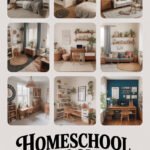
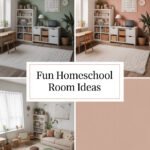
15+ Homeschool Room In A Cozy Area Ideas To Inspire Learning
The coziest corners can turn study time into something you look forward to. A calm room also helps your mind focus and your heart feel safe.
With the right setup, even a small home area can feel welcoming, useful, and full of learning energy. These ideas are easy to borrow and simple to personalize, so your space feels truly yours.
Picture warm lamp light spilling across a desk, like golden blankets for your eyes. When the brightness is gentle, reading and writing feel easier and less tiring.
Try mixing one main light with a small task lamp near your work spot. Use a warm bulb and add a shade or diffuser so the light spreads evenly across books and notebooks. If you’re working near a window, consider a sheer curtain to soften daylight instead of harsh beams.
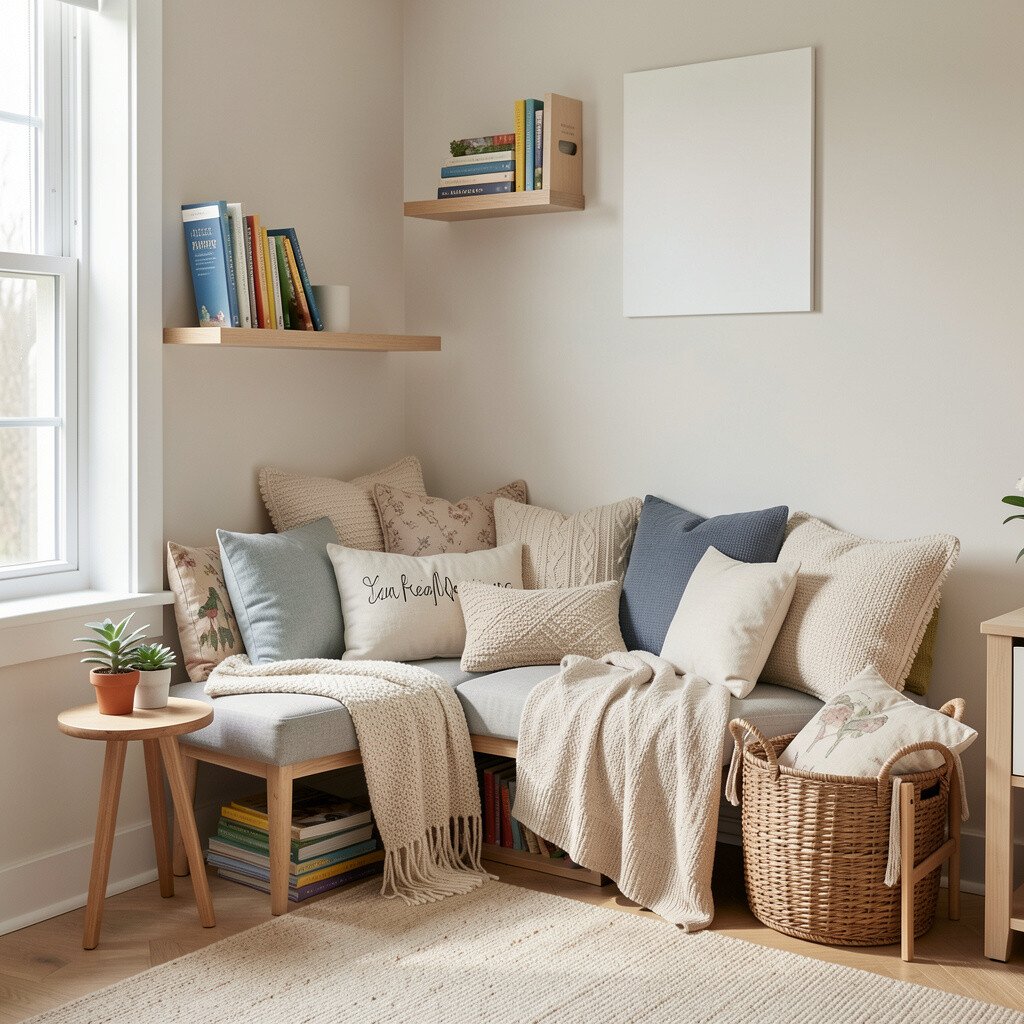
2. A Reading Nook With Cushions and Calm
A Reading Nook With Cushions and Calm
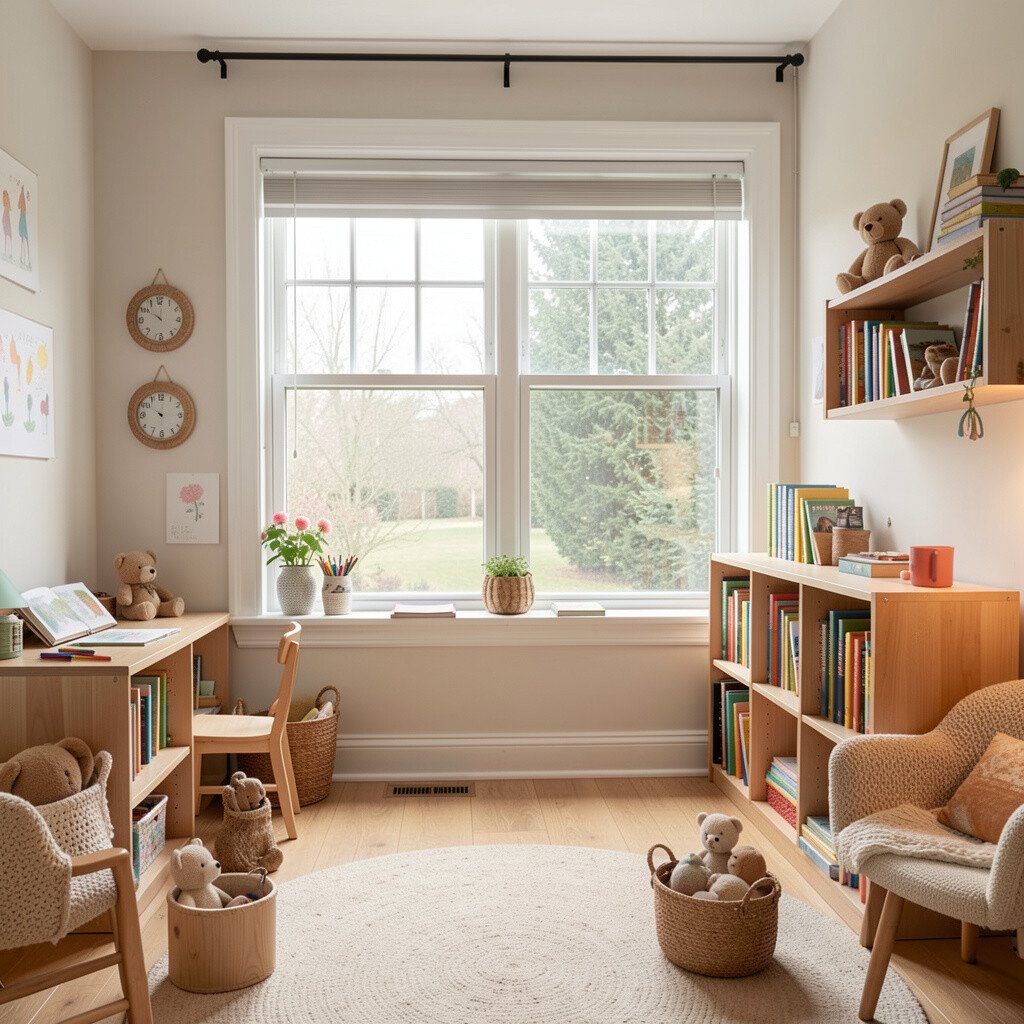
Imagine stepping into a cozy corner where a stack of books sits beside plush cushions. The place looks inviting, and that feeling alone can make students want to open a book.
Choose a small rug, add floor cushions or a comfy chair, and place a low shelf at kid height. Keep a basket for picture books, one for chapter books, and another for “favorites” so kids can find stories fast. For personalization, let your child help pick cushion colors that match their interests, like ocean blues or starry nights.
To keep costs friendly, shop your home first and reuse what you already own. You can use an old blanket as a cover for a chair, or place cushions from a couch to refresh the space. A reading nook also supports modern routines, since many families today mix read-aloud time with independent reading in the same spot.
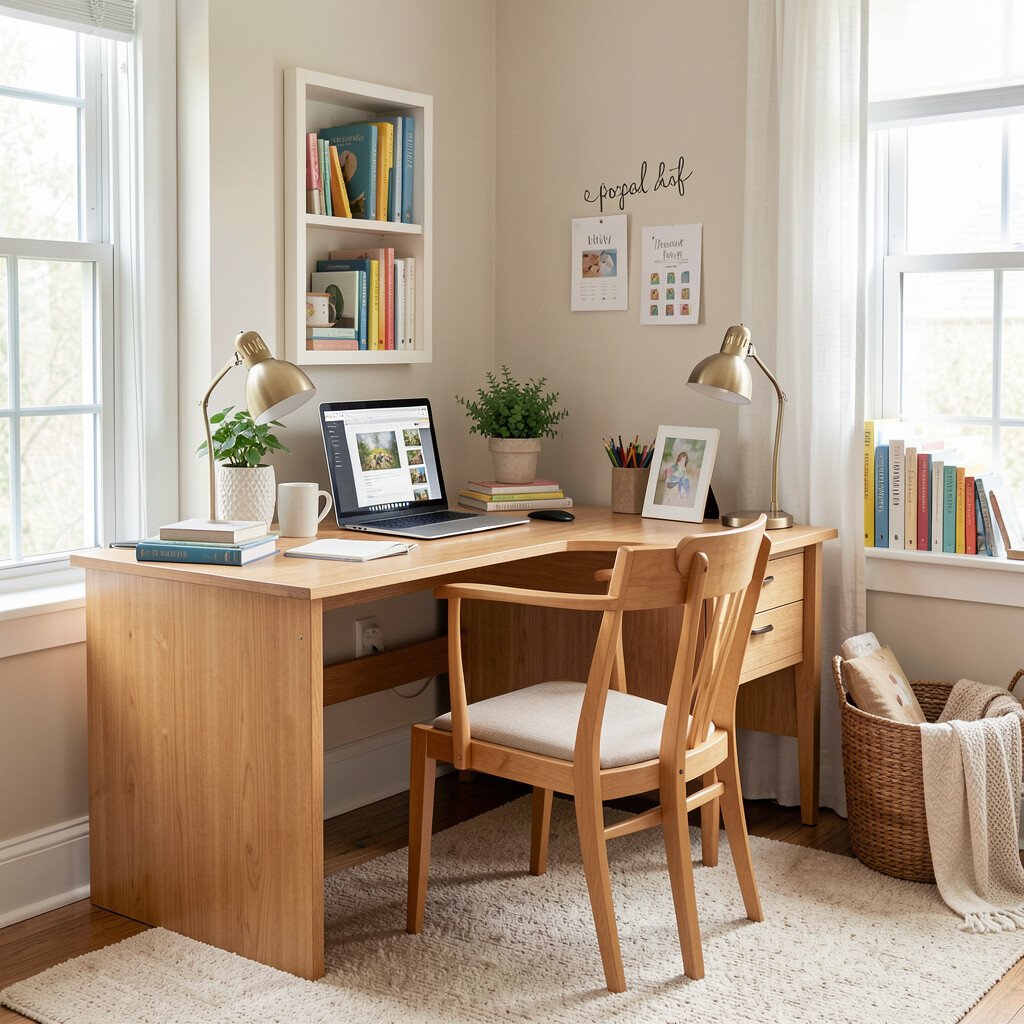
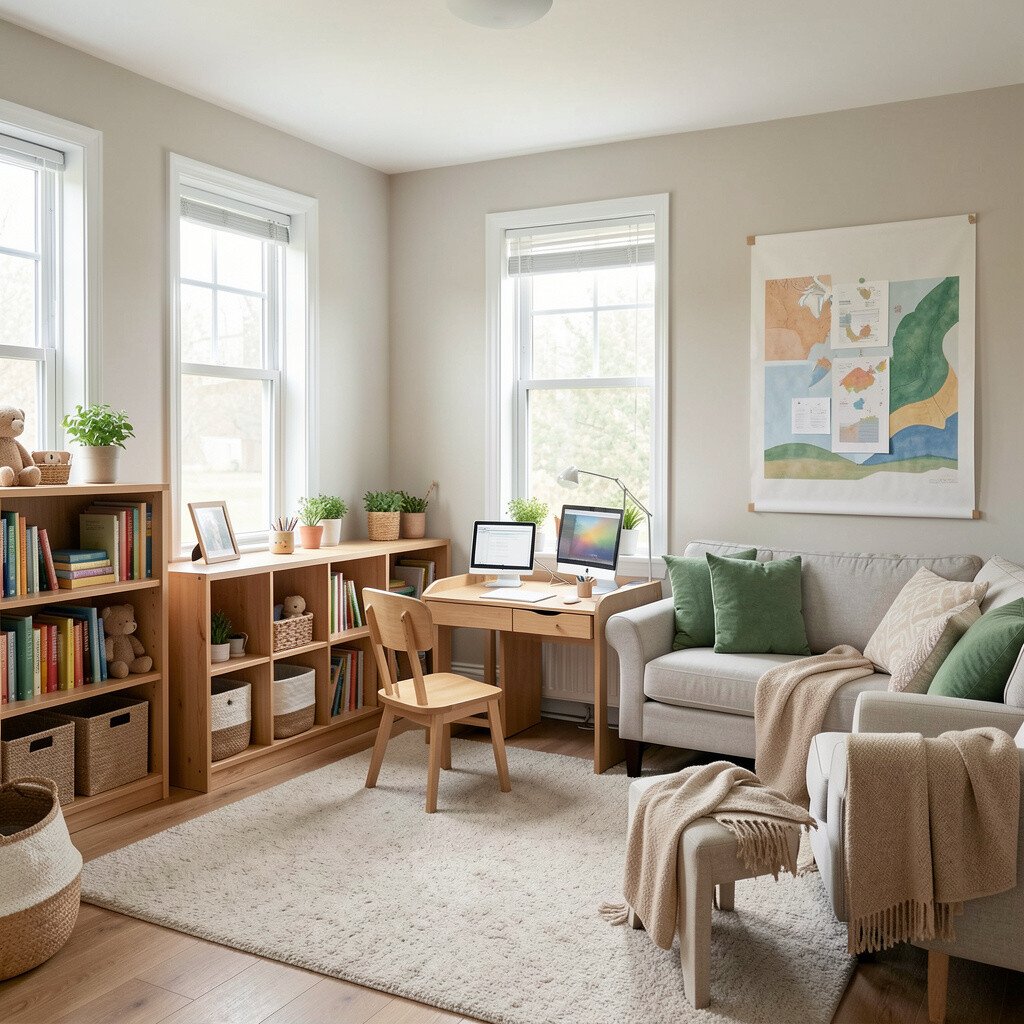
3. A Desk Setup That Works for Your Real Life
A Desk Setup That Works for Your Real Life
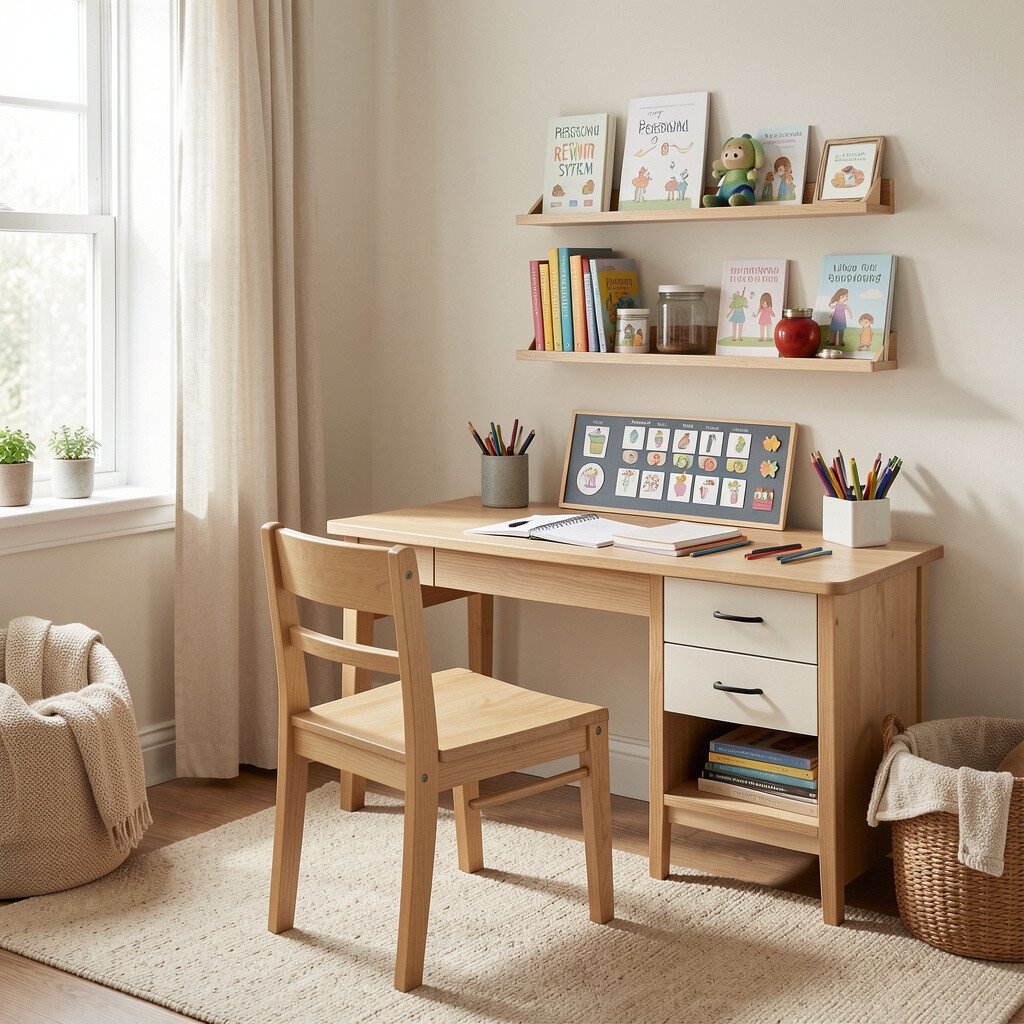
Think about a desk that matches how you actually study, not how a photo on the internet says you should. When the desk fits your daily rhythm, learning feels smoother.
Place a light, sturdy chair with a footrest if needed so posture feels comfortable. Keep essentials within arm’s reach using a small tray for pencils, markers, and highlighters. If you homeschool more than one learner, use movable organizers so you can switch between projects without rearranging the whole room.
Use a simple cable organizer or clip-on cord holders if you use a laptop or tablet. Clear surfaces help prevent “where did that go” moments, which saves time on busy school days. For cost considerations, you can use a thrifted desk, add a fresh layer of paint, or use peel-and-stick desk mat liners for a quick upgrade.
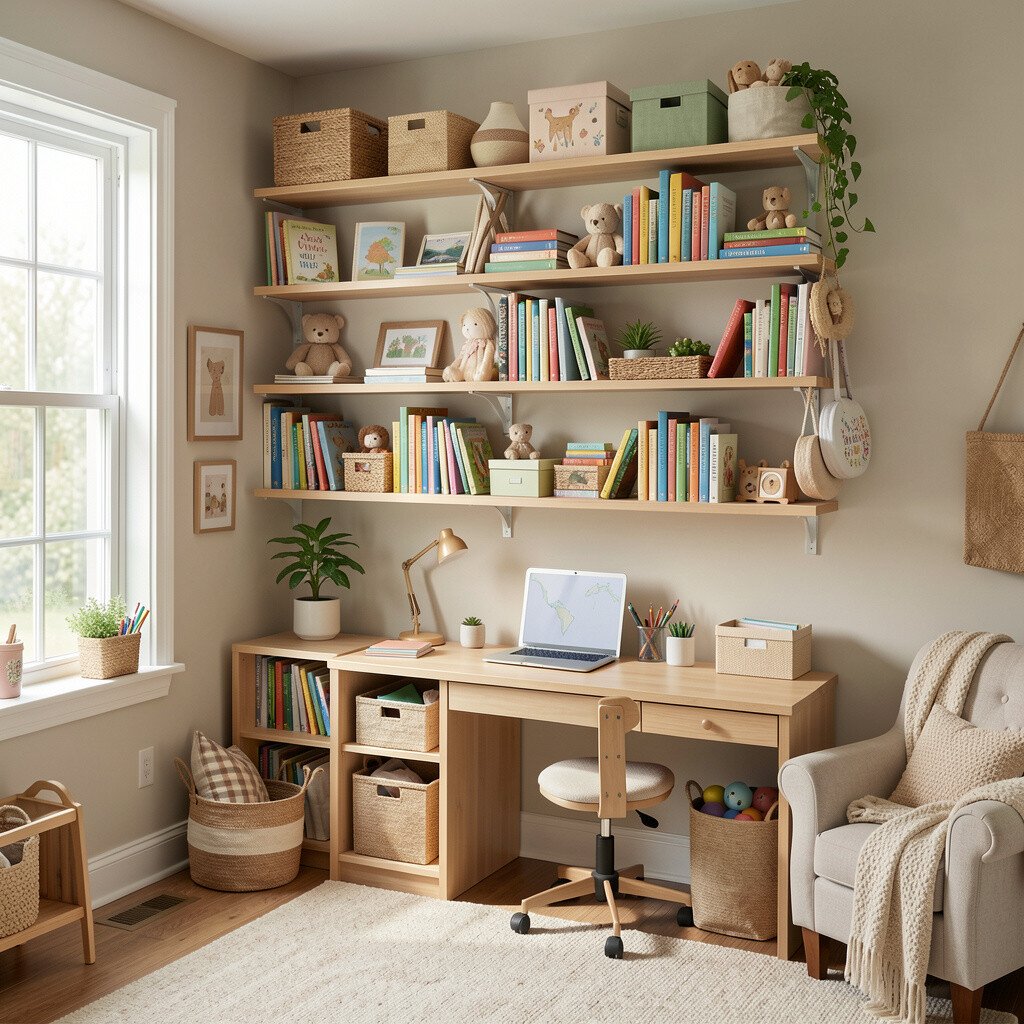
4. Wall Storage That Keeps Clutter From Taking Over
Wall Storage That Keeps Clutter From Taking Over
Visualize your walls doing the quiet work of keeping everything tidy. When books and supplies have homes, the room stays calm instead of chaotic.
Install wall shelves, book ledges, or a peg rail for bags, headphones, and reusable supply pouches. Labeling helps kids return things quickly, but you can keep it soft with icons or color-coded folders. This matches current habits too, because many families now organize by “learning zones” rather than by complicated filing systems.
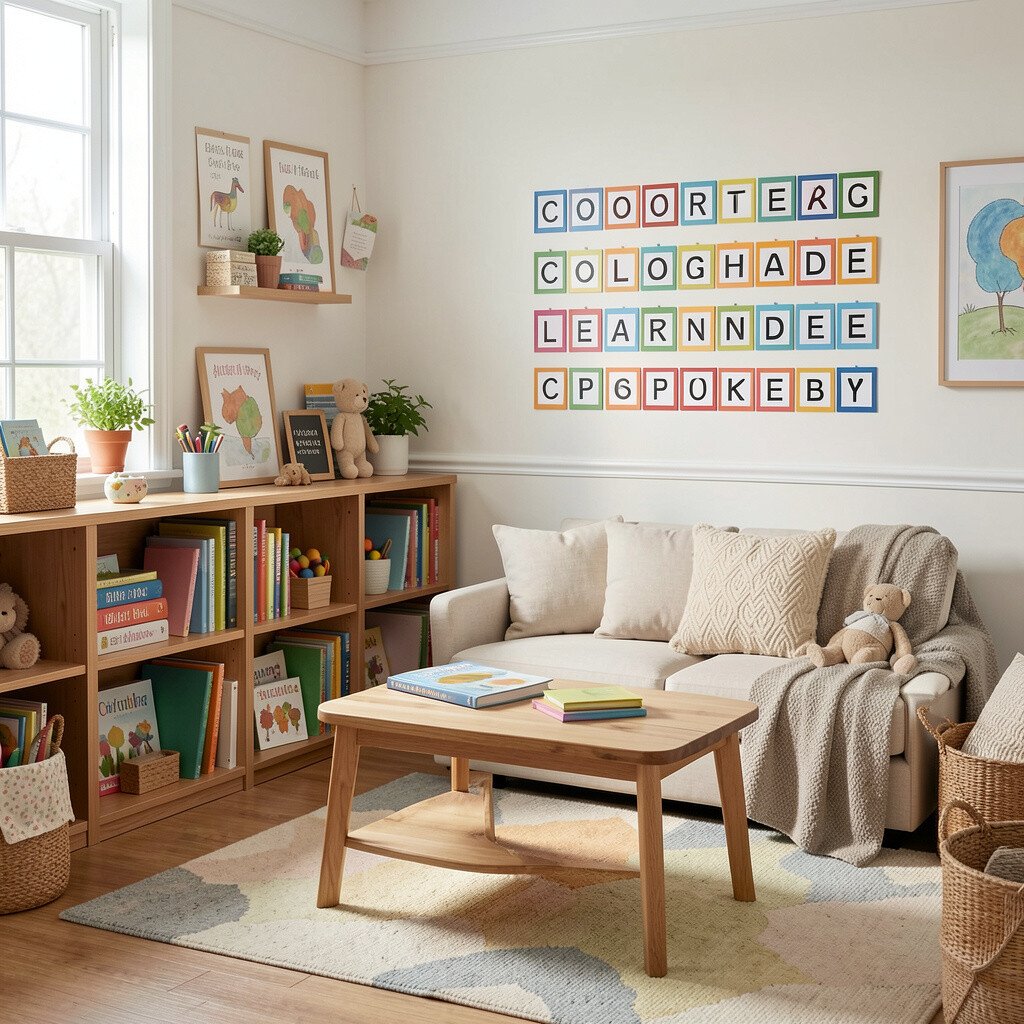
5. Colorful Learning Labels Without Looking Like a Classroom
Colorful Learning Labels Without Looking Like a Classroom
Picture small signs that guide you without shouting, like little friendly directions on shelves and drawers. Color can help your brain remember where things belong.
Create a simple system using sticky notes, printable signs, or washi tape in a few matching colors. Put categories together, such as reading, writing, math games, science kits, and art supplies. Personalize labels with your child’s name, favorite symbols, or a theme they love, like dinosaurs or garden creatures.
For cost considerations, you can print on regular paper and slip the cards into clear plastic sleeves. This keeps the look neat while still letting you update labels as your curriculum changes. A well-organized labeling system makes transitions faster, which is especially helpful during short homeschool days.
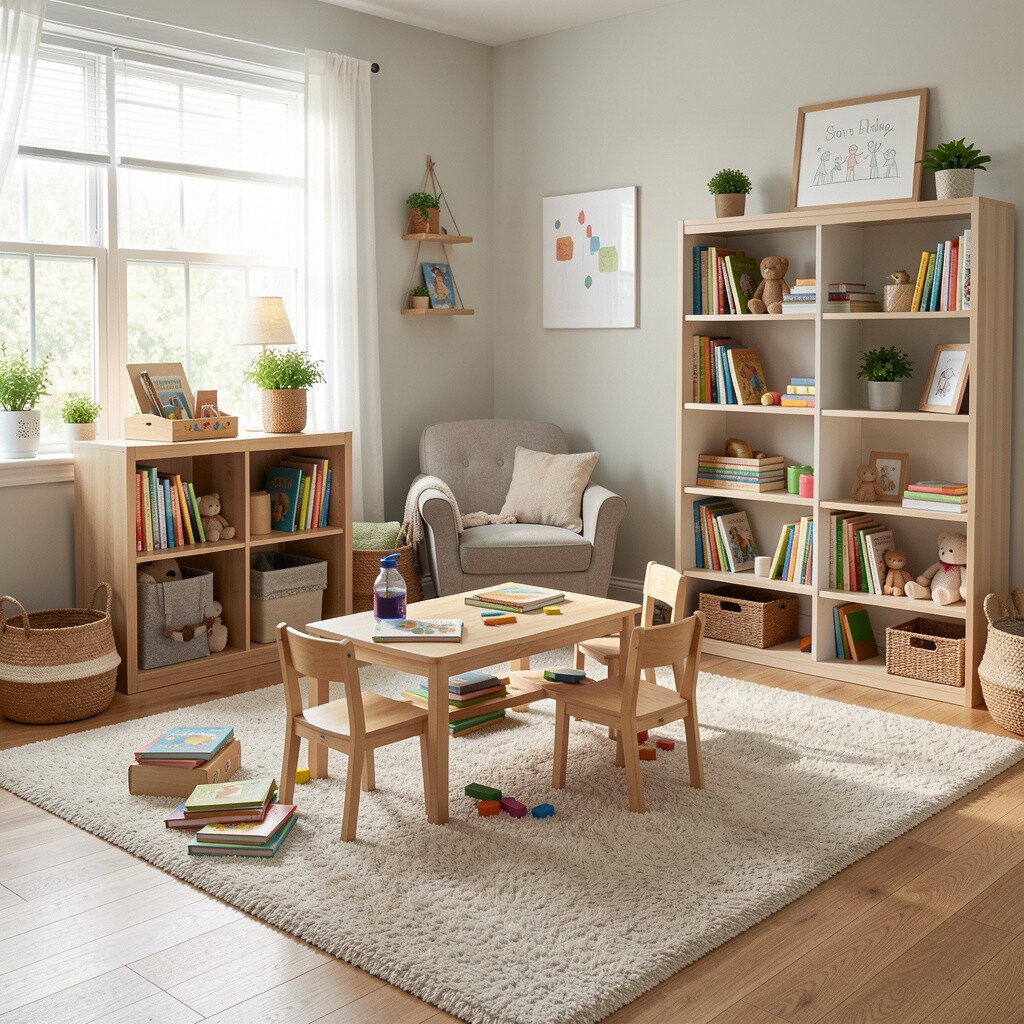
6. A Cozy Floor Zone for Hands-On Learning
A Cozy Floor Zone for Hands-On Learning
Imagine a soft playmat area where math manipulatives and art projects can spread out. When there’s a clear floor zone, messy learning feels allowed and contained.
Lay down a washable mat or rug and define the space with a low shelf beside it. Store hands-on tools in labeled bins so setup takes seconds, not minutes. Try a rotation schedule where one day uses blocks, another uses sensory bins, and another uses science sorting.
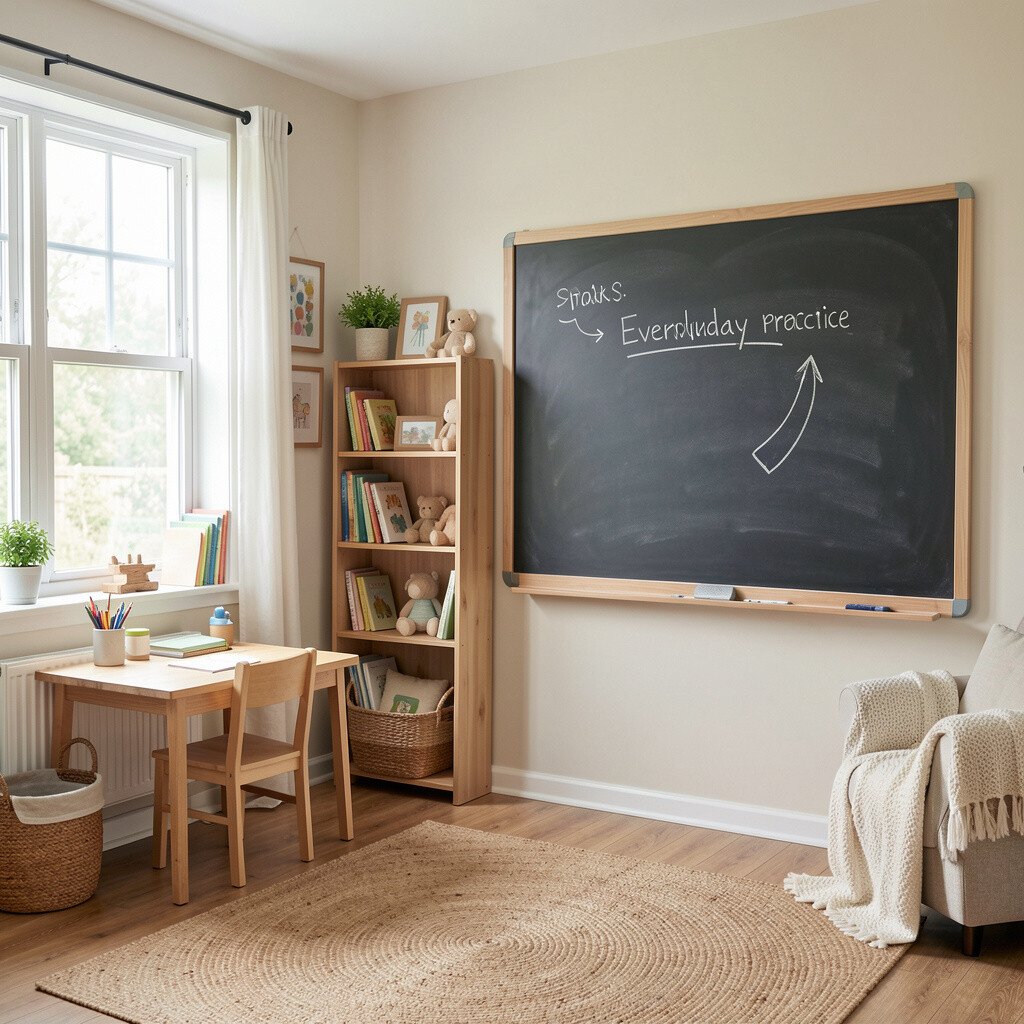
7. Chalkboard or Whiteboard Space for Everyday Practice
Chalkboard or Whiteboard Space for Everyday Practice
See a board near your desk where ideas can appear and disappear in minutes. It feels empowering when everyone can add notes, answers, and plans in real time.
Choose a chalkboard wall section or a magnetic whiteboard for quick instructions, spelling practice, and daily schedules. Use magnetic letters, sticky notes, or erasable markers so lessons can change quickly. For personalization, write your child’s goals in a small corner and keep it visible so motivation feels close.
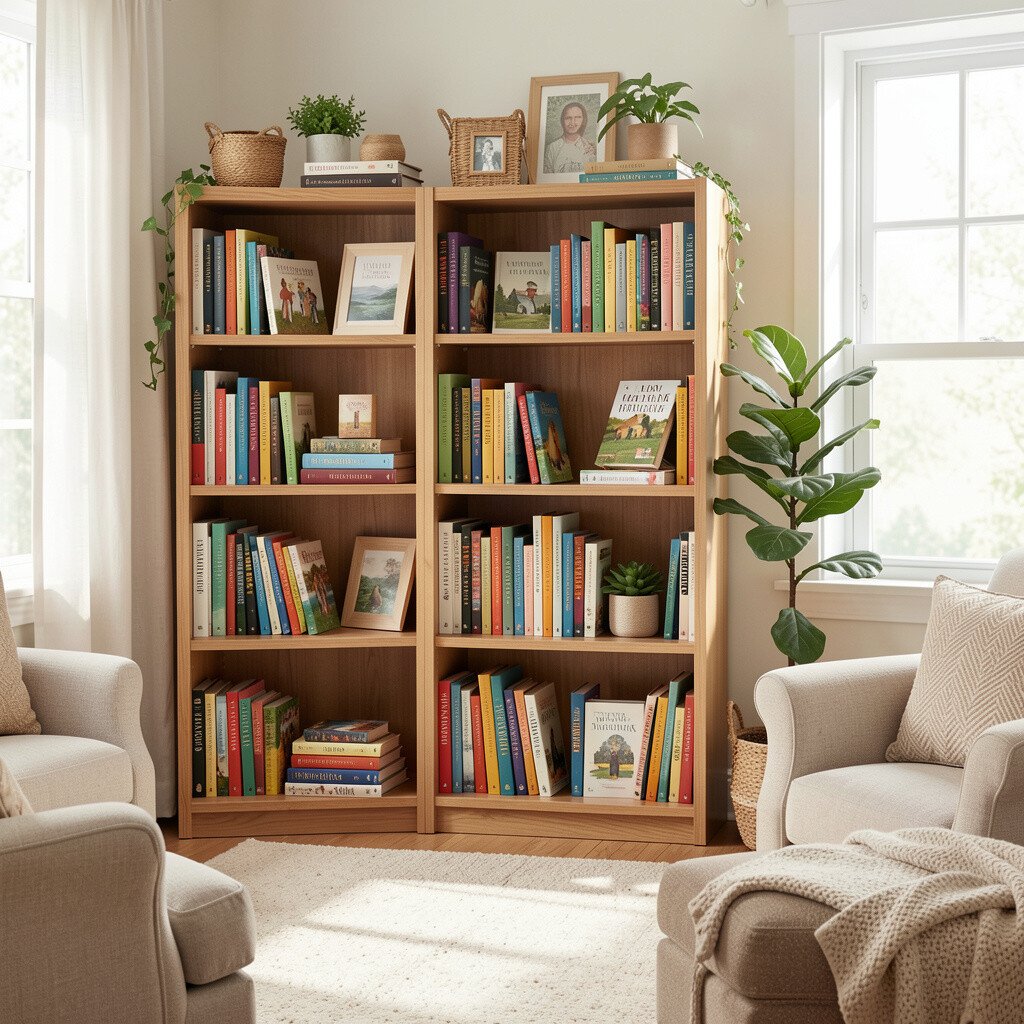
8. Curated Book Display That Makes Reading Feel Special
Curated Book Display That Makes Reading Feel Special
Picture a bookshelf where the spines you love are facing outward, like a mini gallery of stories. When books look easy to grab, reading starts more often.
Rotate featured books every week so the display stays fresh and exciting. Add one themed stack at a time, like weather stories, space books, or biographies of people your child admires. Consider adding a small standing book easel so children can see covers clearly from across the room.
9. Privacy Corners for Focus and Soft Breaks
Privacy Corners for Focus and Soft Breaks
Imagine a learning spot that feels separate, like a tiny retreat inside the home. Sometimes students need a quiet pocket to reset their brain.
Create a privacy corner using a folding screen, a bookcase divider, or a curtain tied to a tension rod. Add a small basket with calm tools such as stress balls, noise-reducing headphones, and a short reading pile. This is especially helpful for sensory needs and it fits current thinking about emotional regulation in home learning.
Personalize the corner with a small art print, a favorite texture like a knit throw, or a photo that helps your child feel grounded. Cost can stay low by using existing dividers and layering in one or two calming items. When you make this corner feel welcoming, breaks become part of learning instead of interruptions.
10. Science and Craft Supplies in a “Grab-and-Go” Cart
Science and Craft Supplies in a “Grab-and-Go” Cart
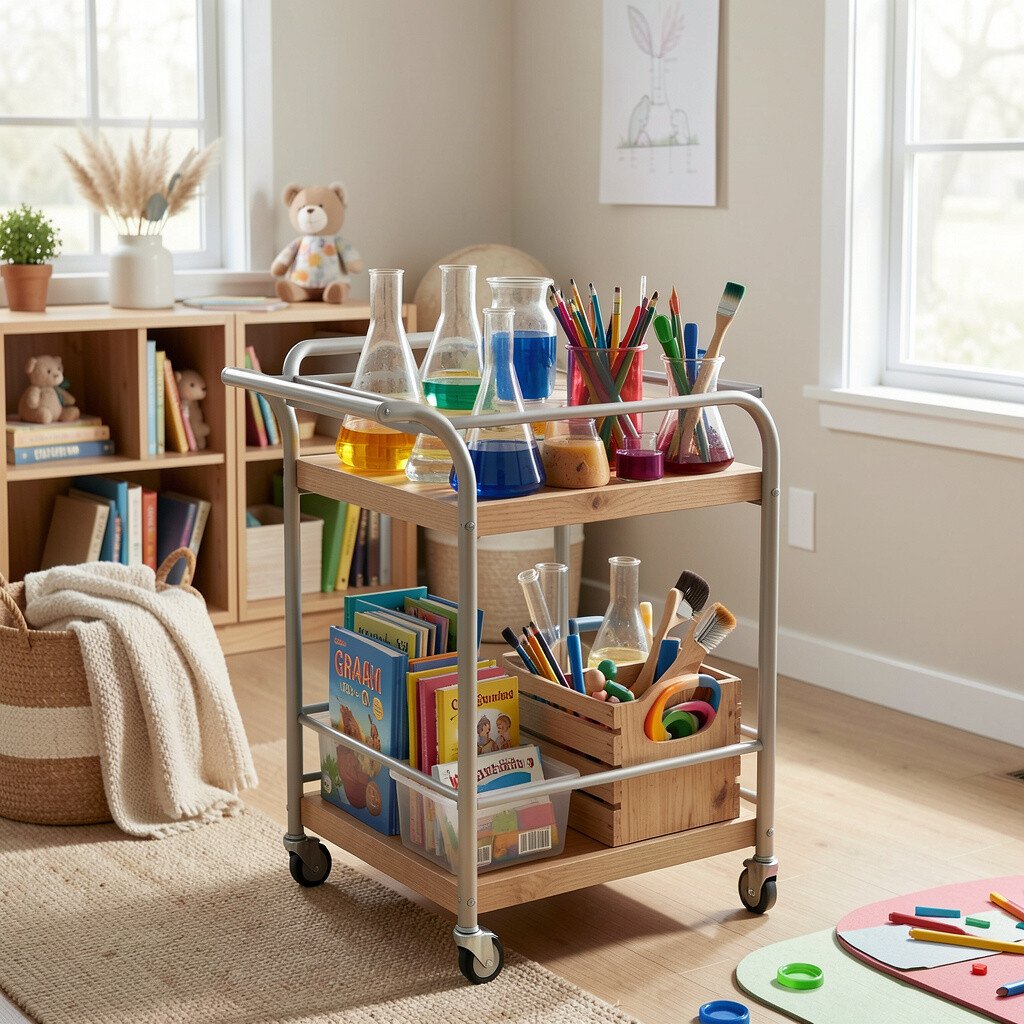
Picture a rolling cart tucked in the cozy area, ready whenever curiosity shows up. It keeps supplies neat while helping you start projects without hunting for tools.
Use a cart with drawers for paper, glue, tape, and safe scissors, plus open shelves for science kits and art paints. Keep a bin for “current project” so your child knows what’s happening this week. If you’re homeschooling multiple ages, divide compartments by learner so sharing doesn’t create extra chaos.
For cost considerations, a simple plastic cart or a repurposed organizer from storage can work. Add labels, and you’ll upgrade the cart into a system that feels organized and kind. Many families today keep project supplies centralized to support more flexible learning schedules and spontaneous hands-on days.
11. Cozy Storage for Technology Without Visual Noise
Cozy Storage for Technology Without Visual Noise
Imagine a small media shelf where tablets and chargers are tucked away at the end of the day. The room stays calm when tech isn’t scattered everywhere.
Use a cabinet, drawer, or lidded box for chargers and accessories so cables don’t take over. Keep a designated charging station near the desk and use a short cable so it doesn’t tangle. If you use headphones often, hang them on hooks or store them in a labeled pouch.
For personalization, choose a basket or organizer that matches your room colors so it looks like part of the decor. Cost can be managed by reusing a shoe organizer or adding cable clips instead of buying big electronics furniture. A tidy tech area supports modern hybrid learning habits, since families often switch between worksheets, videos, and live lessons in one day.
12. A Homework Station With a Personal Reward System
A Homework Station With a Personal Reward System
Picture a small station where the next task is visible and ready, like a friendly checklist. When your materials are set up ahead of time, students feel steady and capable.
Use a tray with “today’s work” in order, such as a folder with math first, then reading, then writing. Add a gentle reward rhythm, like a star chart, stamp, or a small daily book choice after tasks are done. Personalize rewards so they match your child’s interests, like collecting stickers shaped like animals or building a small habit jar.
To keep costs low, use items you already have, such as stamps from craft sets, printable calendars, or simple cards. This setup also helps families today because it supports shorter learning blocks and smoother transitions between subjects.
Imagine studying beside a window where natural light makes every page feel warmer. A pleasant view can also reduce restlessness because your eyes get a break.
Place the desk so your student faces the window at an angle, which avoids glare while still enjoying daylight. Use a comfortable reading lamp for evenings and keep curtains adjustable for sunny days. For personalization, hang a small garland, star decals, or a plant near the window to make the area feel alive.
Consider cost by using plants that thrive indoors and require simple care, like pothos or snake plants. If you prefer low maintenance, use faux greenery placed in a small pot to keep the look fresh. This idea aligns with current wellness-focused learning spaces that value mood and comfort, not just supplies.
14. Minimalist Supply Bins That Still Feel Fun
Minimalist Supply Bins That Still Feel Fun
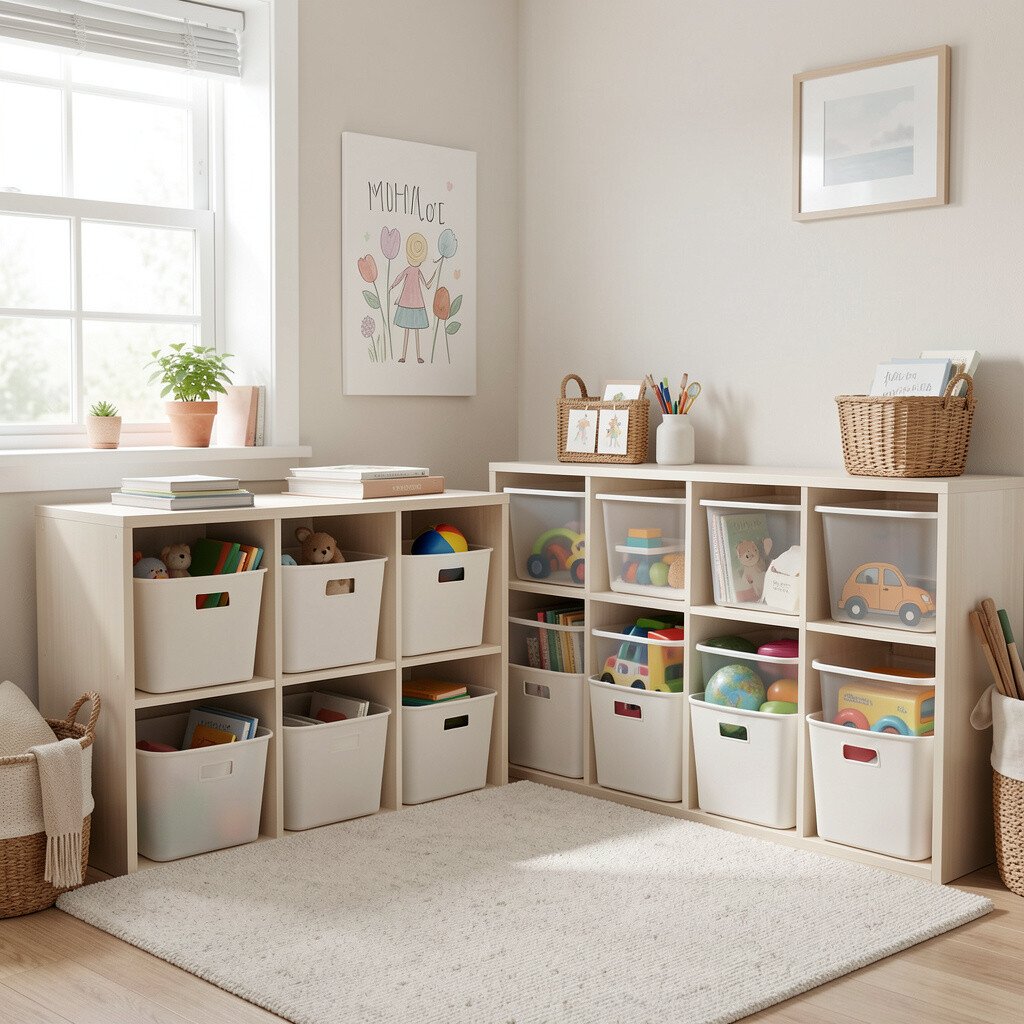
Picture neat bins with a few items each, so students can grab what they need without digging. Minimal storage makes it easier to keep your homeschool room peaceful.
Choose a small set of bins for core subjects and store extra supplies in a closet or cabinet. Keep each bin focused, like “writing tools,” “math games,” and “science cards,” so the room stays uncluttered. Personalize bins with color, patterns, or labels featuring your child’s favorite theme.
For cost considerations, repurpose containers from kitchens and closets, such as snack boxes, tackle organizers, or shoebox-style storage. This approach is popular right now because many families prefer fewer items that get used often, instead of lots of things that rarely come out.
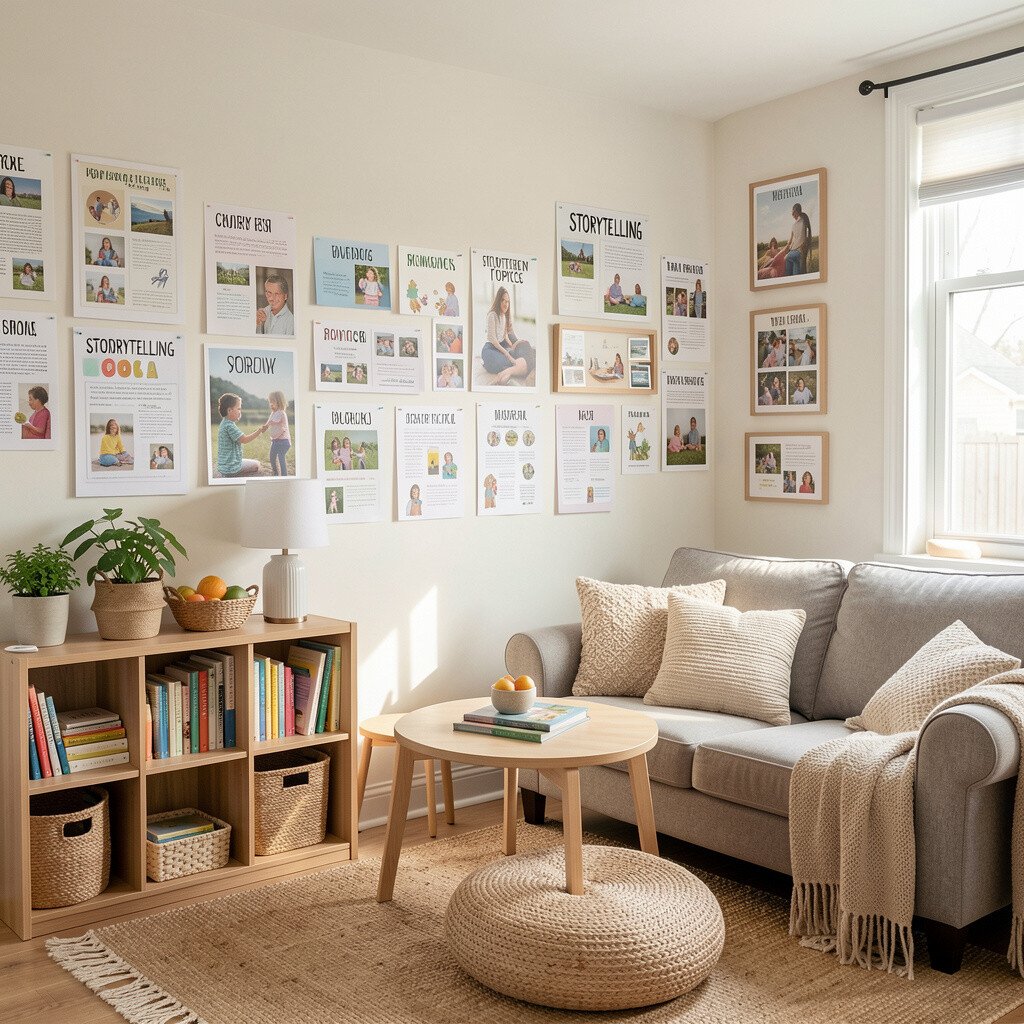
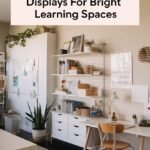
15. Cozy Wall “Storytelling” Displays for Current Topics
Cozy Wall “Storytelling” Displays for Current Topics
Imagine a wall that changes with your lessons, like a living timeline made by your child. Each new topic leaves a visual trail that helps memory stick.
Create a small display area using a cork board, string with clips, or a bulletin board with removable tape. Pin up drawings, vocabulary cards, maps, and “mini pages” from worksheets that show progress. For personalization, include photos of experiments, handwriting samples, and a few favorite quotes from stories you read.
Keep costs manageable by using recycled frames, scrap paper, and thrifted boards. Many families now love maker-style documentation, since it supports reflection and shows growth over time. When the display is visible, it can also make review days feel less stressful and more motivating.
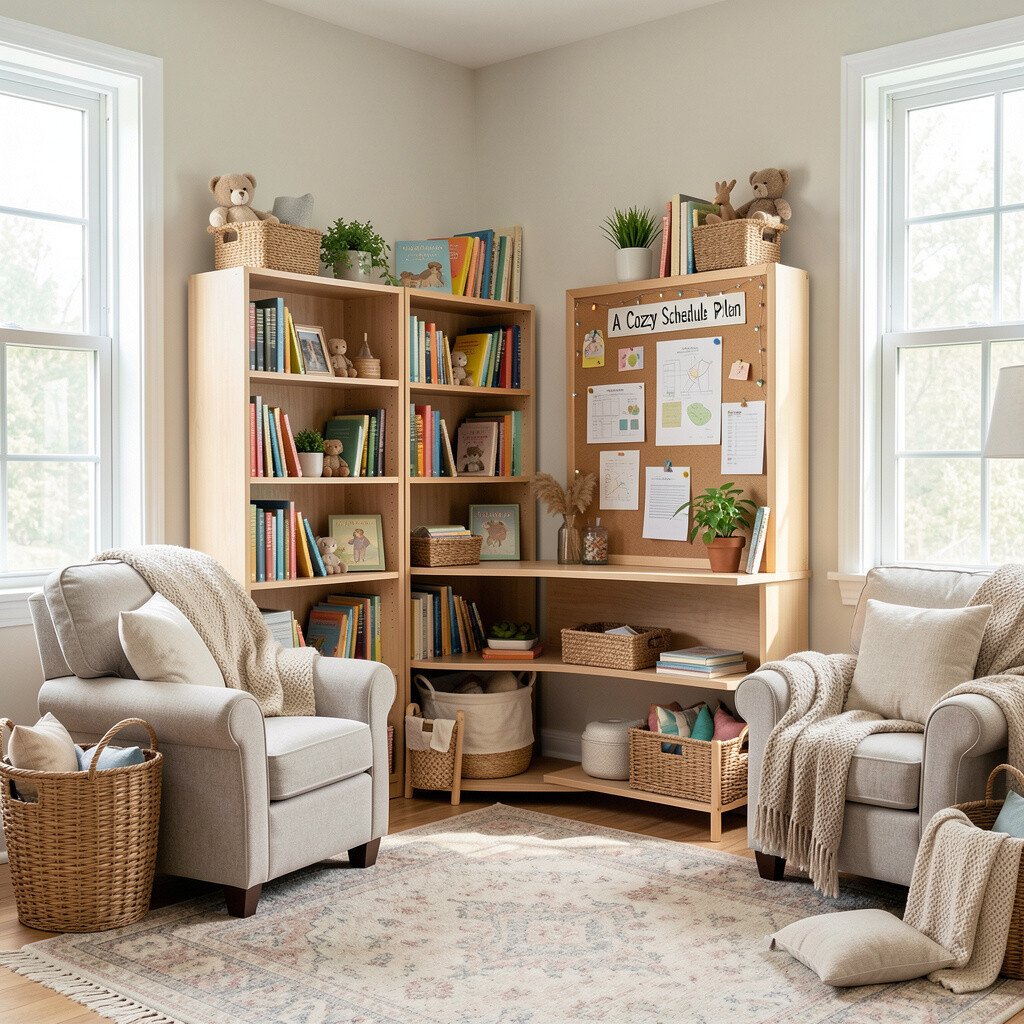
16. A Cozy Schedule Corner That Feels Like a Plan, Not Pressure
A Cozy Schedule Corner That Feels Like a Plan, Not Pressure
Picture a small schedule area near the desk where the day’s flow makes sense at a glance. When students can see what comes next, anxiety often drops and focus rises.
Use simple cards for subjects or blocks of time, and let your child move them throughout the day. Keep the schedule short and realistic, then adjust as needed based on energy and attention. Personalize it by adding a small weather symbol, a daily mood icon, or a “favorite part of today” space.
For cost considerations, you can make cards from index cards, cardstock scraps, or printable templates you already have. This matches current trends in flexible routines, since many homeschool families prioritize adaptability and emotional well-being. A schedule corner turns planning into a comforting ritual, like setting the stage for learning.