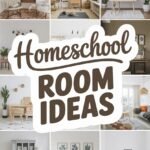
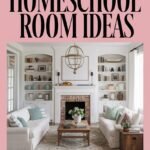
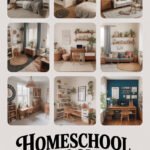
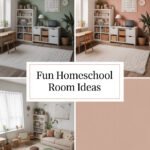
11+ Modern Farmhouse Homeschool Room Inspiration Ideas
The right homeschool room can feel calm, bright, and ready for learning. It can also reflect your family’s style in a way that makes everyday lessons easier.
From storage to seating, each choice can support focus and reduce mess. When the space feels good, learning time tends to feel smoother.
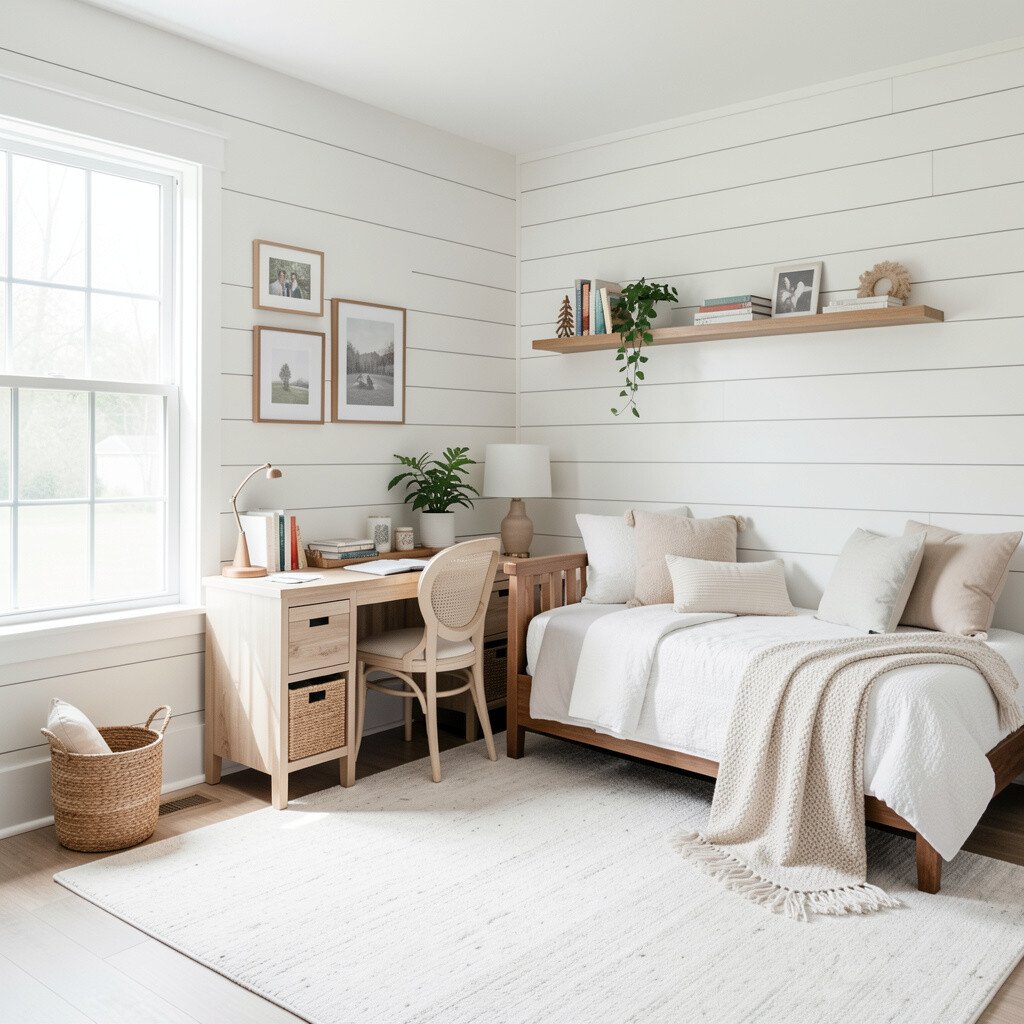
Start by choosing wall color that keeps the room feeling airy. Soft white with a little warmth makes papers, books, and artwork pop.
For a modern farmhouse look, add shiplap in a small section behind your main teaching spot or along one side wall. The texture adds character without making the room feel heavy. Keep the finish matte so light bounces around and the space stays inviting.
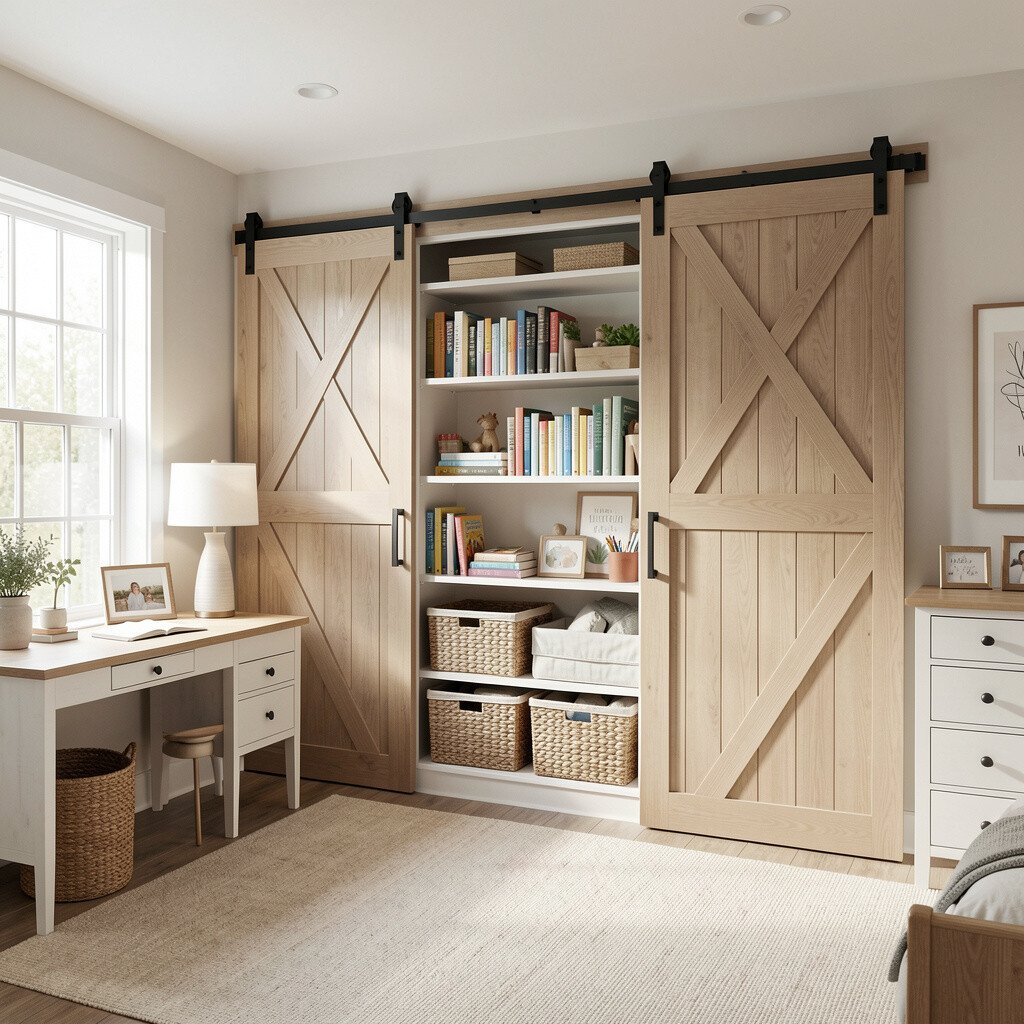
2. Barn Door Storage for Books and Supplies
Barn Door Storage for Books and Supplies
A sliding barn door can hide shelves full of crayons, markers, and extra textbooks. When doors close, the room looks neat, even on busy days.
Choose a door in light wood with simple black hardware for that classic farmhouse vibe. Add labels to baskets inside so kids can put things away fast. This reduces morning delays and helps students feel responsible for their materials.
If you want a budget-friendly approach, use a pre-made door and mount sturdy track hardware. Paint the door the same tone as your walls for a softer look. For personalization, hang small hooks on the inside for backpacks or classroom folders.
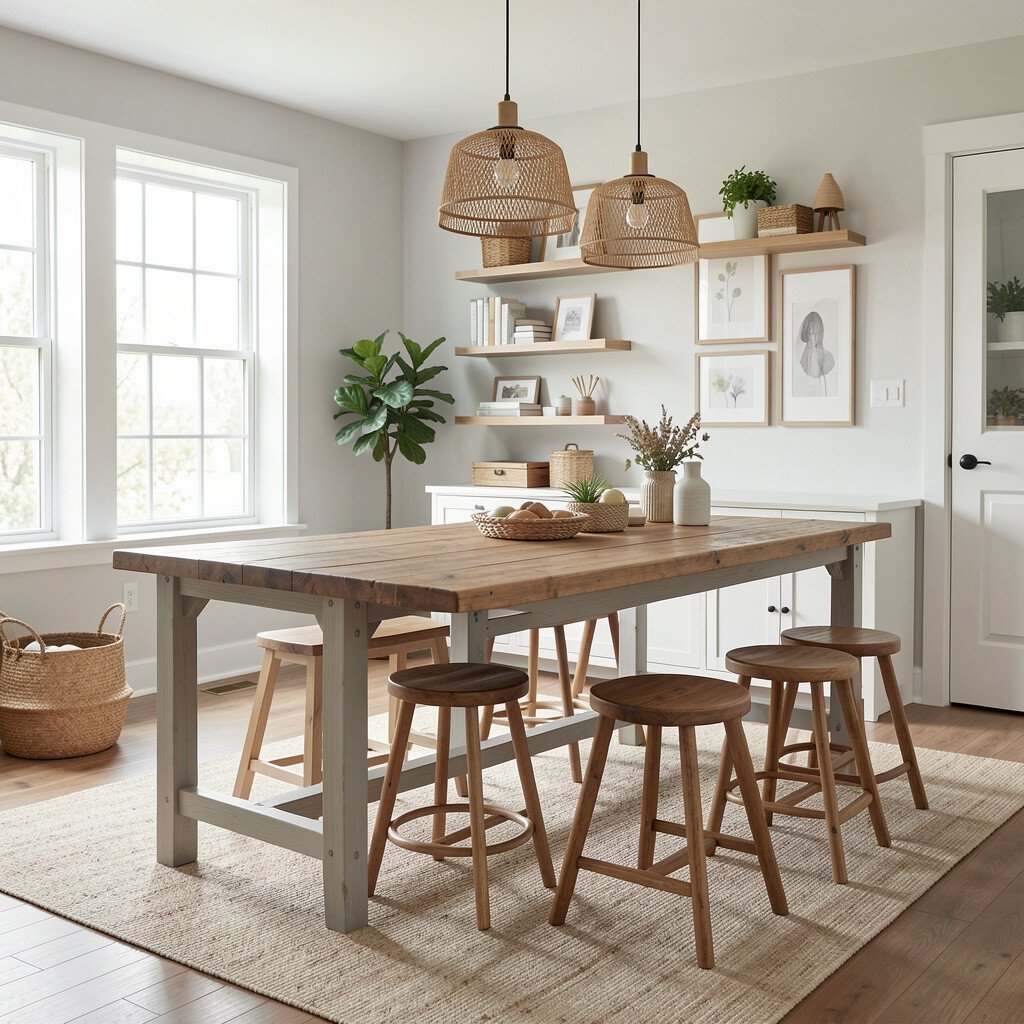
3. A Long Workbench-Style Table With Seating
A Long Workbench-Style Table With Seating
A long table makes lessons feel like a shared workshop, not just a desk. Look for a farmhouse-style bench or a table with thick legs and a light top.
Pair it with comfortable seating that supports different learning styles. Swivel chairs work well for older students, while stools with footrests help younger learners sit upright. When students can stay comfortable, attention tends to last longer.
For practical setup, place a clear desk organizer near the front edge so supplies stay within reach. Add a washable mat to protect the surface from spills and glue. If you have multiple ages, consider two smaller stations inside the same table space to keep routines separate.
4. Gallery Wall With Rotating Student Art
Gallery Wall With Rotating Student Art
A gallery wall keeps your homeschool story visible and motivating. Use simple frames in matching colors for a clean, modern look.
Rotate pieces every few weeks so the display stays fresh. Mix in drawings, handwriting samples, and science diagrams so different subjects feel valued. This is a fun way to celebrate progress without extra stress.
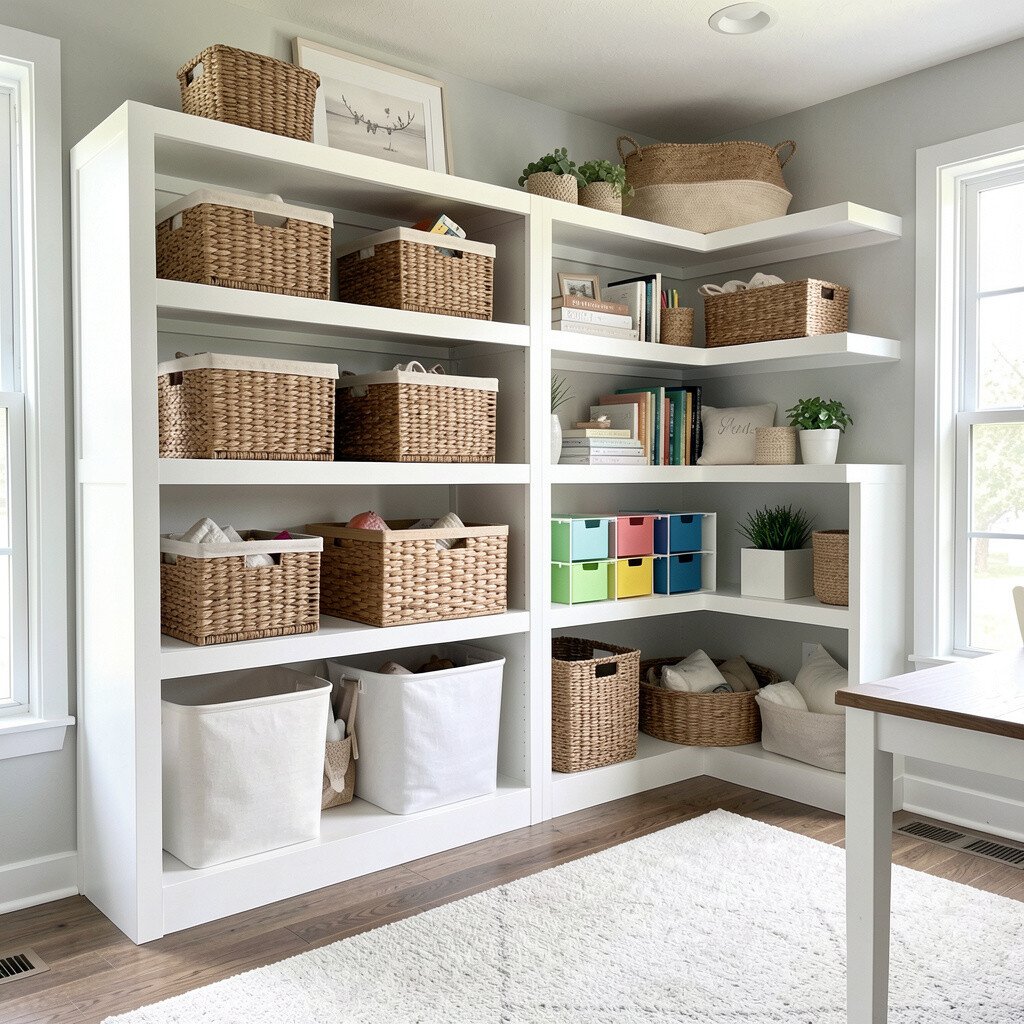
5. Open Shelving With Baskets and Color-Coded Bins
Open Shelving With Baskets and Color-Coded Bins
Open shelves can look neat when you use matching baskets. Pick bins that fit your shelves and keep smaller items contained.
Sort supplies by subject or skill, then place them at the right height for kids. Color-coding helps younger learners find materials quickly and keeps routines consistent. It also makes cleanup feel faster because everything has a home.
To keep costs under control, reuse storage you already own and add new baskets only where needed. Choose neutral tones for a modern farmhouse palette. For personalization, label bins with simple names or cute icons drawn by your kids.
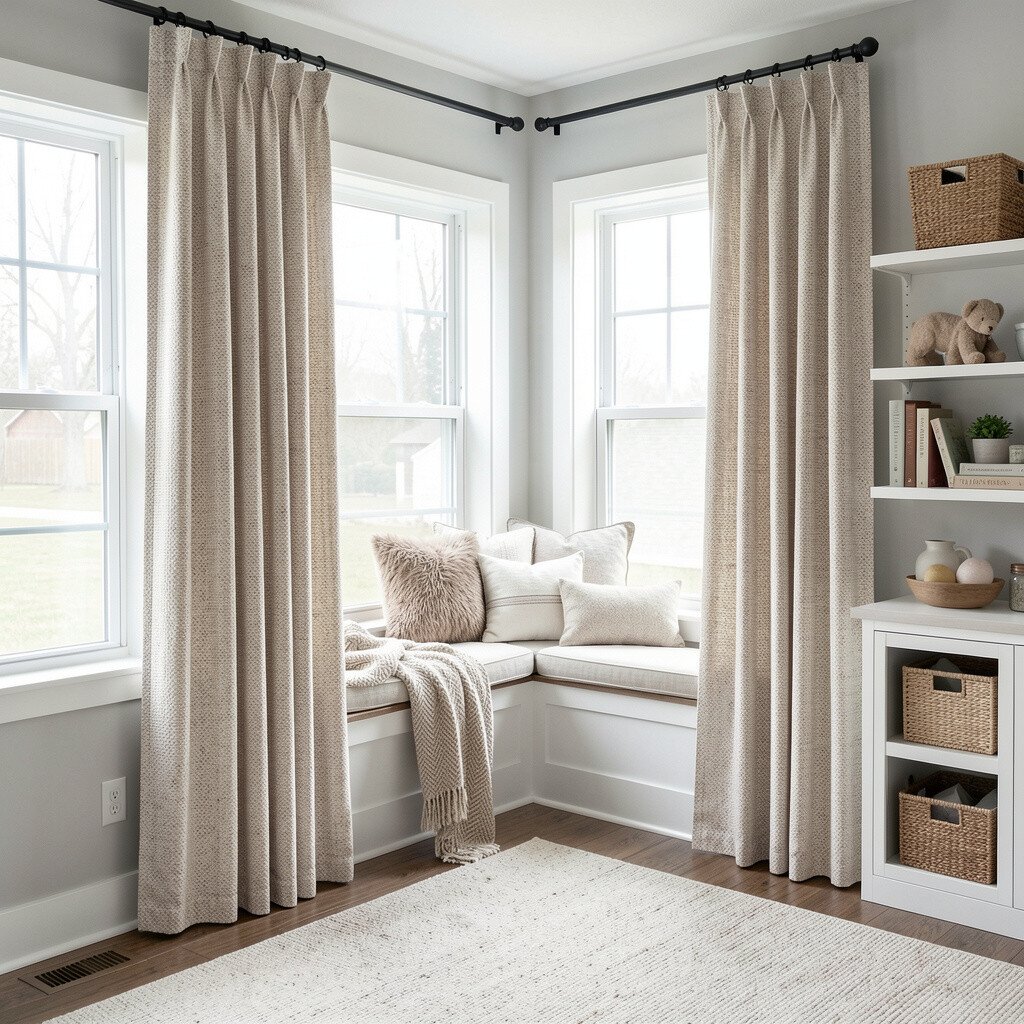
6. Cozy Reading Nook With Textured Curtains
Cozy Reading Nook With Textured Curtains
A reading nook invites students to slow down and enjoy quiet work. Choose a corner with natural light or place a lamp nearby so it feels warm.
Add a cushioned chair or window bench with soft pillows in cream and muted gray. Textured curtains, like linen or cotton blend, create that farmhouse coziness. When the corner feels snug, independent reading becomes more appealing.
Keep a small side table within reach for bookmarks, a water cup, and a flashlight for story time. If you teach multiple ages, create a rule that quiet reading happens here. This gives the room a peaceful rhythm during independent lessons.
7. Chalkboard or Whiteboard Wall for Daily Plans
Chalkboard or Whiteboard Wall for Daily Plans
A dedicated board wall makes your homeschool schedule visible and easy to follow. It also helps students understand what comes next during the day.
Use a large whiteboard for clean planning, math grids, and step-by-step instructions. Add a smaller chalkboard section for vocabulary words and morning questions. When kids can see tasks clearly, transitions usually get smoother.
For practical use, keep markers, erasers, and sticky notes in a tray under the board. If you want a modern farmhouse style, choose a frame in black or wood instead of bare mounting. Personalize by writing a weekly theme in a consistent spot so students look forward to it.
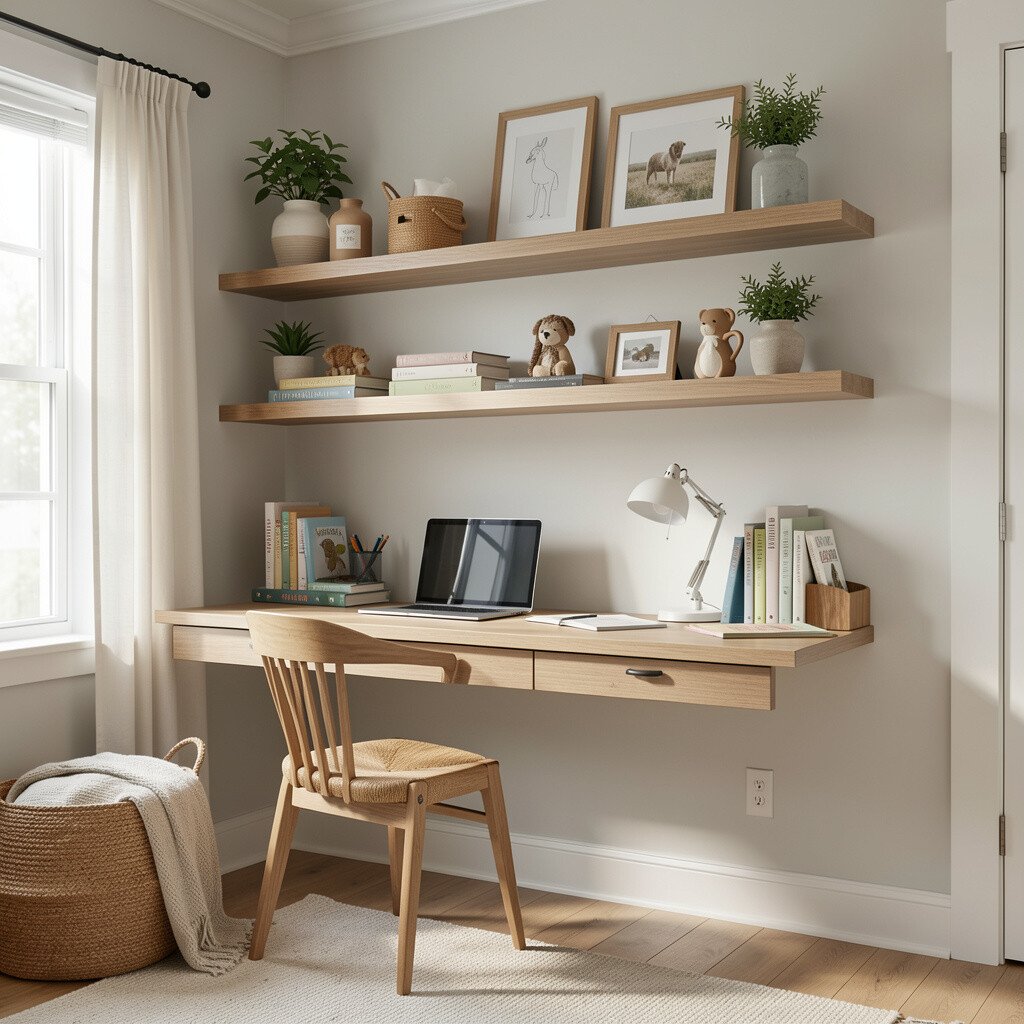
8. Floating Desk Shelves for Mini Lessons
Floating Desk Shelves for Mini Lessons
Floating shelves can turn wall space into a mini learning station. They save floor space, which helps rooms feel open even in smaller homes.
Mount one or two shelves at kid height and add a slim desk surface or clipboard board. Store reference books and workbooks there so students can grab them without wandering. This supports independence and keeps supplies from piling up on tables.
Use a shelf organizer with compartments for pencils, rulers, and scissors. Choose wood and black brackets for the farmhouse style. For cost control, start with one shelf and build up as your program grows.
9. Farmhouse-Style Lighting for Warm, Focused Evenings
Farmhouse-Style Lighting for Warm, Focused Evenings
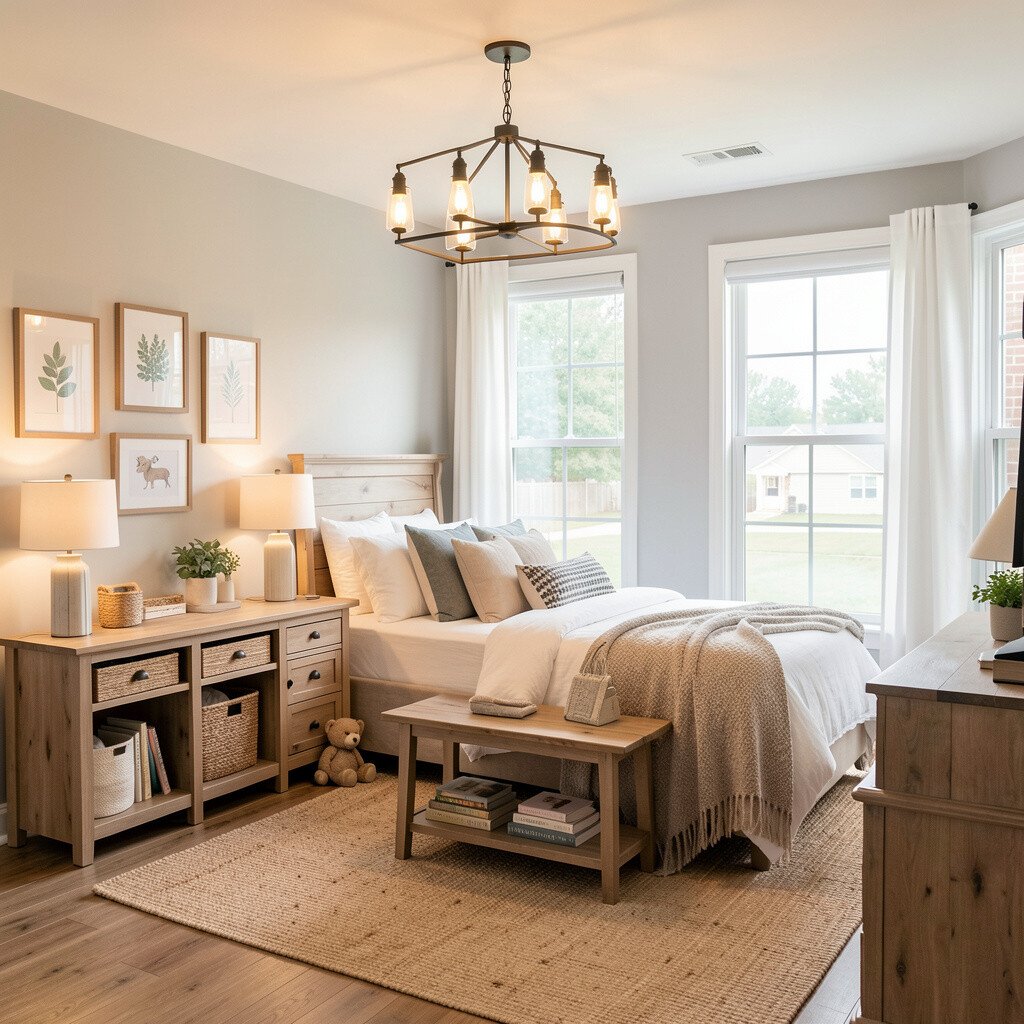
Lighting changes everything about how a room feels. Warm bulbs and well-placed lamps can make studying feel calmer.
Choose a pendant light over the table for a farmhouse look. Add a floor lamp near the reading nook so students can work during the evening without glare. Good lighting helps reduce eye strain and makes handwriting and reading easier.
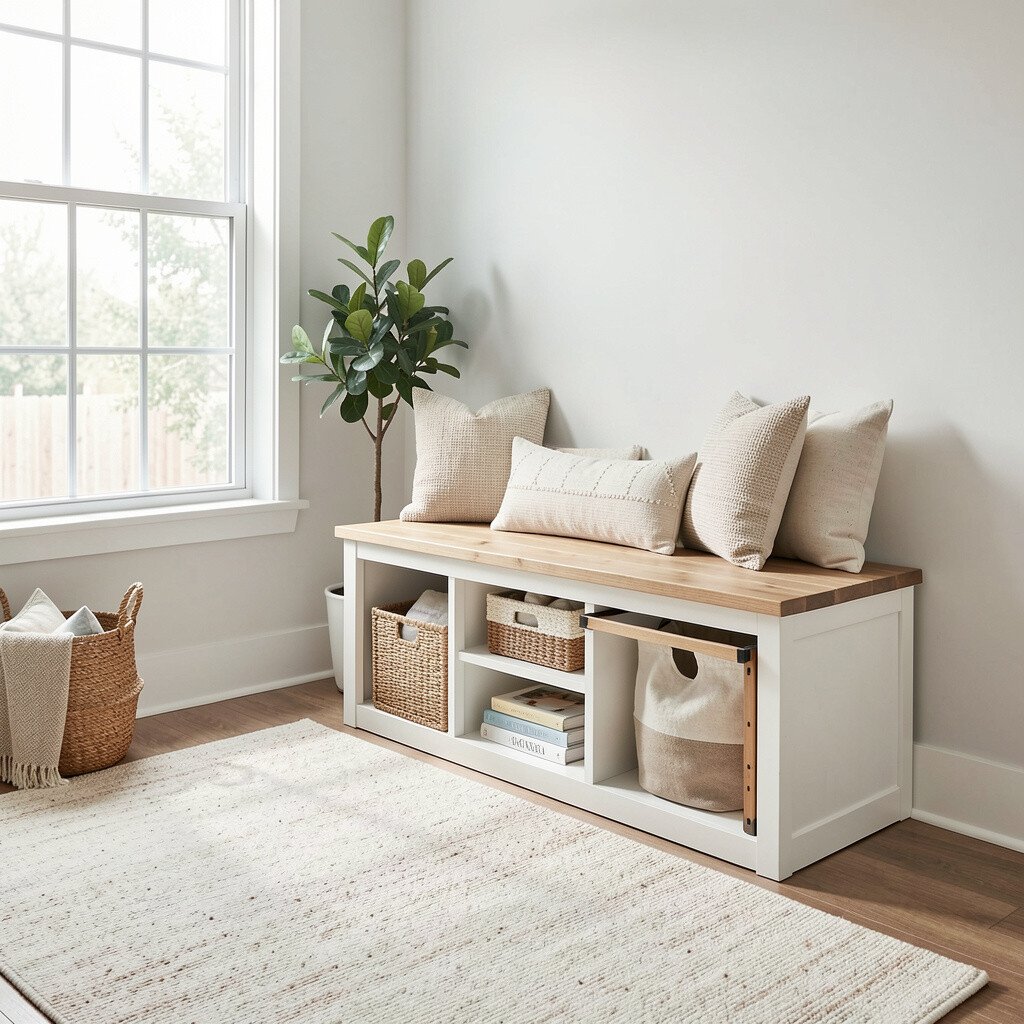
10. Storage Bench With Hidden Pull-Out Compartments
Storage Bench With Hidden Pull-Out Compartments
A storage bench keeps backpacks, coats, and extra supplies organized without clutter. It also gives students a handy place to sit while tying shoes or getting ready.
Look for a bench with a hinged top or pull-out drawers for hidden storage. This type of storage supports a quick reset after lessons. When items vanish behind closed space, the room stays visually peaceful.
To make it personal, paint the bench a soft neutral or keep the wood tone natural. Add a removable cushion cover that you can wash. For practical daily flow, put frequently used items in front compartments so kids can reach them easily.
11. Vintage-Inspired Curriculum Carts for Rotations
Vintage-Inspired Curriculum Carts for Rotations
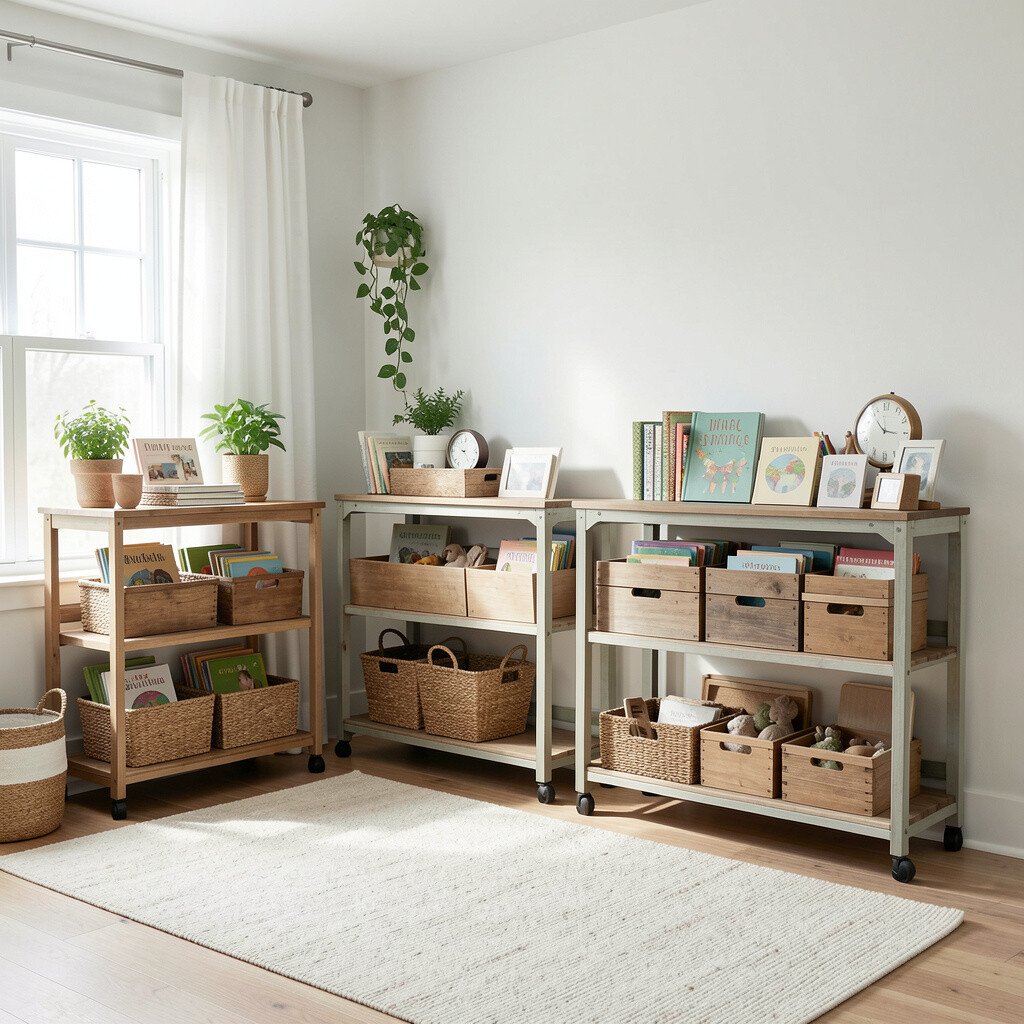
A curriculum cart makes it easy to rotate subjects without hauling boxes around. It’s especially helpful if you teach more than one student or work in short blocks.
Choose a cart with wheels, a wood top, and simple metal sides for that vintage farmhouse feel. Use it to hold current units, readers, and worksheets. Keeping each week’s materials together reduces searching and helps students start faster.
For personalization, add a small chalkboard label on each shelf so updates feel fun. You can also add a basket for “finished work” to keep grading organized. If you’re budgeting, search for a used cart and refresh it with paint and new wheels.
12. Personalized Growth Chart and Seasonal Decor System
Personalized Growth Chart and Seasonal Decor System
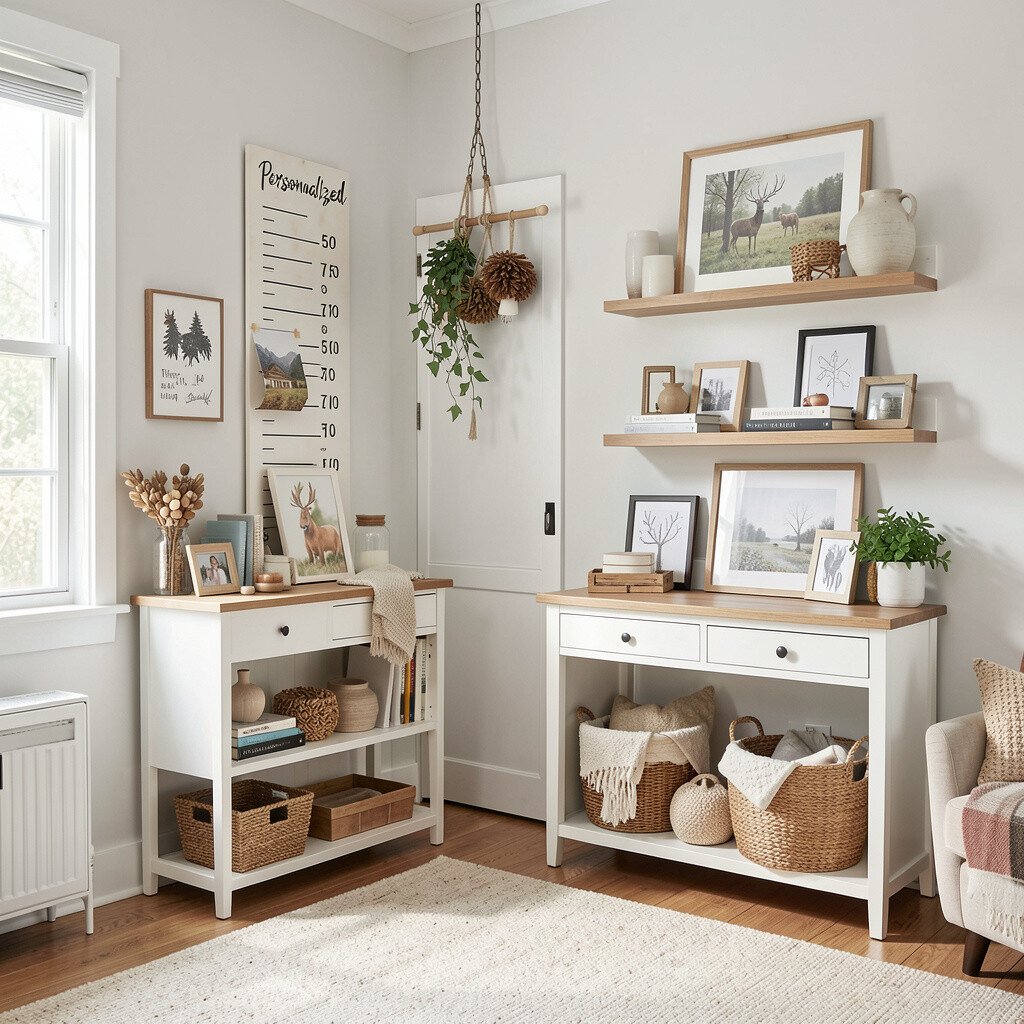
A homeschool room can feel meaningful when you track growth in a visible way. A growth chart or calendar wall gives students something to watch over time.
Create a simple system for seasonal decor so the room stays festive without getting chaotic. Use a few interchangeable pieces stored in one labeled bin, then swap them out when holidays and units change. This keeps the room feeling fresh while protecting your budget and your time.
For visual balance, choose decor that matches your farmhouse palette, like muted greens, creams, and warm wood tones. Add a section for student achievements, like science milestones or reading goals. When students see their progress, motivation usually grows naturally.