Learning sticks best when your system feels friendly. The right flashcard box can make study time feel less like work.
You can keep facts tidy, review faster, and stay motivated with small design choices. Below are practical box ideas that match different goals and budgets.
Picture a sturdy wooden or plastic box with a drawer that glides smoothly. Inside, each card faces the same direction so you can grab what you need without rummaging.
Use one drawer for “new,” another for “practice,” and a third for “ready to test.” This setup helps you review in a steady rhythm, and your brain learns the routine as much as the content.
2. The Stackable Mini Crate System
The Stackable Mini Crate System
Imagine several small crates stacked neatly like building blocks. Each crate holds a color-coded set, so your eyes instantly see where you are in the study flow.
Stacking saves space on a desk and keeps everything visible, which helps you study more often. You can personalize crates by labeling the sides with simple icons like a book, a star, or a check mark.
For cost, start with affordable organizer crates from discount stores, then upgrade to nicer ones later. A current trend is using bright color blocks and transparent fronts for quick sorting.
3. The Magnetic Flip-Lid Folder Box
The Magnetic Flip-Lid Folder Box
Think of a flat box with a lid that flips open and snaps shut with magnets. When you open it, the cards sit in a snug tray so they don’t scatter.
The magnetic closure makes it easy to carry, which is great for commuters or students who switch locations. You can create uniqueness by using a lid printed with your favorite pattern or school colors.
Try a simple rule: store cards by topic, then flip the lid and review by category. For practical sorting, use small dividers cut from cardstock so each section stays neat.
If you want lower cost, reuse a sturdy tissue box and add magnetic strips on the lid. Add a laminated label strip so the box still looks sharp after lots of handling.
Visualize a clear acrylic or plastic box where the cards are easy to see. Sticky tabs stick out on the edges like little bookmarks, guiding you to the next set.
Because you can spot cards quickly, review sessions feel faster and less frustrating. This kind of setup is great for quick daily practice, especially when you’re learning vocabulary or math steps.
5. The Calendar-Style Week Drawer
The Calendar-Style Week Drawer
Picture a box shaped like a weekly planner, with sections for each day. Each section holds the cards you plan to review that day, so your study plan is already built in.
This structure supports consistency, and it reduces the stress of deciding what to do next. Personalize it by using your favorite planner theme, like ocean waves or comic panels.
For practical tips, print small date cards and slip them into the front window of each compartment. If you’re on a budget, a shoebox with handmade cardstock dividers works surprisingly well, especially for short routines.
6. The Theme-Labeled Book Spine Box
The Theme-Labeled Book Spine Box
Imagine a box that looks like a row of books standing on a shelf. Each “spine” is a label that matches a unit, chapter, or skill.
This idea feels fun because it turns studying into browsing. When your materials look like a library, you’re more likely to reach for them and practice regularly.
Use practical tips like keeping matching cards inside the “book” that matches their theme. You can also print a tiny picture on each spine, like a map for geography or a microscope for science.
For cost, cover a plain storage box with paper that you decorate yourself. A current trend is mixing clean organization with personal flair, so simple doodles and bold fonts fit right in.
7. The Two-Panel Check-and-Confidence Box
The Two-Panel Check-and-Confidence Box
Picture a box split into two panels, one for “I know it” and one for “I’m building it.” The panels can be created using a divider tray so cards stay in the right side after each session.
This design helps you track progress without complex apps. It also encourages honesty, because you feel the difference between quick answers and careful thinking.
Add uniqueness by choosing a divider color that matches your mood, like calm blue for confidence and energizing orange for practice. For practical tips, review the “building it” side first so you strengthen weak spots early.
Think of a box holding several envelopes inside, like a mini mail system for learning. Each envelope represents a small learning chunk, such as a single lesson or a short set of concepts.
Using envelopes helps you study in manageable bits, which keeps your attention from getting tired. It also makes it easier to personalize, since you can adjust how many envelopes you use for each subject.
For practical tips, write the key question on the front of each envelope so you see the goal before you start. If you want a low-cost option, reuse old envelopes and add a label that matches your curriculum.
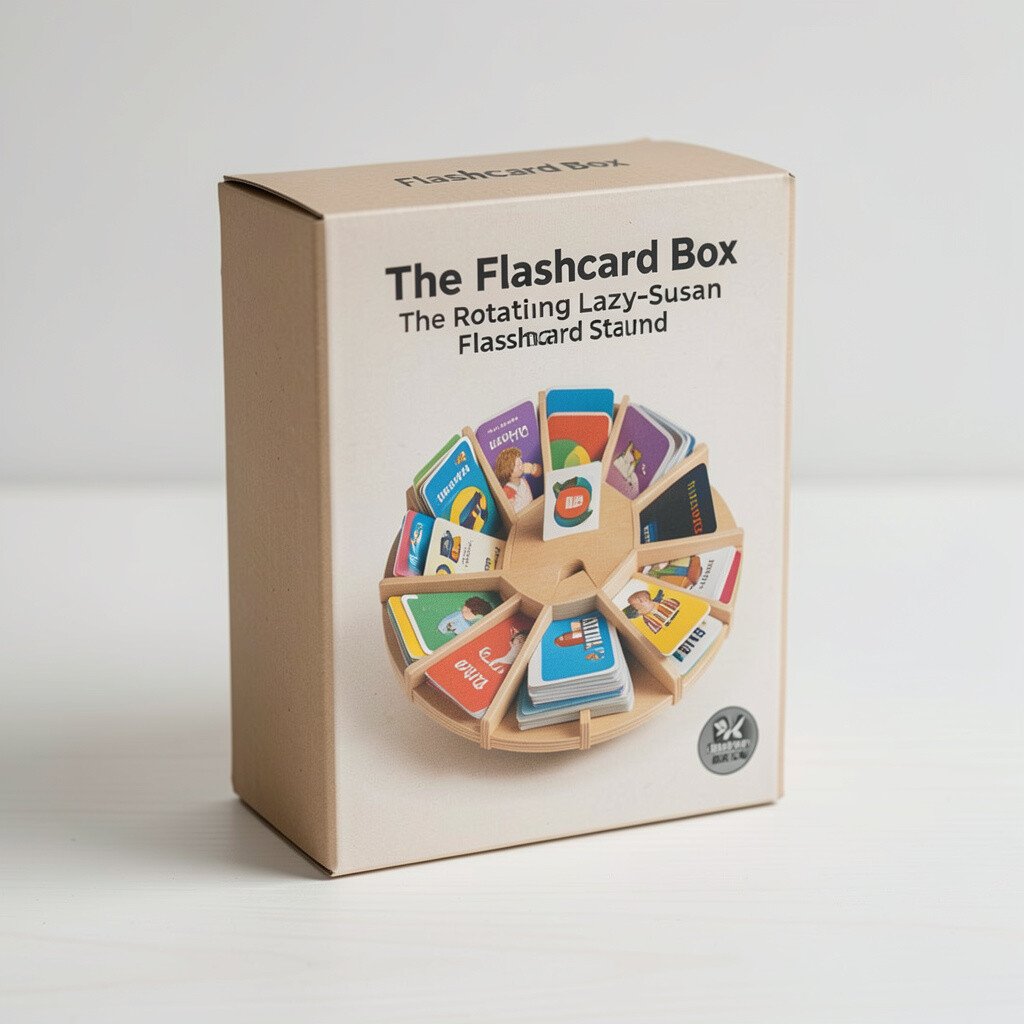
9. The Rotating Lazy-Susan Flashcard Stand
The Rotating Lazy-Susan Flashcard Stand
Visualize a lazy susan inside a larger box, so you can spin to reach the next card set. Instead of digging for stacks, you simply rotate and grab.
This setup is great for active study styles, like quick self-quizzing during short breaks. It also supports personalization because you can place different topics around the circle.
For cost considerations, you can buy a small lazy susan base and mount it into a shallow container. A current trend is using “grab-and-go” desk setups, which reduce friction and make practice feel effortless.
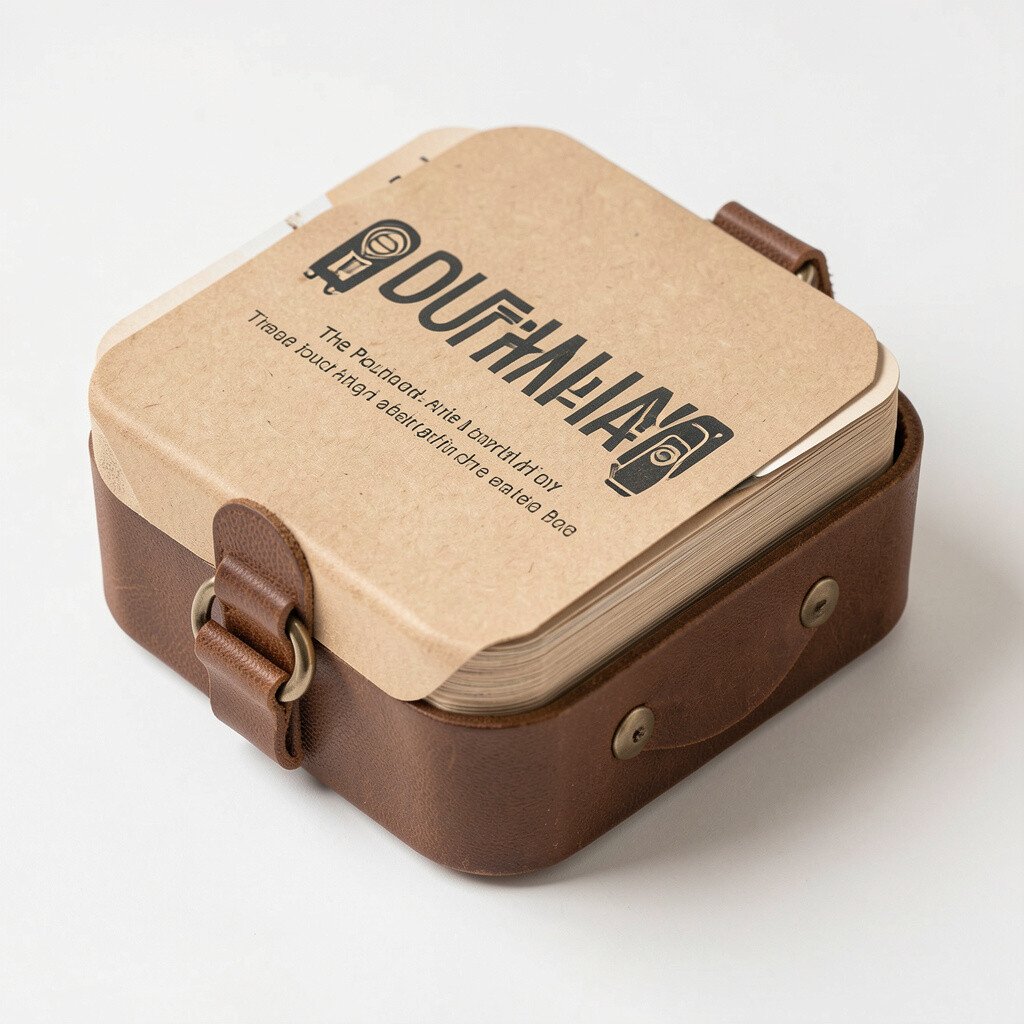
10. The Pouch-and-Tag Travel Box
The Pouch-and-Tag Travel Box
Imagine a slim box with a few small pouches inside, plus tags that clip onto cards. It looks light and tidy, like a craft kit, and it’s easy to take anywhere.
Travel-style organization helps you keep learning materials together, even when you’re at home, school, or waiting somewhere. You can personalize it by choosing pouch colors for each subject and adding a tiny charm or sticker you love.
For practical tips, keep one pouch for flashcards and one pouch for extra supplies like a pen or marker. If you’re watching your budget, a simple lunch bag organizer can work as a pouch system with minimal cost.
When you move your study routine around your day, having an easy travel box makes practice more likely. That simple convenience can be the difference between “sometime” and “often.”
11. The Under-Desk Sliding Supply Box With Card Trays
The Under-Desk Sliding Supply Box With Card Trays
Picture a shallow sliding tray hidden under your desk, with card sections that slide out smoothly. When you pull the tray, the cards line up like neat steps.
This keeps your main desk area clean, which helps you focus on learning instead of clutter. It’s a practical choice for students who want visual calm but still need quick access during homework time.
To personalize, choose tray colors that match your workspace, such as muted gray with a bright accent. For cost, repurpose a drawer organizer or use plastic bins and add simple dividers for each topic.
A current trend is making study zones flexible, so a hidden tray supports both quiet desk work and occasional stand-up reviews. Keep the “daily” cards closest to the front so you can grab them in seconds.
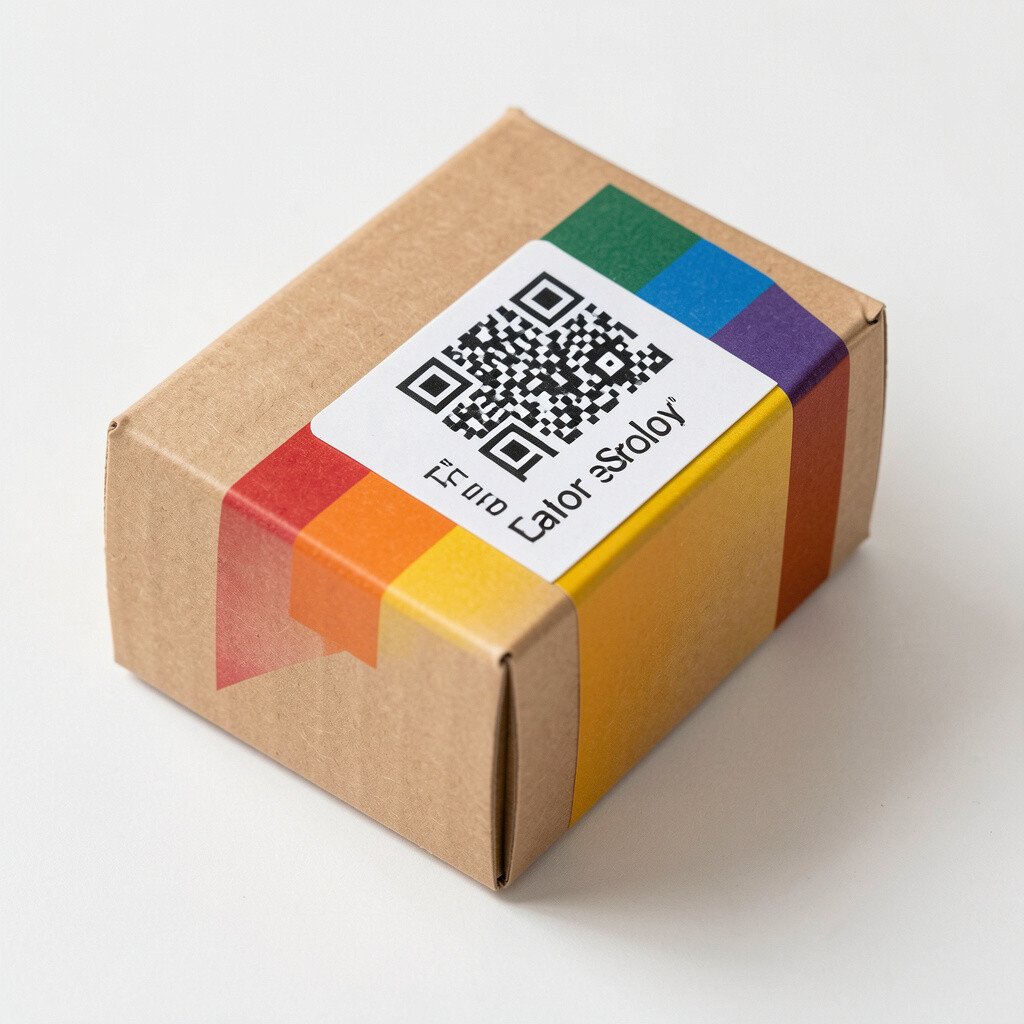
12. The Color-Strip QR Label Box
The Color-Strip QR Label Box
Imagine a flashcard box with color strips along the front, and a small QR code sticker for each topic. When you scan, you can open a quick list of study goals or a matching worksheet.
This idea blends organization with modern learning habits, especially if you like digital support alongside paper. It can also feel unique, because your box becomes a personalized bridge between formats.
For practical tips, place the color strip on the exact card section it represents, so sorting stays consistent. Keep QR links short and simple, like a page with practice prompts or a timer set.
For cost considerations, you can print labels at home and use free QR tools online. Just be sure the links stay stable so your box doesn’t lose value over time.
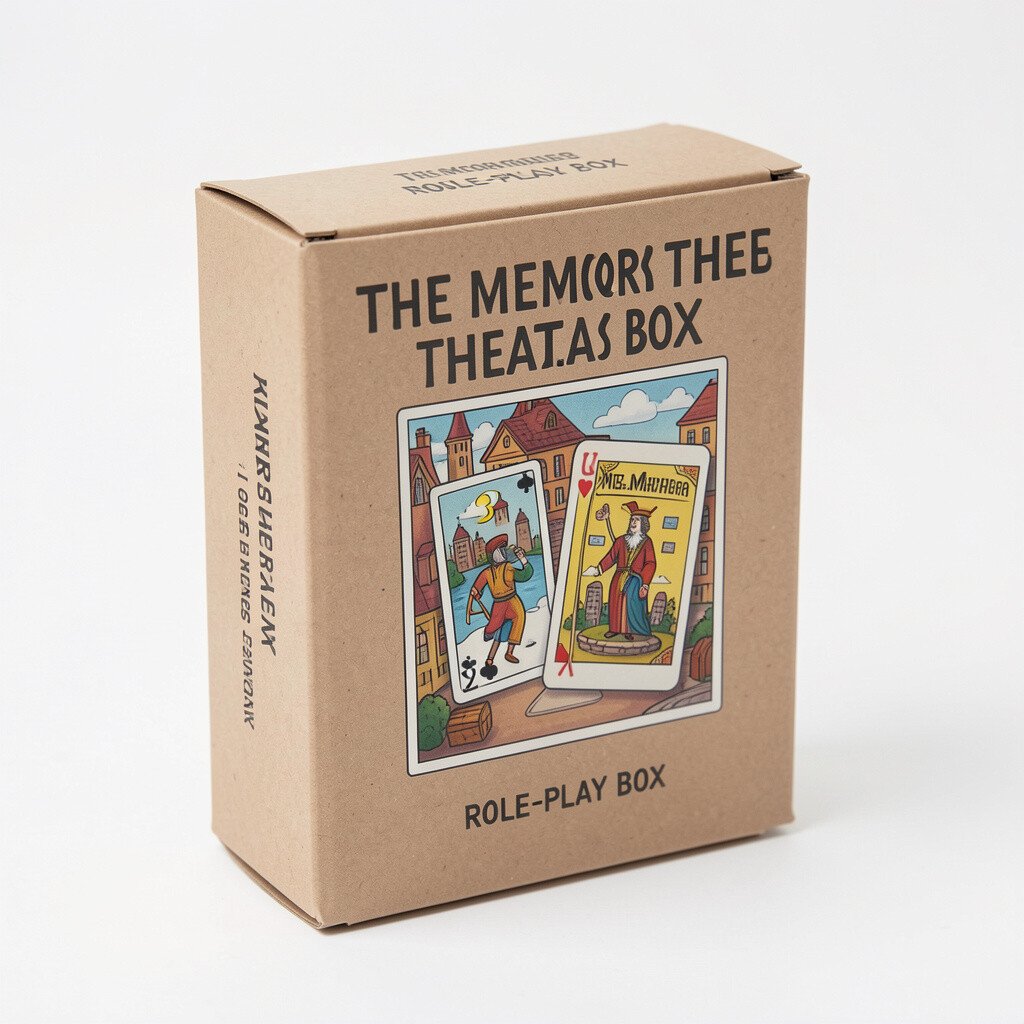
13. The Memory Theater Role-Play Box
The Memory Theater Role-Play Box
Picture a box decorated like a mini stage, with card sections labeled as “actor,” “scene,” and “audience.” Each card set becomes part of a role-play game where you practice answering in character.
This method is uniquely motivating because it turns recall into a story. Visual learners especially enjoy it, since the box design makes you remember the “scene” when you answer.
For practical tips, add a small icon on each card holder that matches the role, like a lightbulb for ideas or a megaphone for explanations. You can personalize by writing tiny scripts on index cards, such as a two-sentence “explain it like I’m teaching a friend.”
For cost, use craft supplies you already have, like colored paper, tape, and old shoeboxes. A helpful trend is using playful study mechanics, and role-play boxes fit that style without needing expensive materials.
When your flashcards feel like a game, you’re more likely to return for another round and improve faster. Over time, the box becomes a cue that signals your brain to shift into learning mode.