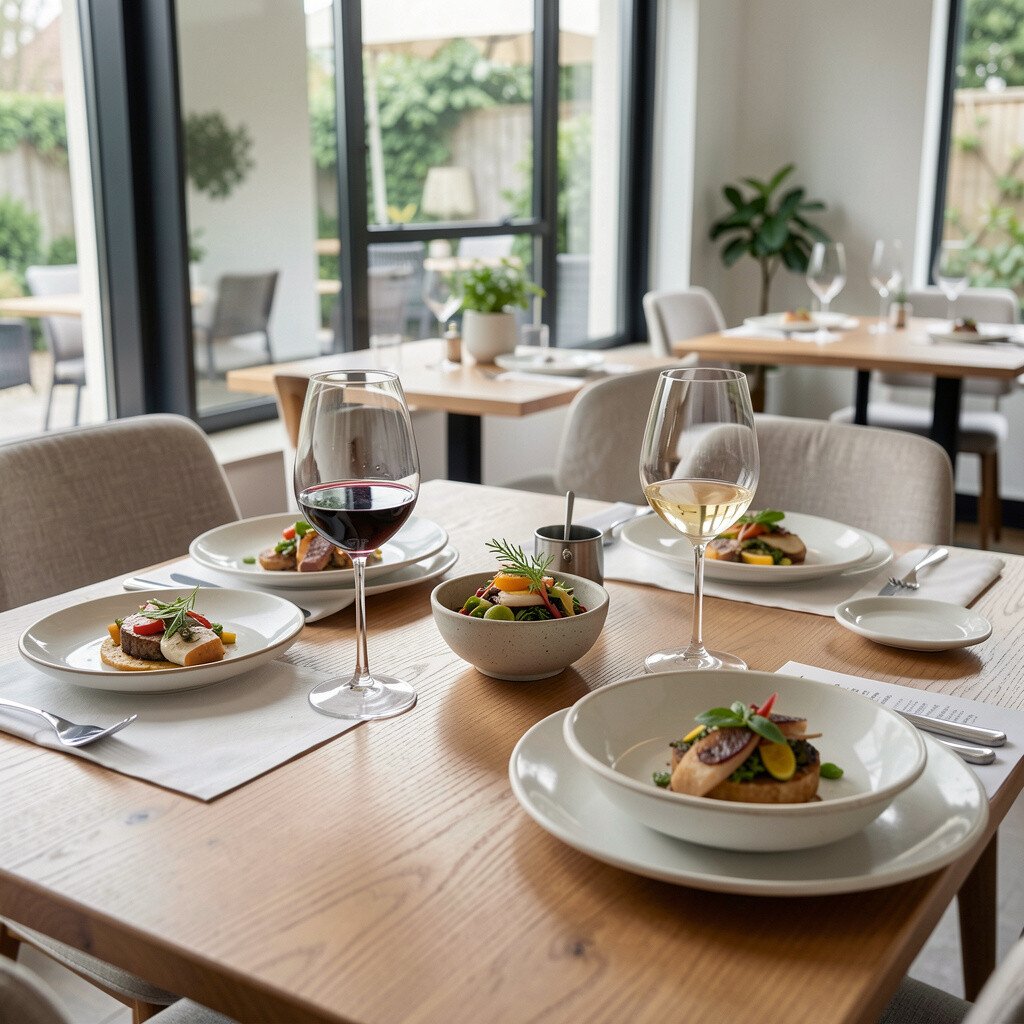
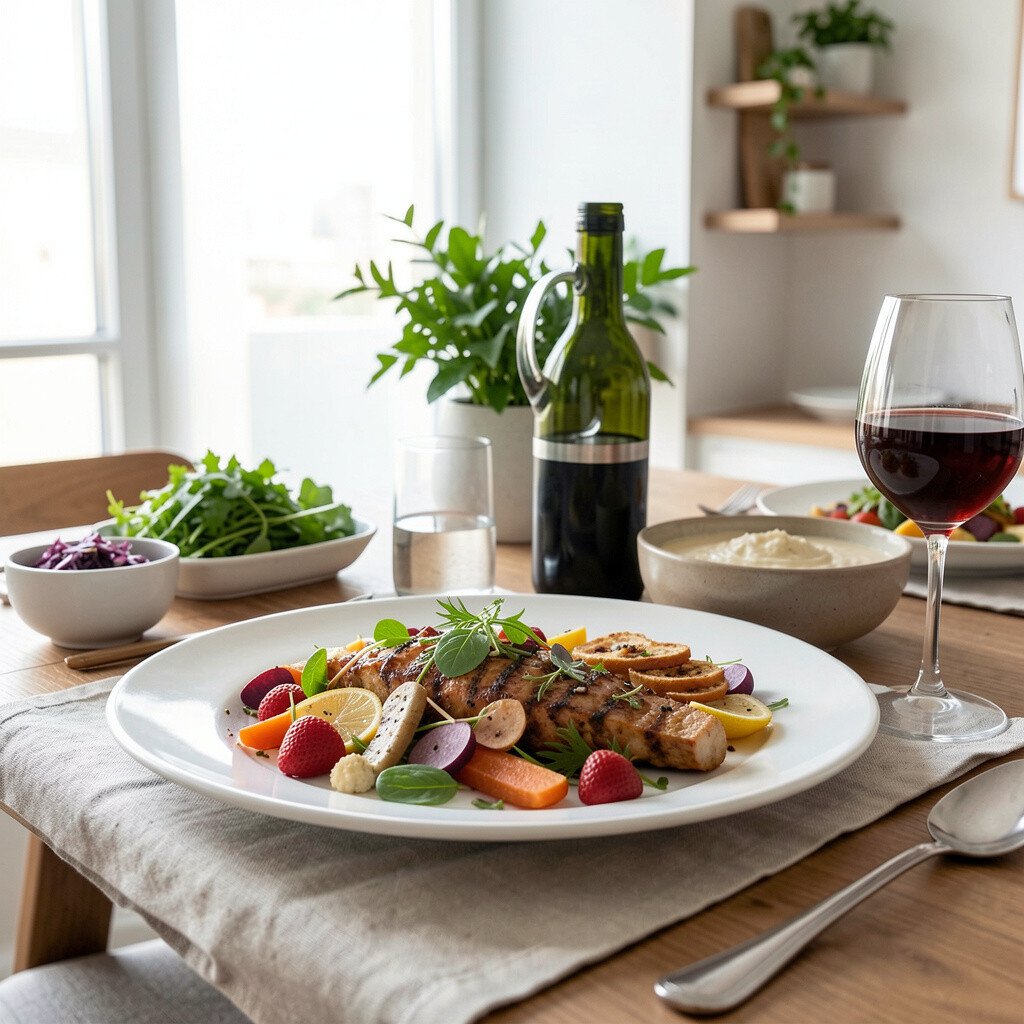
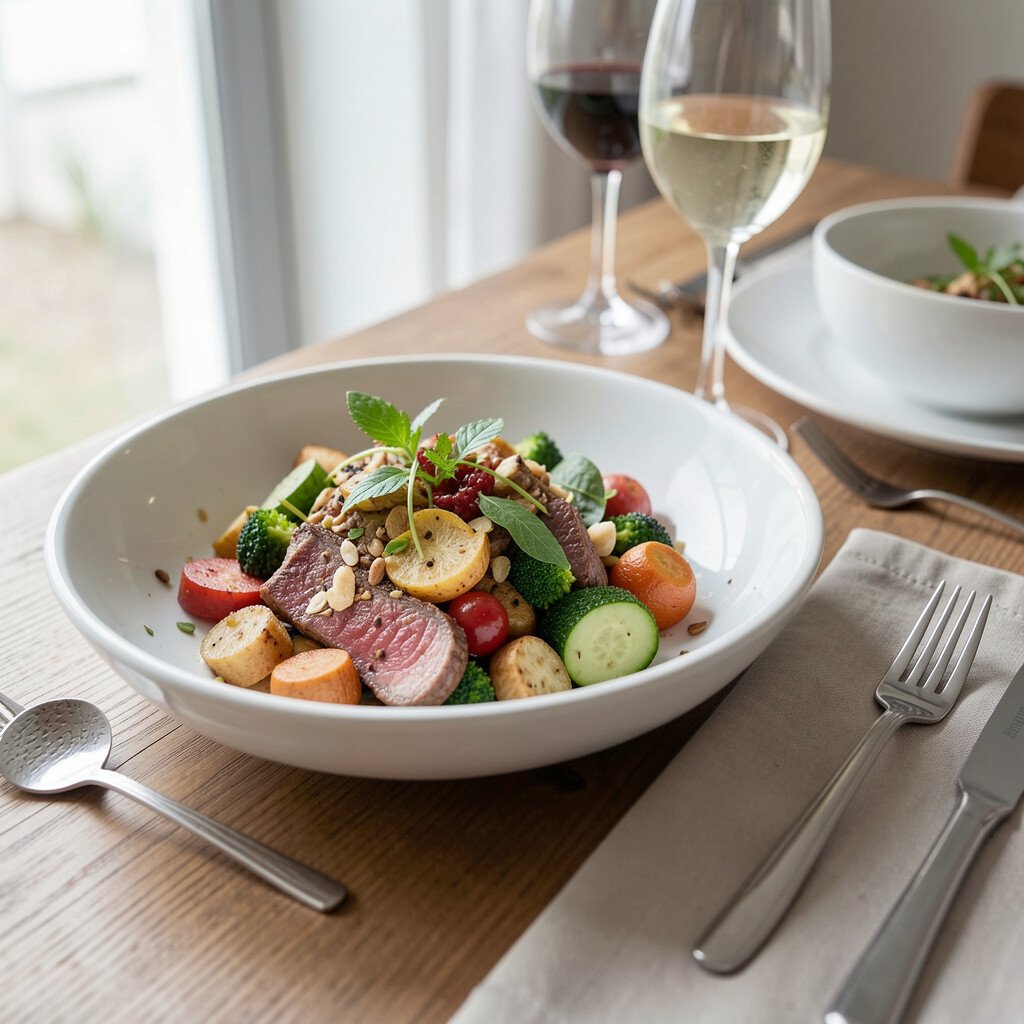
The next wave of dining feels both cozy and cutting-edge. Small choices are making meals more personal, more flavorful, and more fun.
Today’s tables are getting smarter, greener, and more inviting. If you enjoy hosting, cooking, or simply eating out, these ideas can spark fresh routines right away.
Instead of sticking to a fixed menu for weeks, many places now build dishes around what is best that day. Picture a small chalkboard or a digital board glowing near the entry, then imagine your server smiling as they explain what just arrived.
You get better flavor because ingredients are at their peak. For a practical approach at home, plan a short list of flexible meals and then choose the final version based on what looks freshest at your market. This style also makes guests feel valued because they know they are eating something current, not reheated from the past.
Try pairing your micro-seasonal pick with one simple theme, like “crisp and bright” or “warm and smoky,” so the meal feels intentional. Even better, you can personalize the menu by swapping one hero ingredient, such as changing the main vegetable, the protein, or the sauce style. If cost matters, look for seasonal staples and treat expensive items as optional add-ons rather than the centerpiece for every plate.
2. Plant-Forward Plates That Still Feel Fully Satisfying
Plant-Forward Plates That Still Feel Fully Satisfying
Plant-forward dining is no longer just about salads. You can see hearty bowls, glossy roasted vegetables, and creamy sauces that cling to grains like comfort food.
The benefit is a lighter, fresher feel without losing that “I’m full and happy” satisfaction. For practical results, focus on texture, like mixing crunchy greens with tender beans, or pairing silky purées with crisp toasted toppings.
To personalize, keep a base that everyone can share, then add different toppings so each person builds their ideal plate. When planning budgets, choose beans, lentils, and seasonal vegetables as the core, and add smaller portions of pricier items like nuts or specialty cheese for extra richness.
3. Taste-First Pairings With Zero-Pressure Beverage Options
Taste-First Pairings With Zero-Pressure Beverage Options
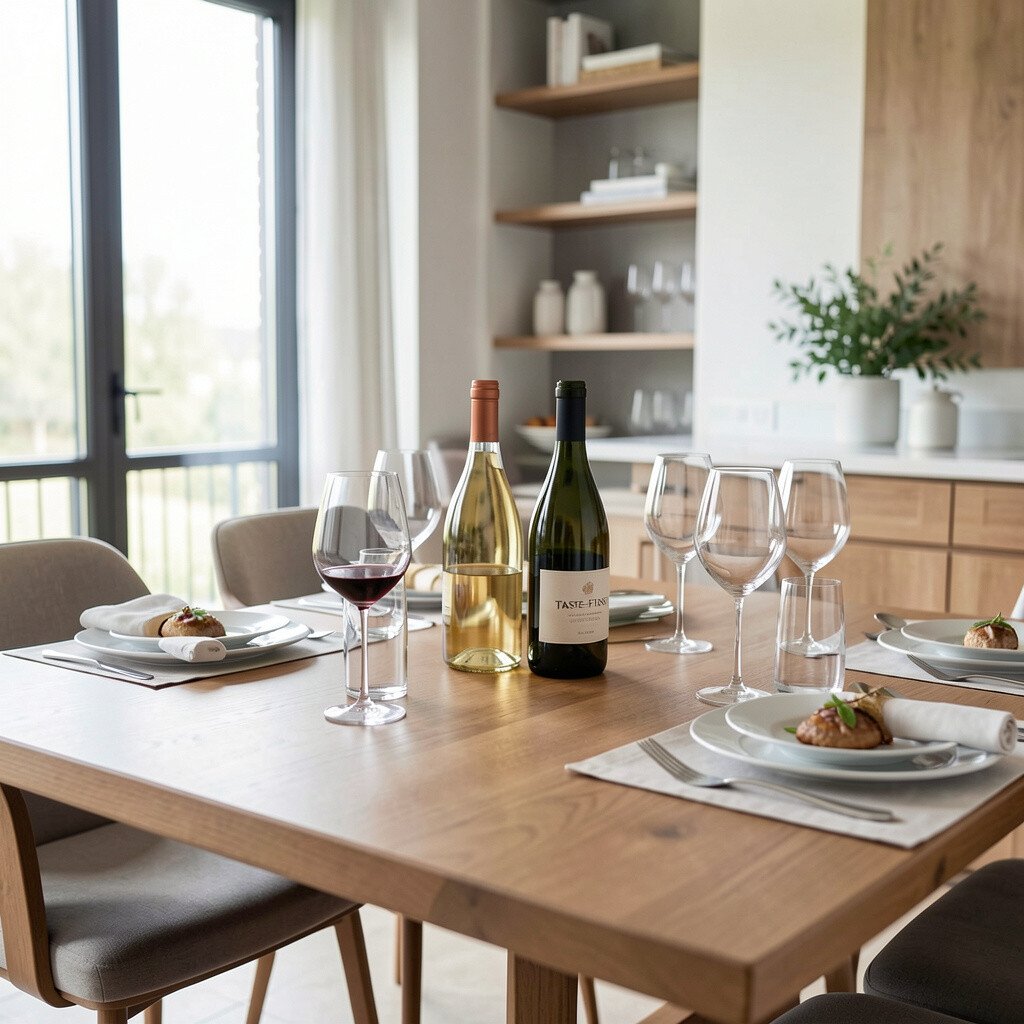
More restaurants are offering beverage pairings that act like flavor guides, not strict rules. You might notice tasting notes on a menu next to sparkling drinks, mocktails, or low-alcohol options.
This helps you match sweetness, acidity, and spice with your food in a way that feels friendly. For a practical night, start with one bold pairing, then keep the rest simple by repeating one flavor idea across the meal.
For personalization, ask for a non-alcoholic pairing that still includes interesting ingredients, like citrus peel, ginger, tea, or herbs. If you are cost-conscious, choose one “special” drink and fill in the rest with water or house infusions, which often taste premium for less money.
4. Heat and Spice Measured by Preference, Not Pressure
Heat and Spice Measured by Preference, Not Pressure
Spice is becoming more customizable, and it shows up in how dishes are served. Think of sauces on the side, warm oils drizzled lightly, and pepper toppings offered like a finishing touch.
The benefit is clear comfort because you can enjoy flavor without guessing your tolerance. At home, mix a small spice batch and taste it slowly, then offer extra on the side so each person can control intensity. This also reduces waste since you can use leftover sauce as a topping the next day.
Personalization is easy when you invite choices, like smoky, garlicky, or citrusy heat. For cost considerations, use a base chili or pepper blend once and stretch it across several dishes rather than buying many single-use hot sauces.
5. Shared Plates Designed Like a Meal Story
Shared Plates Designed Like a Meal Story
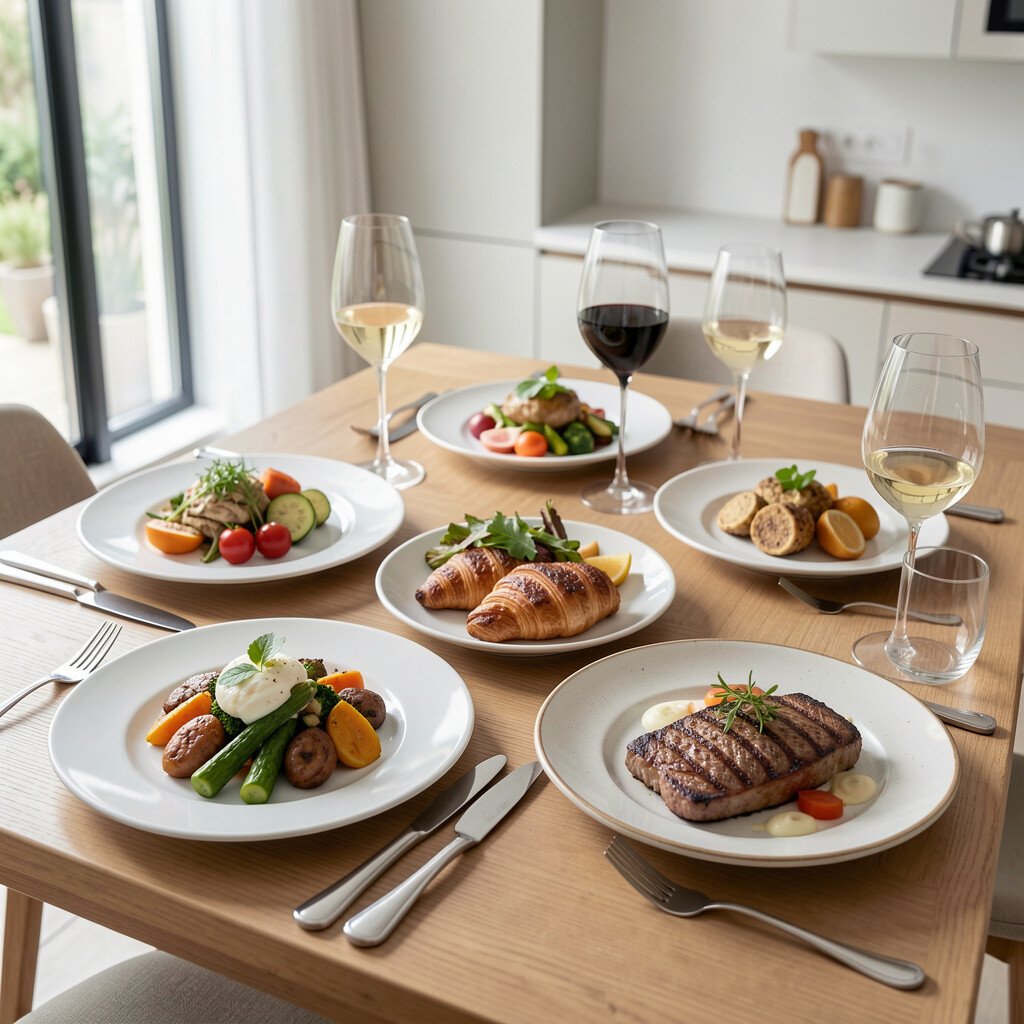
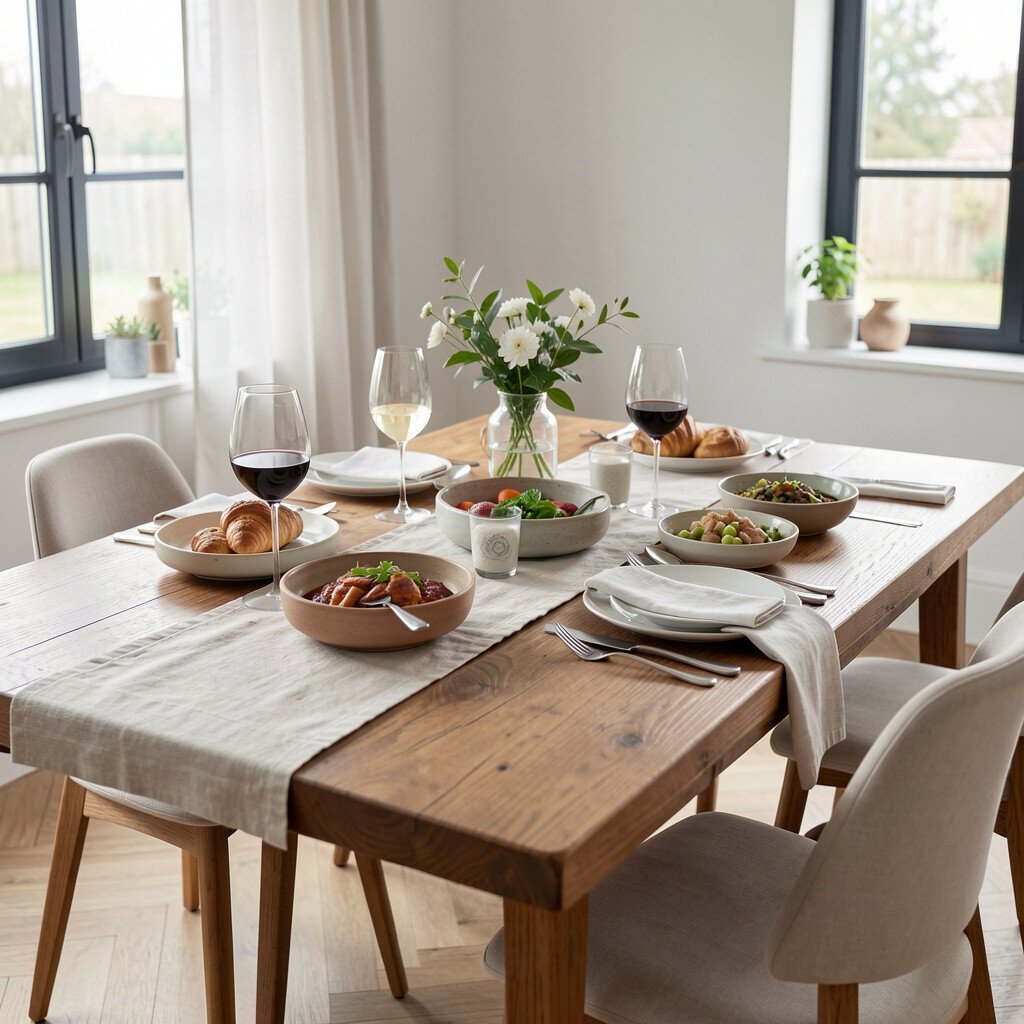
Modern sharing menus feel more curated than a random pile of food. You might see a sequence that starts with something bright, moves into warm comfort, and ends with a sweet or tangy finish.
The benefit is that the table feels like one experience, not scattered snacks. For practical hosting, choose plates that balance each other, like one creamy element, one crunchy element, and one fresh herb note.
To personalize, let guests pick one “signature” plate that represents their taste, then build the rest around it. If you want to manage cost, include one affordable anchor, like roasted chickpeas or seasonal vegetables, and add a small number of more expensive items for wow-factor.
6. Dessert Tables With Smaller Servings and Bigger Choices
Dessert Tables With Smaller Servings and Bigger Choices
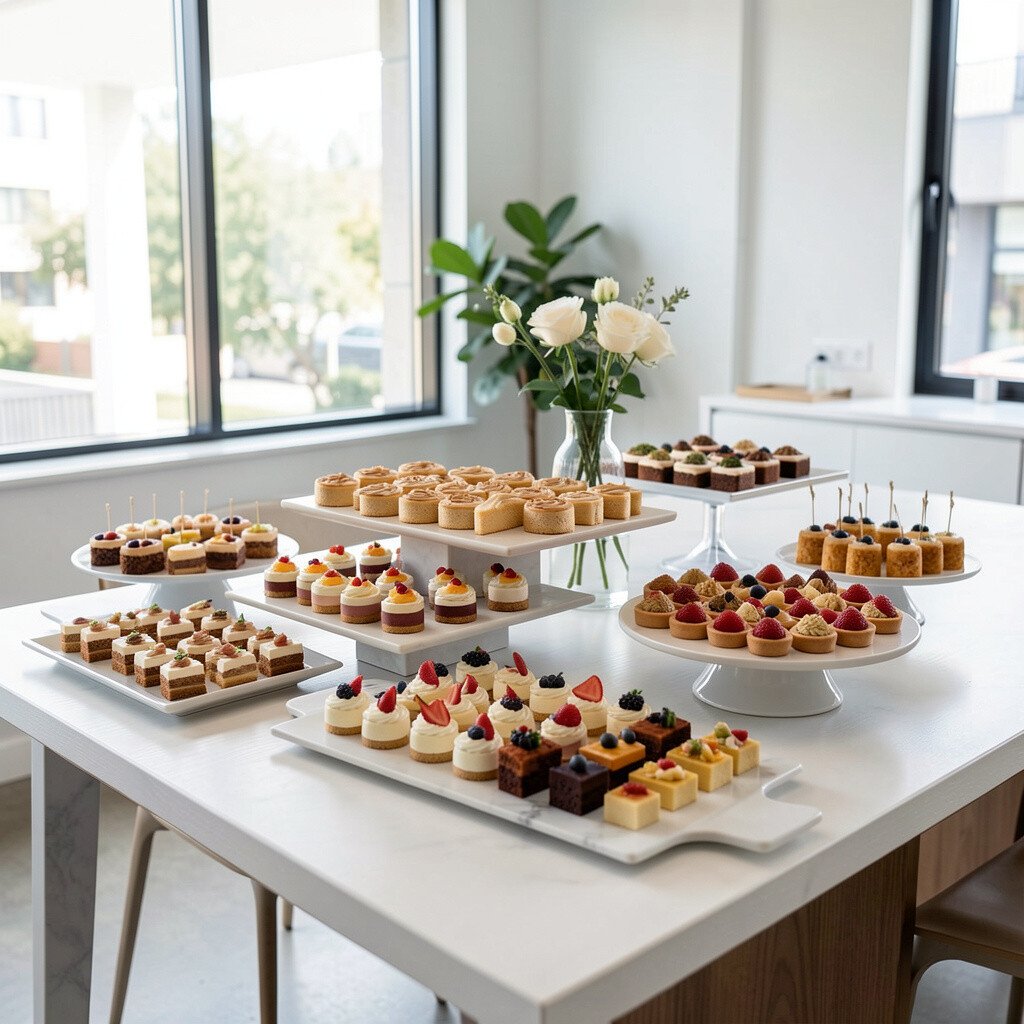
Dessert culture is shifting toward variety, so you do not have to choose only one. Imagine mini cups, neat slices, and a few rotating seasonal bites lined up like a friendly gallery.
The benefit is freedom, because you can taste more without feeling stuffed. For a practical plan at home, bake one base dessert component and pair it with different toppings, like fruit, chocolate, nuts, or yogurt swirls.
Personalization gets simple when guests can mix and match, such as choosing a sauce and then selecting a topping. For cost, focus on one main bake plus affordable add-ons, which keeps the final spread feeling abundant.
7. Fermentation-Friendly Flavors That Add Zing
Fermentation-Friendly Flavors That Add Zing
Fermented ingredients are showing up in everyday meals, from tangy pickles to quick kimchi-style toppings. You can spot the bright color contrast when red or green garnishes sit on top of warm plates.
The benefit is depth, because fermentation brings complexity that tastes restaurant-level. For practicality, try fast methods like quick cucumber pickles or a simple vinegar-based cabbage mix that is ready sooner than you expect.
Personalization is delightful when you let guests choose their tang level, since some love bold sourness and others prefer mild crunch. When thinking about cost, fermentation can be budget-friendly since you are using everyday produce and reducing food waste through preservation.
8. Indoor-Outdoor Dining With Cozy, Weather-Smart Comfort
Indoor-Outdoor Dining With Cozy, Weather-Smart Comfort
More spaces are blurring the line between dining room and fresh air. You might notice string lights, patio heaters, and tables positioned to catch breezes, even on cooler evenings.
The benefit is a mood boost, because open air makes meals feel lighter and more relaxed. For practical setups, use layered lighting and a few comfortable touches, like blankets for cooler nights or citronella candles for outdoor bugs.
Personalization can be as simple as choosing a vibe, like “garden calm” or “night market fun,” through music volume, centerpiece style, and table textures. Cost can be managed by focusing on lighting and a strong centerpiece, then keeping furniture and decor minimal but well placed.
9. Low-Waste Menus That Treat Scraps Like Ingredients
Low-Waste Menus That Treat Scraps Like Ingredients
Chefs are rethinking food waste by using stems, peels, and odds and ends with care. Picture a bowl of roasted veggie tops, a bright pesto made from greens, and a broth simmered from flavorful bits.
The benefit is sustainability paired with great flavor, since these parts often taste more intense than you expect. For practical cooking, save scraps in the freezer, then make a weekly broth or sauce base that you can reuse across meals.
Personalization shines when you let your household choose what goes into a shared batch, like selecting herbs for pesto or picking the vegetable scraps based on what is available. For cost, low-waste habits can lower grocery bills over time because nothing gets thrown out so quickly.
10. Bold Umami Builders That Make Simple Meals Taste Gourmet
Bold Umami Builders That Make Simple Meals Taste Gourmet
Umami is getting a lot of attention, and it is showing up in sauces, marinades, and finishing sprinkles. You might see miso, mushrooms, soy-inspired glazes, or slow-roasted tomatoes used to deepen flavor.
The benefit is that even modest ingredients can taste rich and satisfying. For practical results, add one umami booster to your pantry, like a small jar of miso or a bottle of soy-based sauce, and use it in small amounts.
Personalization is easy because you can choose your umami direction, such as savory and earthy or sweet and tangy. Cost-wise, umami staples can feel like an investment at first, but they stretch far since a little goes a long way.
11. Texture-Driven Cooking With Crunch, Cream, and Contrast
Texture-Driven Cooking With Crunch, Cream, and Contrast
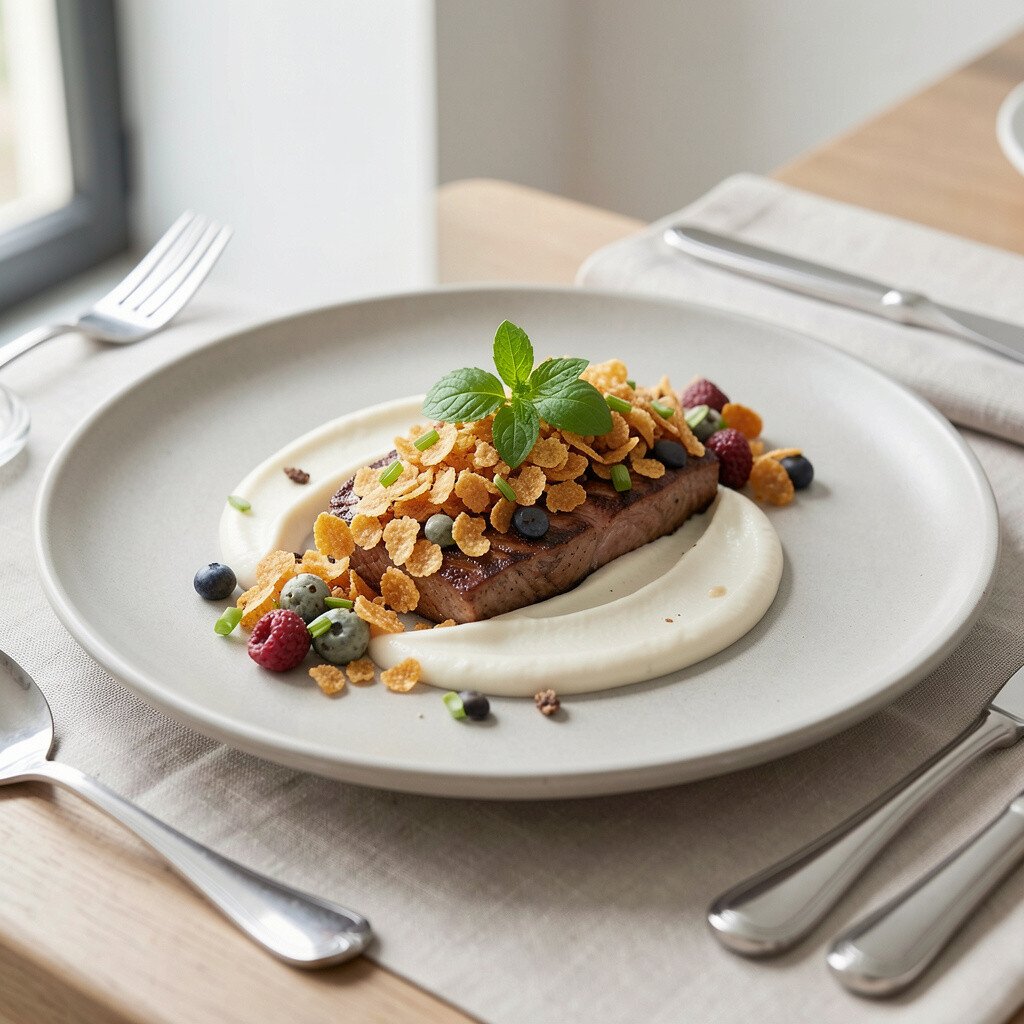
Many modern dishes emphasize texture as much as flavor. Think crisp garnishes, velvety sauces, and tender proteins that arrive with a satisfying “bite” in every direction.
The benefit is enjoyment, because texture keeps food interesting from the first mouthful to the last. For practical plating, add at least two contrasting textures, like a creamy base with crunchy toppings and a fresh element for brightness.
Personalization is natural when you offer crunchy choices, like toasted nuts versus crispy onions, so everyone can pick what they love. If cost matters, use homemade crunches from bread, rice, or roasted seeds rather than buying multiple snack toppings.
12. Warm Minimalism With Thoughtful Presentation
Warm Minimalism With Thoughtful Presentation
Minimalist plates are not empty, they are intentional. You might notice plenty of white space, clean lines, and a single colorful centerpiece that looks calm but not boring.
The benefit is that flavors stand out, because nothing competes for attention. For practicality, aim for a simple plate formula, like one main, one supporting side, and one fresh garnish that adds color and aroma.
Personalization can be built in with small differences, such as swapping herbs, changing the sauce color, or adjusting the height of the stack for visual preference. On cost, minimalism often helps because you use fewer decorative extras while still making the plate look polished.
13. Interactive Cooking Moments That Stay Friendly
Interactive Cooking Moments That Stay Friendly
From sizzling tables to finishing sauces at the last second, diners increasingly enjoy a moment of participation. Picture a server pouring sauce over noodles right in front of you, or a skillet brought to the table with a dramatic aroma.
The benefit is a fun, memorable experience without needing a complicated skill set. For practicality at home, you can recreate the idea by letting someone customize their bowl with a finishing drizzle, a sprinkle of herbs, or a hot topping warmed on a small pan.
Personalization grows when you invite choices, like choosing between two sauces or selecting a preferred spice level. Cost considerations are manageable because interactive moments usually use simple components you already cook, plus a small extra garnish that makes the moment feel special.
14. Kitchen-Centric Hosting With Smarter Layouts
Kitchen-Centric Hosting With Smarter Layouts
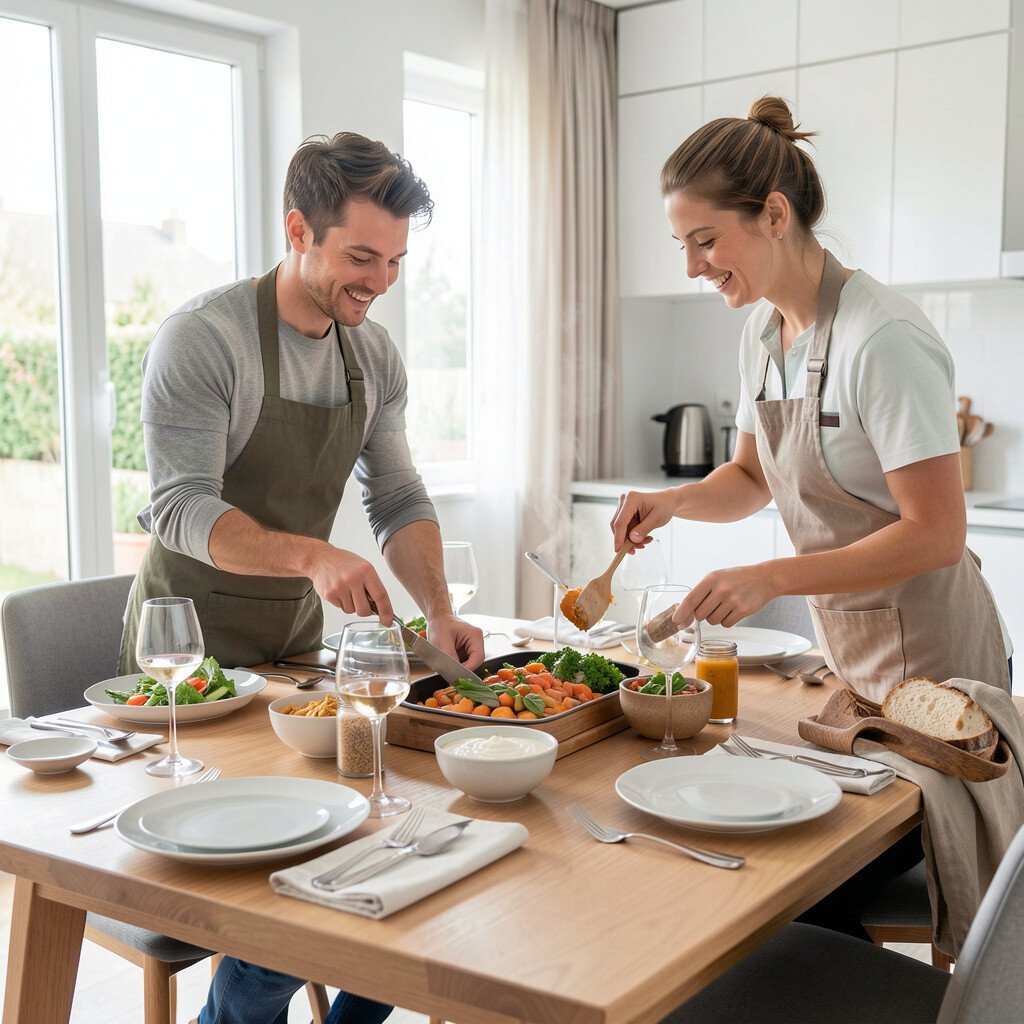
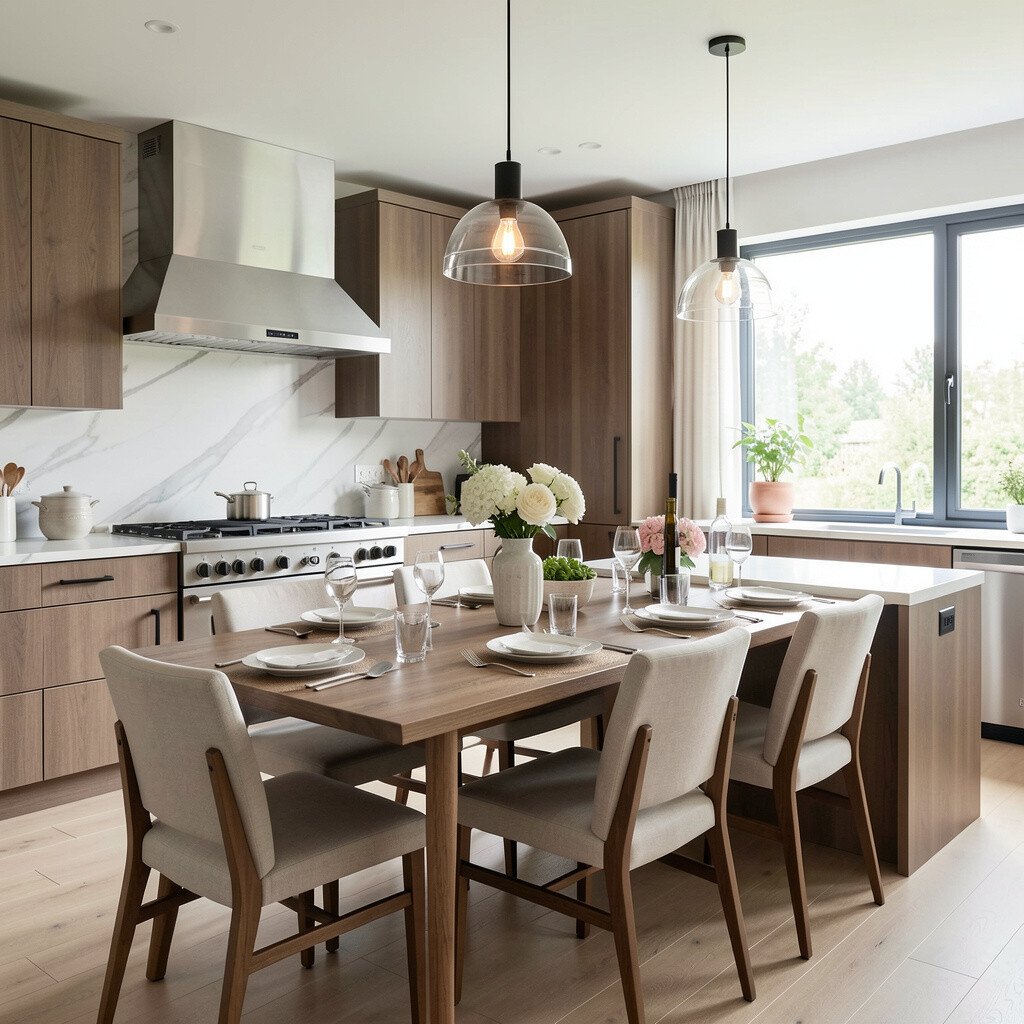
Hosting is becoming more kitchen-friendly, so guests feel included instead of separated. You may see open counters, pass-through trays, and serving stations that help you move food smoothly.
The benefit is less stress for the host and a more social flow for everyone else. For practical hosting, set up a “serve lane” with plates, napkins, and utensils within reach, then stage food in the order you will bring it out.
Personalization can be simple when you let guests help assemble, like building tacos, topping bowls, or mixing their own dressing. To control cost, buy ingredients that serve multiple functions, such as herbs for garnish and flavor, and proteins that can be seasoned in two ways.
15. Global Comfort Classics Reimagined With Local Ingredients
Global Comfort Classics Reimagined With Local Ingredients
Modern dining often borrows beloved comfort foods while using ingredients that fit local seasons. Picture a familiar noodle dish with a twist of local greens, or a cozy soup flavored with regional spices.
The benefit is that you get the warmth of a classic with a fresh identity that feels new. For practical cooking, choose one global idea and keep it simple, then swap one ingredient based on what you can buy easily and affordably.
Personalization comes from customizing heat, herbs, and toppings so your household can make it their own version. Cost considerations are easier when you select local produce as the bulk of the dish and treat specialty items as optional add-ons.
16. Tea, Coffee, and Cold Brew Pairings With Food-Friendly Flavor
Tea, Coffee, and Cold Brew Pairings With Food-Friendly Flavor
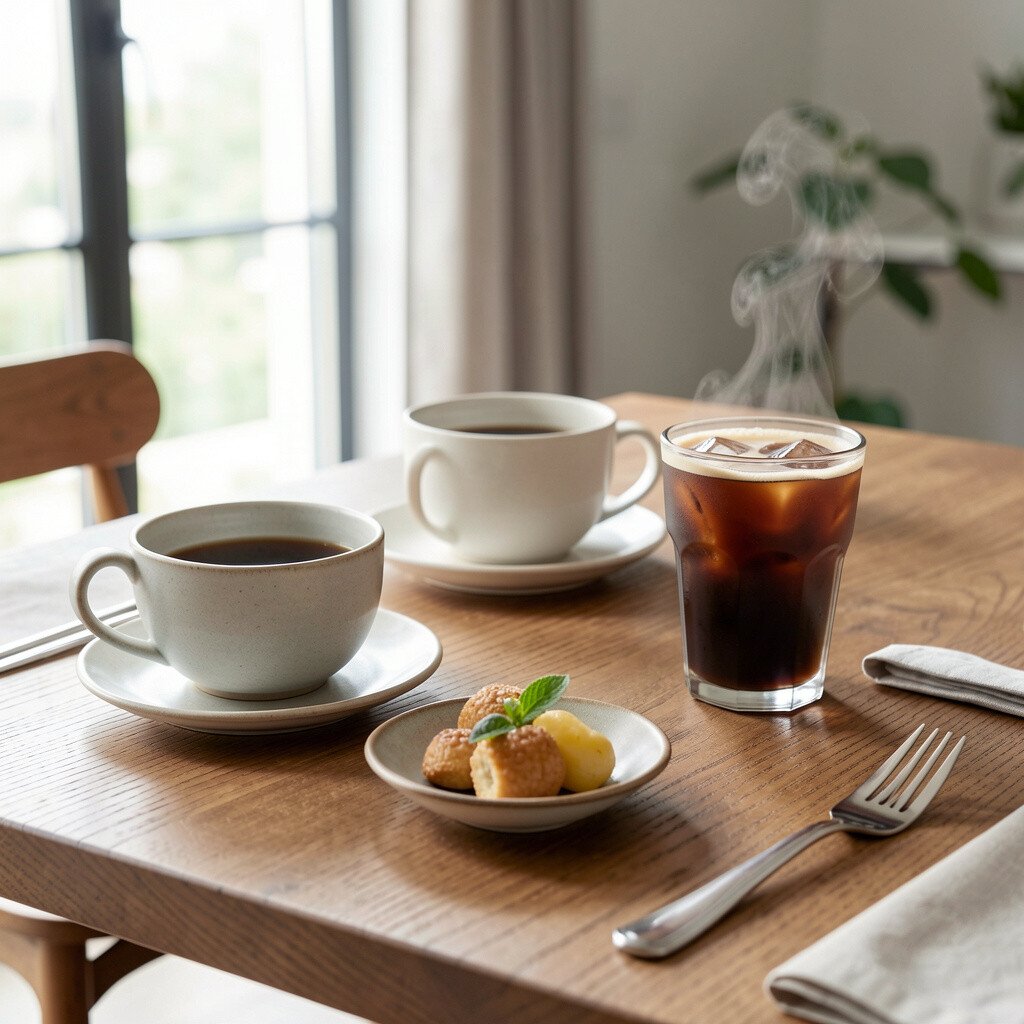
Instead of treating drinks as an afterthought, diners are pairing tea and coffee with savory and sweet courses. You might see chilled tea alongside spicy plates, or a lightly sweet dessert with a coffee note that feels balanced.
The benefit is a layered flavor experience, because tannins and aroma can match textures and spices in surprising ways. For practical steps, brew a small batch of tea or coffee, taste it plain, and then decide if it should be served chilled, hot, or diluted.
Personalization is fun when you offer multiple strengths, like a mellow version and a bolder one, so each person can pick their comfort level. Cost can be kept reasonable by using tea leaves and coffee grounds you already like, then serving with water or simple infusions rather than expensive mixers.
17. Personal Allergen-Friendly Menus That Still Taste Like You
Personal Allergen-Friendly Menus That Still Taste Like You
More dining options are becoming truly inclusive for people with allergies and dietary needs. You might see clear ingredient planning, separate preparation habits, and dishes that feel as exciting as everyone else’s.
The benefit is peace of mind, plus the joy of eating without feeling like you need to settle. For practical planning, communicate early, then build meals around safe bases like grains, roasted vegetables, and proteins that you can prepare consistently.
Personalization is powerful when you adjust sauces and toppings rather than removing flavor entirely. For cost, allergen-friendly cooking can be managed by buying versatile staples and using a few reliable sauces that you can keep on hand for quick, safe assembly.