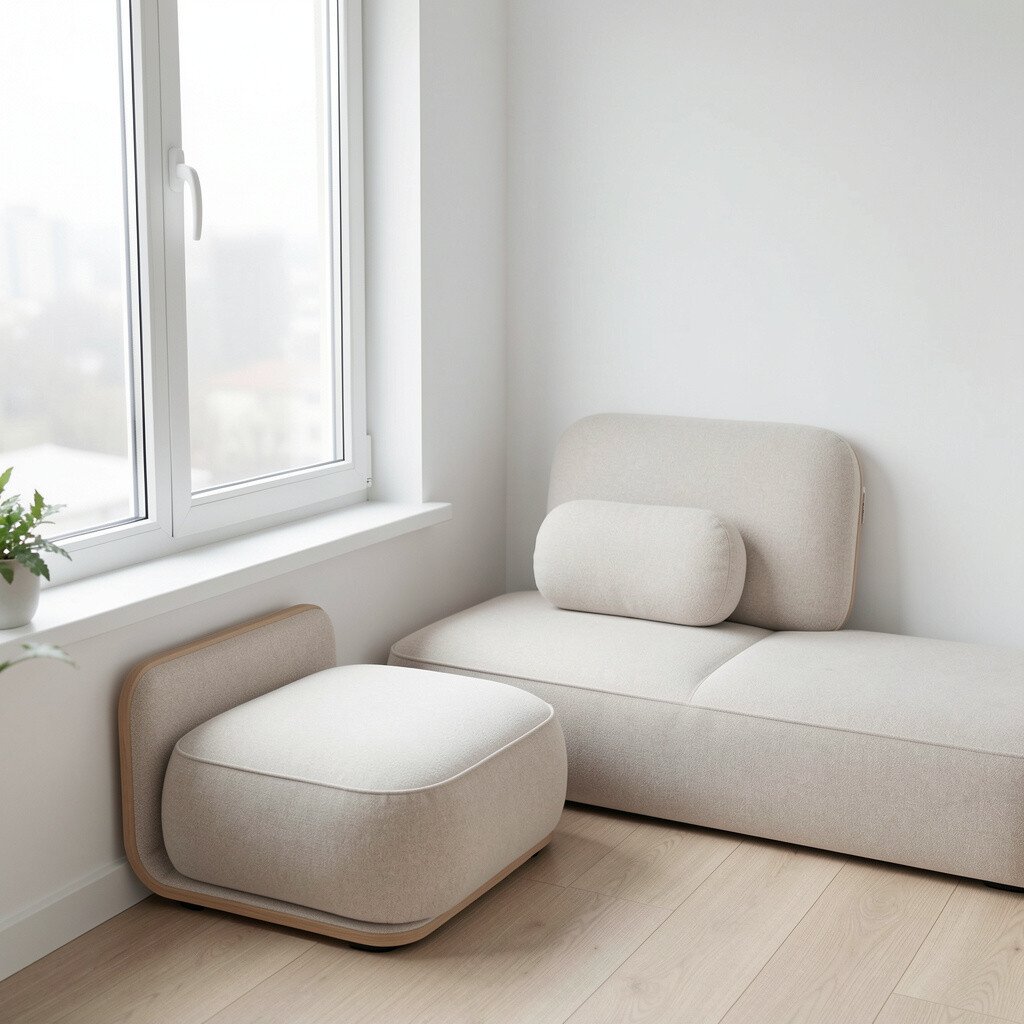
Start with a narrow bench or floor cushion placed directly in the window’s line of sight. Let the fabric be plain, like off-white or light gray, so the space feels open and quiet.
Place a small tray nearby with only what you truly use, like a folded meditation mat and one water bottle. Soft daylight will wash over your hands as you sit, which can make breathing feel slower. Keep a simple timer on your phone, but dim the screen so it doesn’t pull your attention away.
2. Linen Pillow Stack With a Soft Rug
Linen Pillow Stack With a Soft Rug
Use a light rug under your seat so your body feels grounded, even if you sit on the floor. Stack two or three linen pillows against the wall for a gentle backrest.
Choose colors that echo the outside view, such as pale sand, leaf green, or warm beige. The benefit is comfort without clutter, so your posture stays steady during longer sessions. If you wear glasses, wiping them once before you sit can make the window view feel clearer and more calming.
For a minimalist touch, tuck the edges of the rug so it looks neat in every direction. If you want to personalize, tie a small ribbon to the side of one pillow in a color you like. For cost, a simple cotton rug and thrifted pillows are enough to create the same soothing feel.
3. The One-Plant Zen Window
The One-Plant Zen Window
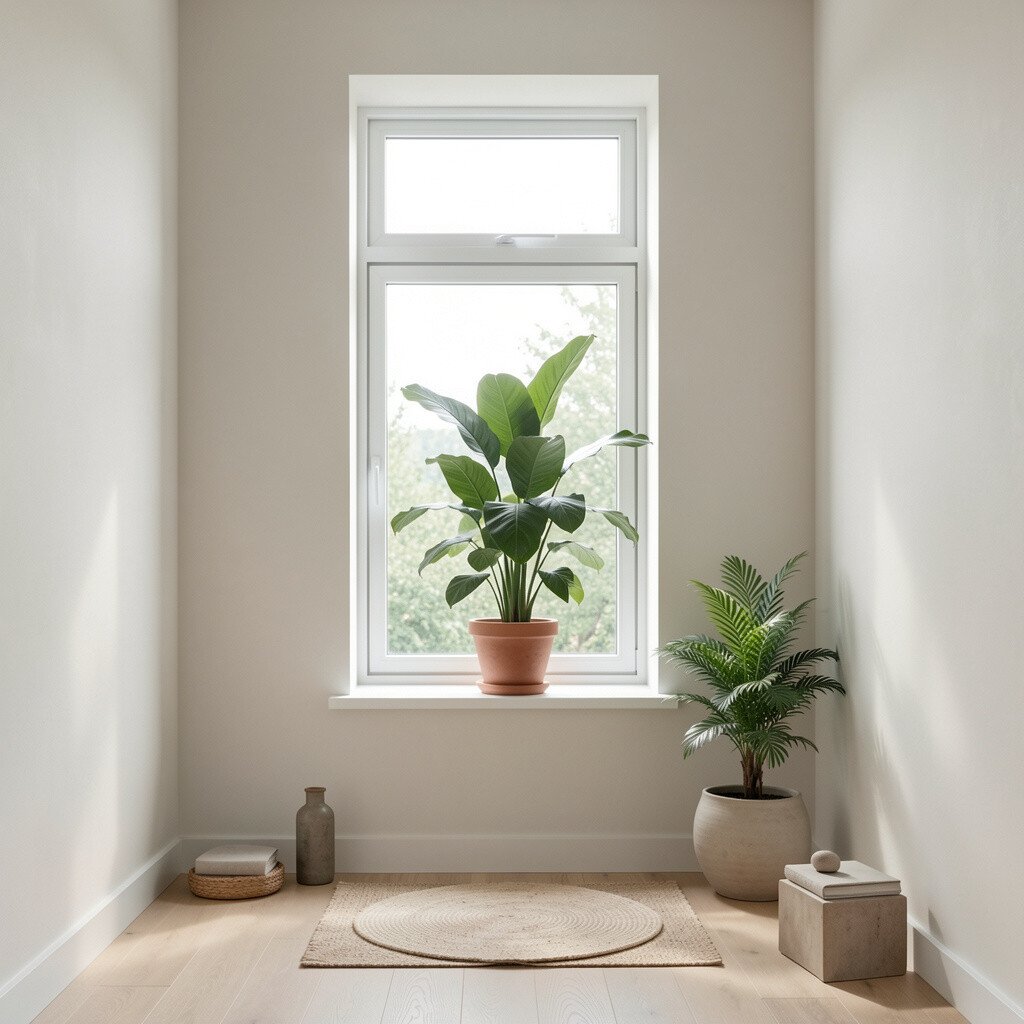
Place a single potted plant on a small sill or narrow stand beside your cushion. Pick something simple, like a rubber plant or snake plant, because it tends to look calm and tidy.
Let the leaves become a visual anchor while you breathe in and out. When you meditate, your gaze can soften on the green shape instead of darting around the room. This setup feels unique because it turns one living detail into a steady focus.
Water the plant on a predictable schedule so you never feel rushed during your meditation time. Use a saucer that matches your decor to keep the look clean. If you want a practical upgrade, add a small tray to catch excess water so the windowsill stays spotless.
Install a shallow shelf near the window to hold a single folded mat and a small cushion. Keep everything else out of sight, so the nook looks calm even when you’re not using it.
When you sit, you’ll see the window first, not a pile of items. That visual simplicity helps your mind settle faster because there’s less to notice. For personalization, choose shelf wood in a warm tone or paint it a soft white to match the room.
5. The Steam-Line Candle Moment
The Steam-Line Candle Moment
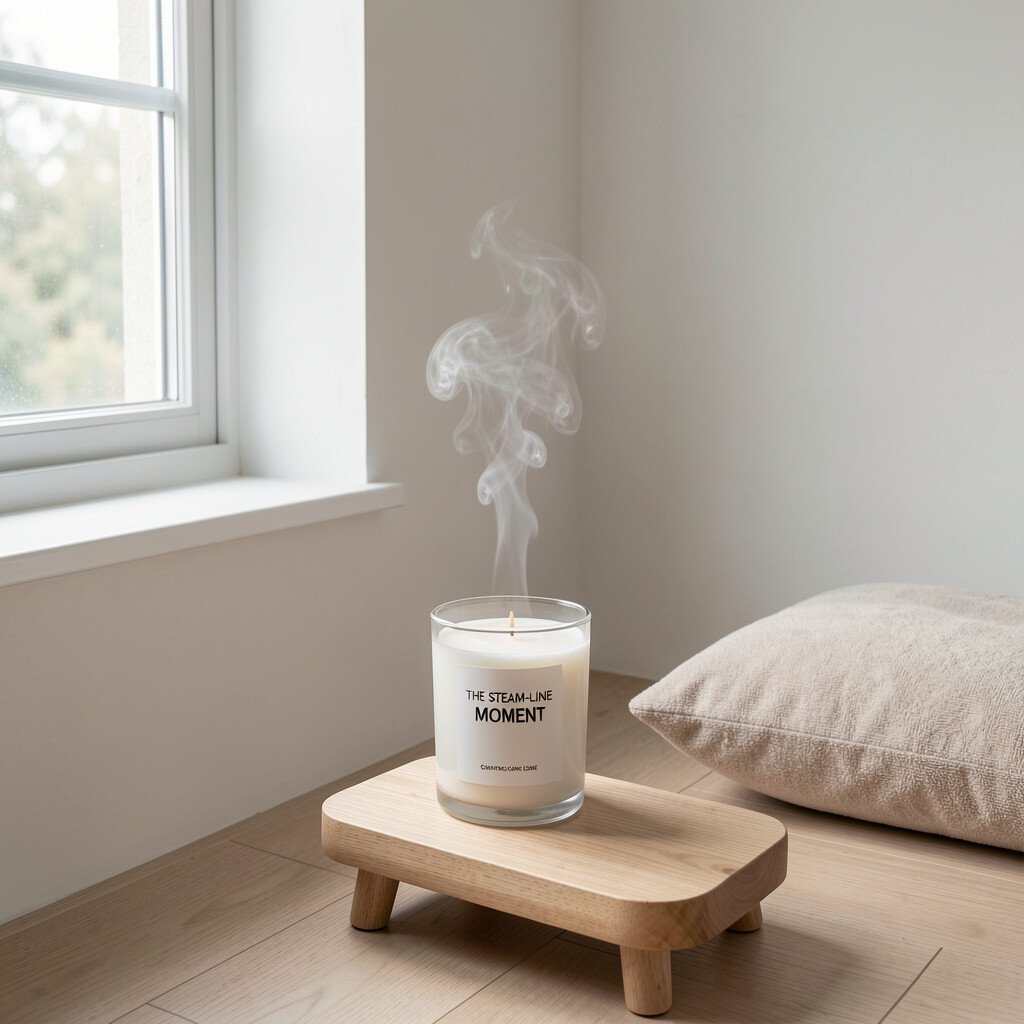
Put a candle on a small ceramic dish on the floor or on a low stand near the window. Select an unscented or lightly scented candle so the air stays comfortable.
Light the candle for a short meditation and watch the flame gently sway with airflow. The flicker can guide your attention without feeling busy, which is great for beginners. Use a stable holder and never leave it unattended, and keep the flame away from curtains.
If you prefer not to use fire, try a battery LED candle that still creates a warm focal point. For cost considerations, secondhand ceramic dishes often look better than new ones. Make it unique by choosing a dish shape that mirrors the window frame style.
6. Floating Tray for Tea and Breath
Floating Tray for Tea and Breath
Use a slim wooden tray to hold a mug of warm tea and a small notebook for one line of reflection. Place the tray on a low table that sits close to the window, so your setup feels intentional.
During meditation, the tray can act like a quiet boundary between calm time and everything else. After you sit, you can sip slowly and write a single sentence about how your body feels. This helps benefits stack over time because you build awareness, not just relaxation.
7. Neutral Curtain Drift Meditation Spot
Neutral Curtain Drift Meditation Spot
Pick sheer curtains in a neutral color so daylight diffuses softly across your seat. Add a simple tieback so the fabric can fall in a calm, consistent way.
When the curtains move slightly, they create gentle motion that can calm restlessness. This kind of window nook feels unique because the room itself becomes part of the meditation. If your space gets too bright, choose a slightly thicker sheer or adjust your seating height.
To keep the look minimalist, avoid patterns with heavy contrast. Personalize by choosing a fabric texture you love, like linen or cotton gauze. If you’re on a budget, swapping just the curtain panel can create a big change.
8. Recessed Window Seat With a Folded Blanket
Recessed Window Seat With a Folded Blanket
If your home has a ledge or window recess, set up a folded blanket as your main cushion. Add a thin meditation mat on top so you stay comfortable and aligned.
The visual benefit is that the window becomes a frame, almost like a natural backdrop. Meditation feels easier when your body is supported and your head can rest at a comfortable angle. Keep the blanket simple, then roll it neatly so the nook stays ready at all times.
9. Chalkboard Quote Corner for Intention
Chalkboard Quote Corner for Intention
Hang a small chalkboard or wipeable board on the wall near your seat with a few gentle words. Keep the message short, like a reminder to soften your focus.
Reading one line before you begin can help your mind shift from busy to calm. The benefit is a quick mental cue that doesn’t require extra tools. For a minimalist look, keep the font plain and erase it occasionally so it never feels crowded.
Personalize the words to match your practice, such as patience, steady breath, or kindness to yourself. For cost, a small board and simple chalk are usually affordable, and thrift shops often have hidden gems. Make the setup unique by matching the board color to your window frame or trim.
10. Stone-Like Tray With Smooth Focus Objects
Stone-Like Tray With Smooth Focus Objects
Place a shallow tray near the window and add one or two smooth objects, like a polished river stone. The goal is to keep only what supports your attention, not what distracts it.
Hold the stone lightly during breathing if you like tactile grounding, or rest your eyes on it when you feel scattered. This setup can feel quietly powerful because it gives your senses a gentle anchor. If you tend to fidget, the stone offers a calming channel without turning your session into a workout.
For personalization, choose objects that match your taste, such as glass, wood, or sea-worn stones. Consider cost by starting with things you already own and adding just one polished piece. Clean the tray often so the space stays fresh and inviting.
11. Bamboo Screen Side Calm Divider
Bamboo Screen Side Calm Divider
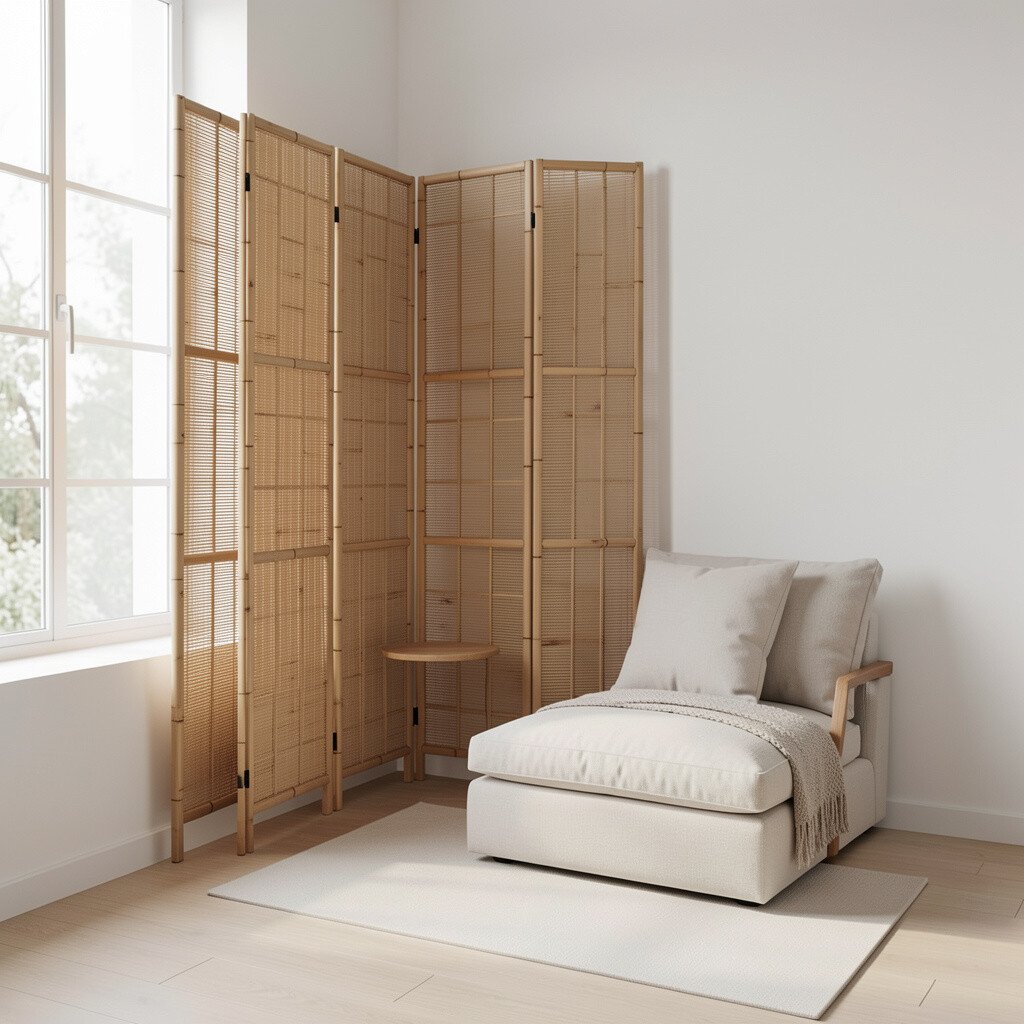
Use a small bamboo screen beside your seat to block harsh drafts or to create a soft visual boundary. Keep it slim so it doesn’t crowd the window space.
This minimal divider helps your focus feel protected, especially in busy rooms. When you meditate, fewer visual distractions can mean faster settling and better posture. Choose a simple, light bamboo tone so the nook looks airy and aligned with current minimalist trends.
If you want a practical upgrade, place it where your body won’t bump it, then adjust your seat slightly until it feels stable. Personalize the vibe by adding a single neutral cushion behind the screen. For cost, you can find budget options online or at home stores and trim them to size if needed.
12. Window-Side Lumbar Support and Soft Seating
Window-Side Lumbar Support and Soft Seating
Set a small cushion behind your lower back so your spine stays comfortable from the start. Pair it with a seat cushion that matches the window tone, like light linen or muted cotton.
Comfort helps you stay in the meditation without checking your body every few minutes. The benefit is steadier breathing because your posture doesn’t shift constantly. This setup feels unique because it focuses on the unseen part of comfort, your support system.
Personalize by trying different cushion heights until your shoulders feel relaxed. If your room is cool, add a thin heat pack under the cushion before you sit, then remove it before meditation begins. For cost considerations, lumbar cushions are usually affordable, and you can even repurpose an old pillow with a new cover.
13. Monochrome Corner With a Single Lantern
Monochrome Corner With a Single Lantern
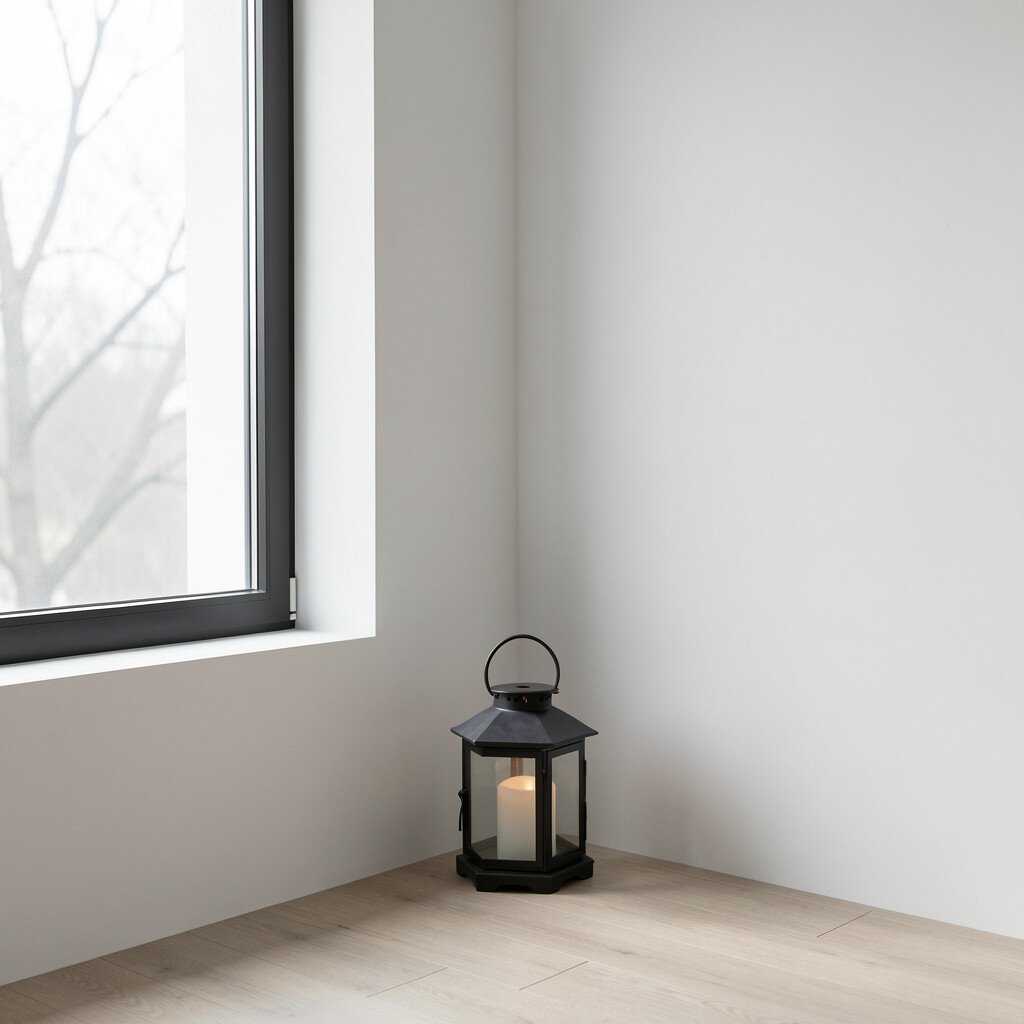
Create a monochrome look by choosing one color family for your seat, rug, and small accents. Add a simple lantern on the floor near your window for warm evening light.
The visual calm of monochrome can reduce mental noise because your eyes don’t need to jump around. In the evening, the lantern adds a gentle glow that supports reflective sitting. If you like a cozy vibe, choose warm white light so it feels soft instead of harsh.
14. Minimal Hanging Mobile by the Sill
Minimal Hanging Mobile by the Sill
Hang a tiny mobile near the window, keeping it light and quiet so it barely moves. Use natural materials like wood or paper so it feels gentle and grounded.
As daylight shifts, the mobile can cast soft shadows that give your mind something calm to notice. This helps people who struggle with stillness because it offers gentle motion without demanding attention. For personalization, choose shapes that feel peaceful to you, like small circles or simple leaves.
To keep everything practical, secure the mobile so it doesn’t swing too much during everyday breeze. Consider cost by making your own from lightweight supplies, which can look surprisingly stylish. This also matches current trends toward natural textures and simple handmade details.
15. The Window-Led Simplicity Shelf
The Window-Led Simplicity Shelf
Place a very small shelf or ledge tray near your seat and keep only three items on it. Think about a water glass, a folded cloth, and one small object that feels meaningful to you.
When the shelf stays uncluttered, your brain learns that this corner is for quiet time. That benefit can be strong because your routine becomes easier to start, even on busy days. Keep the items arranged in a line that follows the window frame so the setup feels orderly.
Personalize by swapping the meaningful object to match seasons, like a smooth shell in summer or a warm-toned stone in winter. For cost considerations, a small shelf and a couple of items already in your home are usually enough. The uniqueness comes from your choices, not from buying more, so you’ll end up with a nook that truly belongs to you.