17+ Wall Build Solutions For Pet-friendly Homes For Easy Living
The right wall choices can make home life calmer for both pets and people. A few smart builds help fur, claws, and messes feel manageable every single day.
From scratch-friendly surfaces to smarter layouts, these options turn “pet problems” into “pet routines.” You will find practical ideas that fit real budgets and real homes.
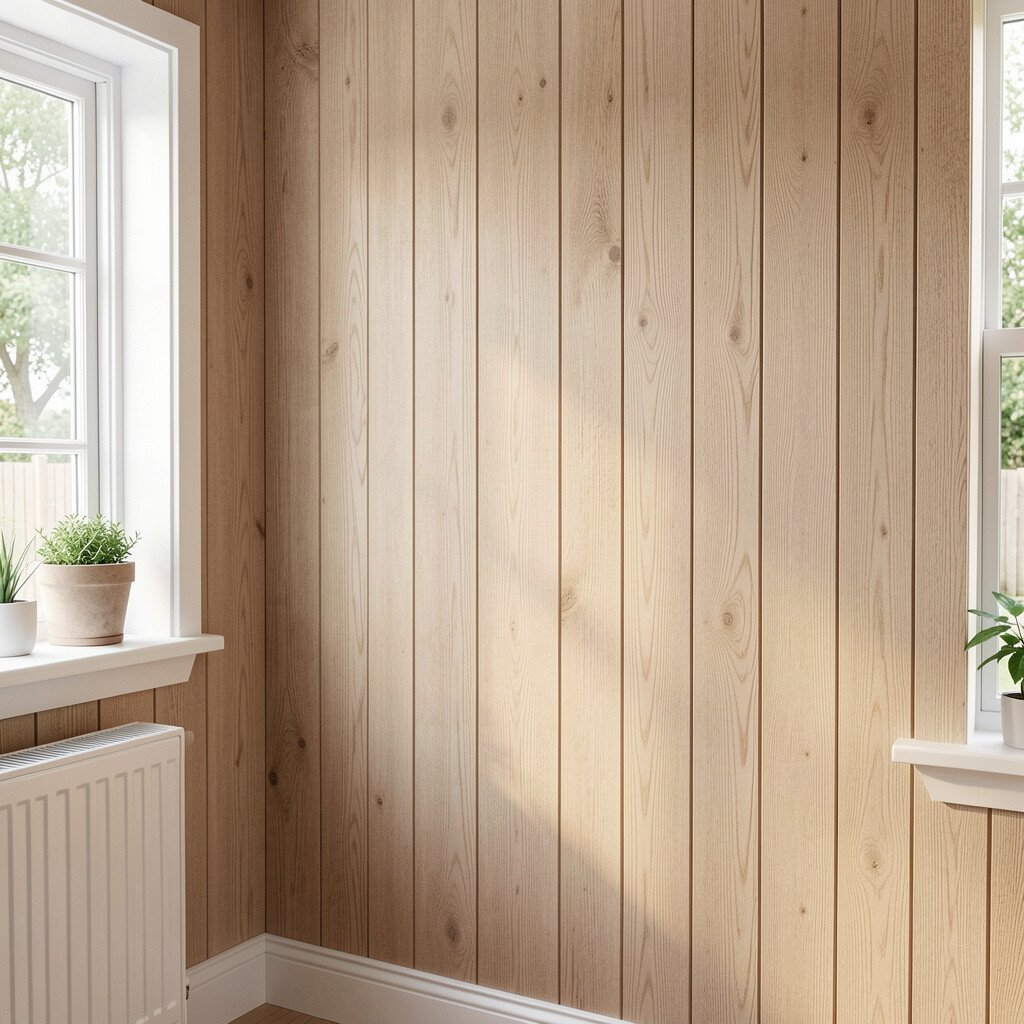
1. Scratch-resistant wall paneling with a cozy finish
Scratch-resistant wall paneling with a cozy finish
If your pets treat walls like a game, scratch-resistant paneling is a lifesaver. You can picture warm, matte surfaces that hide scuffs and still look inviting.
Many modern panels use tough top layers that shrug off nail marks better than standard paint. They also clean up with simple wipes, which is great when muddy paws do their thing. For easy living, pair the paneling with rounded edges where claws commonly catch.
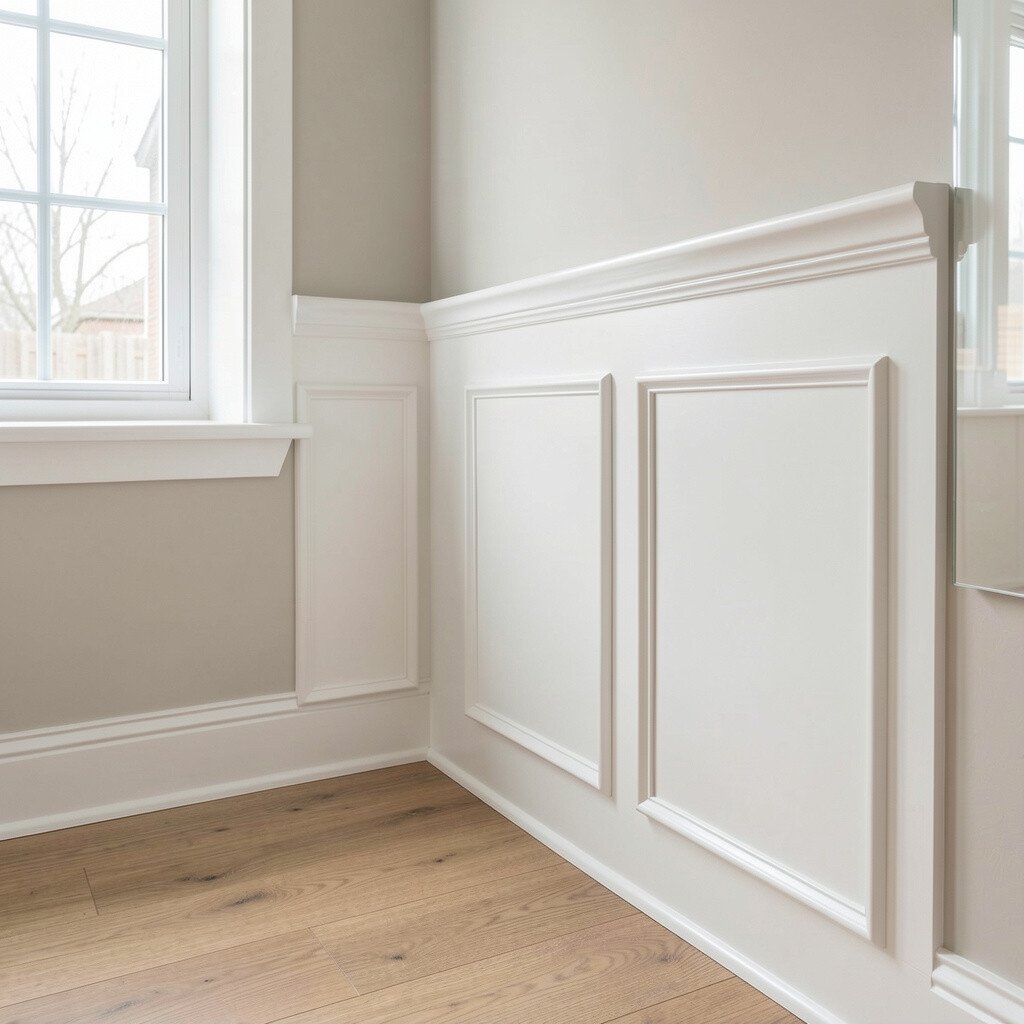
2. Pet-friendly wainscoting for protection along common paths
Pet-friendly wainscoting for protection along common paths
Wainscoting gives your walls a protective band while adding classic charm. Imagine a lower wall that stays sturdy and a top wall that keeps its bright, airy look.
Because pets often scratch or rub near the floor, a mid-height barrier can reduce wear where it matters most. Choose materials that resist moisture and make everyday cleanups simple. If you like personalization, match the trim color to your pet’s favorite blanket tone for a cohesive vibe.
For cost considerations, wood-style options can be pricier, but composite and vinyl styles often deliver similar protection. Installation is also easier when you plan the height to cover the exact spots your pet targets. Keep a small maintenance cloth nearby so you can wipe marks before they set.
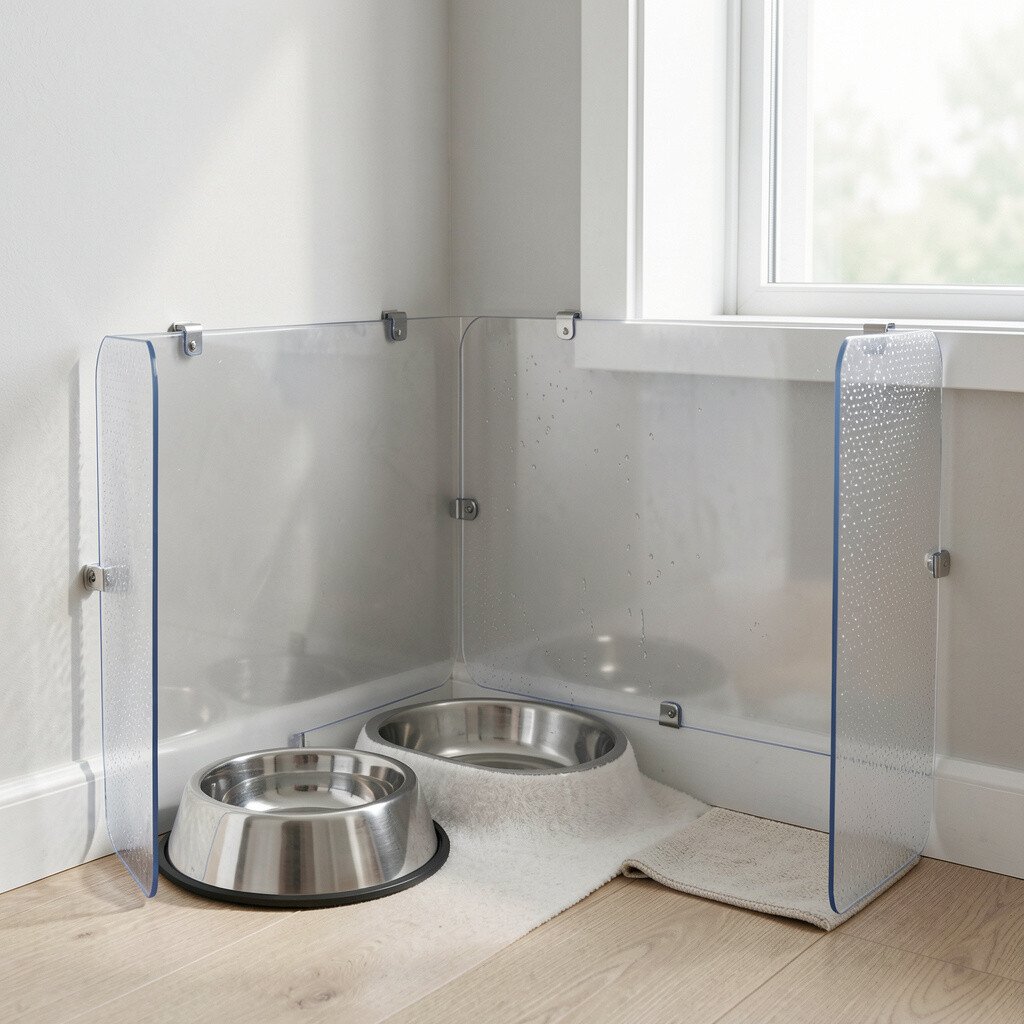
3. Removable wall splash-guards near bowls and grooming areas
Removable wall splash-guards near bowls and grooming areas
Bowls and grooming habits can turn one wall into a constant splash zone. A slim splash-guard can look tidy while taking the hit that would otherwise land on paint.
Look for wall-safe panels designed for splatter resistance, especially in kitchens or laundry corners. You can picture a backsplash-like strip that blends with your backsplash and makes routine cleaning feel quick. When you can remove and replace a section, you avoid repainting a whole room.
For personalization, align the splash-guard design with your tile style, even if you use a simpler pattern. Set it at the height where water and food splash most often, usually around bowl level. If you rent, consider options that attach with hardware instead of messy adhesives.
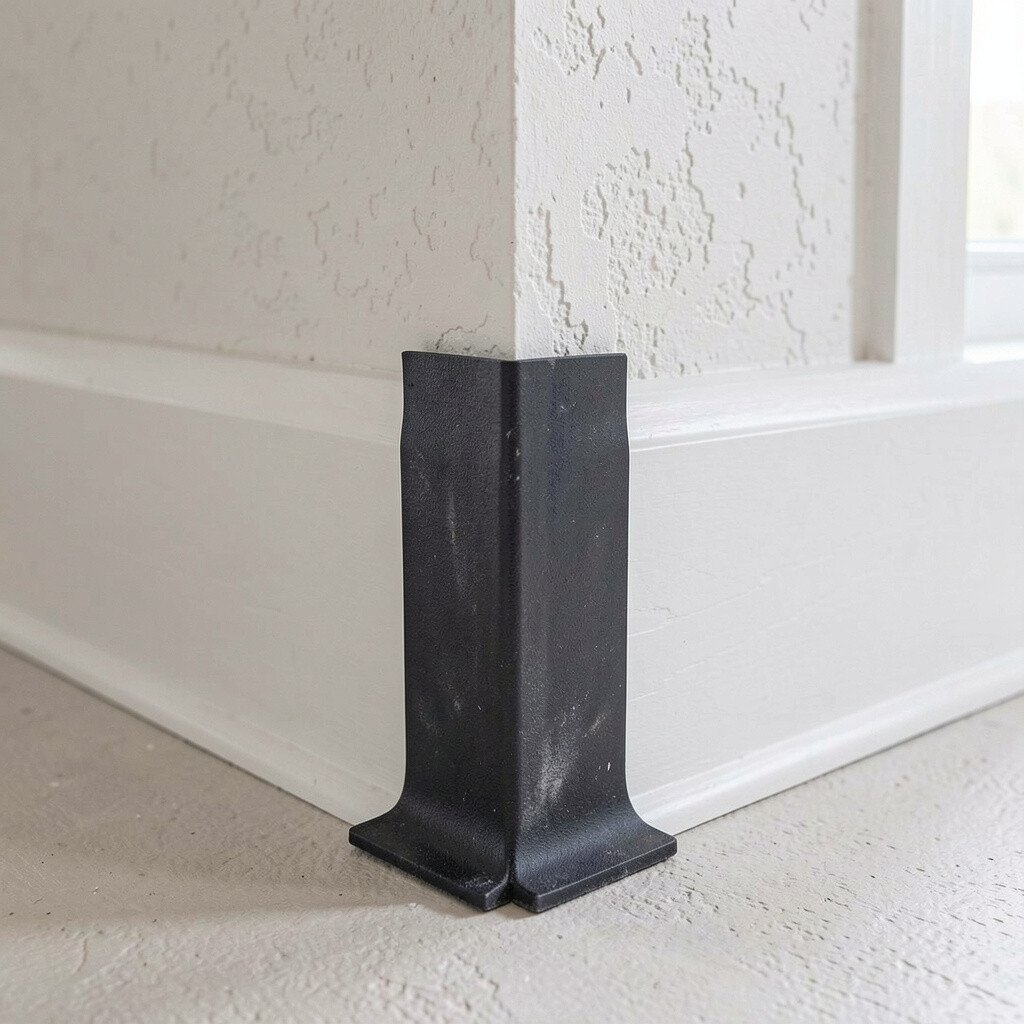
4. Reinforced corner guards to stop claw battles
Reinforced corner guards to stop claw battles
Corners take the worst hits because pets squeeze, scratch, and hop right there. Add corner guards and you can picture sharp lines staying smooth instead of chipped.
Choose durable corner protection that matches your wall trim so it looks intentional. Rounded profiles can help claws slide instead of catching. This upgrade is especially helpful in hallways where you want the look to stay crisp.
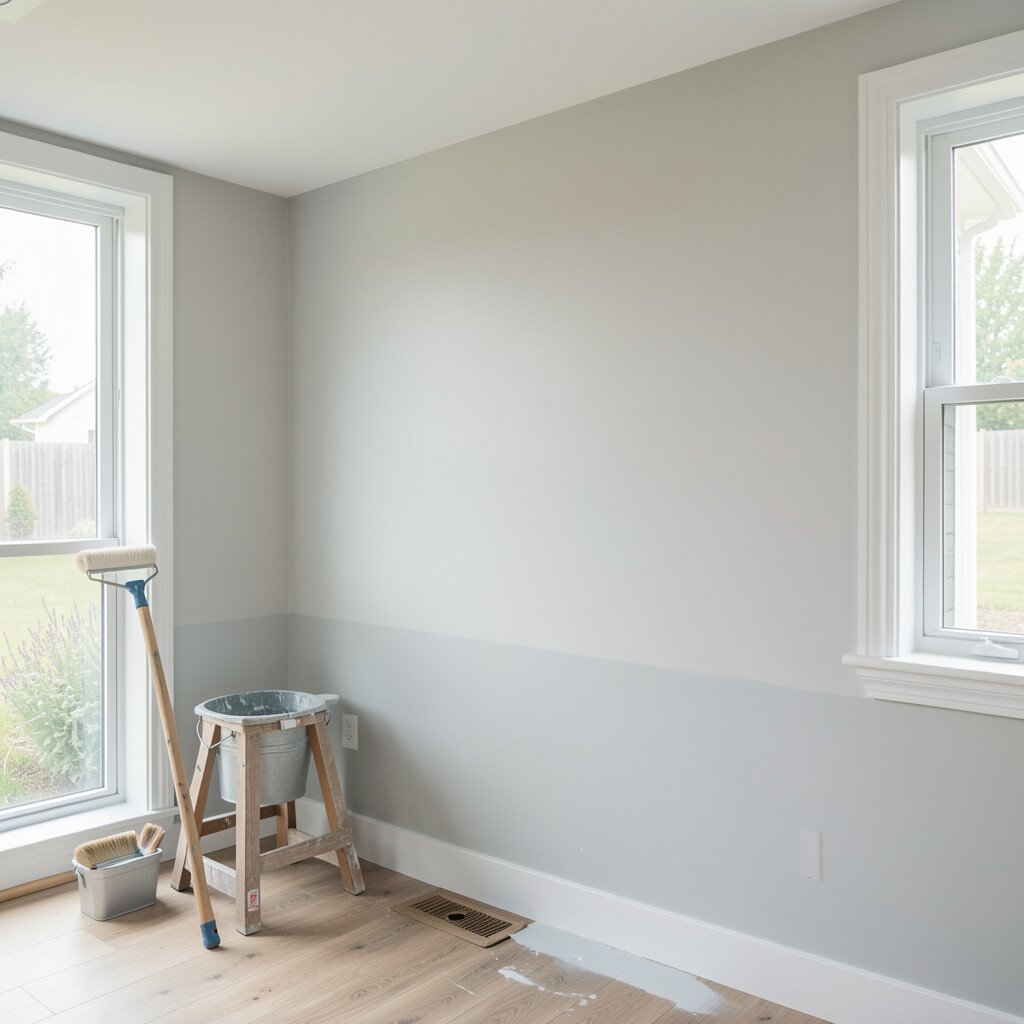
5. Stain-resistant paint systems for everyday messes
Stain-resistant paint systems for everyday messes
Even well-trained pets have accidents, smudges, and curious nose boops. A stain-resistant paint system gives you more time before marks need deep cleaning.
Many coatings are designed to resist grease and common household grime, so paw prints and smears wipe away easier. When you want natural light to stay bright, pick a finish that still looks smooth and not overly shiny. For best results, clean promptly and use gentle cleaners that suit the paint type.
Cost-wise, premium paint may cost more upfront, but it can save money by reducing repainting. Consider testing a small area near a high-traffic spot first. Personalize the vibe by choosing warm neutral tones that make your pet look even more at home.
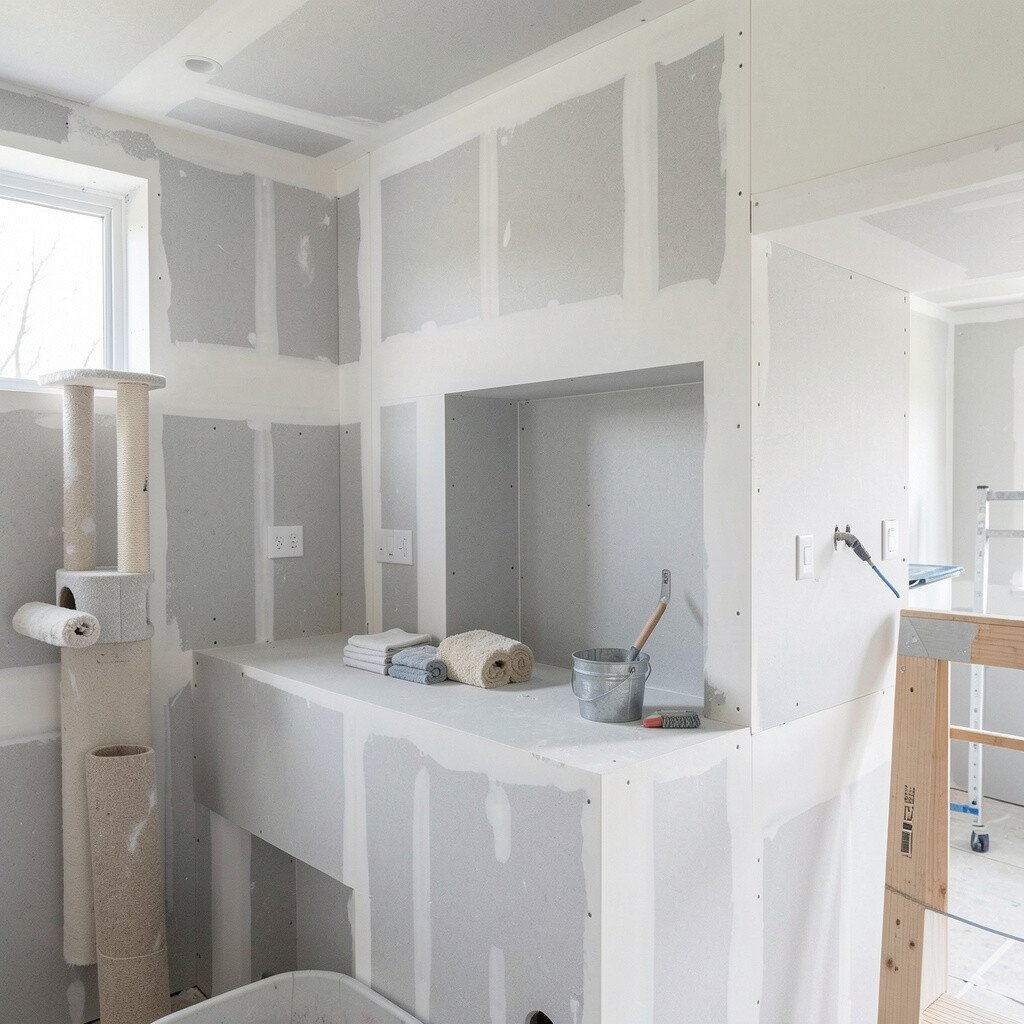
6. Texture-controlled drywall for a calmer clean-up routine
Texture-controlled drywall for a calmer clean-up routine
Wall texture can hide dirt, but it can also trap it when paws swipe and noses press. A smoother approach helps you keep walls looking fresh without constant scrubbing.
When building or remodeling, choose a texture level that balances comfort with cleanability. You can picture a gentle surface that still feels cozy but wipes clean with a damp cloth. This is a simple way to support easy routines for busy households.
To personalize, coordinate sheen levels across rooms so high-traffic areas look consistent in different lighting. If your pet sheds heavily, smooth walls also help you avoid fuzzy build-up in grooves. Keep a microfiber cloth ready for quick touch-ups after walks or playtime.
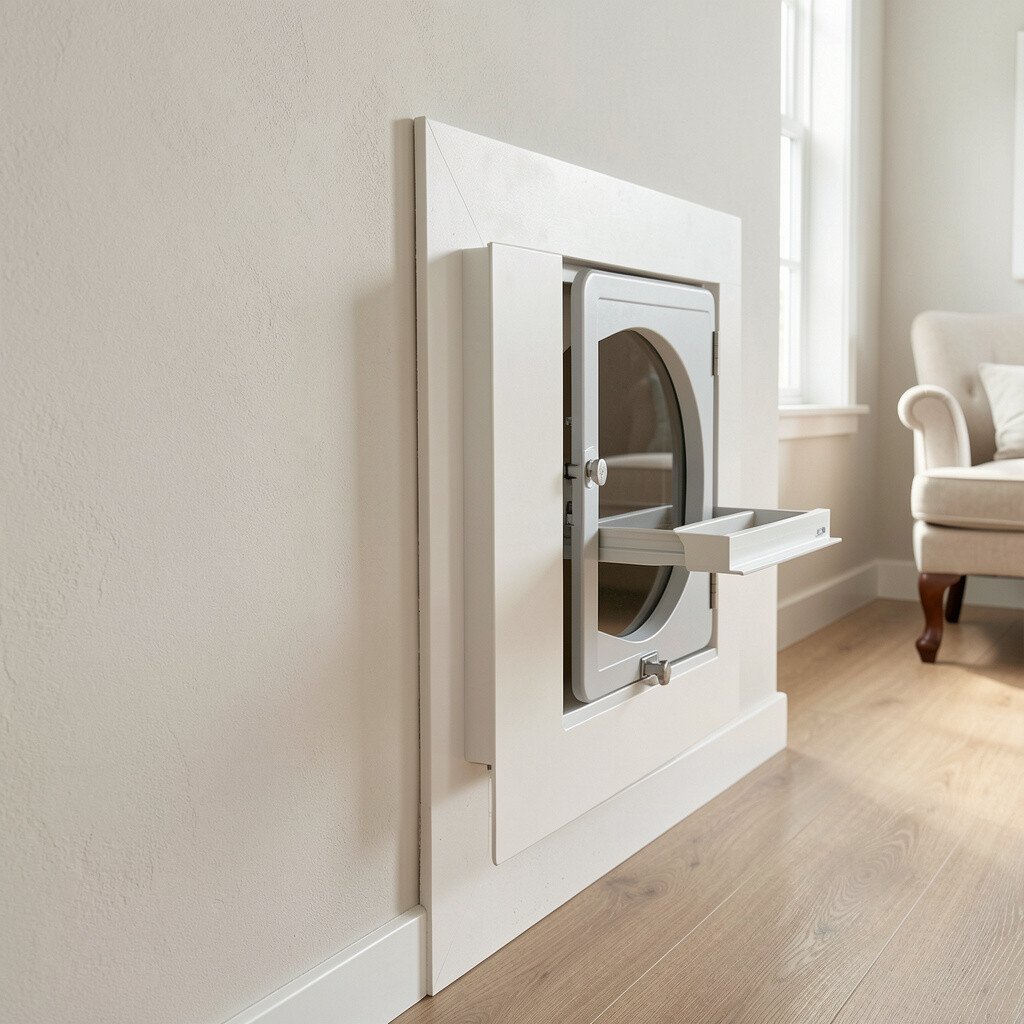
7. Pet door wall inserts designed for easy access
Pet door wall inserts designed for easy access
A pet door in the right place can reduce stress and prevent wall chaos. When pets can come and go smoothly, you picture fewer frantic scratches at the doorway.
Wall inserts also help you control drafts when compared with loose openings. Look for insulated frames and durable flaps that resist wear from active pets. For practical tips, install at a comfortable height and check the fit so the flap closes fully.
Personalization can be as simple as choosing a color that matches your trim or a design that fits your home style. Cost considerations matter here, so measure carefully before buying to avoid costly resizing. If you have different pets, ensure the opening matches the largest one’s comfort needs.
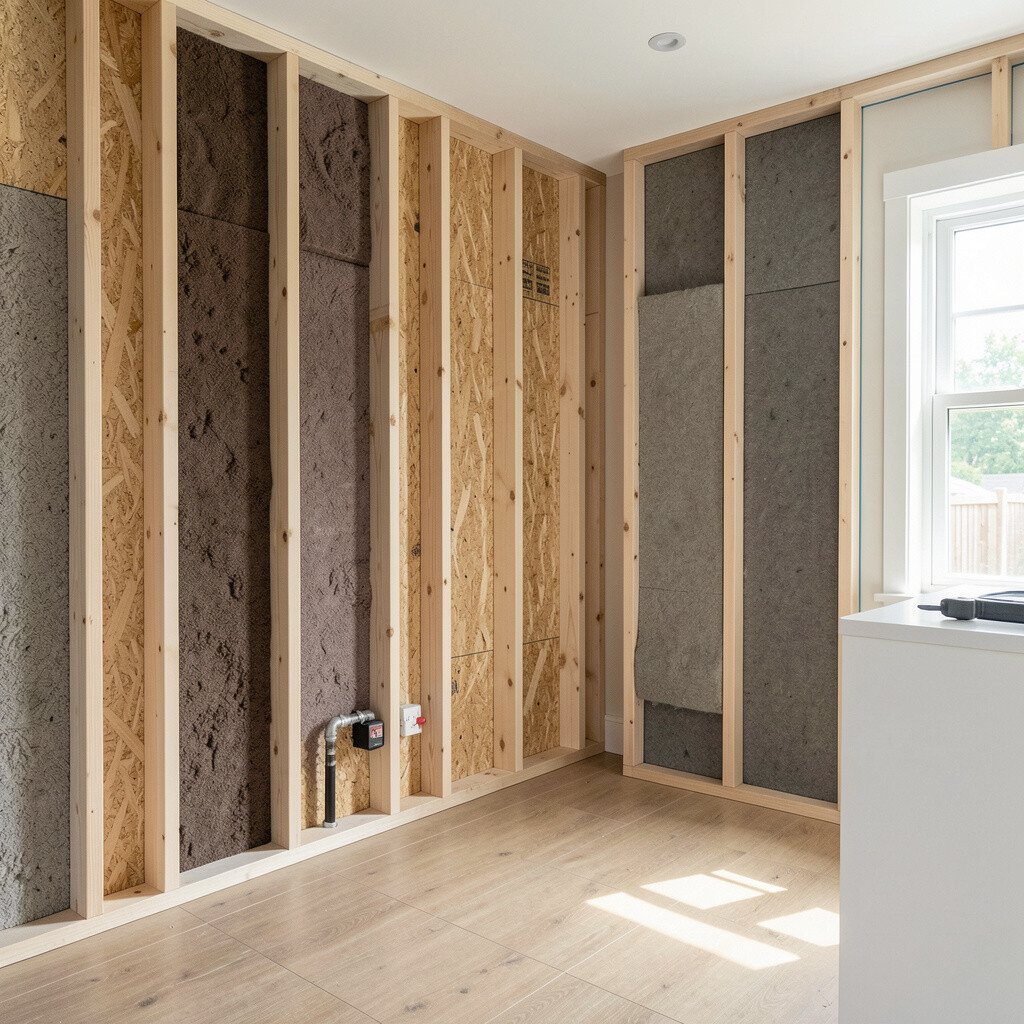
8. Noise-buffer stud walls for less barking stress
Noise-buffer stud walls for less barking stress
Walls do more than hold pictures, they also shape how sound travels. Better wall builds can soften outside noise and help pets feel secure indoors.
Consider adding sound-dampening insulation between studs in interior walls that face busy streets or shared spaces. You can picture your home feeling calmer, with less sudden barking triggered by noises. This kind of build often helps both pets and humans sleep better.
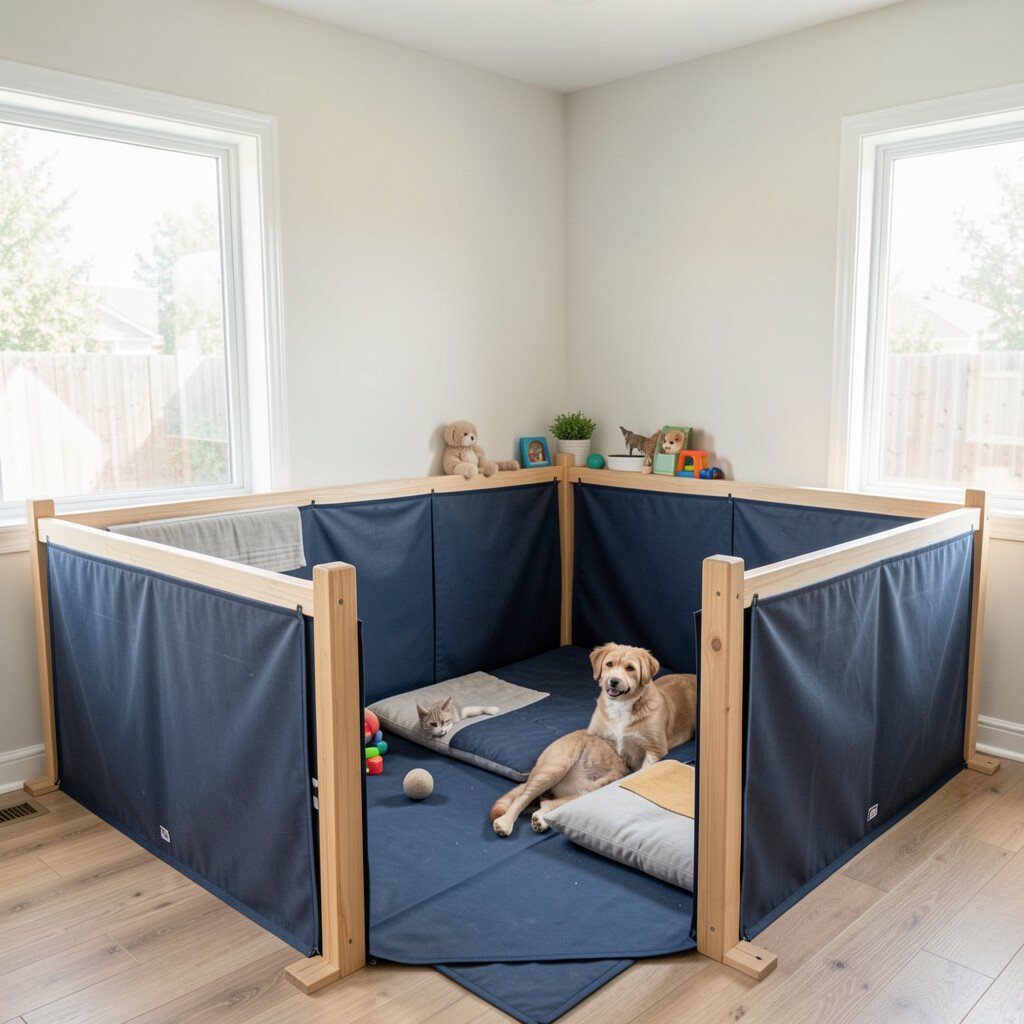
9. Durable walled play zones with removable liners
Durable walled play zones with removable liners
Sometimes pets need a set boundary that still feels fun. A framed play zone along a wall can be wrapped in a protective, removable liner that keeps mess contained.
Choose liner materials that clean easily and resist scratching, like sturdy coated fabrics or wipeable panels. You can visualize a defined spot where toys land safely and paw splashes get caught before they spread. For practical tips, secure the liner so it does not slip when a pet runs into it.
Personalize the space with colors that match your living room, and keep a second liner ready for quick swaps. Cost varies based on the liner quality, so balance durability with how often your pets use the zone. For trends, more homes are using “micro-zones” that feel like decor while solving daily friction.
10. Scratch-proof paint toppers for climbing-friendly areas
Scratch-proof paint toppers for climbing-friendly areas
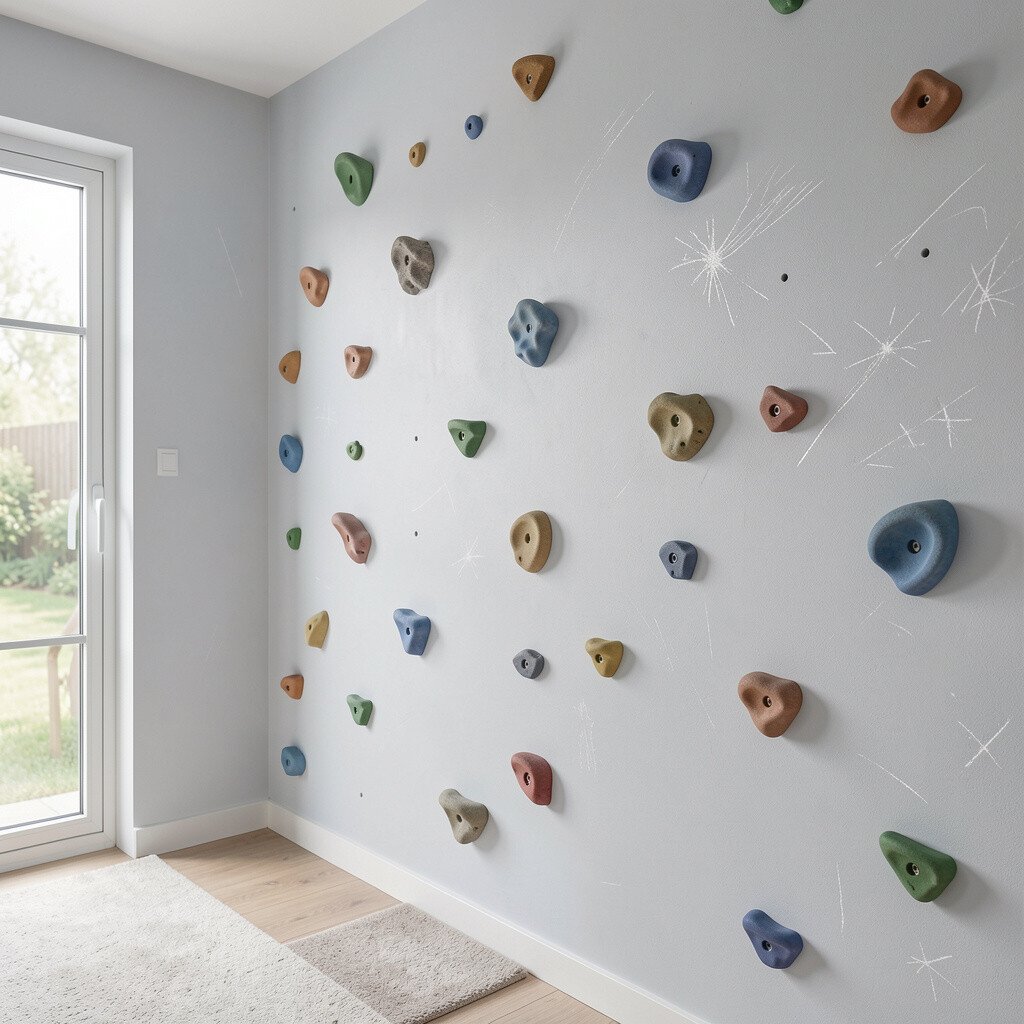
Some pets love vertical exploration, and they will test any surface close to their favorite spot. A scratch-proof top layer can protect walls near climbing zones and perches.
Apply a more durable topcoat in areas you expect rubbing, then keep the rest of the wall on a softer finish. You can picture a protected zone that blends into the room instead of looking patchy or heavy. This setup also makes repainting less frequent, which helps long-term budgets.
To personalize, use subtle color shifts so the protected zone feels like part of the design, not a repair job. If your pet claws during excitement, place wall-safe climbing alternatives nearby to give them a more satisfying outlet. Remember that the right height can matter as much as the finish.
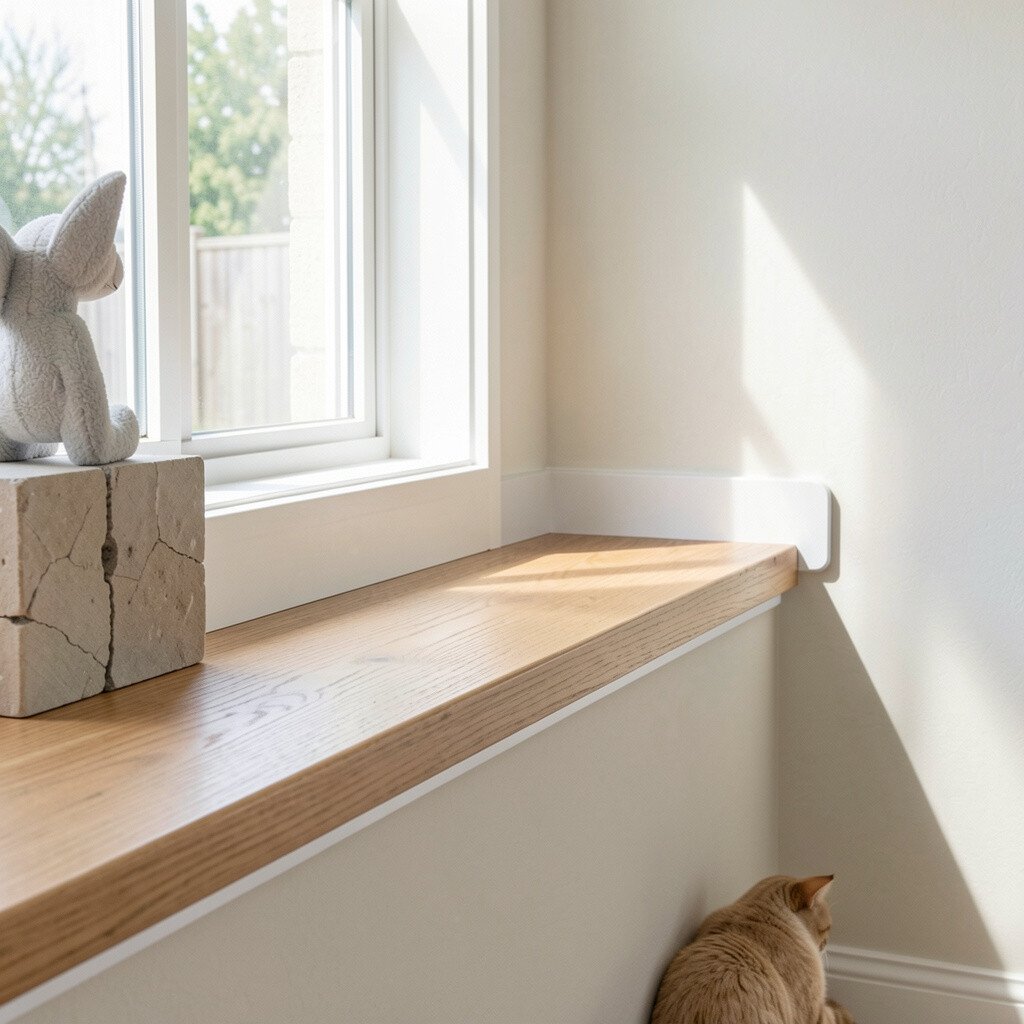
11. Built-in ledges with pet-safe edging
Built-in ledges with pet-safe edging
Wall ledges can be both functional and adorable when built for pets. Imagine a window-adjacent ledge with pet-safe edging where your pet can lounge without chewing or scratching drywall.
Use sturdy brackets and finished surfaces that resist moisture and easy staining. Rounded, protected edges can prevent nails from catching, and they help keep the area comfortable. This also supports easy personalization, because ledges can match your existing shelves and trim style.
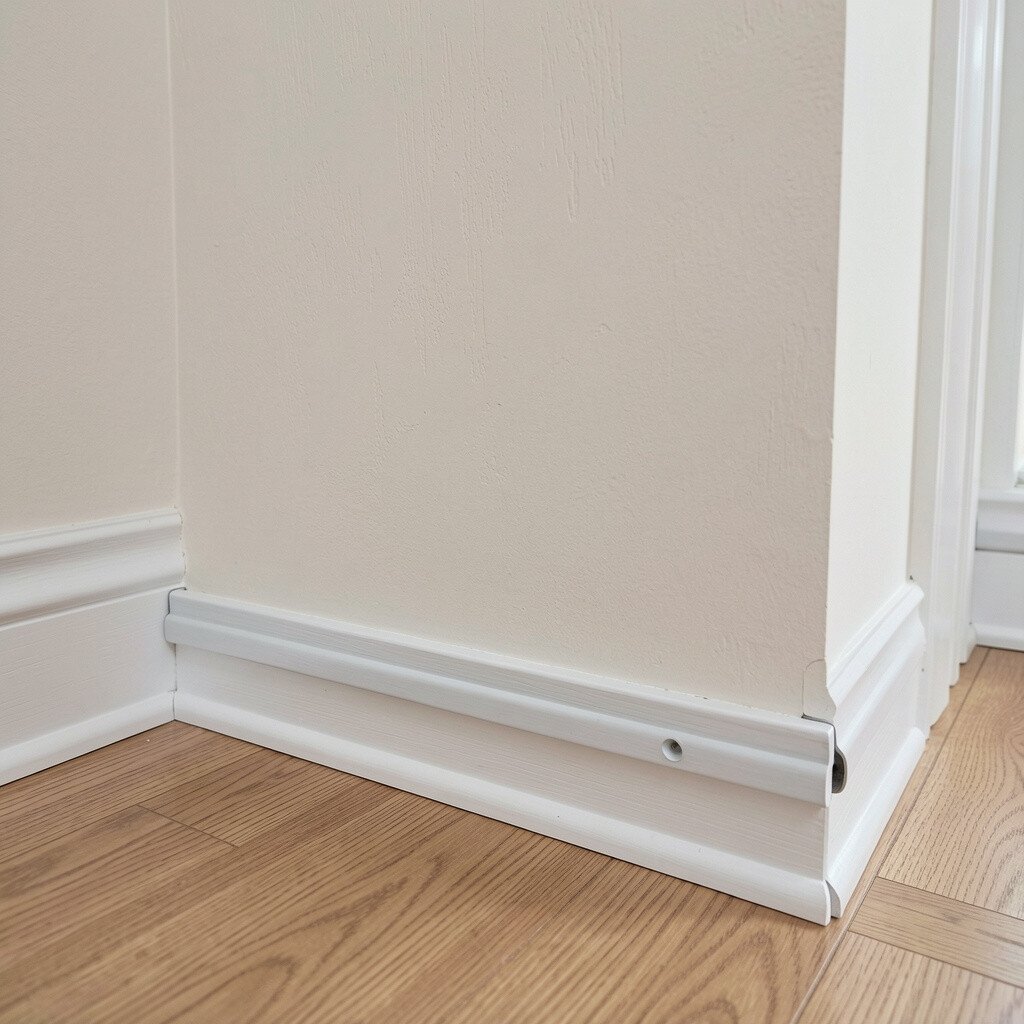
12. Protective bottom rails for paws that love to test boundaries
Protective bottom rails for paws that love to test boundaries
Paws travel with purpose, especially when pets want to greet you or investigate. A bottom rail along baseboards can keep the lower wall protected from scuffs and repeated contact.
Choose a rail that is easy to wipe and that stays colorfast after regular cleaning. You can picture a neat, continuous line that keeps wear away from painted sections. For practical tips, install where your pet’s stance naturally reaches, often during sitting, stretching, or jumping.
If you are cost-conscious, consider updating only one hallway or the most-used room first. This lets you see results before doing the whole house. Personalize by using the same stain as your furniture for a calm, coordinated look.
13. Pet-wash friendly walls in laundry and mudroom zones
Pet-wash friendly walls in laundry and mudroom zones
When you have a mudroom or laundry corner, walls take splash after splash. Build those walls to handle water and grit so cleaning stays simple and fast.
Use moisture-tolerant wall systems and wipeable surfaces, then think about how towels and brushes will move. You can picture an area where rinsing paw prints feels smooth because the wall can handle it. This can also reduce lingering smells by making cleanup more consistent.
For personalization, match the wall finishes to your storage, like baskets and shelves, so the space feels intentional. Cost considerations are manageable because focused upgrades in one zone can deliver big everyday results. Trends right now favor practical beauty, with materials that look modern but behave like workhorses.
14. Built-in storage walls to reduce clutter triggers
Built-in storage walls to reduce clutter triggers
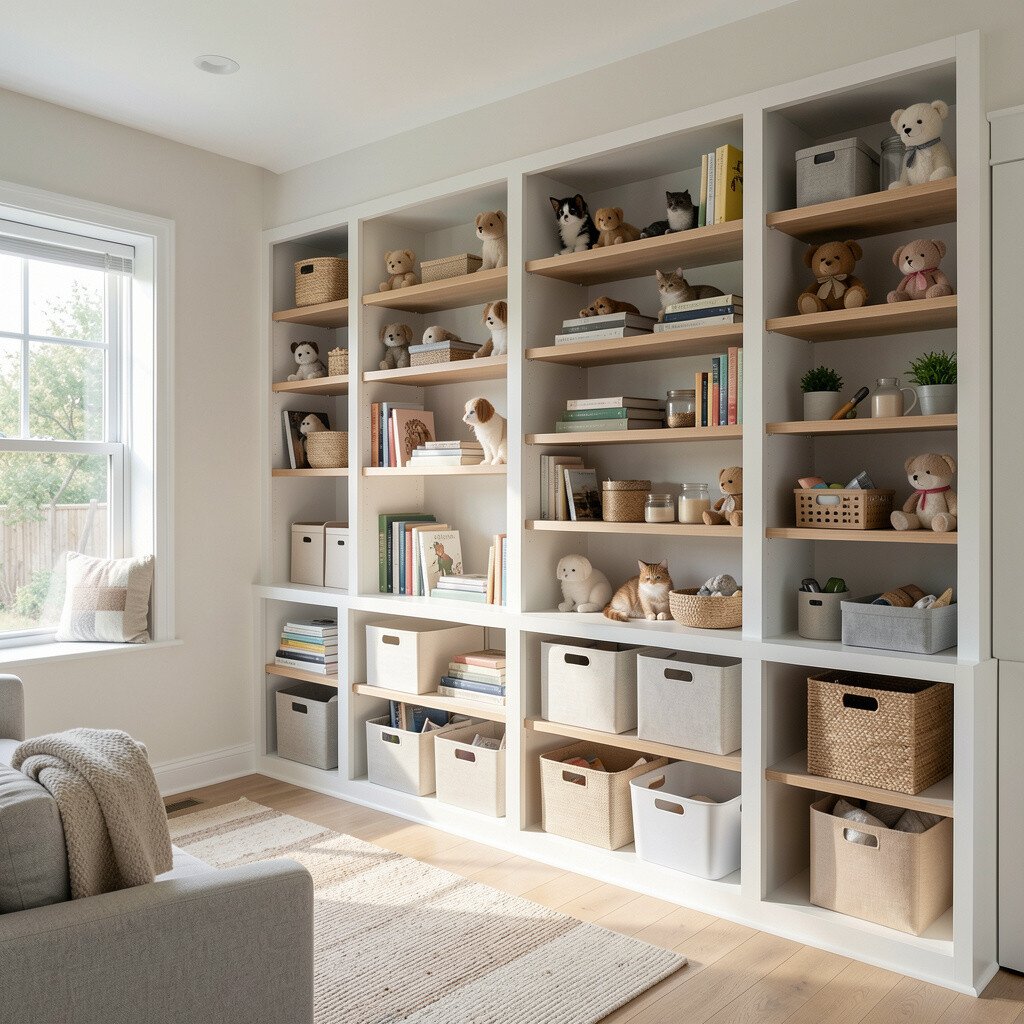
Clutter can lead to frantic play, tugging, and accidental wall hits. A built-in storage wall helps keep toys, leashes, and grooming tools organized away from curious paws.
When items have a home, your pets spend less time investigating the mess and more time resting. You can picture hidden doors and closed cabinets that keep busy energy from spilling into the walls. This solution also supports easy maintenance because surfaces stay cleaner when hands can reach them quickly.
15. Corner shelving with scratch-resistant backing
Corner shelving with scratch-resistant backing
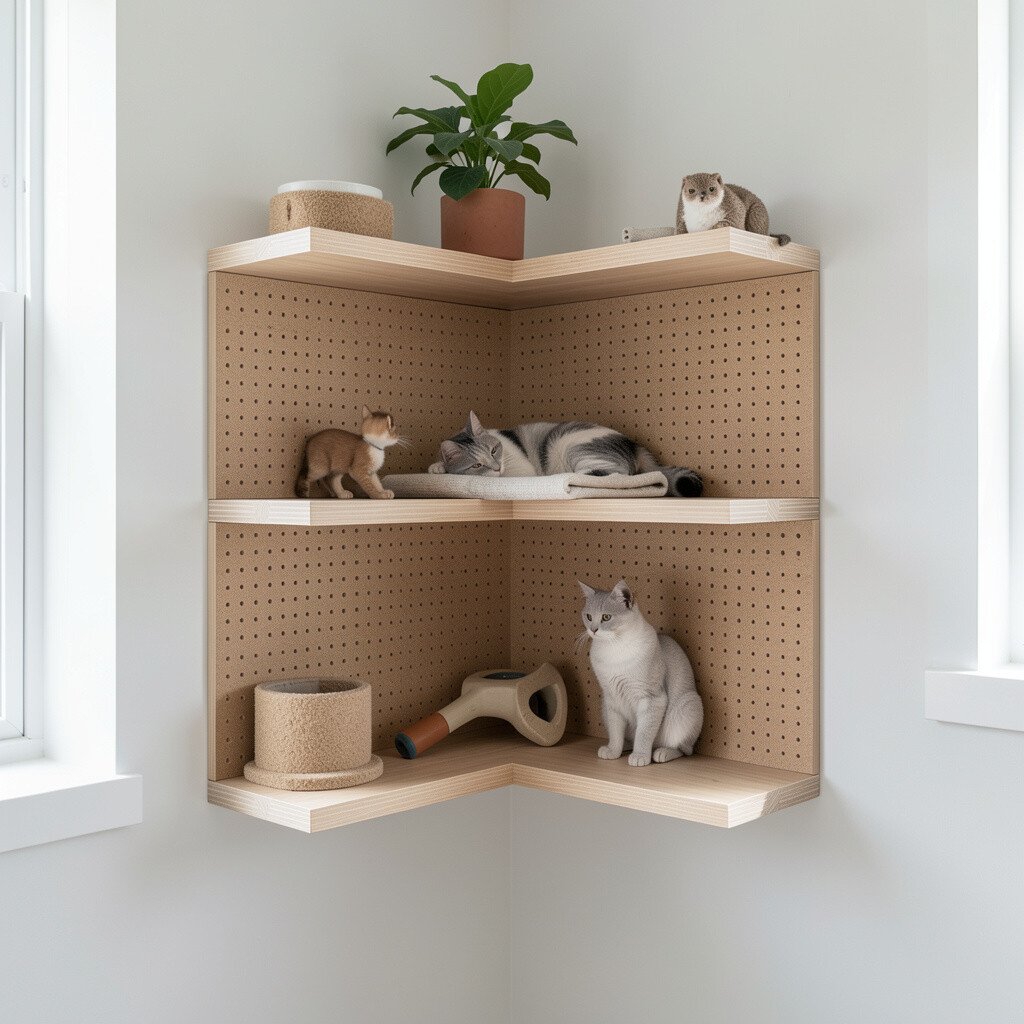
Corner shelves make great cat and small-dog hangout spots, but the backs can get scratched. Add scratch-resistant backing behind the shelf area to protect walls that see repeated climbing.
Use a smooth panel behind the shelving so claws have less to catch on while you still get an attractive look. You can picture tidy corners that feel like a design feature instead of a repair risk. This kind of built-in also makes it easier to personalize with decor that matches your style.
For practical tips, anchor shelves securely and leave a small gap behind so you can wipe easily. Cost can be controlled by choosing simpler shelf materials and investing more in the protective back panel. If you have a long-haired pet, a protective surface also helps keep stray fur from embedding in rough edges.
16. Wall-mounted charging and grooming stations above mess level
Wall-mounted charging and grooming stations above mess level
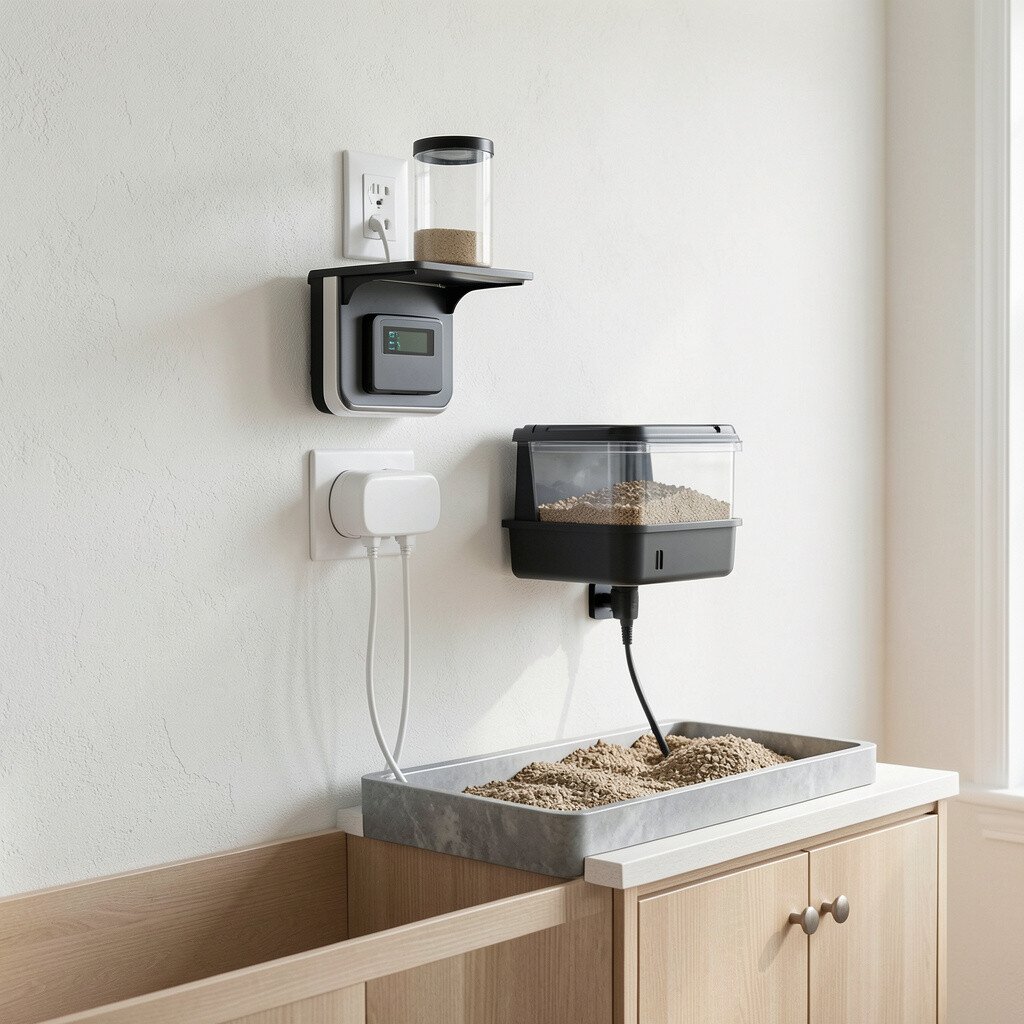
Grooming tools and leashes often end up on surfaces where pets can bump them. A wall-mounted station raised above typical paw reach can prevent knocks and keep items tidy.
When you place storage higher, you reduce the chance of water bowls being tipped or grooming supplies being dragged. You can picture a sleek station near the entry where everything has a place, and the surrounding wall stays clean. This setup also supports easy personalization with colors that match your home’s hardware.
Cost considerations are usually reasonable because you are upgrading fixtures rather than rebuilding large sections. Choose surfaces that wipe easily, especially in areas close to baths or wet wipes. As a current trend, many homes are adding “utility zones” that look like built-in decor but work like daily tools.
17. Smart partition walls for separating pets during training
Smart partition walls for separating pets during training
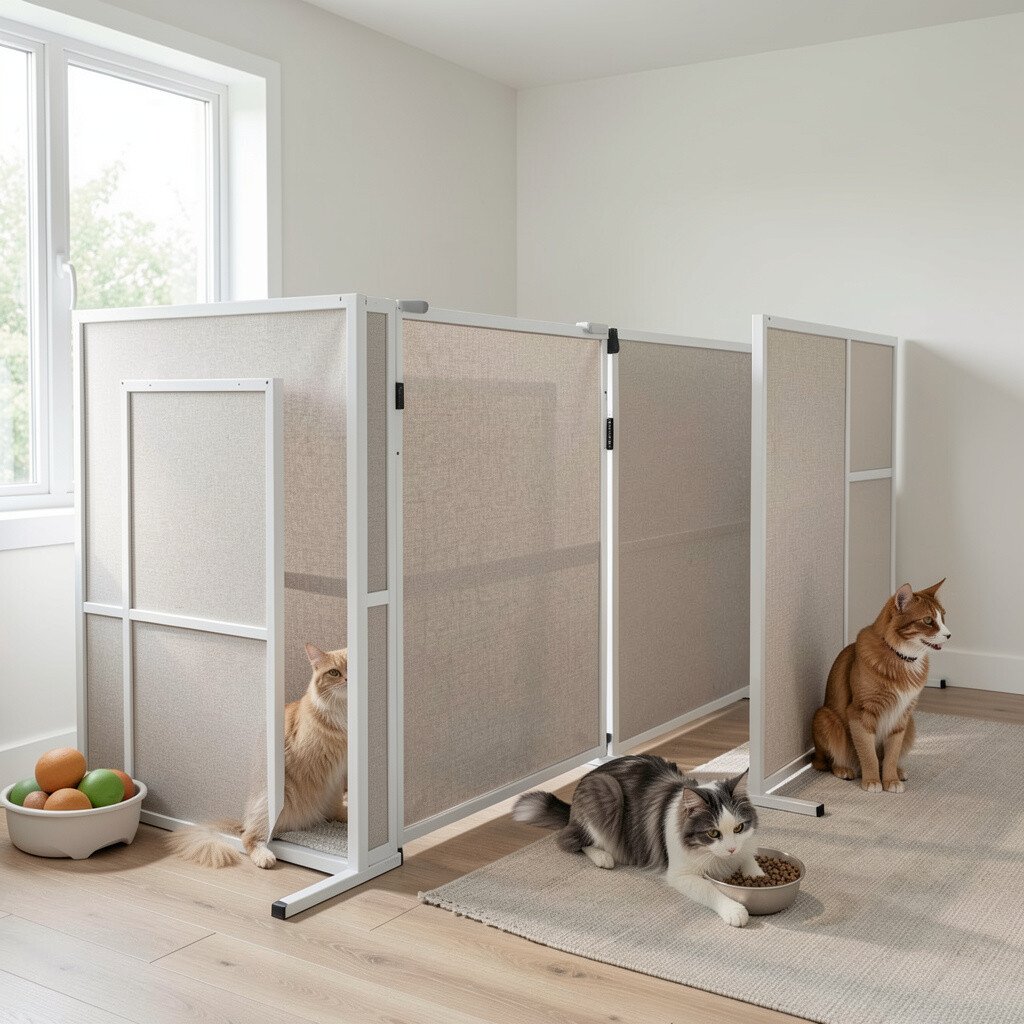
Training phases can get messy, and some walls just do not handle that stress well. A smart partition wall can help you separate pets and manage movement without constant rearranging.
Build or install partitions with materials that clean easily and that do not trap odors. You can picture a clear, safe boundary that keeps training calm and helps pets learn routines faster. For practical tips, add visual sight lines for dogs that need reassurance, while still blocking access to problem rooms.
Personalization can be done through the choice of panel design, like simple patterns that match your decor. Cost varies depending on whether you choose freestanding solutions or integrate partitions into a remodel. If you plan for change, use modular parts so you can adjust the layout as your pets grow.
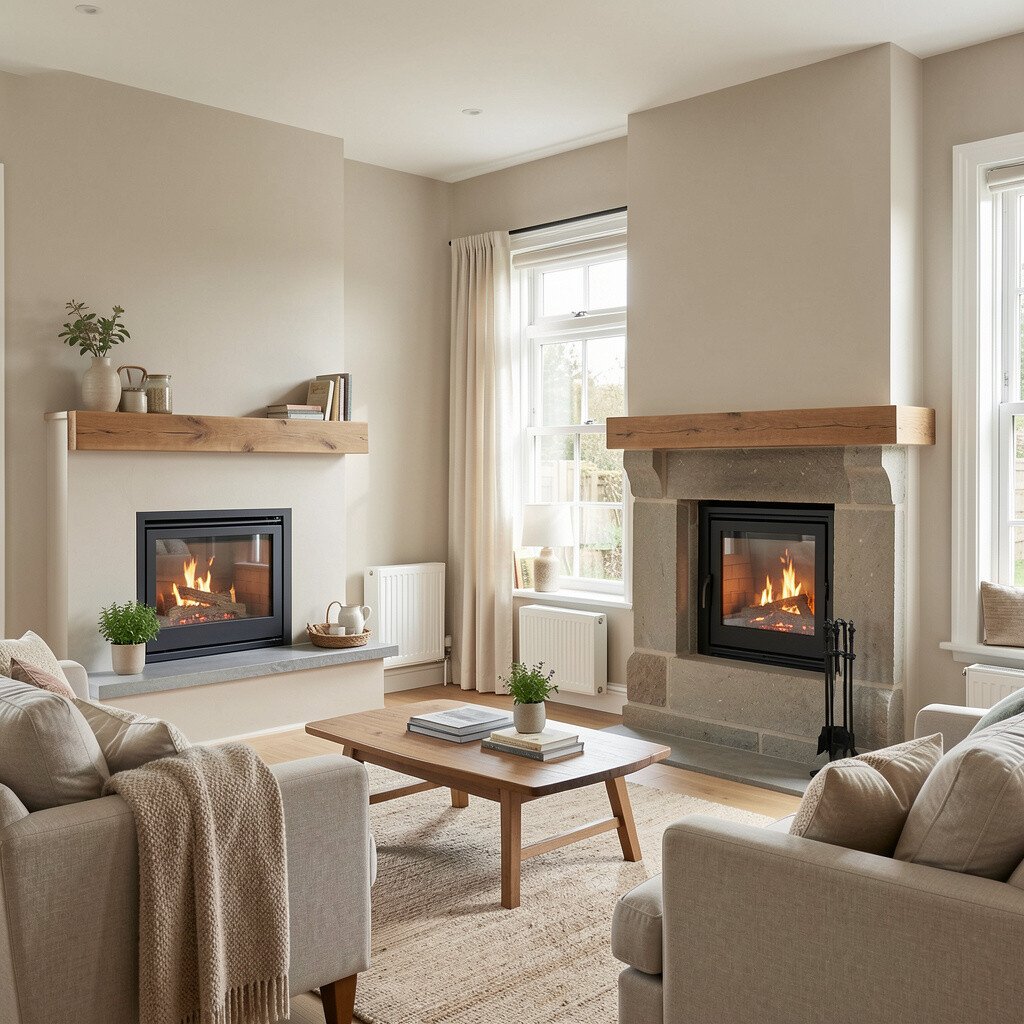
18. Heat-safe wall fireplaces and cozy wall radiators for calm lounging
Heat-safe wall fireplaces and cozy wall radiators for calm lounging
Pets love warm spots, and a well-built warm wall feature can channel that desire in a safe way. Picture a cozy lounge corner where your pet settles without chewing wires or climbing unsafe surfaces.
Choose heat-safe wall systems and secure surrounds so pets cannot access risky areas. You can picture a finished wall that feels premium and keeps comfort consistent across seasons. This build helps prevent random scratching near off-limits equipment because the warm spot becomes a planned feature.
For practical tips, keep a pet-friendly blanket nearby and add a low barrier so claws do not target the edges. Cost considerations depend on whether you install a new heating element or update an existing one, so prioritize safety features first. Personalize the area with matching trim and a durable floor mat so the entire zone looks coordinated and stays easy to clean.