21+ Window Boxes Without Maintenance Ideas For Easy Beauty
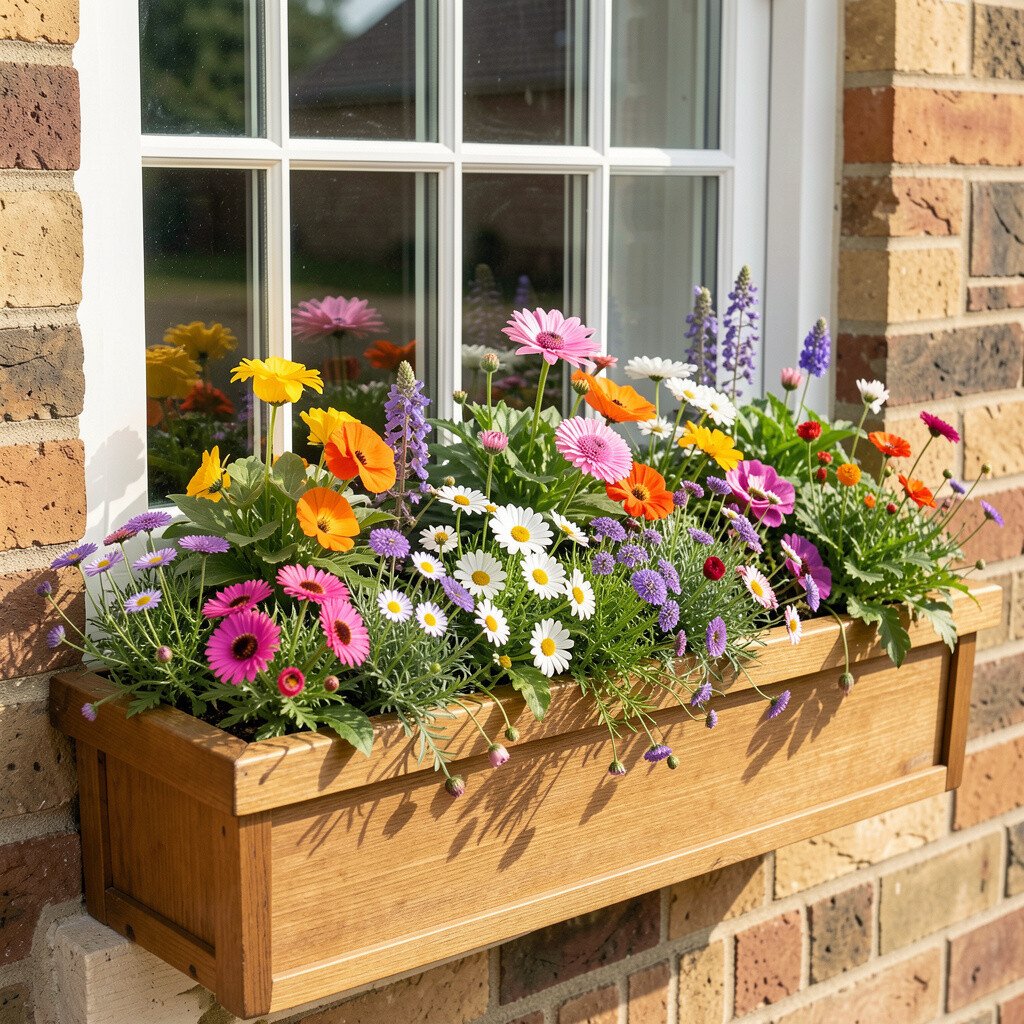
Window boxes can look full and fresh without turning into a chores list. With a few smart choices, you get color, charm, and curb appeal all season long.
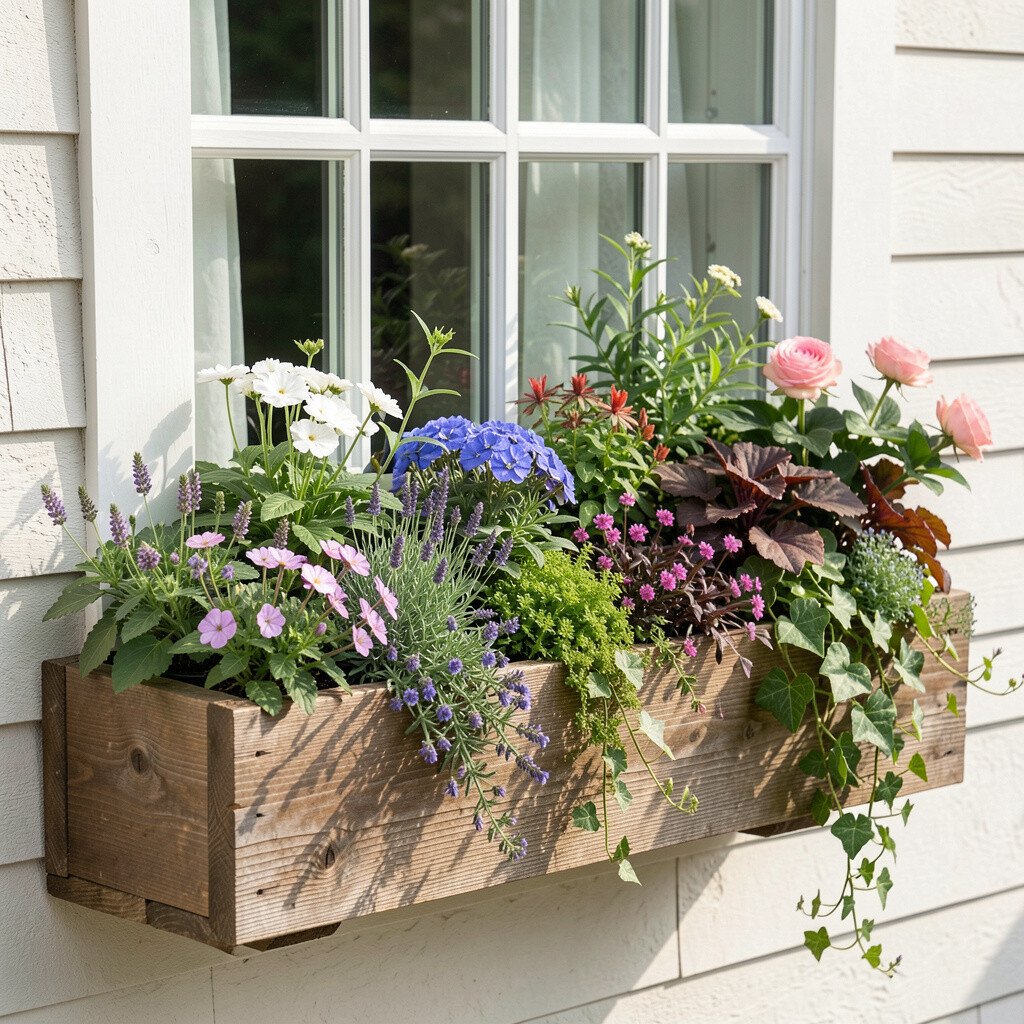
Choose a window box that feels roomy, then plant it once with compatible plants. Pick varieties that enjoy similar light and watering so the box stays balanced for weeks.
For a visual payoff, mix different heights and textures, like a trailing green with upright blooms. Use a rich potting mix and water well at planting, then check only when the weather gets unusually hot. If you want personalization, match your plant colors to your door or trim for a pulled-together look.
2. Evergreen Foundation Box With Seasonal Color Caps
Evergreen Foundation Box With Seasonal Color Caps
Start with evergreen foliage that holds its shape all year. Then add quick, simple seasonal color at the top layer so the base always looks tidy.
Look for compact shrubs or hardy groundcover that doesn’t sprawl and hide. This makes the whole window area feel intentional even on lazy days.
Swap the top layer a couple times a year to match current trends, like warm terracotta tones in fall or bright spring pastels. You’ll spend a bit on the evergreen base, but it saves money long term because you reuse it instead of rebuilding each season.
3. Low-Water Succulent Cascade For Hot-Sun Windows
Low-Water Succulent Cascade For Hot-Sun Windows
For a modern look, try a succulent-forward window box that can handle dry spells. The rosette shapes create instant visual interest without needing constant attention.
Arrange plants so some spill over the edge while taller ones stand near the back. Pair colors like deep green, silvery gray, and small hints of purple for a clean, trendy vibe.
Use a gritty cactus-style mix so water drains fast, which helps reduce common maintenance problems. Even if you forget a day or two, succulents bounce back better than thirsty annuals.
To personalize, add one unusual focal plant, like a taller echeveria, so the box feels custom. Cost can stay reasonable because succulents often grow from small starts into fuller forms over time.
4. Faux-Look Flowering Box With Real Soil-Free Style
Faux-Look Flowering Box With Real Soil-Free Style
If you truly want no upkeep, use high-quality outdoor faux plants made for sun and rain. They keep their color and shape, so your windows look styled even after busy weeks.
Pick materials that won’t look chalky in daylight and choose leaves with natural shine. A mix of blooms and foliage creates a real-looking flow down the sides.
5. Self-Watering Window Box With Easy Reservoir Setup
Self-Watering Window Box With Easy Reservoir Setup
A self-watering system helps plants stay steady with less fuss. You fill a reservoir occasionally, and the box does the work of keeping moisture even.
Use the box for plants that like consistent water, such as soft flowering annuals or ornamental herbs. The result feels lush and full because the roots don’t dry out suddenly.
For a current trend, go for a “garden of herbs” look by combining basil-like greens, tiny blossoms, and trailing strands. Personalize by adding a color theme like lemony yellow and creamy white so it feels bright and welcoming without extra work.
6. Herb and Flower Hybrid That Smells Great All Summer
Herb and Flower Hybrid That Smells Great All Summer
Grow an easy herb and flower mix that adds both fragrance and color. When you glance out the window, you get a gentle scent that makes the whole space feel alive.
Choose tough herbs like thyme or oregano along with hardy, low-stress blooms. This pairing creates a visual rhythm, with mounding greens in front and taller flowers rising behind.
To keep it low maintenance, avoid plants that need frequent pruning and stick to compact varieties. You can also let some herbs flower naturally for a longer-lasting look.
7. Monochrome Green Box With One Bold Accent Bloom
Monochrome Green Box With One Bold Accent Bloom
Sometimes less color looks more elegant. Build a box with layered greens in different shades, then add one striking bloom cluster for drama.
Try mixes like dark green trailing plants, lighter chartreuse foliage, and a single standout accent flower. The benefit is a calm, modern visual that looks tidy even when plants slow down during hot weather.
For uniqueness, choose an accent color that ties into your home, such as a deep magenta near a pink door or a rich blue near gray siding. If cost matters, monochrome planting can use fewer different plant types and fewer replacements.
8. Straw Bale-Style Planting Look With Natural Texture
Straw Bale-Style Planting Look With Natural Texture
For a rustic vibe, use a planting approach that mimics natural hay or straw textures. The visual effect feels warm and welcoming, especially for farmhouse or cottage styles.
Choose plants with airy foliage, like ornamental grasses or trailing groundcovers, and tuck them into a supportive mix. This can help them settle quickly, so you spend less time adjusting and more time enjoying.
To personalize, weave in small decorative elements that suit your season, like subtle seed pods or dried flowers. Keep the overall look cohesive by sticking to earthy colors like honey, sage, and muted browns.
Cost can be controlled by using slower-growing, tough plants that spread gently over time. The box stays interesting because the texture does a lot of the heavy lifting.
9. Container-Ready Bulb Look With Slow-Fading Charm
Container-Ready Bulb Look With Slow-Fading Charm
Plant bulbs once for a recurring burst of color across the season. This approach reduces the need for frequent replanting and keeps things exciting as the display changes.
Choose bulbs suited to your climate so they return or stay reliable. For easy beauty, place them in clusters so the window box looks full even before blooms peak.
After flowering, let the foliage soften naturally instead of cutting it right away. That helps bulbs store energy and gives the box a graceful, lived-in look.
Personalize by selecting bulbs in a color family that matches your style, like soft whites for a classic look or bold reds for a lively front porch. While bulbs can cost more upfront, the payoff is fewer replacements.
10. Compact Flowering Mix With Strong First Impression
Compact Flowering Mix With Strong First Impression
Pick plants that look good right away, then settle in for an easy stretch. A tightly packed mix often hides gaps early and keeps the box looking full.
Look for compact annuals with sturdy stems and blooms that last longer than typical varieties. This reduces the need for deadheading and gives you an always-ready front view.
Try a “thriller, filler, spiller” layout without overthinking it: one or two taller plants, a cloud of medium plants, and a gentle spill over the edge. Personalize with a theme like coastal blues or warm sunset oranges for a cheerful look.
11. Winter-Ready Box With Cold-Tolerant Plants
Winter-Ready Box With Cold-Tolerant Plants
Window boxes can look great even in colder months. Choose plants that handle chilly weather, like ornamental kale, pansies, or winter greens.
These plants keep their color longer, so your windows feel alive when everything else looks bare. The visual payoff is bold, especially with rich purples and deep greens.
For practical ease, select varieties that don’t require constant pinching back. Let the foliage and flowers fill naturally so the box stays attractive through changing weather.
To personalize, tie winter colors to your decor by matching scarves, wreath colors, or holiday accents. Cost stays manageable because cold-tolerant plants often last longer per planting.
12. Gravel Top Dressing For a Cleaner, Less-Mess Look
Gravel Top Dressing For a Cleaner, Less-Mess Look
Top dress your window box with gravel or decorative stones to reduce surface mess. This helps keep soil from splashing and gives the box a neat, styled finish.
Choose small stones that fit the scale of your planter so it looks intentional, not random. The gravel also helps plants appear fresher because the top surface stays consistent.
For visual contrast, pair dark soil and green leaves with light gray or warm tan stones. Personalize by selecting stones that echo your walkway or siding color.
13. Trailing Garden Vines With “Set and Forget” Habits
Trailing Garden Vines With “Set and Forget” Habits
Trailing plants make window boxes look full without constant trimming. Choose hardy trailing varieties that naturally drape, so they grow into the shape you want.
A common benefit is instant movement, especially when leaves catch light and gently spill over the edge. You’ll enjoy a soft waterfall look that makes the window feel more welcoming.
For uniqueness, combine two trail textures, like a fine-feathered leaf with a broader leaf trail. This creates depth even if the growth slows during mild seasons.
Cost considerations can be friendly because some trailing plants spread and fill the box over time. You can start with smaller sizes and still end up with a lush look as the vines mature.
14. Waterwise Plant Trio With a Predictable Routine
Waterwise Plant Trio With a Predictable Routine
Pick a simple trio of plants that share similar needs, so your routine stays predictable. When everything wants the same kind of care, the box becomes easier to manage.
Choose one upright filler, one trailing spiller, and one mid-layer plant for fullness. The visual balance helps the box look attractive even when growth is slow.
To personalize, adjust just the color palette, like choosing cool tones for a calm look or warm tones for a cheerful mood. You can also choose longer-blooming types so you spend less time replacing plants.
15. Perennial Repeat Strategy With Long-Life Planting
Perennial Repeat Strategy With Long-Life Planting
Instead of starting from scratch each season, use perennials that stay in place. The benefit is that your window box builds character over time.
Choose hardy perennials suited to container life and give them a solid rooting mix. Even if the box isn’t bursting at all times, the foliage keeps it from looking empty.
For uniqueness, cluster plants with different leaf shapes, like broad leaves alongside fine grasses. This makes the box interesting even between flowering periods.
Cost considerations are helpful here because you pay more at the beginning, then enjoy multiple seasons from the same plants. A few well-chosen plants can replace many short-lived ones.
16. Self-Draining Setup With Raised Feet and Better Airflow
Self-Draining Setup With Raised Feet and Better Airflow
Some window boxes look hard to maintain just because water doesn’t move well. Use a self-draining planter with feet or airflow underneath to help roots stay healthy.
Better drainage means fewer issues like soggy soil and uneven growth. Visually, plants look stronger when they’re not stressed.
To personalize, pick a planter style that matches your home, like a matte ceramic look or a sleek metal vibe. This helps the box feel like decor, not just gardening equipment.
17. Color-Managed Palette With Seasonal Swaps That Stay Easy
Color-Managed Palette With Seasonal Swaps That Stay Easy
Plan your window box palette in advance so swapping is simple. When you stick to a few go-to colors, replacing plants feels quick and satisfying.
For example, keep a consistent green base and rotate only the top blooms. The benefit is that the box stays cohesive even when the season changes.
Current trends often favor bold but controlled color, like jewel tones or earthy muted shades. You can follow that vibe by choosing one main color to lead and one supporting color to echo.
Cost can be lower because you reuse the base and only buy small seasonal additions. Personalize by using your favorite scarf color, lipstick-like pink tones, or deep autumn rust.
18. Drought-Tolerant Groundcover Texture With Soft Edge Spill
Drought-Tolerant Groundcover Texture With Soft Edge Spill
Drought-tolerant groundcovers create a neat, cushioned look with minimal attention. When planted correctly, they fill spaces fast and resist looking messy.
Pick varieties that spread gently rather than wildly, so the box stays tidy. Visual texture is the star here, especially when leaves vary from glossy to matte.
To keep things easy, avoid extra fertilizing and let plants settle into their routine. When the box looks full, you reduce the urge to tinker and that’s where maintenance drops.
Personalize with leaf color choices like deep green, silver-green, or hints of bronze for warm lighting. Cost considerations are good because groundcovers often require fewer replantings.
19. Outdoor Ornamental Grasses For Movement Without Fuss
Outdoor Ornamental Grasses For Movement Without Fuss
Ornamental grasses bring motion to your window box with very little effort. Even without frequent trimming, their form stays stylish.
Choose clumping grasses designed for containers and place them toward the back or center. Their blades create a vertical structure that makes flowers look more dramatic.
For uniqueness, pair two grasses with different textures, like one airy and one sturdy. This adds depth and makes the box look designer-like.
Practical tips help the box succeed, like using the right mix and not overwatering. Cost can be reasonable because grasses often last for multiple seasons, especially when cared for lightly.
20. Mixed Foliage With Berry-Like Accents For “Always Pretty”
Mixed Foliage With Berry-Like Accents For “Always Pretty”
Some plants hold color for longer than you expect, especially those with berry-like accents. A foliage-first box can look lively even when flowers fade.
Use plants with interesting leaf edges, glossy surfaces, or fine stems that frame your window. The benefit is an always-ready look that doesn’t depend on constant bloom cycles.
Personalize by choosing accent tones that match your home, such as cranberry red, golden yellow, or cool lavender. For a trend-friendly feel, many people now lean toward foliage texture and long-lasting color rather than short-lived blooms.
Cost considerations can be balanced since you’re buying fewer replacements and building a long-lasting composition. Once the layout works, it becomes a dependable part of your curb appeal.
21. Decorative Planter Inserts For Quick Refreshing
Decorative Planter Inserts For Quick Refreshing
Plant in inserts that slide into the box, making refresh days much easier. When the season changes, you lift out the old insert and replace it with a new one.
This saves time and reduces messy soil transfer, so your hands stay clean. Visually, the window box always looks neat because each insert starts fresh.
For personalization, match insert themes to holidays or local seasons, like spring pastels or autumn rust. The practical side is that you can experiment with plant combos without committing forever.
Cost can be controlled because you can reuse inserts and containers across years. It’s also a smart way to try trend-forward looks without wasting money on a full rebuild.
22. Minimalist Monotone Window Box With Premium Finishes
Minimalist Monotone Window Box With Premium Finishes
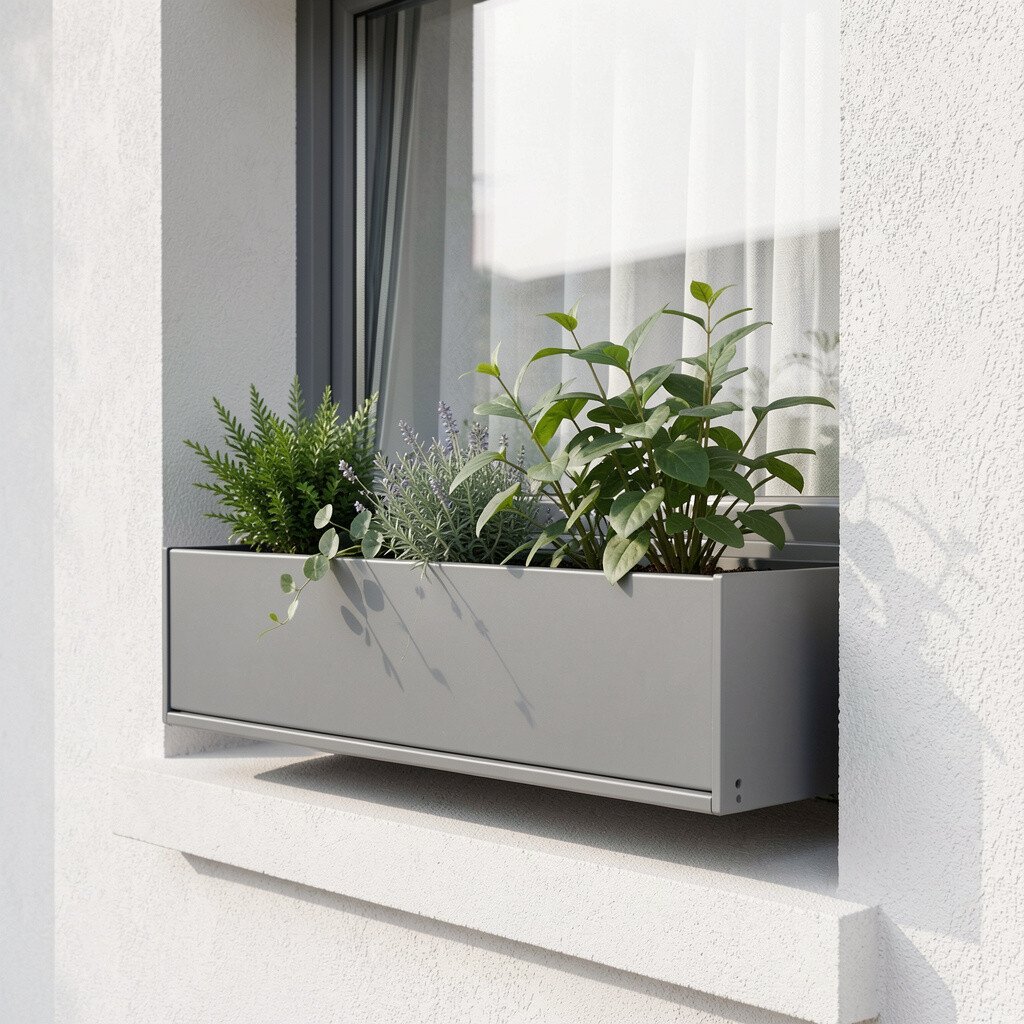
Go minimalist for a sleek, modern appearance that stays beautiful with little attention. A premium finish like a matte planter and a calm plant palette makes everything feel intentional.
Pick one main plant type with a tidy habit, then add only a small number of accents for interest. The benefit is that the box won’t look chaotic when growth slows.
For uniqueness, choose unusual leaf shapes or a single accent color that pops against your siding. This style fits current trends that favor clean lines and controlled color rather than busy mixes.
Cost considerations are often simpler here because you buy fewer varieties and focus on quality materials. Personalize by selecting planter color like charcoal, cream, or deep green so the box looks like decor year-round.