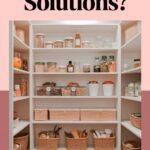
Your kitchen pantry can feel calm and in control with the right setup. Small changes add up fast, and your shelves start working for you instead of against you.
When everything has a clear place, cooking becomes smoother and less stressful. You’ll also waste less food because you can actually see what you have.
Pick one shelf where your most-used items live, like breakfast cereal, cooking oil, coffee, and everyday snacks. Place the items you reach for most at eye level so nothing disappears in the back.
Use shallow baskets or clear containers so you can spot what’s low in seconds. Keep labels simple, and group by how you use things, like baking staples together and snack items together.
2. Sort by Food Category, Not by Brand
Sort by Food Category, Not by Brand
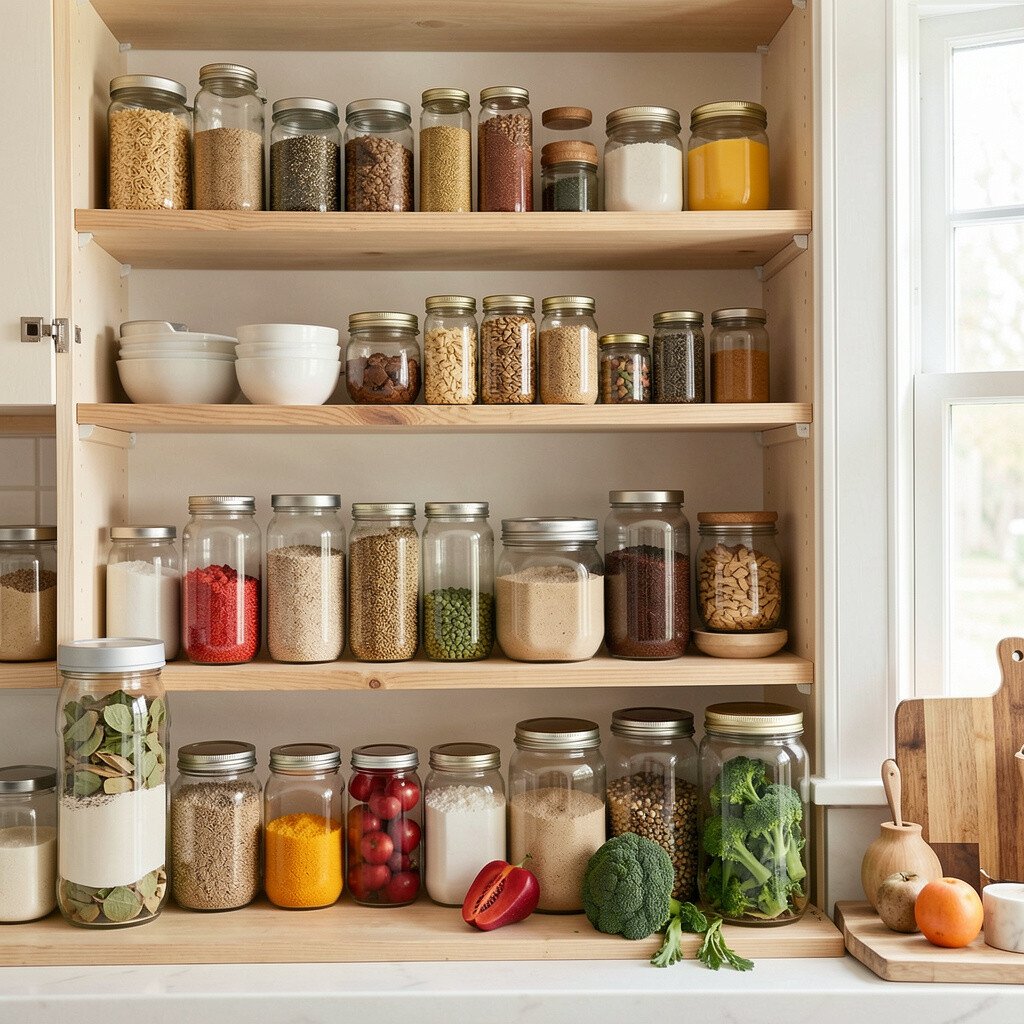
Instead of arranging by what’s printed on the front, group foods by type. Think rice with other grains, pasta with pasta shapes, and beans with beans.
This makes your shopping list easier because you can count what’s in each group. Choose containers with matching sizes when possible so shelves look tidy and balanced.
You can also add a small reusable divider tray so small packets stay standing upright. When you cook, you’ll move from one category to the next without digging.
3. Use Clear Lids and Open-Top Bins for Rotation
Use Clear Lids and Open-Top Bins for Rotation
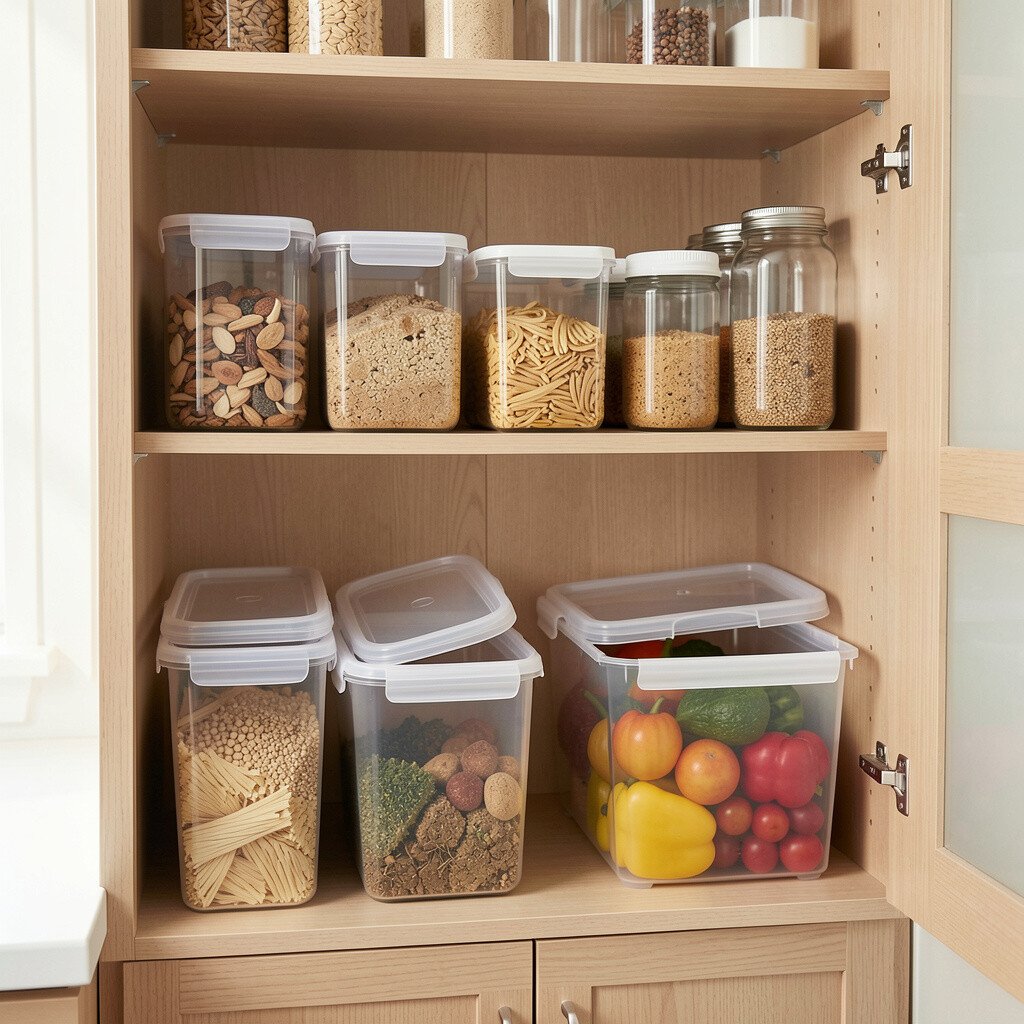
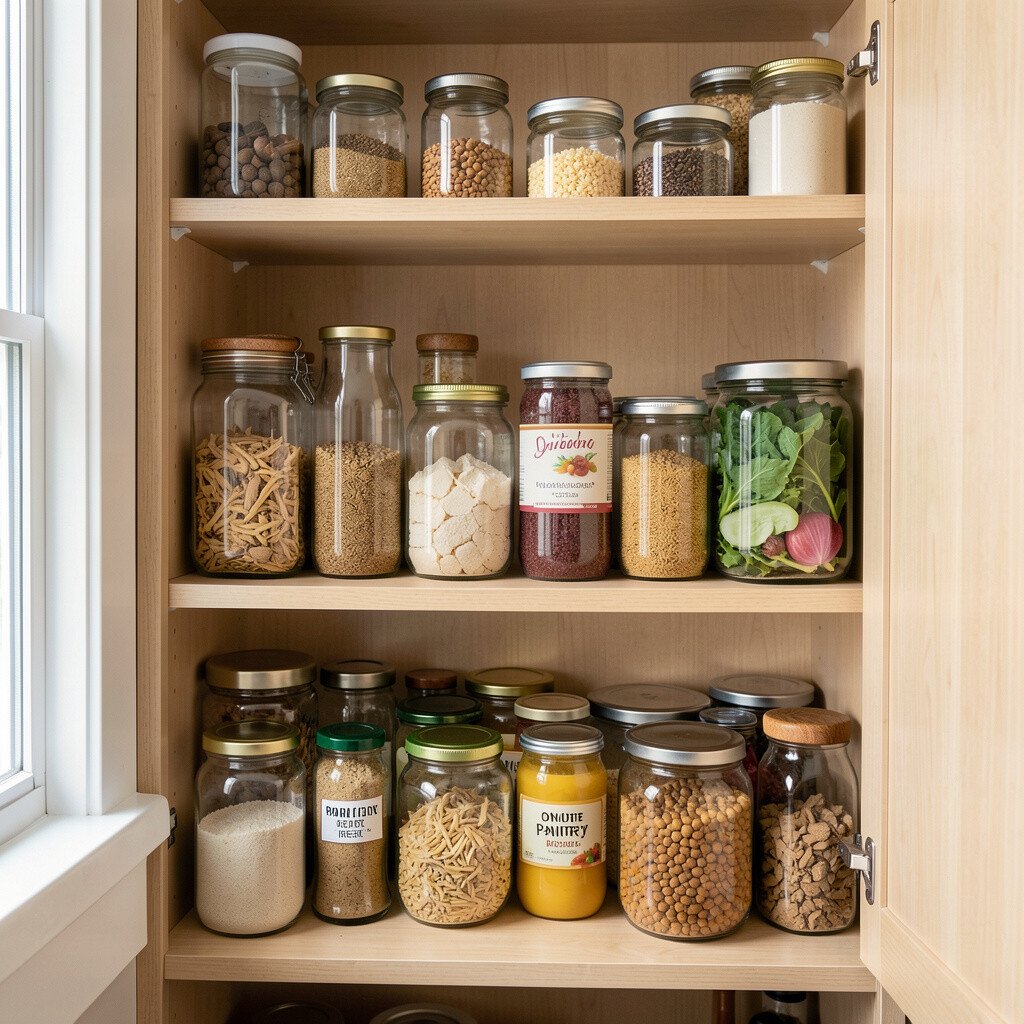
Clear storage helps you see ingredients without pulling every jar forward. Open-top bins work especially well for items like granola, flour, sugar, and nuts.
When you can see everything, you’ll restock sooner and reduce “mystery crumbs” at the back. For rotation, place newer containers behind older ones so you use what you bought first.
This approach is popular in modern kitchens because it supports easy check-ins. It also keeps the pantry looking fresh even when life gets busy.
4. Create a Baking Zone with Measured Layouts
Create a Baking Zone with Measured Layouts
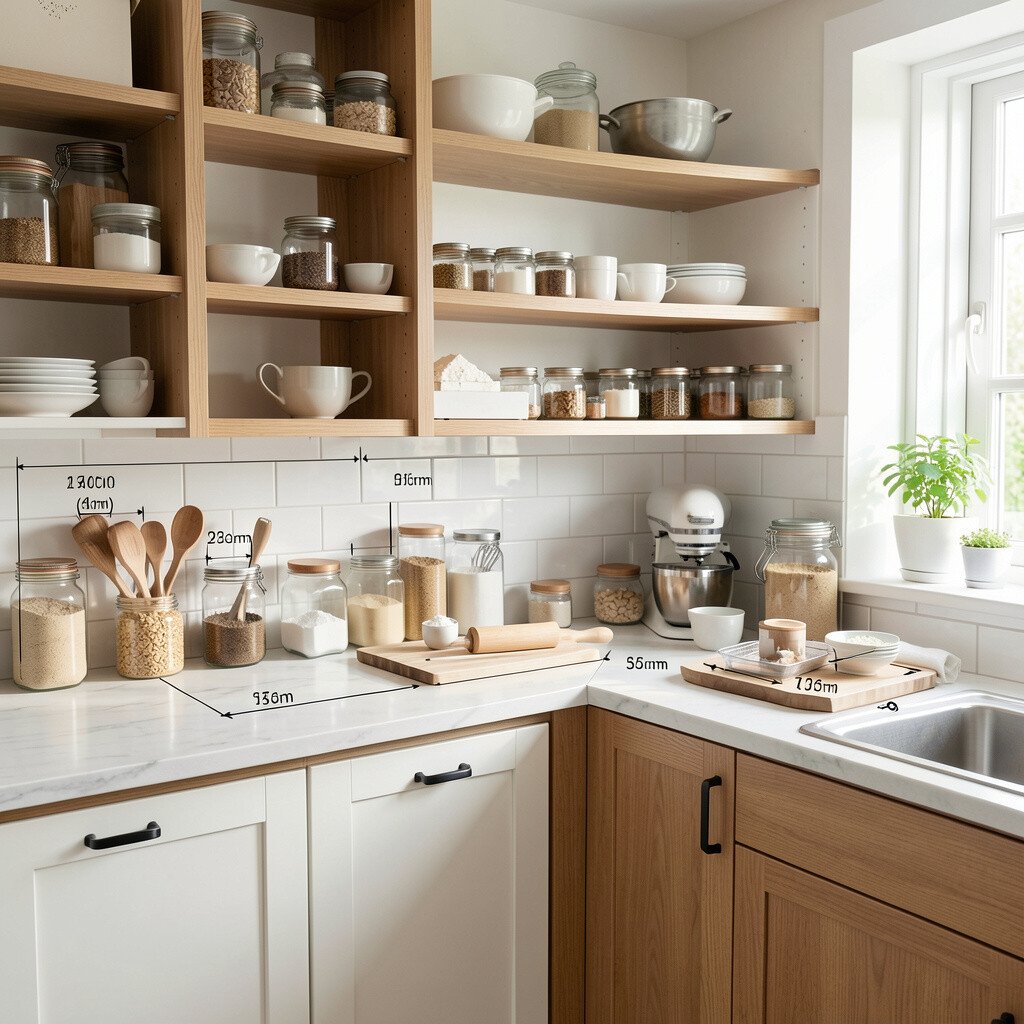
Set up a small baking zone where your flour, sugar, baking powder, chocolate chips, and vanilla all live close together. A dedicated area keeps recipes from turning into a scavenger hunt.
Arrange tins and jars in a pattern that mirrors how you bake, with staples near the front and extras slightly behind. If you share the kitchen with kids, use lower shelves so they can safely grab mixing ingredients.
5. Install Shelf Risers for Better Height Use
Install Shelf Risers for Better Height Use
Shelf risers are an easy way to add space without buying new furniture. They lift cans, jars, and small boxes so you can store more while keeping items visible.
You’ll reduce that frustrating back-row problem where you forget what’s there. Choose risers with a non-slip base so containers don’t slide when you reach in.
Many people are using risers right now because they give a neat, layered look that feels modern. It’s also budget-friendly compared to replacing shelves.
6. Wrap Sticky Notes Around the Back of Jars
Wrap Sticky Notes Around the Back of Jars
Add a small paper note on the back side of jars and containers so the front can stay clean and uncluttered. Write the ingredient name and the date you opened it, using a simple marker.
When you’re scanning quickly, the jar front looks calm while you still have useful info. This method helps you manage freshness without dealing with messy front labels.
7. Use Vertical Tension Shelving for Tall Items
Use Vertical Tension Shelving for Tall Items
For tall items like cereal boxes, large pasta bags, and cooking spices, consider vertical storage solutions. Tension shelves or narrow organizer racks keep long items upright and easy to grab.
This is a smart way to prevent leaning towers that fall when you open the door. Make sure the setup is sturdy, especially if you have kids who open the pantry quickly.
8. Add a Dedicated Countertop-Ready Basket
Add a Dedicated Countertop-Ready Basket
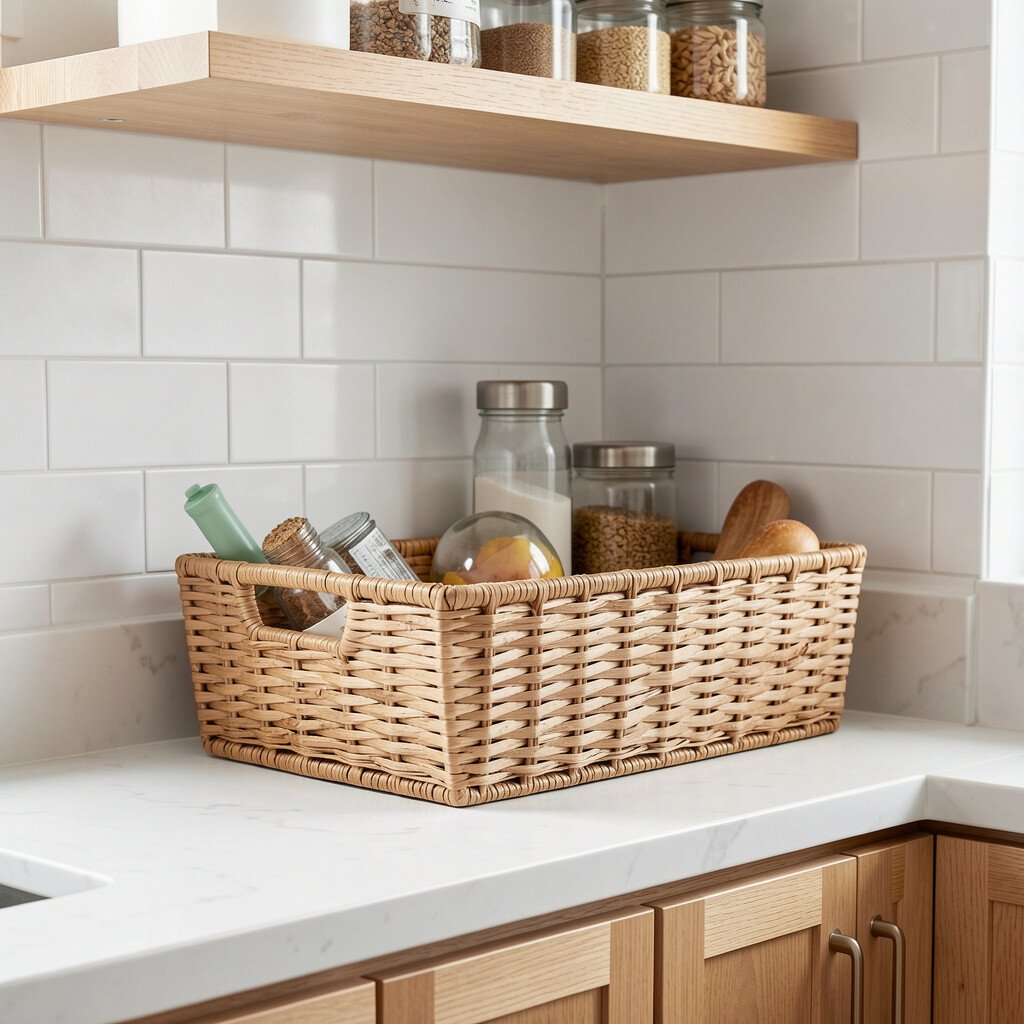
Create one basket that holds grab-and-go items you want near the kitchen routine. Include paper towels, small tea packets, cocoa mix, and sprinkles for last-minute desserts.
Keep it in the pantry when you’re done so the counter stays clear. This makes daily cooking smoother because your “small extras” are always ready.
9. Store Spices in a Consistent Facing Row
Store Spices in a Consistent Facing Row
Spices look better and work better when they face the same direction. Put them on a shelf with a slight lip or use a rack that holds bottles upright.
When labels are aligned, you can find cinnamon, chili powder, or cumin in seconds. You’ll also notice duplicates and missing favorites, which helps you personalize your spice setup over time.
This style is popular because it turns a cluttered cabinet into a neat ingredient wall. Choose refillable containers if you prefer a cleaner look and want to avoid extra packaging.
10. Group Snack Items by Grab Time
Group Snack Items by Grab Time
Snacks can be sorted by when you eat them, like “morning,” “after school,” and “late night.” Use small bins for each group so the pantry door doesn’t become a mess.
You’ll make better choices because your eyes land on the right option faster. It also helps you manage portion sizes without overthinking.
11. Keep One “Backup” Slot for Essentials
Keep One “Backup” Slot for Essentials
Set aside a small section for backup items like extra flour, toilet-size bags of sugar, and canned tomatoes. When you see that one slot is filling up, you know you’re stocked.
This prevents last-minute runs to the store and reduces stress before busy weeks. Use a bin that’s easy to lift so you can check inventory quickly.
If you live with a family, this idea can be shared so everyone knows where replacements go. It’s also a good way to use store deals wisely without hoarding.
12. Label with Color Tabs for Quick Scanning
Label with Color Tabs for Quick Scanning
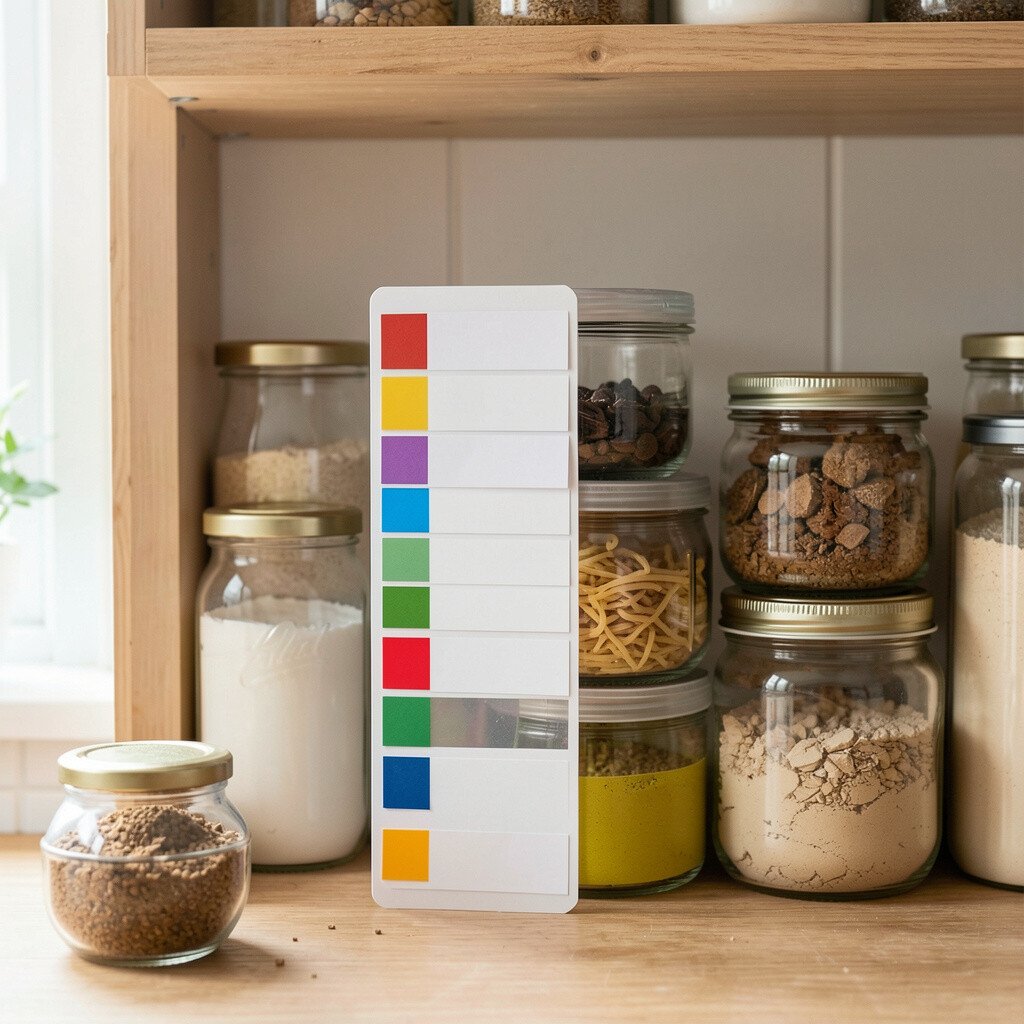
Use color-coded tabs or dots on the shelf, not on every single item. A warm color can mean baking, a cool color can mean grains, and another can mean snacks.
You’ll get faster scans because your eyes catch the color first, then the label. This is especially helpful in households where multiple people cook and grab items.
To keep costs low, reuse old label paper or print from a simple home printer. Color tabs are also easy to change when your pantry changes seasonally.
13. Add a Small Tray for Oils and Vinegars
Add a Small Tray for Oils and Vinegars
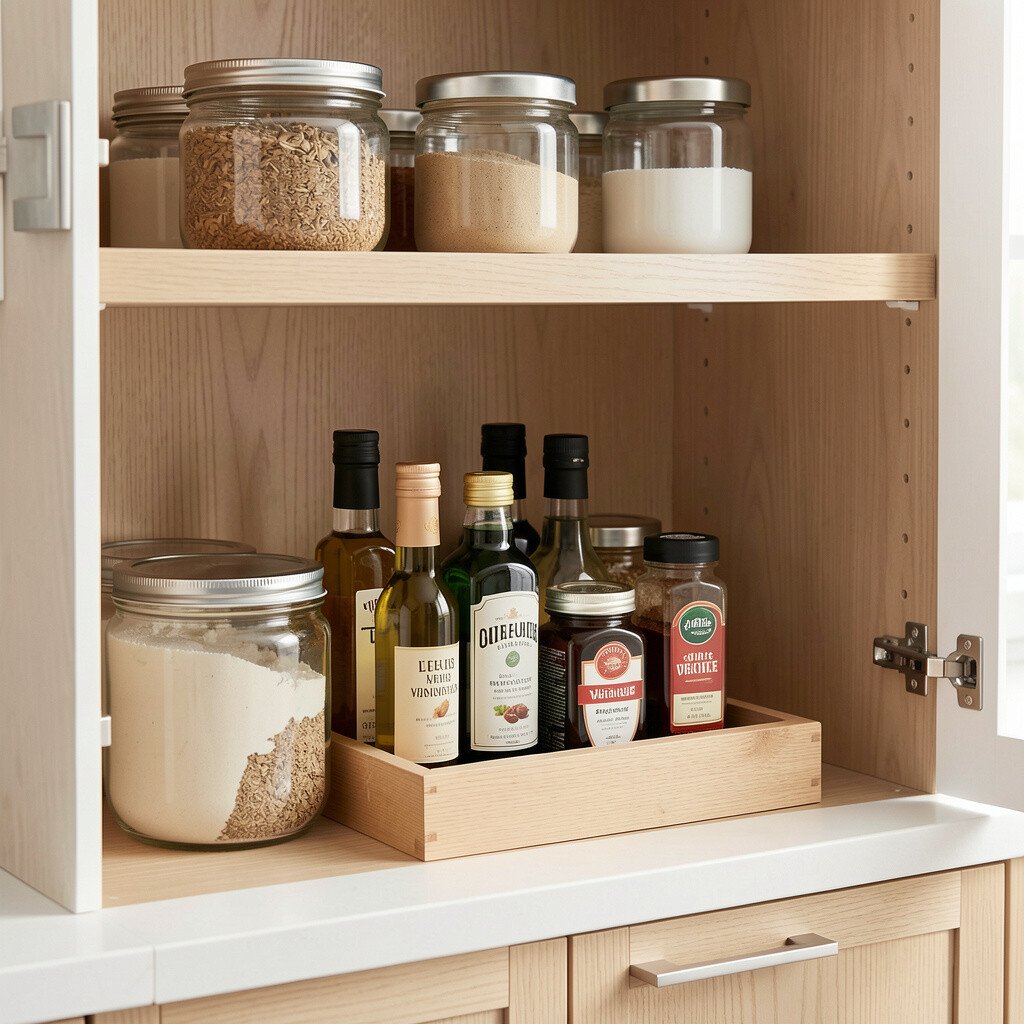
Oils and vinegars are often messy because bottles tip and drips happen. Use a shallow tray or caddy so spills stay contained and the pantry looks cleaner.
You can arrange by cooking style, like olive oil and salad vinegar on one side and specialty oils on the other. If you cook frequently, keeping them together saves time and helps you avoid buying duplicates.
14. Store Cleaning and Extra Supplies Separately
Store Cleaning and Extra Supplies Separately
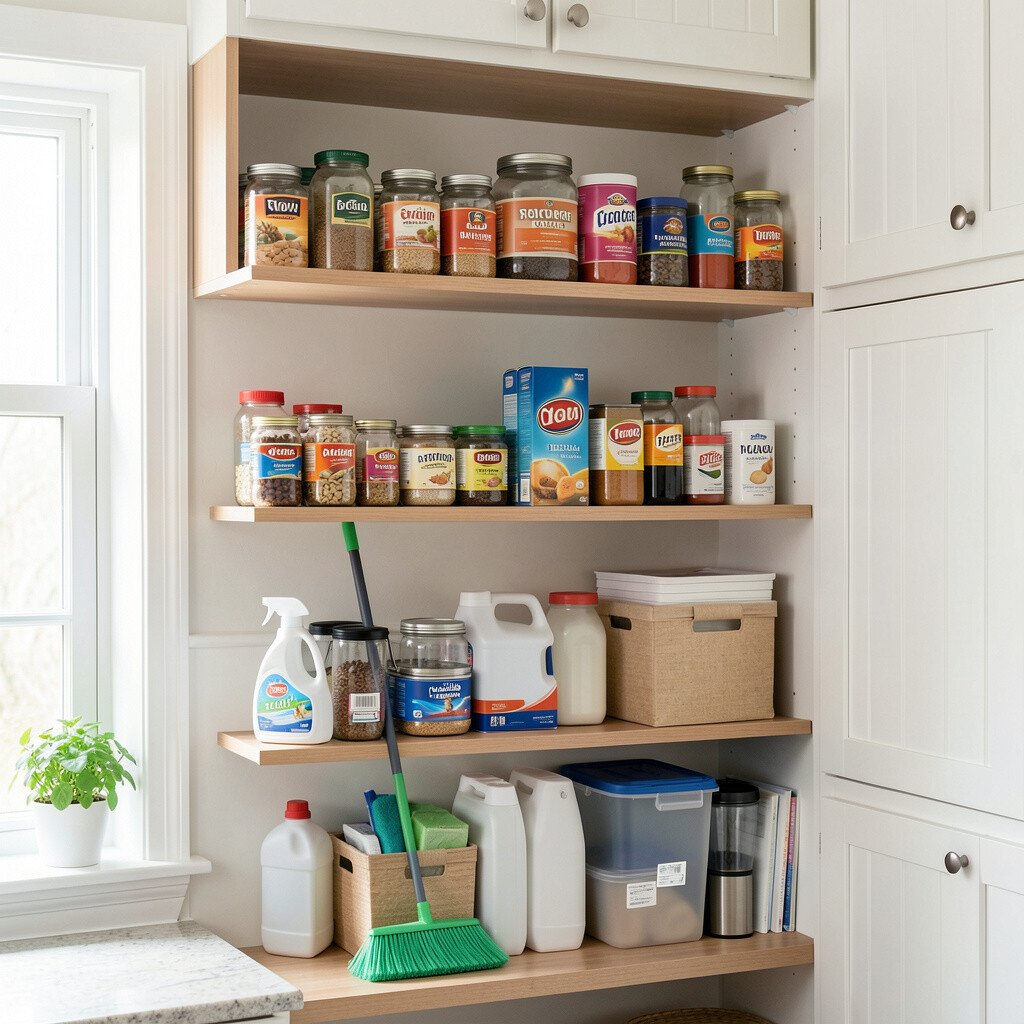
If your pantry also holds paper goods or extra cleaning items, give them their own space. A separate shelf or bin prevents food odors and keeps the kitchen feeling fresh.
This also makes it easier to do quick cleanups because you know where non-food items live. Use an opaque bin for things you don’t want to see, while keeping food in clear or lightly labeled containers.
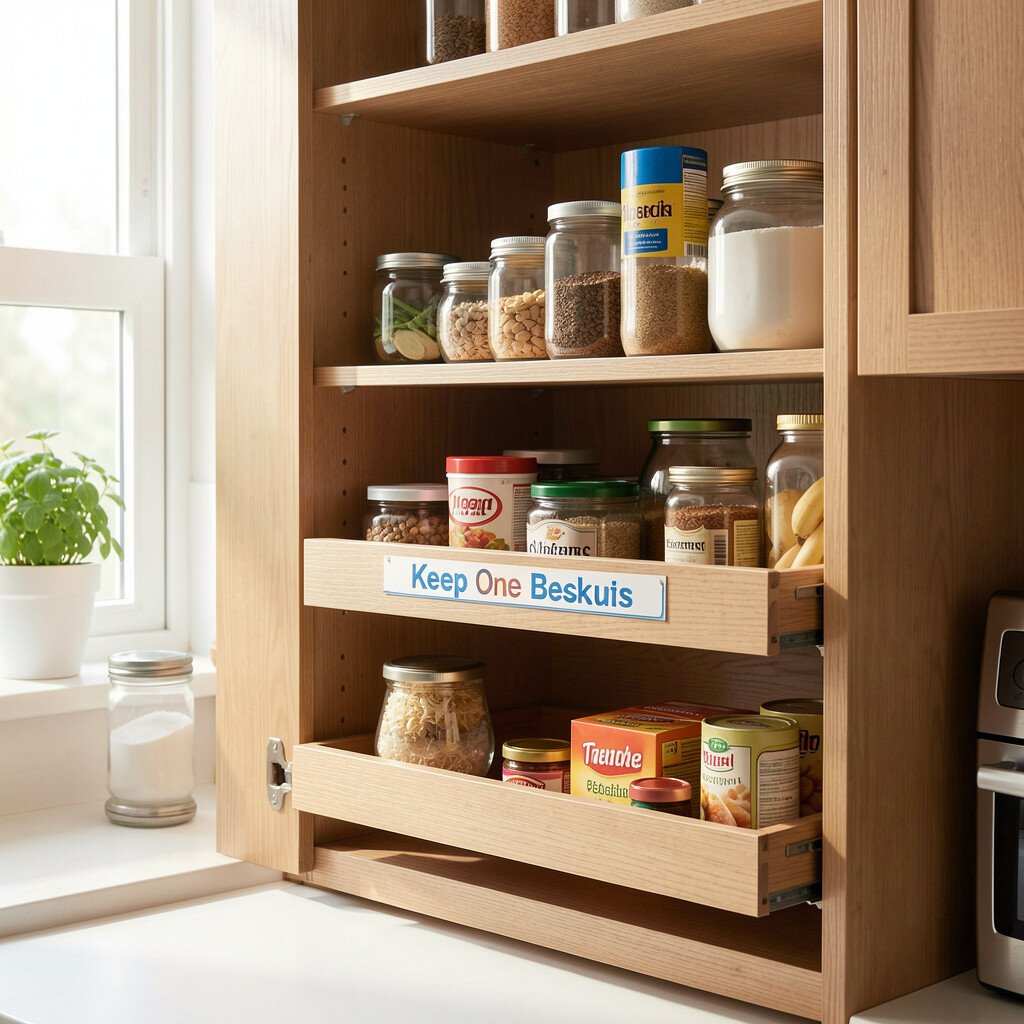
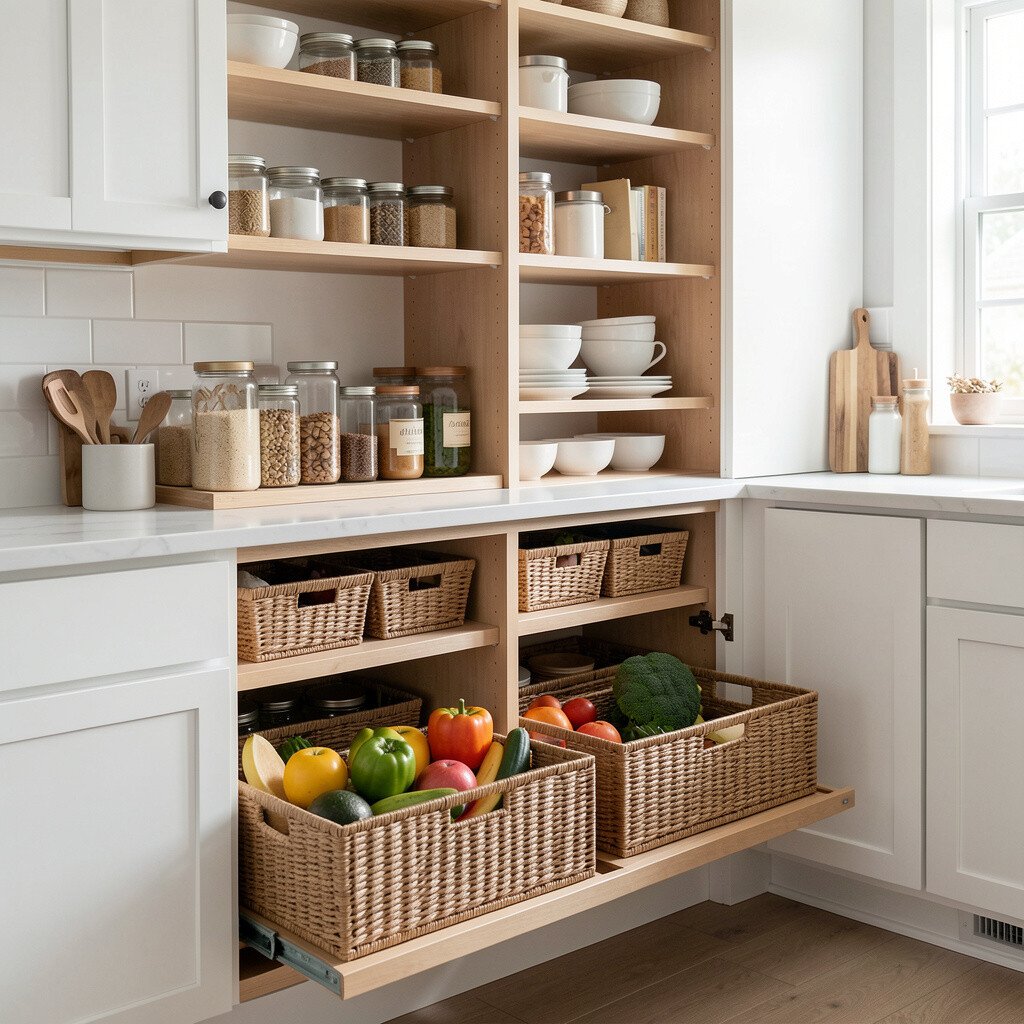
Deep shelves hide items unless you can reach them easily. Pull-out baskets bring contents forward, so you don’t have to dig behind cans and boxes.
The visual difference is huge because you can browse without removing everything. It also reduces shelf scratches and keeps jars steadier when you reach in.
Many kitchens are switching to pull-out styles because they make small spaces feel larger. If you’re on a budget, look for simple drawer-style pullouts that fit your shelf width.
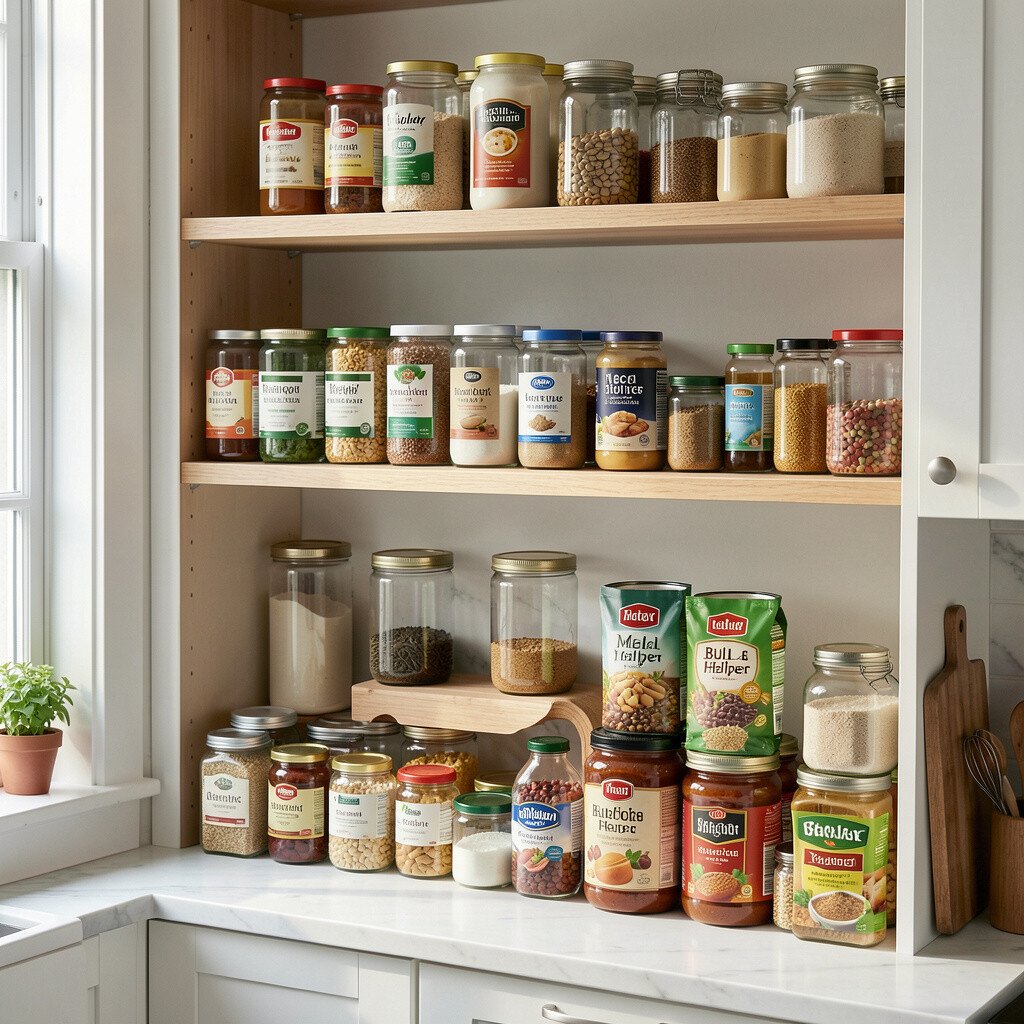
16. Build a “Meal Helper” Section with Recipe Staples
Build a “Meal Helper” Section with Recipe Staples
Choose a section that holds ingredients for your usual meals, like taco kits, pasta sauce basics, soup add-ins, and stir-fry seasonings. Keep these items together so dinner planning feels quicker.
This turns your pantry into a helpful tool, not just storage. When you personalize by adding your family’s favorite flavors, you’ll notice you cook more often with less stress.
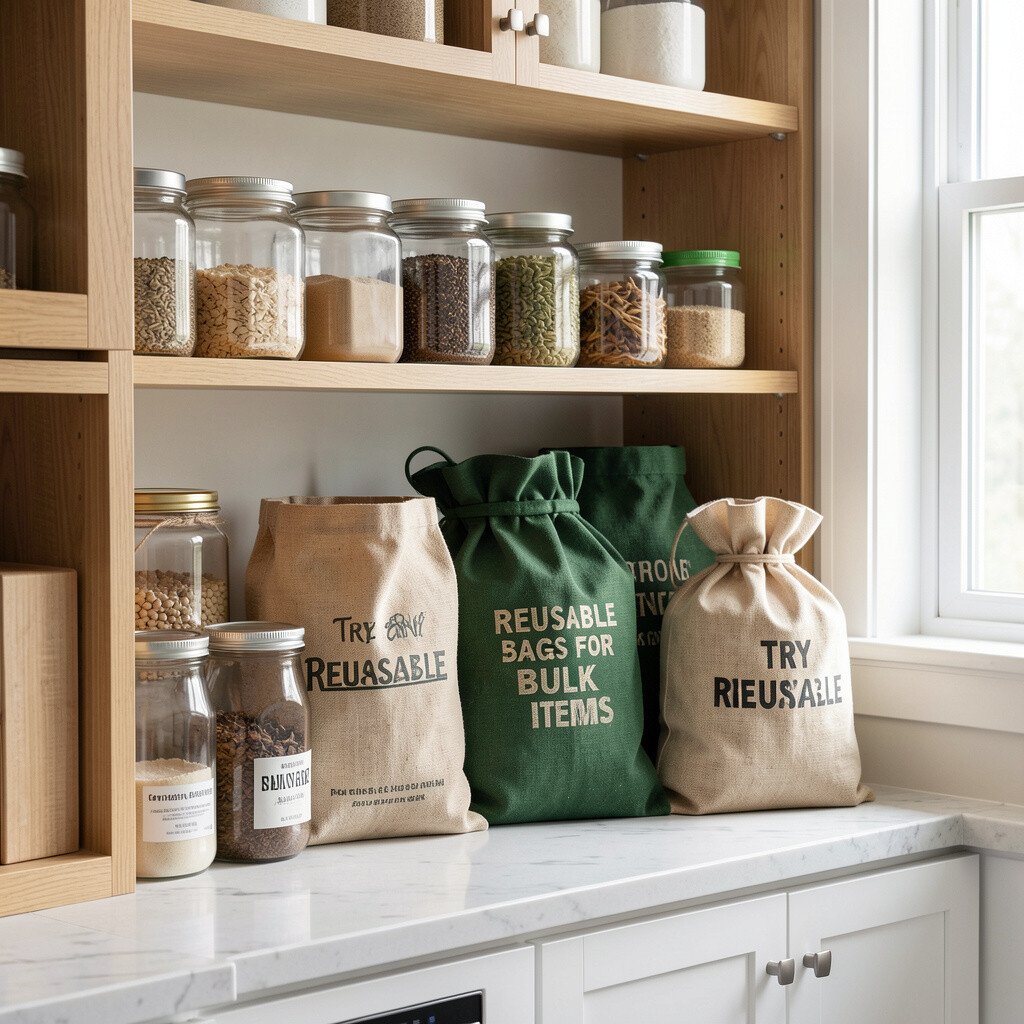
17. Try Reusable Bags for Bulk Items
Try Reusable Bags for Bulk Items
Buying in bulk can be great, and the pantry stays organized when bulk items have a consistent container system. Use reusable bags or airtight canisters so rice, beans, and oats don’t spill or absorb moisture.
Keep a small scoop near each container if that’s part of your routine, which saves time and mess. Clear canisters are a strong current trend because they keep the shelf looking neat and bright.
Cost can vary, so start with only your most-used bulk items. Once you see how helpful it is, expand slowly without overspending.
18. Create a “Short List” for Seasonal Swaps
Create a “Short List” for Seasonal Swaps
Seasonal items like baking spices for fall or iced tea mixes for summer should have a dedicated spot. Add a small bin for off-season items so you can swap quickly when the weather changes.
This keeps your pantry from becoming cluttered and outdated. You’ll also prevent “new season, old leftovers” confusion because the off-season bin stays out of the way.
19. Maintain One-Minute Weekly Pantry Reset
Maintain One-Minute Weekly Pantry Reset
Set a tiny weekly habit where you straighten shelves and check what’s running low. Do it once for a short time, and your pantry will stay calm instead of chaotic.
During the reset, wipe container lids, rotate items, and move anything that’s out of place back to its group. This is one of the simplest ways to keep organization lasting, not just starting.
It also supports long-term savings because you’ll use what you have before buying more. If you want it more fun, play a quick song while you reset and let the kitchen feel like a fresh start.