Picture a warm balcony with dangling greens held by a simple grid of wire. The mesh forms a gentle cradle where roots can breathe while water drips through cleanly.
Choose a small-mesh roll so soil stays put without washing away too fast. Add a lining of coconut coir, burlap, or thin landscape fabric, then bend the mesh into a basket and secure it with sturdy ties. Personalize it by spray-painting the wire a matte color that matches your planters, or by twisting small loops at the top for easy height adjustments.
For a steady watering routine, attach a small drip tray under each plant or keep the basket near a saucer. Cost stays friendly because wire mesh is often sold cheaply in rolls, and you can cut only what you need. A current trend is mixing practical gardening with neat, airy looks, so dark metal or lightly galvanized finishes work great with modern patios.
2. Modern Privacy Screen With a Soft Frame
Modern Privacy Screen With a Soft Frame
Imagine sunlight filtering through a grid panel, turning a plain fence into a calm backdrop. A wire mesh screen adds privacy while still letting breezes and light pass.
Build a rectangle frame from thin wood strips or metal tubing, then stretch the mesh across and secure it at the corners. Use a tighter mesh pattern for more privacy, and leave a small gap so the panel can move slightly in the wind. For personalization, paint the frame in a coastal white or a deep charcoal and add matching corner brackets.
If you want a more decorative feel, twist a few strands into subtle curls along the edges. Consider weatherproofing by using exterior sealant on the frame and choosing galvanized or coated mesh. Many people are leaning toward breathable outdoor dividers now, since they help patios feel open but still private.
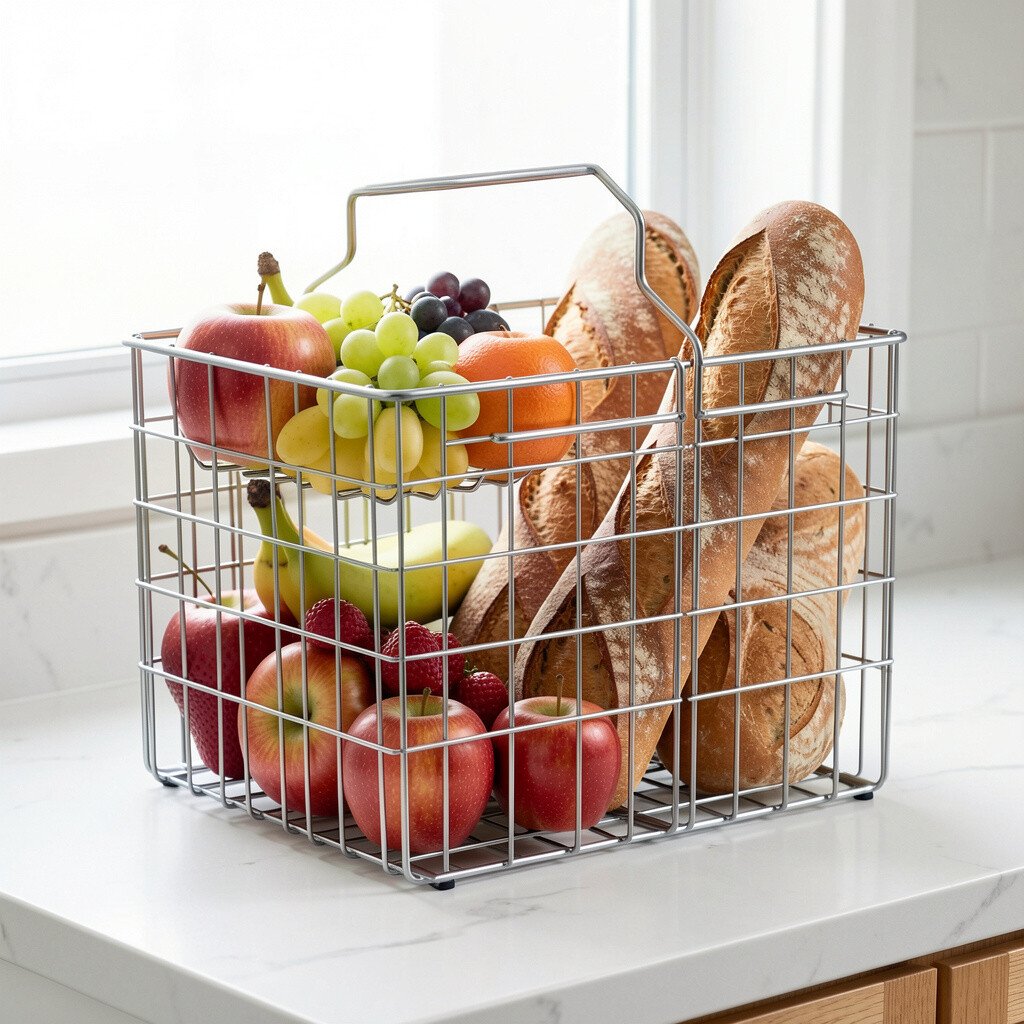
3. Compact Countertop Fruit and Bread Rack
Compact Countertop Fruit and Bread Rack
Start by picturing a tidy kitchen counter with fruit placed like bright little ornaments. A wire mesh rack keeps items visible and helps them stay cool and dry.
Shape the mesh into a shallow platform with side rails, then add feet made from small rubber caps to protect your countertop. Add a gentle front bend so items can’t slide forward, and use wire cutters to smooth sharp edges. For personalization, weave a thin colored cord around the rails or attach small hooks for keeping bread tools nearby.
To make it practical, choose a fine mesh so small berries and crumbs do not slip through. You can also add a sliding mesh cover for bread storage, using small hinges or elastic cords. Cost is usually low because the rack uses a small section of mesh, and it beats buying a bulky store-bought stand.
4. Industrial-Style Wall Organizer for Keys and Mail
Industrial-Style Wall Organizer for Keys and Mail
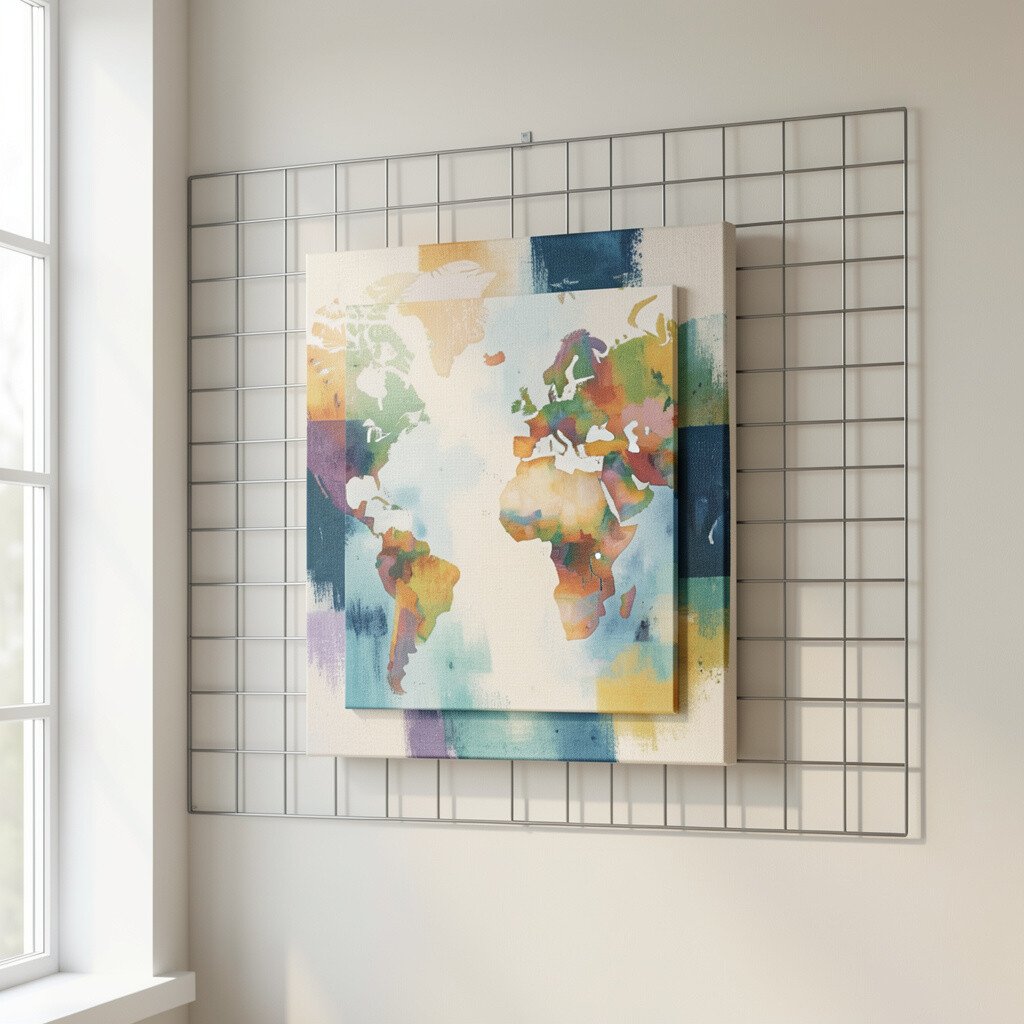
Think about coming home and seeing your keys hang in neat order on a grid wall piece. A wire mesh organizer looks tough but stays friendly and light.
Cut a rectangle of mesh, then mount it on a backing board or frame for easier hanging. Attach small hooks for keys, paper clips for letters, and tiny clips for sunglasses or receipts. For a personalized touch, spray the wire with a brushed copper color and add decorative binder rings on the corners.
To keep things from tangling, plan spacing before you attach hooks, especially if you carry many small items. Pick hardware that fits your wall type, and use anchors if you are mounting into drywall. This kind of organization matches today’s trend of practical storage that also acts like simple wall art.
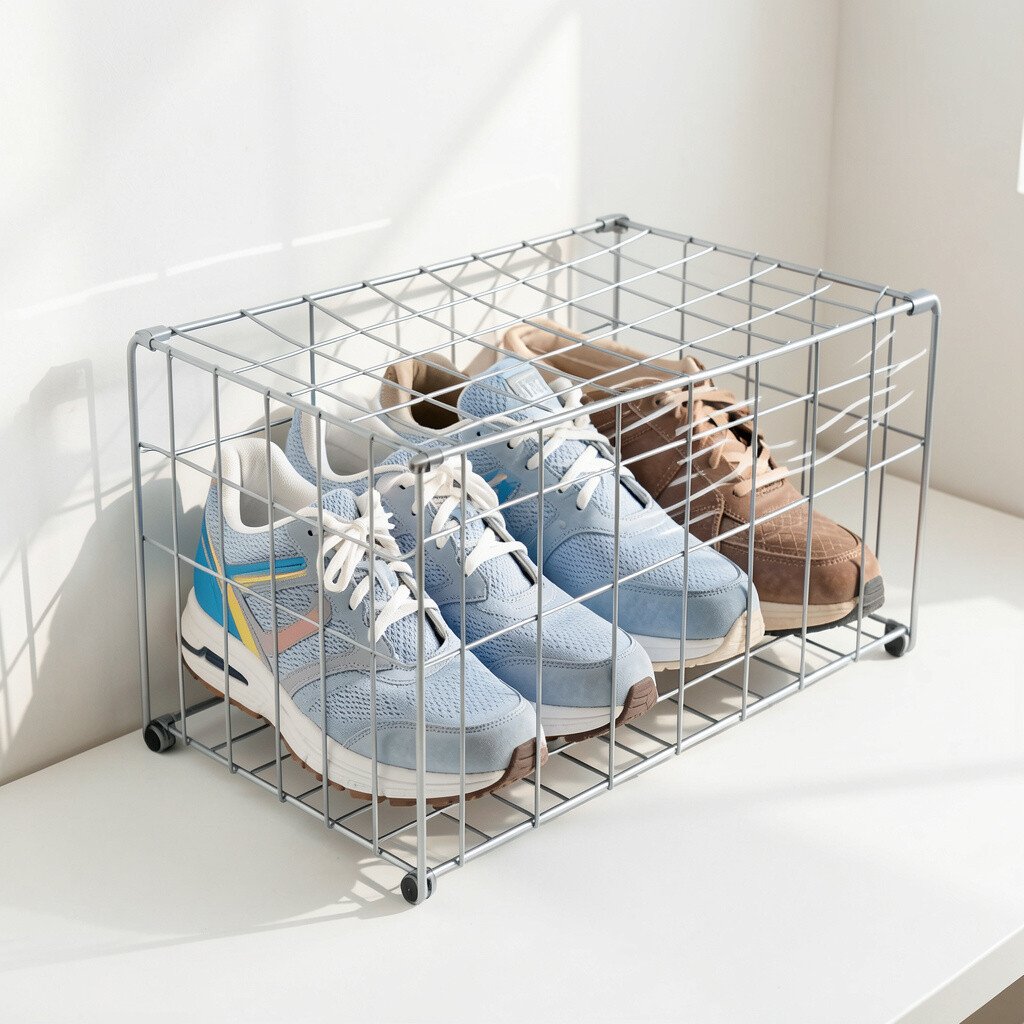
5. DIY Shoe Drying Rack With Airflow Design
DIY Shoe Drying Rack With Airflow Design
Picture shoes sitting on a grid that lets air pass through like a gentle fan. Wire mesh drying racks help reduce damp smells because moisture can escape quickly.
Create a simple platform by bending mesh into a tray shape, then add legs from bent rebar or sturdy brackets. Space the supports evenly so the tray stays level, and line the bottom with a thin scrap of mesh if you want extra grip. Personalize it by adding a small removable drip pan underneath made from a cafeteria-style baking sheet.
Choose a coating that handles indoor humidity, or use galvanized mesh for peace of mind. For cost control, make a rack sized to your most worn shoes first, then expand later if needed. A common trend is using airflow-centered storage for everyday life, since people want cleaner homes without complicated gadgets.
6. Light-Safe Grow Rack for Seedlings
Light-Safe Grow Rack for Seedlings
Imagine tiny seedlings lined up under bright light, each one protected by a breathable barrier of wire. A mesh grow rack can hold pots while air circulates around every stem.
Build a multi-level shelf by cutting mesh panels for each tray and framing them with simple corner supports. Add small stops so pots stay centered, and install adjustable legs so you can raise or lower the rack as seedlings grow. Personalize it with removable tags made from thin wire loops for labeling different varieties.
For practical use, keep openings wide enough for water to reach the soil, but not so wide that pots tip. If you are working near a window, consider adding a thin plastic shield on the sides during heavy drafts. Costs remain manageable because the rack uses basic materials, and the layout helps you avoid buying expensive plant stands.
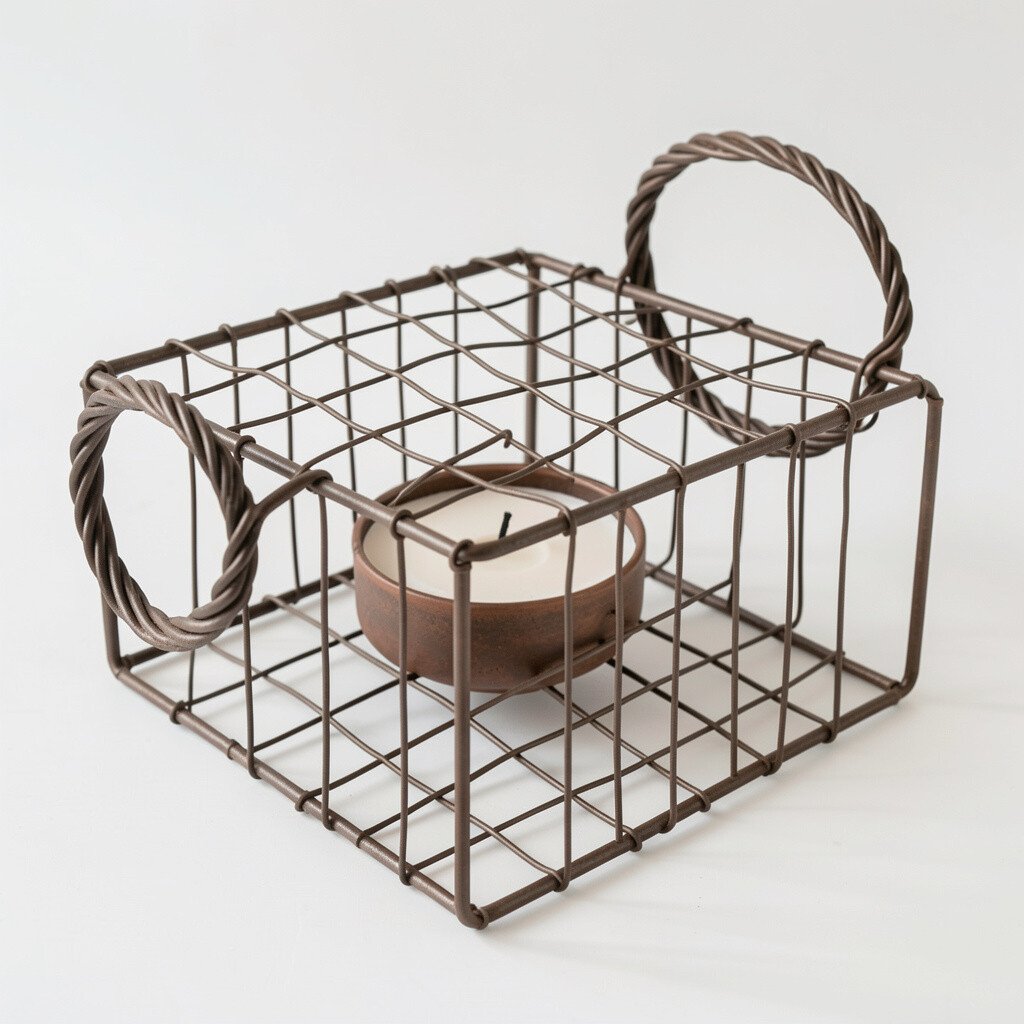
7. Decorative Candle Holder Grid With Twisted Handles
Decorative Candle Holder Grid With Twisted Handles
Picture candlelight glowing behind a fine wire pattern, casting tiny shadows on your table. A grid candle holder feels modern while still giving that cozy evening mood.
Cut mesh into a cylinder or box shape, then twist the corners together so it holds firm without gaps. Leave top edges slightly higher to catch drips, and smooth every cut line so nothing catches your fingers. Personalize it by attaching two small twisted handles on the sides and choosing candles that match your room color.
For safety and practicality, place the candle inside a heat-resistant cup or use battery LED candles if you prefer extra peace. Use a finish that resists soot and wipe the wire with a soft cloth after use. People are trending toward shadow-play decor lately, and mesh naturally creates that kind of shifting light.
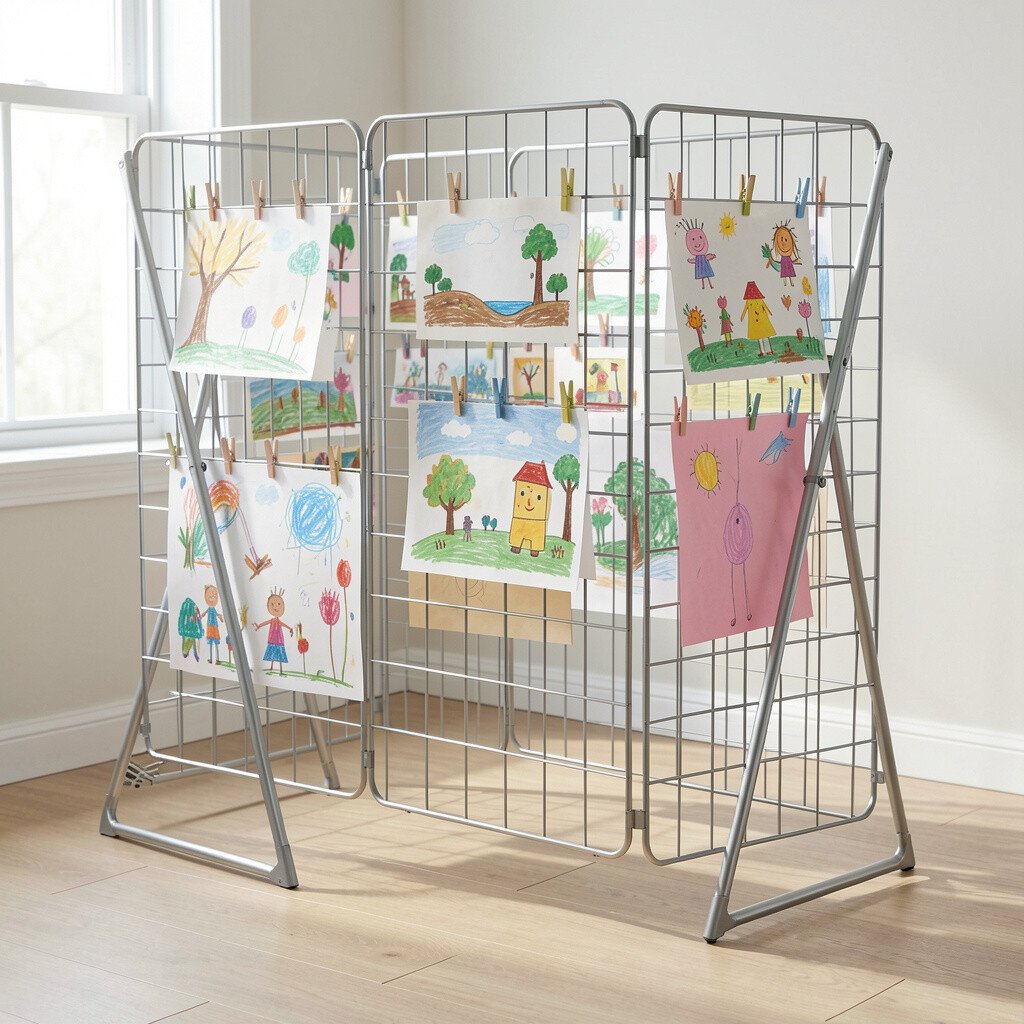
8. Folding Kids Art Display With Clip Lines
Folding Kids Art Display With Clip Lines
Imagine a living room wall that gently shows kids’ art like a mini gallery. Wire mesh makes it easy to swap drawings without taping and re-taping.
Attach a mesh panel to a simple frame, then add clip lines using binder clips, clothespins, or small spring clips. Make sections by adding extra wires across the back so papers stay grouped by week or by child. Personalize it with painted frames in bright colors, or use alphabet clips if your kids like words.
For practical tidying, keep clips small and lightweight so they do not bend the mesh, and use a clear plastic strip at the bottom to prevent paper corners from sliding. Cost is lower than many ready-made display systems, since mesh can be cut to any size. This idea fits a current trend of family-friendly spaces where art is shown more often and changed quickly.
9. Reusable Mesh Bag for Produce and Market Finds
Reusable Mesh Bag for Produce and Market Finds
Picture a reusable bag that breathes, so oranges stay fresh and small greens do not get squished. Wire mesh can even help you create a sturdy, reusable carry system with a unique look.
Form a wire mesh pouch by bending a flat panel into a bag shape and attaching edges with sturdy loops. Add handles made from braided rope or leather strips, and include a drawstring by weaving cord through the mesh squares. For personalization, choose a color cord that matches your kitchen theme or your bike accessories.
To make it practical, test how the bag handles weight and reinforce the base by folding extra wire layers. Keep the mesh size small enough that produce does not slip, but open enough for airflow. Costs can be low because a small piece of mesh can make multiple bags, and the result lasts longer than thin fabric in busy seasons.
If you like current market styles, you can pair this with matching reusable containers for a clean, coordinated routine. The vibe is very modern, especially for people who want eco-friendly items that also look good on shelves.
10. Scrap-Metal Style Planter Stand With Mesh Shelving
Scrap-Metal Style Planter Stand With Mesh Shelving
Imagine a small plant stand that looks like it belongs in an urban studio. Wire mesh shelving gives the stand a light feel and helps water drain after watering.
Create a stand by building a simple frame from wood slats or metal brackets, then attach mesh shelves at different heights. Leave enough space between shelves for watering access, and add small edge wires so pots do not slide off. Personalize it with a stain on the wood, or by covering the joints with decorative metal washers.
For practical tips, measure your pot sizes before cutting mesh so you avoid wasted pieces. If you plan to place it outside, consider galvanized mesh and rust-resistant fasteners. Cost stays reasonable because you can mix and match materials you already have, and the mesh adds a dramatic look without heavy weight.
11. Sound-Absorbing Art Panel for a Calm Room
Sound-Absorbing Art Panel for a Calm Room
Picture a quiet room where the air feels calmer and conversations feel softer. A wire mesh panel can pair with padding behind it to reduce harsh echoes while still looking stylish.
Mount a mesh sheet on a frame, then layer it with acoustic felt or foam behind the wire so sound can absorb as it hits the textured surface. Leave a small air gap between the padding and the mesh for better performance, and secure everything so it stays neat. Personalize it by choosing a patterned mesh layout, or by adding painted frame strips that match your room.
For practical use, focus on placement in areas where sound bounces, like near shelves or bare walls. Cost can stay low if you use leftover fabric and simple frames from old projects, though higher-quality padding may raise the budget slightly. This fits current home trends where people want rooms that feel cozy and balanced, not just bright and empty.
12. Mesh-Covered Jewelry Tray With Hidden Compartments
Mesh-Covered Jewelry Tray With Hidden Compartments
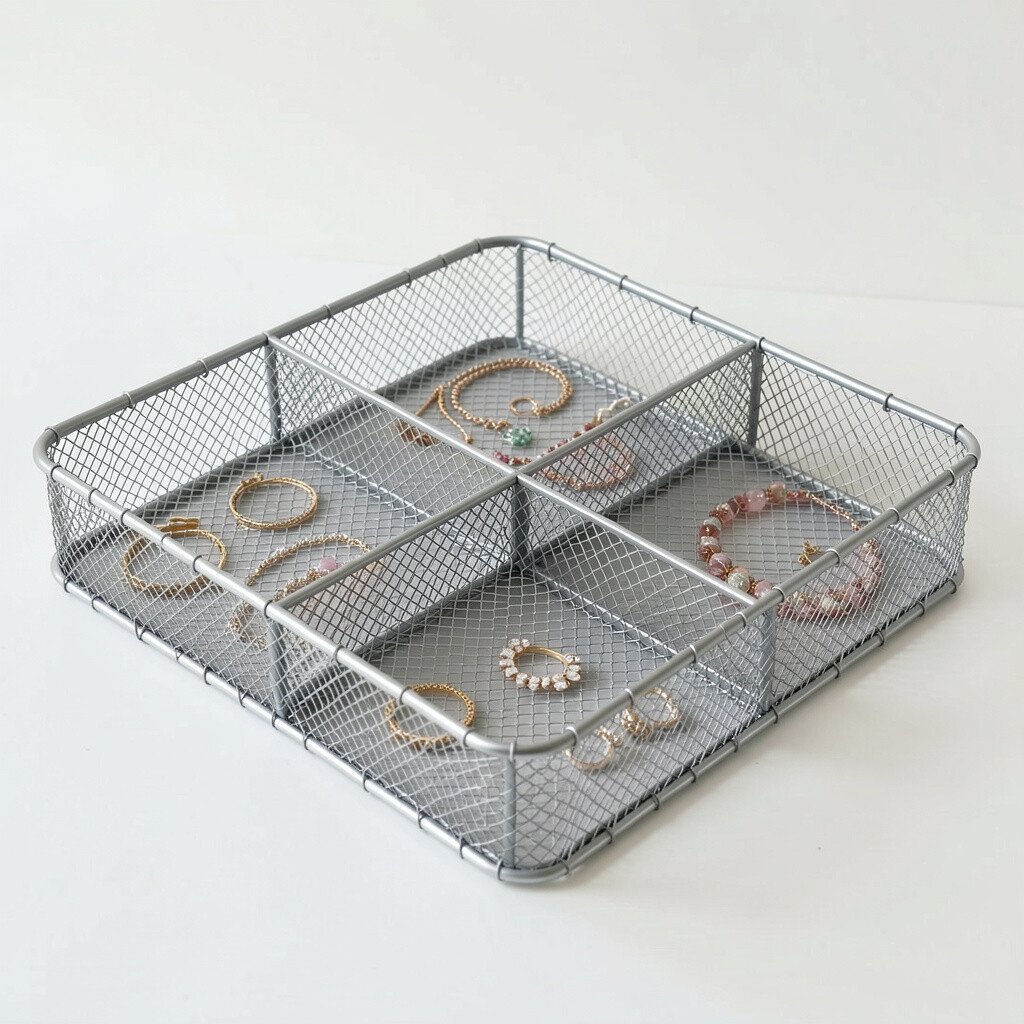
Imagine opening a drawer and finding rings and earrings lined up like tiny treasures. A wire mesh tray makes it easy to see small pieces, and it helps prevent clutter from becoming tangled mess.
Build a shallow tray by cutting mesh and bending it into a base, then add a rim so items stay contained. Create hidden compartments by attaching small folded wire partitions or adding removable dividers that slide in. Personalize it by twisting a few thicker wire loops into decorative corners and painting the rim a color that matches your jewelry box.
For practical tips, choose mesh that is fine enough that tiny items do not fall through, and add a thin felt strip at the bottom if you want extra protection for delicate surfaces. Cost is usually manageable because you need only a small amount of mesh, plus basic hardware. A current trend is organizing accessories with display-style trays, and mesh gives that airy look without the heaviness of metal jewelry cases.
To finish the setup, label sections with small engraved tags or color-coded clips so you can grab what you need fast. When you care for it, a quick wipe keeps the wire bright and prevents dust from settling in the grid.