16+ Fun Learning Games Using Oversized Dice For Kindergarten Ideas
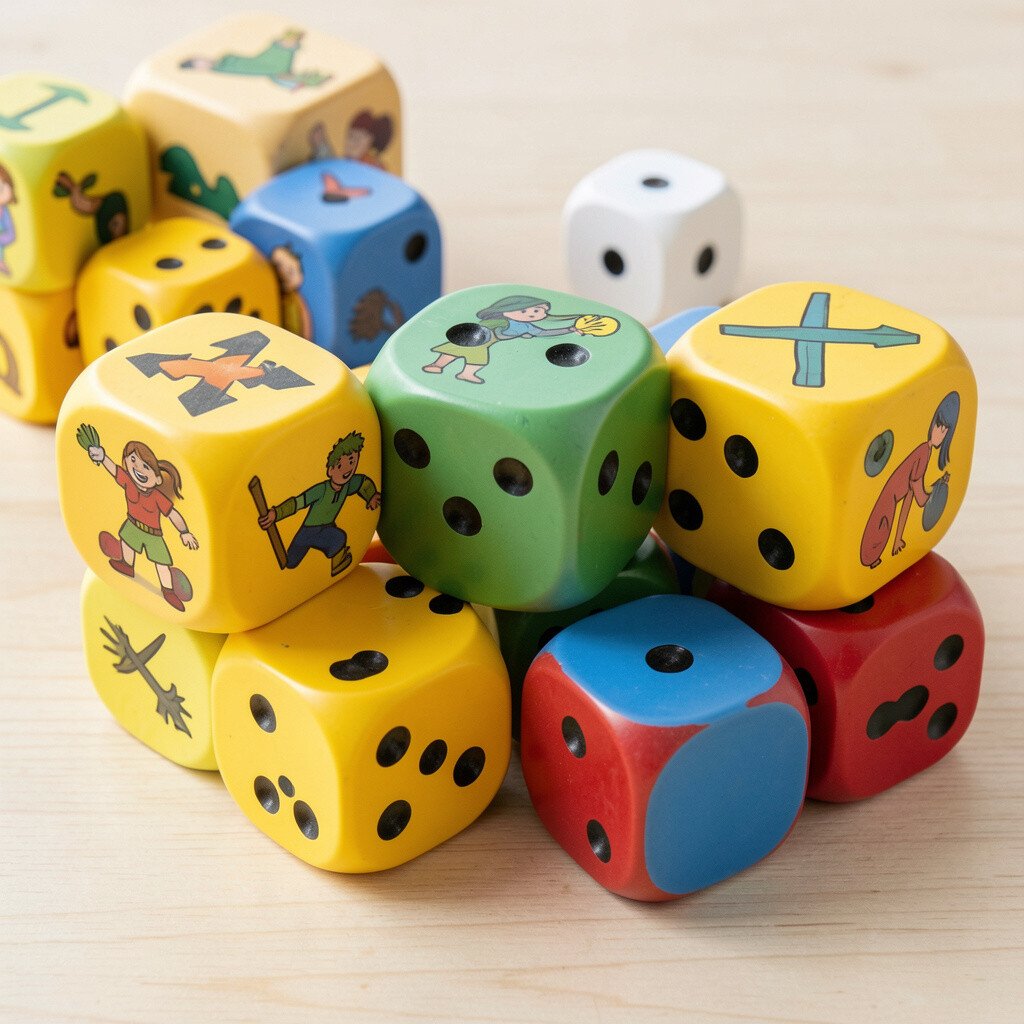
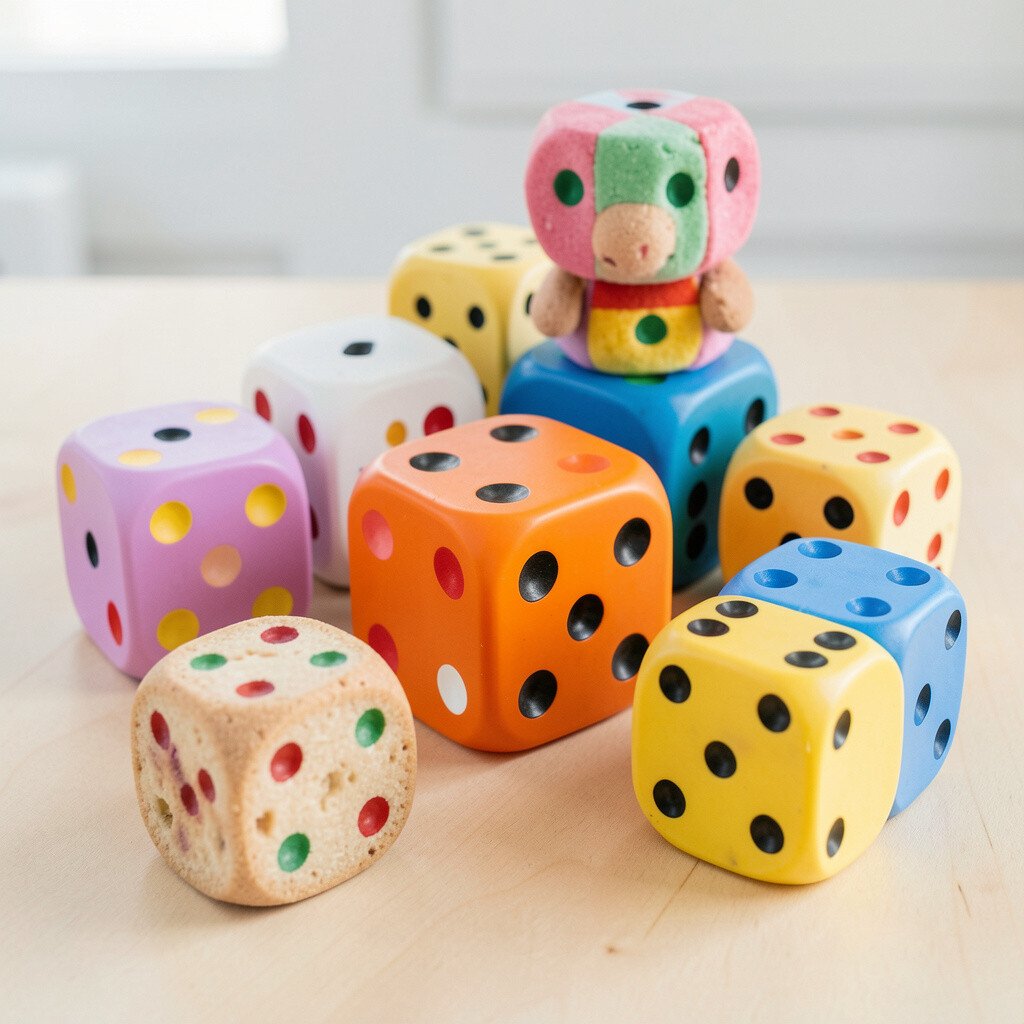
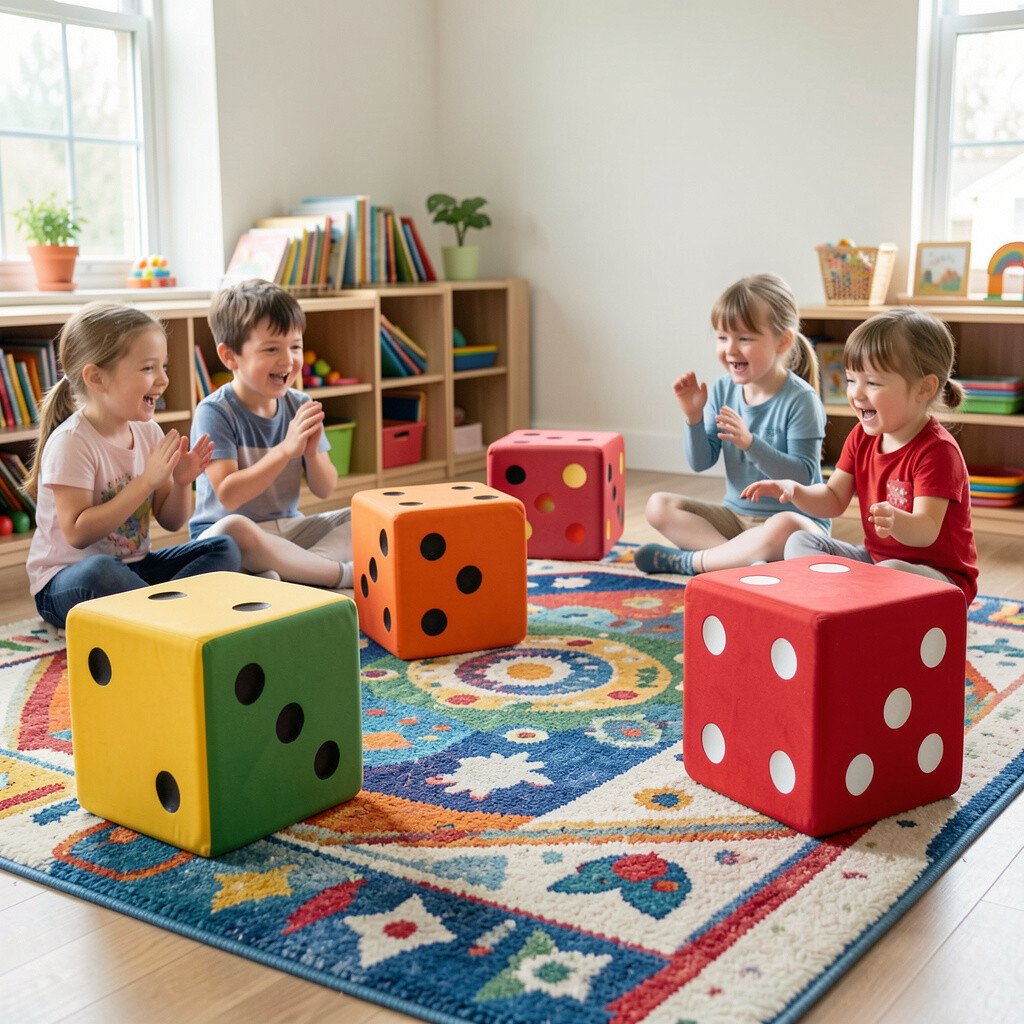
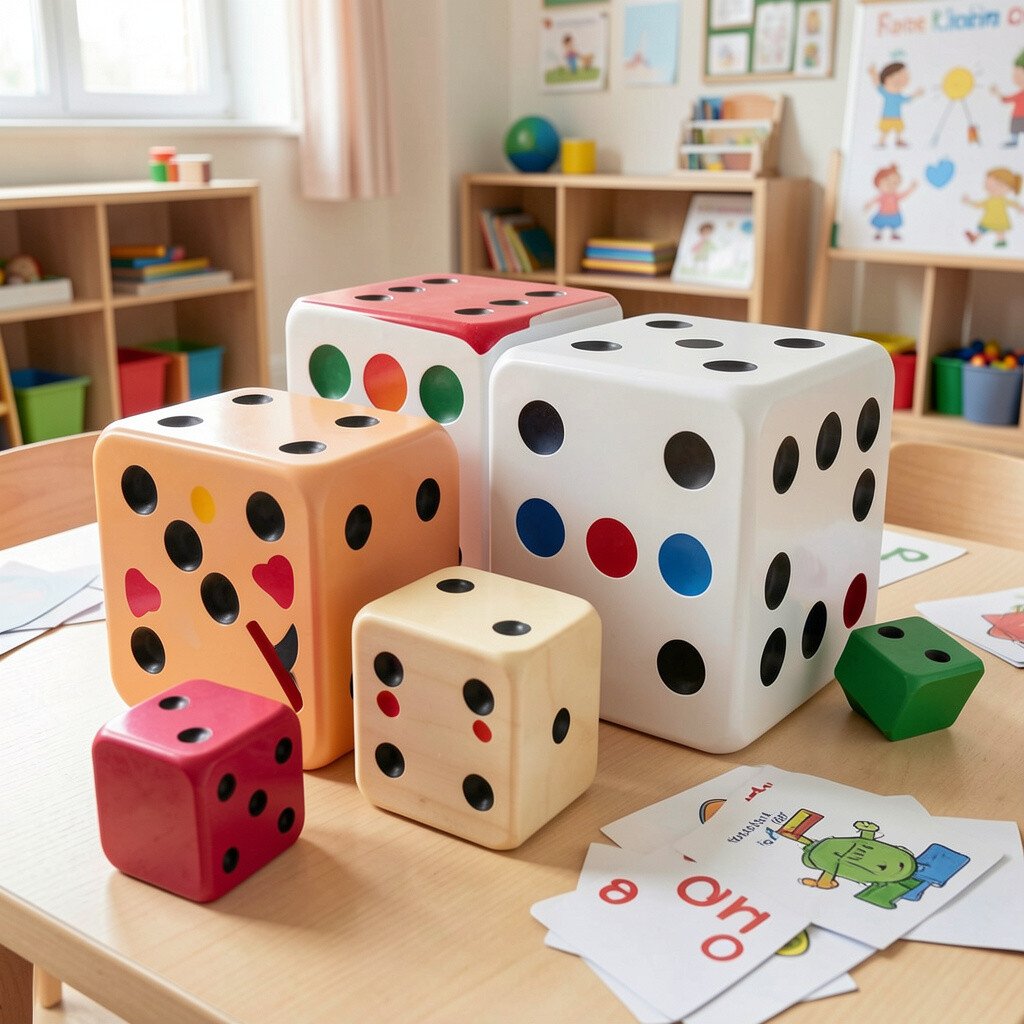
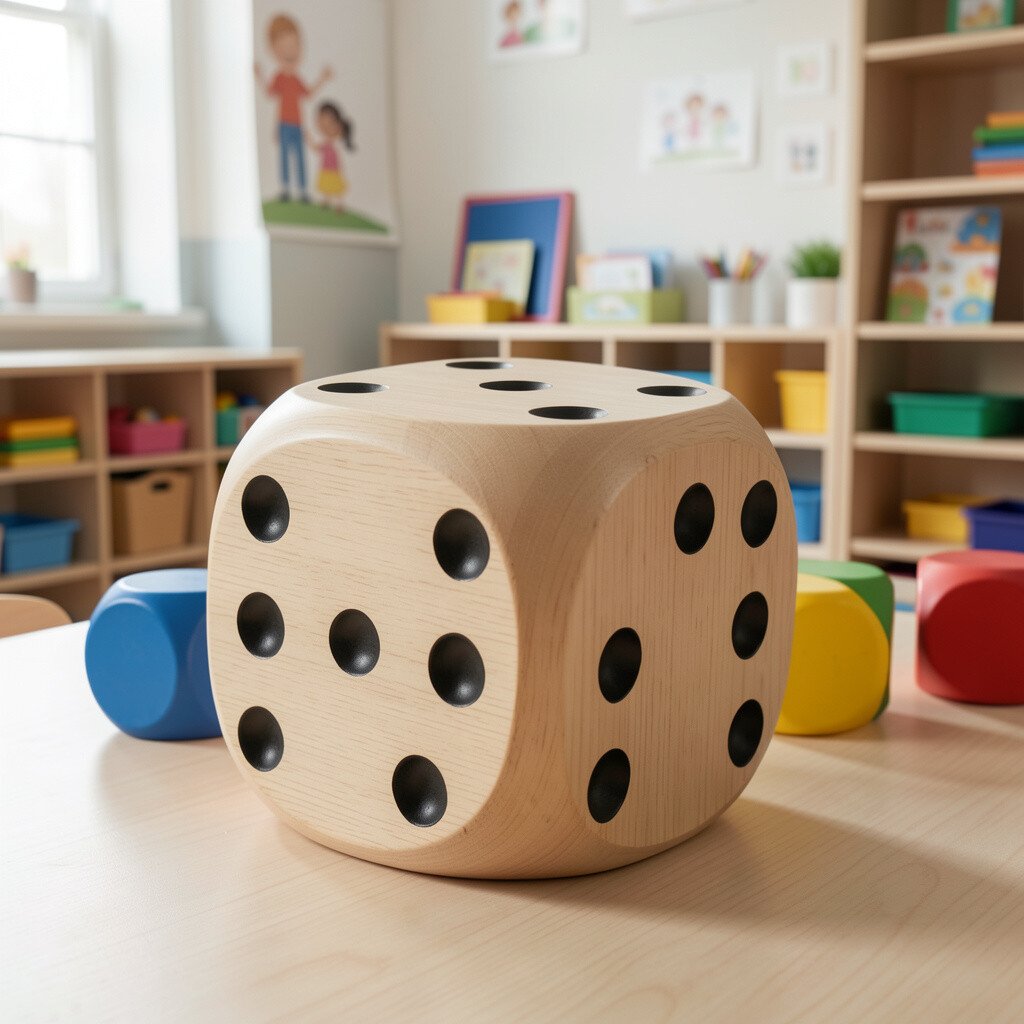
The click of a giant die rolling across the floor can turn any quiet moment into big energy. When kids take turns reading the dots, they practice skills while laughing.
Oversized dice make play feel like a game, not a worksheet. They work great for classroom centers, small groups, and even at home.
Set a few colorful cards around the room, then let children roll a big die to choose which color they must find. Each roll becomes a mini mission as you describe what the color looks like and where it lives.
For example, if the die shows red, kids walk to the red card and say a full sentence like, “I see red on my table.” Use a simple pattern such as rolling, naming, touching, and returning. This game builds vocabulary, listening skills, and confidence because every child gets a clear turn.
2. Build a Snack Story With Dot Dice
Build a Snack Story With Dot Dice
Give each child a handful of picture cutouts like apple, banana, crackers, and cheese, then roll oversized dice to choose story pieces. They can use the dot number to decide how many pictures to add to their snack scene.
Kids love the visual part when their “snack story” grows on the table like a tiny comic strip. Try asking them to narrate what happens first, next, and last, based on the pictures they landed on.
To personalize, swap pictures for foods kids actually talk about at home and include a “special snack” theme on Fridays. For cost, print simple images you already have, or use old packaging labels for texture and color.
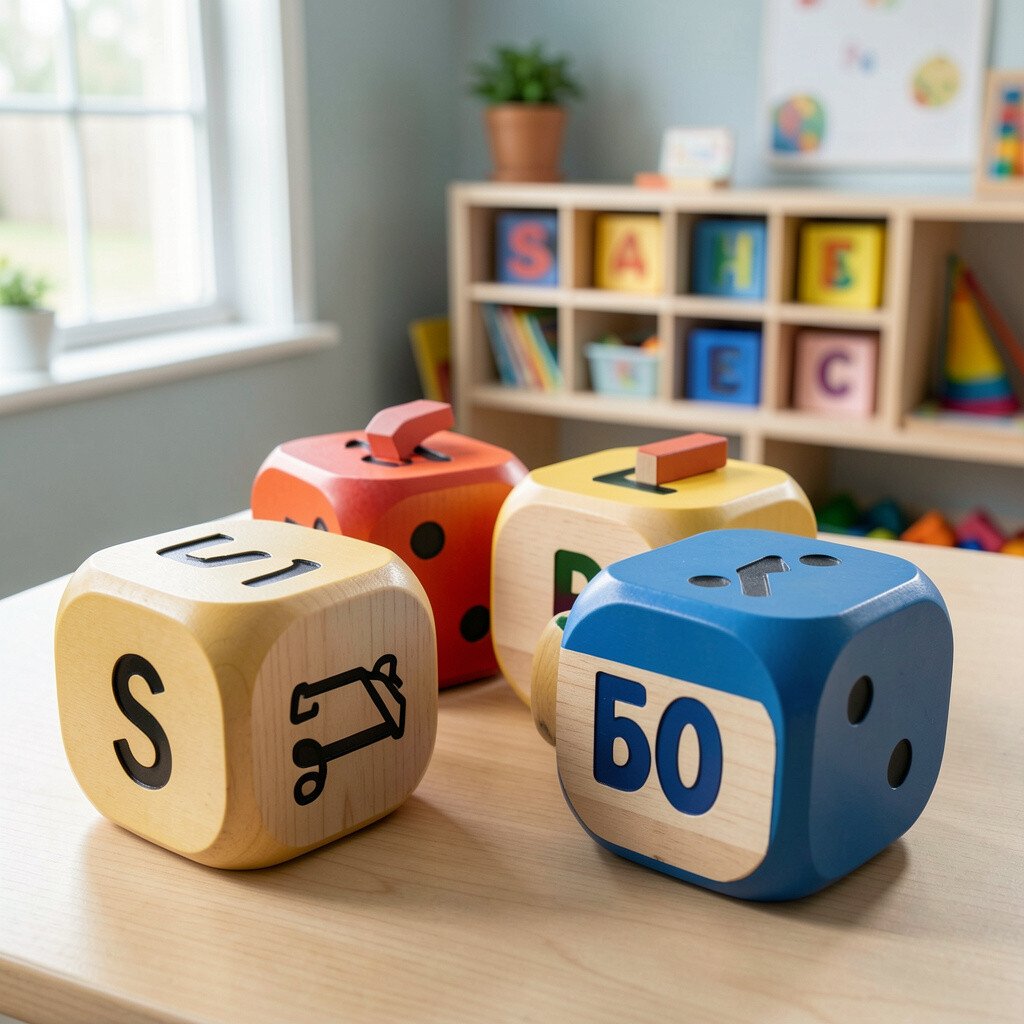
3. Alphabet Hopscotch With Letters on the Die
Alphabet Hopscotch With Letters on the Die
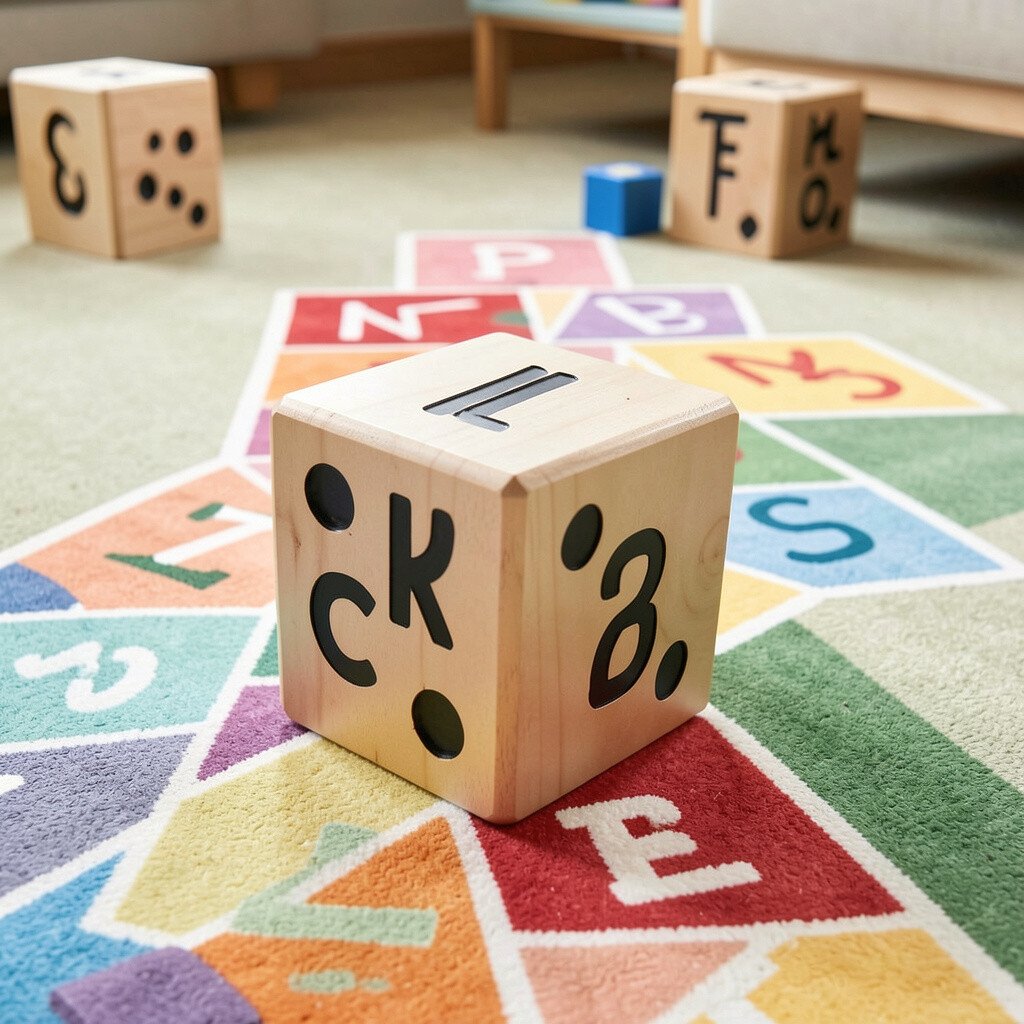
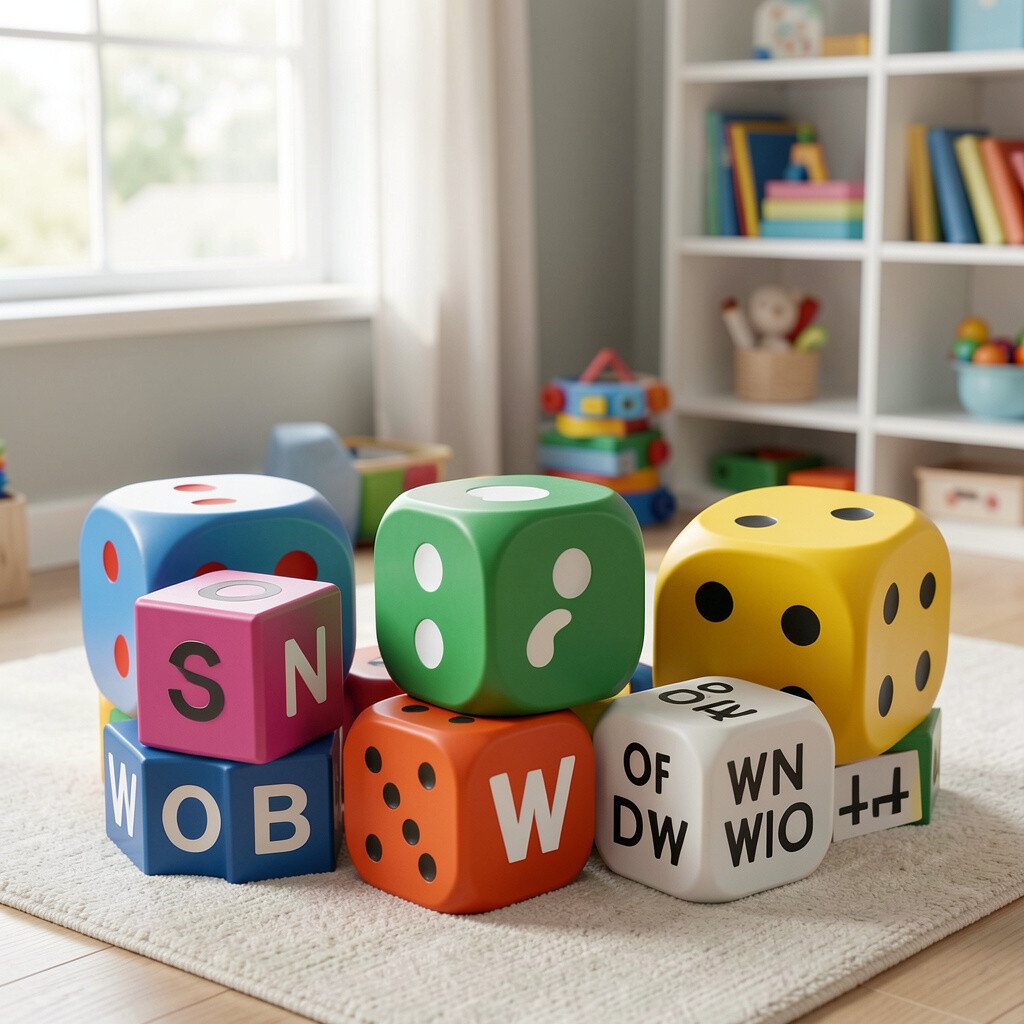
Write a single letter on each side of a large foam die, then place paper “stepping stones” on the floor. When a child rolls, they hop to the matching letter stone and say its sound.
Students get clear visual feedback as they look at the big letters and then move their bodies. Keep the game friendly by allowing kids to trace the letter in the air before they hop.
Rotate roles so one child rolls while another calls out the sound, then trade jobs. Add uniqueness by including seasonal letters like “S” for snowman in winter, or “B” for butterfly in spring.
For practical setups, use masking tape to mark spaces and make the stones easy to wipe and reuse. If you want lower cost, make the die with thick craft foam and store it in a shoebox between games.
4. Number Friends Roll and Move
Number Friends Roll and Move
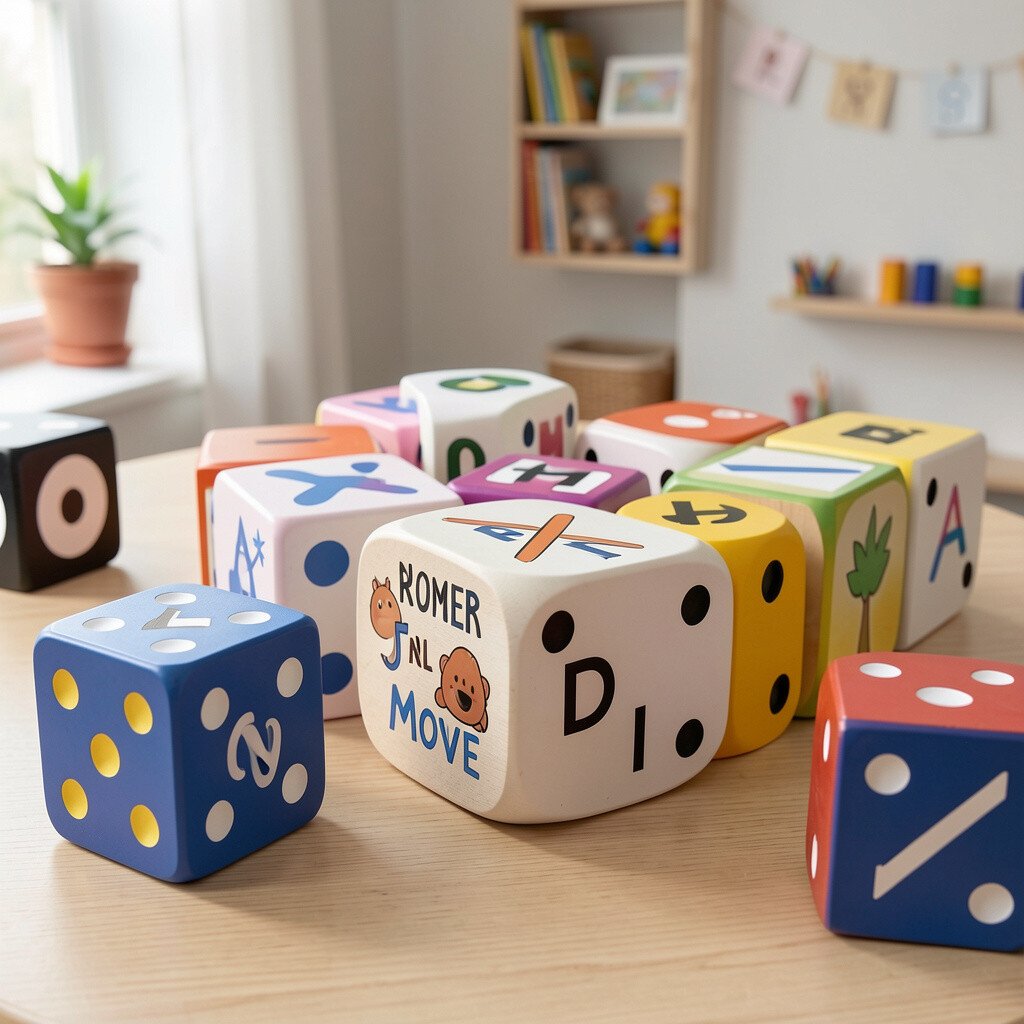
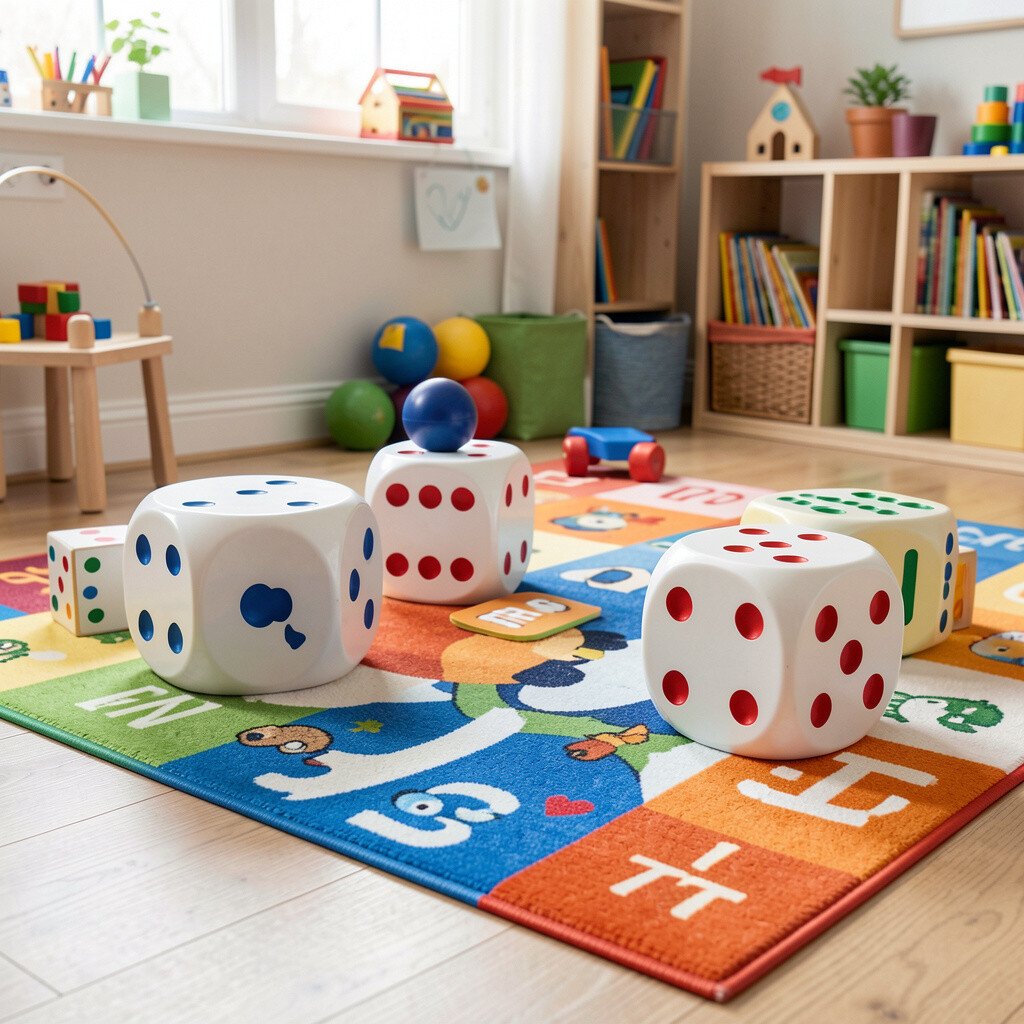
Place a line of number cards on the floor and have kids roll a giant die to decide how far to move. They count out loud as they land on a number card, then tell a short “friend fact” like one more or one less.
This game turns counting into motion, so kids stay focused even when they are excited. Use dice faces with dots or numerals, and keep ranges small for early success.
Personalize by letting children choose the theme for the number line, such as space ships, dinosaurs, or ocean bubbles. To keep it practical, use laminated cards or clear plastic sleeves so the cards last all year.
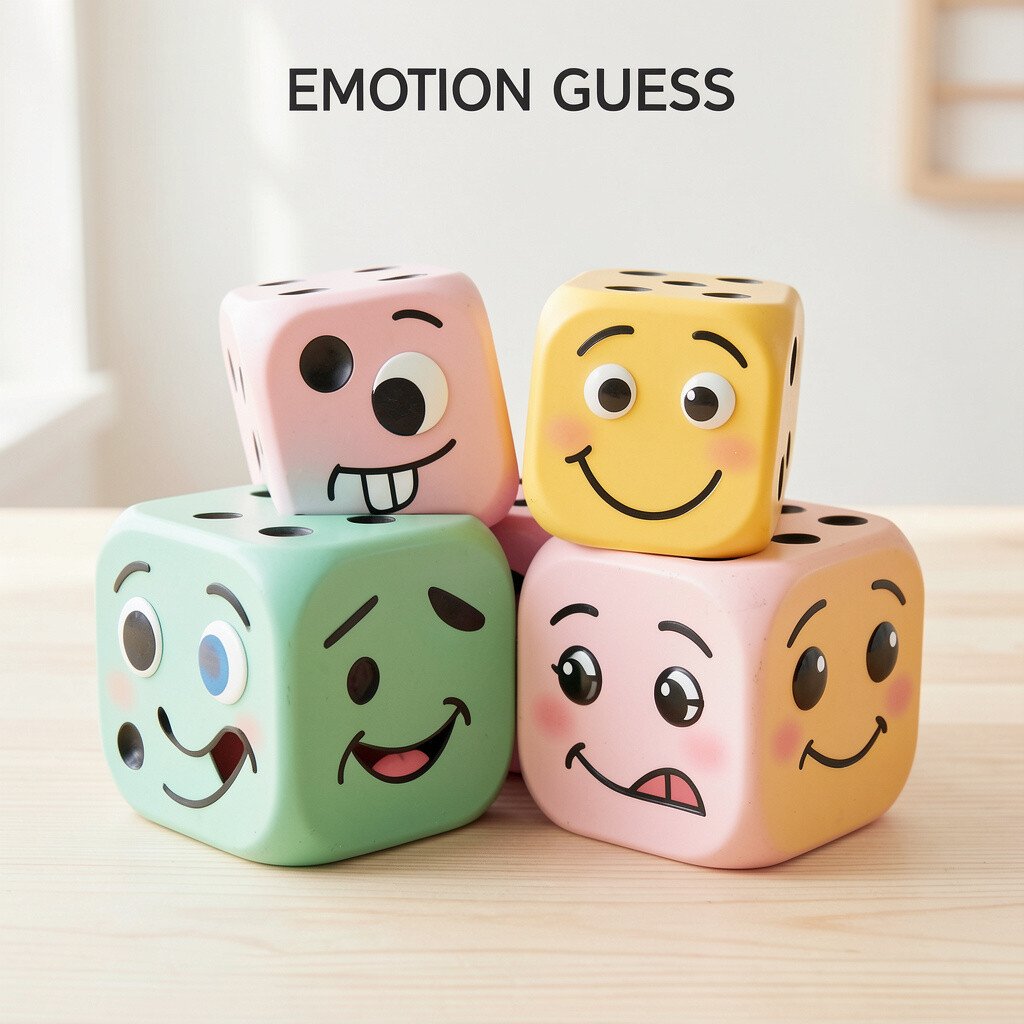
5. Emotion Guess With Face Dice
Emotion Guess With Face Dice
Draw big faces on a die side set, like happy, sleepy, surprised, and mad, and ask kids to act out what they feel. When they roll, they choose one body move to match the face, such as a big smile pose or a slow stretch.
Kids learn social language because they practice describing feelings and using kind words. Encourage them to say things like, “I rolled happy, so I feel calm,” in a voice that matches the emotion.
For uniqueness, add face meanings that fit classroom routines, such as “excited” for share time. Consider cost by using markers on a foam die or taping printed face images onto a sturdy block.
6. Shape Hunt and Sort
Shape Hunt and Sort
Label tables with big shape pictures, then roll the oversized die to pick which shape kids must find. They search for shape cards or cut shapes you scatter on a mat, then place them in the correct spot.
This gives children a clear visual goal and helps them connect the shape name with what they see. Make it actionable by using matching colors, so a blue circle card matches a blue circle sorting tray.
Personalize by changing the shapes based on what your group is learning, like circles and triangles first. For cost, reuse cardboard packaging as bases for shape cards and store everything in a bin.
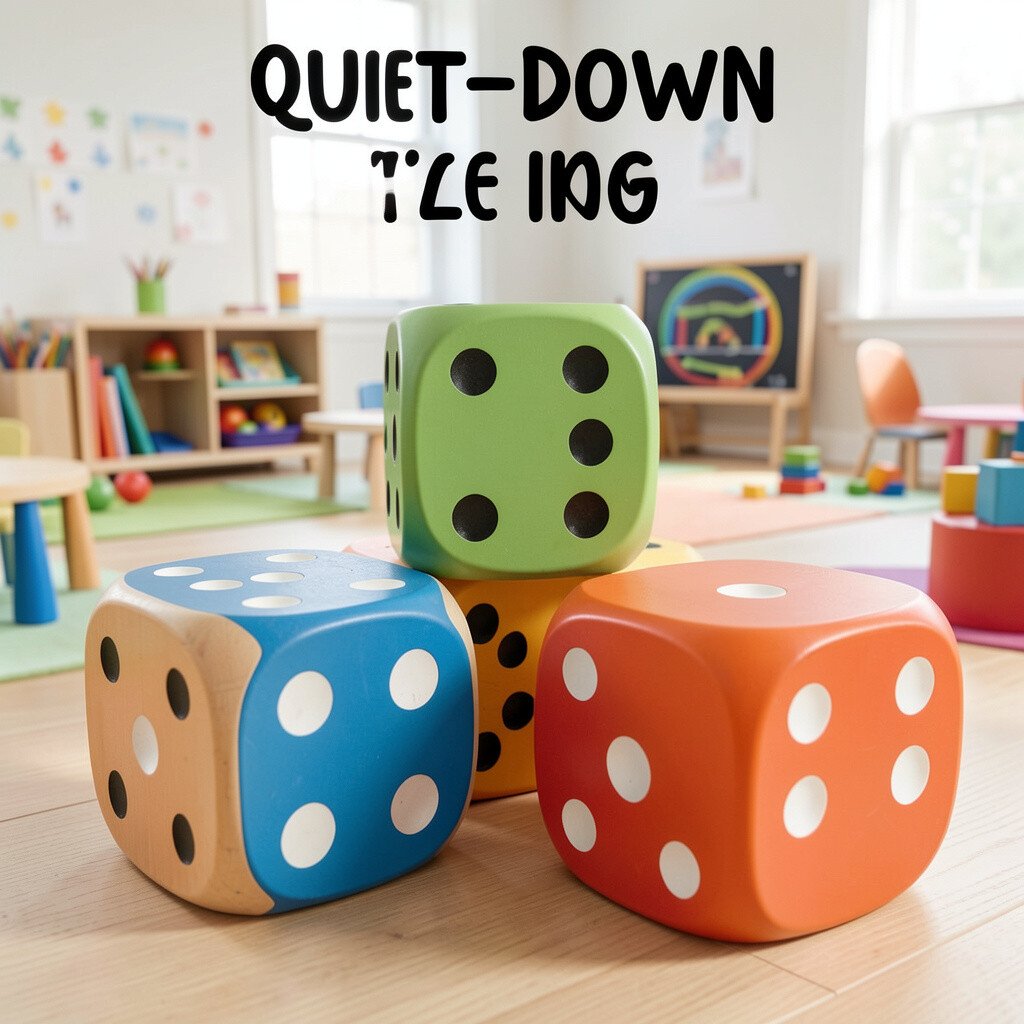
7. Quiet-Down Dice Breathing
Quiet-Down Dice Breathing
Use a die with simple images like a cloud, a leaf, and a star to guide breathing routines. Kids roll, then copy the movement that matches their picture, such as slow inhale and gentle hand float.
The oversized visuals help kids remember the steps without hearing a long explanation. When they roll and breathe, they practice self-control and calm attention.
Try a gentle twist by letting children pick a “breathing buddy” partner to do it together. To keep it budget-friendly, draw the symbols on cardstock and tape them to the sides of an old plastic die.
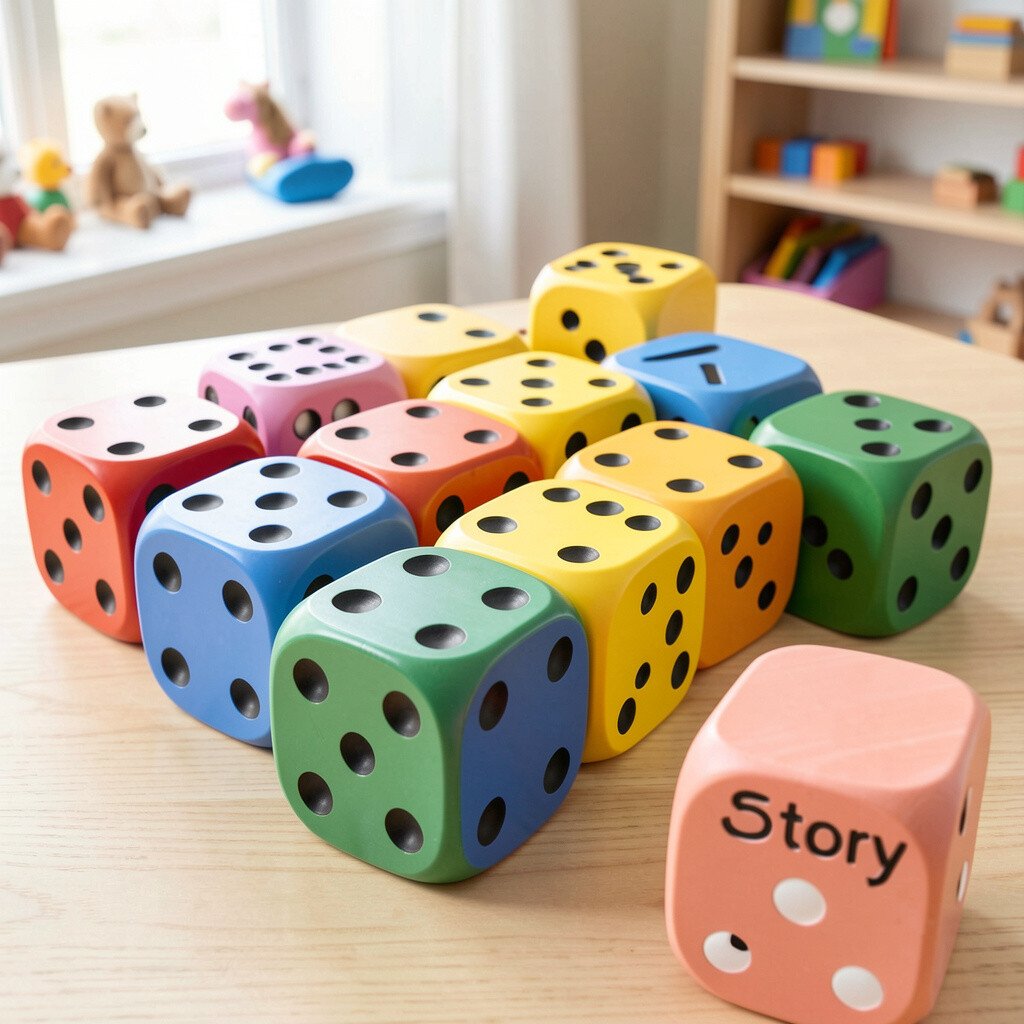
8. Story Dice for Beginning Middle End
Story Dice for Beginning Middle End
Create a die with pictures that represent story parts, like a house for beginning, a path for middle, and a flag for ending. Children roll three times, then build a simple story using those pictures in order.
This game strengthens sequencing because kids organize events and practice speaking in a clear order. The visual cues reduce fear of “not knowing what to say,” since the pictures do the prompting.
For personalization, swap picture sets to match class themes like “construction,” “farm,” or “library.” Keep setup easy by storing picture cards in an envelope and using the die repeatedly all week.
As a current trend, many classrooms are using quick visual prompts instead of longer worksheets, and story dice fit that style perfectly. They also help multilingual learners because images support meaning even when words are still growing.
9. Roll the Rug Rhythm Clap
Roll the Rug Rhythm Clap
On a giant die, write action symbols like clap, stomp, tap, and sway. After rolling, kids follow the rhythm for a short pattern and then take their turn to roll again.
The room looks like a mini dance studio when everyone moves together, and the big die keeps attention locked. This builds coordination, listening, and early pattern skills that connect to later math.
Personalize by choosing actions tied to songs you already use in your classroom, such as “clap-clap” for a favorite chant. For cost, simple marker symbols on a foam die are enough, and you can reuse any music you already own.
To make it even more actionable, give children a “freeze” signal so you can guide transitions quickly and calmly.
10. Owning the Vocabulary With Word Dice
Owning the Vocabulary With Word Dice
Make a die with common kindergarten words shown as simple pictures, like cat, ball, run, big, and help. Kids roll and then use the word in a sentence that matches what they are doing right now.
This turns language into something real, because the sentence connects to the moment. It also supports early reading readiness by pairing pictures with words and sounds.
Uniqueness shows up when you tailor the words to your class community, like including “teacher,” “friend,” or “center” if those words come up often. For personalization, ask families to send one picture word from home that fits your theme, then add it to the die set.
For cost, you can print small picture icons for each face and glue them on. If you need a safer option, laminate the faces so the die wipes clean after every roll.
11. Find the Pattern on the Floor
Find the Pattern on the Floor
Use a die that selects a pattern type, such as color blocks, movement steps, or object sequences. Kids roll, then complete the next piece of the pattern on a strip of tape or magnetic board.
The visual layout on the floor helps children see what comes next, which makes practice feel fair. It also builds early logic since kids must decide how the next part fits.
Try adding a “create your own” moment where the group builds a short pattern together and then swaps who rolls the next challenge. Personalize by using patterns from daily routines, like “line up, sit, listen,” which makes learning feel connected.
For practical tips, use only a few pattern choices at first, so children don’t get overwhelmed by too many options. This style matches current classroom trends that favor hands-on learning and quick, repeatable routines.
12. Build-By-Roll Castle Blocks
Build-By-Roll Castle Blocks
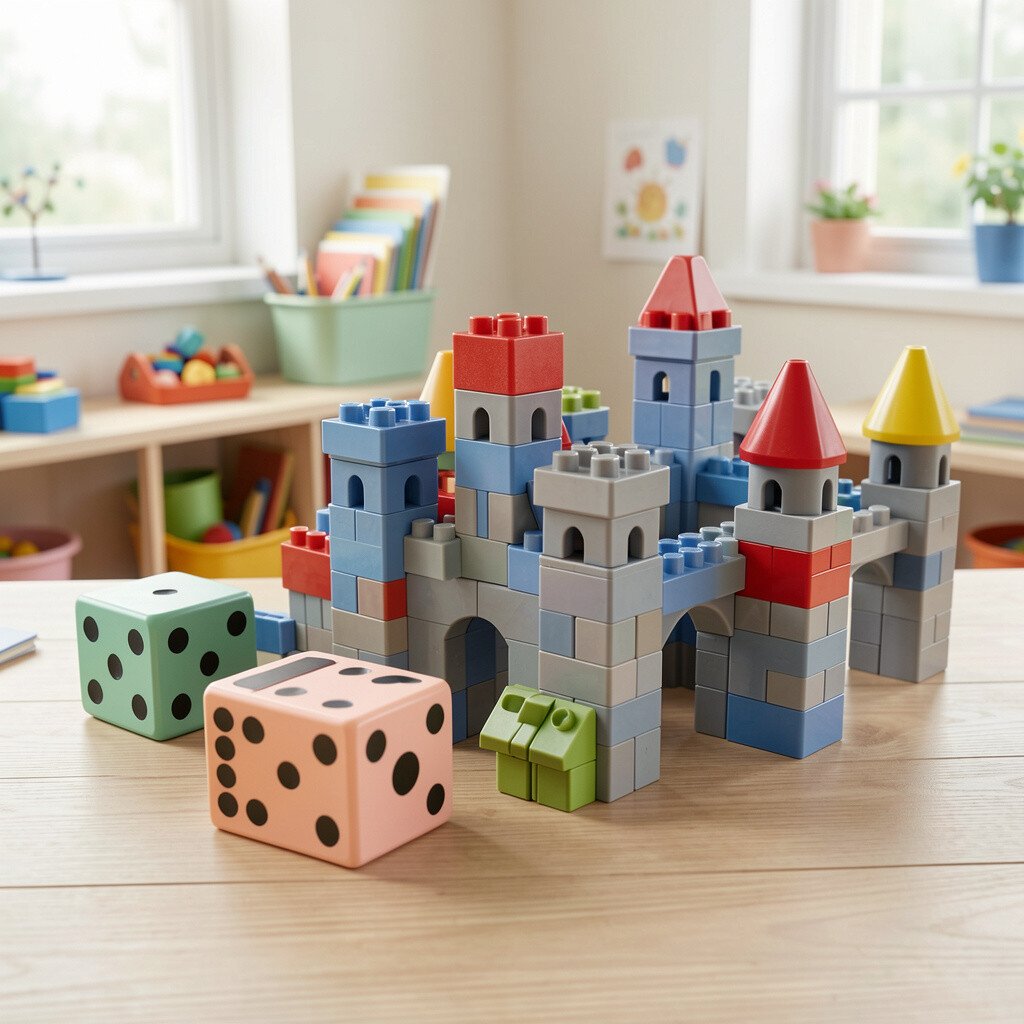
Give kids a small bag of building pieces and a big die with numbers for how many blocks to use. When they roll, they build a tower, drawbridge, or wall, using exactly that number of pieces.
This game helps children practice counting in a meaningful way because the number controls the action. It also supports fine motor skills as they stack, balance, and adjust their builds.
For uniqueness, include die faces that suggest types of builds, like “round,” “tall,” or “strong,” using pictures on the die. Kids can also choose a theme, such as superhero headquarters or cozy houses, which makes each tower feel personal.
Cost stays low because you can use whatever blocks you already have and add picture labels to the die. If you want to upgrade, use foam dice and chunky blocks for a safer, easier grip.
13. Rock-Paper-Scissors With Extra Choices
Rock-Paper-Scissors With Extra Choices
Instead of the classic game, use a larger die to choose actions like rock, paper, scissors, and a kindness move. Kids roll, then everyone shows their sign at the same time and practices quick problem-solving with playful rules.
The oversized die adds suspense and keeps the game from feeling too “same.” It also supports early turn-taking and conflict skills because children learn how to respond after a round ends.
Personalize the extra choice for your class, such as “share” or “help” for the kindness option. For a cost-friendly setup, you can write the symbols on a reused cardboard box or foam die and keep a clear rule sheet you can read aloud.
Create a nature-themed die with images like leaf, stone, feather, flower, and bug. Kids roll and then pick a matching card to sort into a nature pocket chart or to place in a classroom sensory bin.
This makes science feel hands-on because children describe what the item is like and where it belongs. Encourage them to use simple descriptive words, such as smooth, rough, soft, or bright, based on what they see on the card.
Uniqueness comes from using local themes, such as adding items that appear in your neighborhood park. For practical tips, use picture cards for the die game even if you cannot collect real items, so learning stays easy and safe.
For cost, print pictures from free resources, then laminate for durability. This also supports a current classroom trend of using visuals and sensory stations together for multi-skill learning.
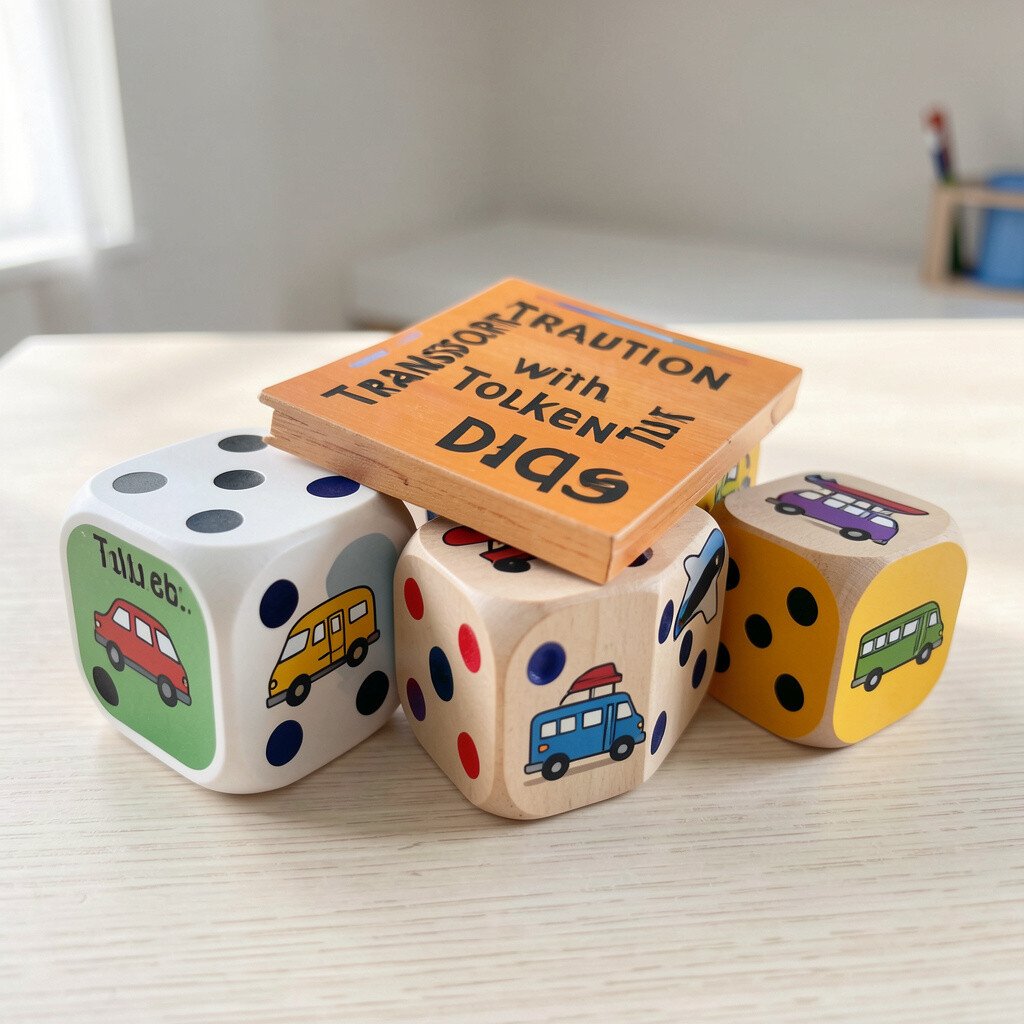
15. Transportation Token Tag With Destination Dice
Transportation Token Tag With Destination Dice
Set up small “destination” corners with pictures like school, beach, space, and store. When kids roll an oversized die, they move like that mode of transportation to reach the matching destination corner.
The game looks energetic and helps kids practice movement with purpose, not just random running. It builds listening skills too, because children must follow the instruction based on the die face.
Personalize the modes of travel based on what your class enjoys, such as train, airplane, boat, or bicycle. For cost, you can make corner signs from index cards and reuse paper tokens to guide who goes next.
If you want an easy safety plan, keep “tag” rules simple, like moving only on certain lines taped to the floor, so you can transition quickly.
16. Roll for a Classroom Helper Mission
Roll for a Classroom Helper Mission
Write helper roles on a big die face set, like line leader, paper passer, calendar helper, and plant waterer. Children roll and then complete the short mission while the group watches and cheers.
This game builds responsibility and routine-following in a way that feels like play. It also helps kids feel valued, since their work matters to the group.
Uniqueness happens when you connect missions to classroom moments, such as rolling for “book helper” during reading time. Personalize the helper list so it fits your room, including roles that support your specific needs.
For cost, you only need a die, a small set of job cards, and a clear, simple script for each helper task. Many classrooms now lean on playful roles to reduce power struggles, and this fits that approach.
17. Roll and Create a Repeating Art Pattern
Roll and Create a Repeating Art Pattern
Give children a paper strip and safe markers, crayons, or stamps, then use an oversized die to choose the art element. Kids roll and repeat the pattern step they land on, like circle, square, star, or swish line.
The visual result is exciting because their artwork becomes a colorful pattern that grows each roll. This supports fine motor practice and early pattern thinking in a creative way.
To personalize, match the art elements to classroom themes, such as ocean shapes in summer or snow patterns in winter. For cost, use stamps from old foam or cut shapes from cardboard for quick, reusable pattern tools.
If you want a modern twist, let kids take “mini photo steps” with a tablet after a few rolls, then talk about how the pattern is changing.
Keep it practical by limiting the pattern choices at first and then adding more faces later as kids gain confidence.