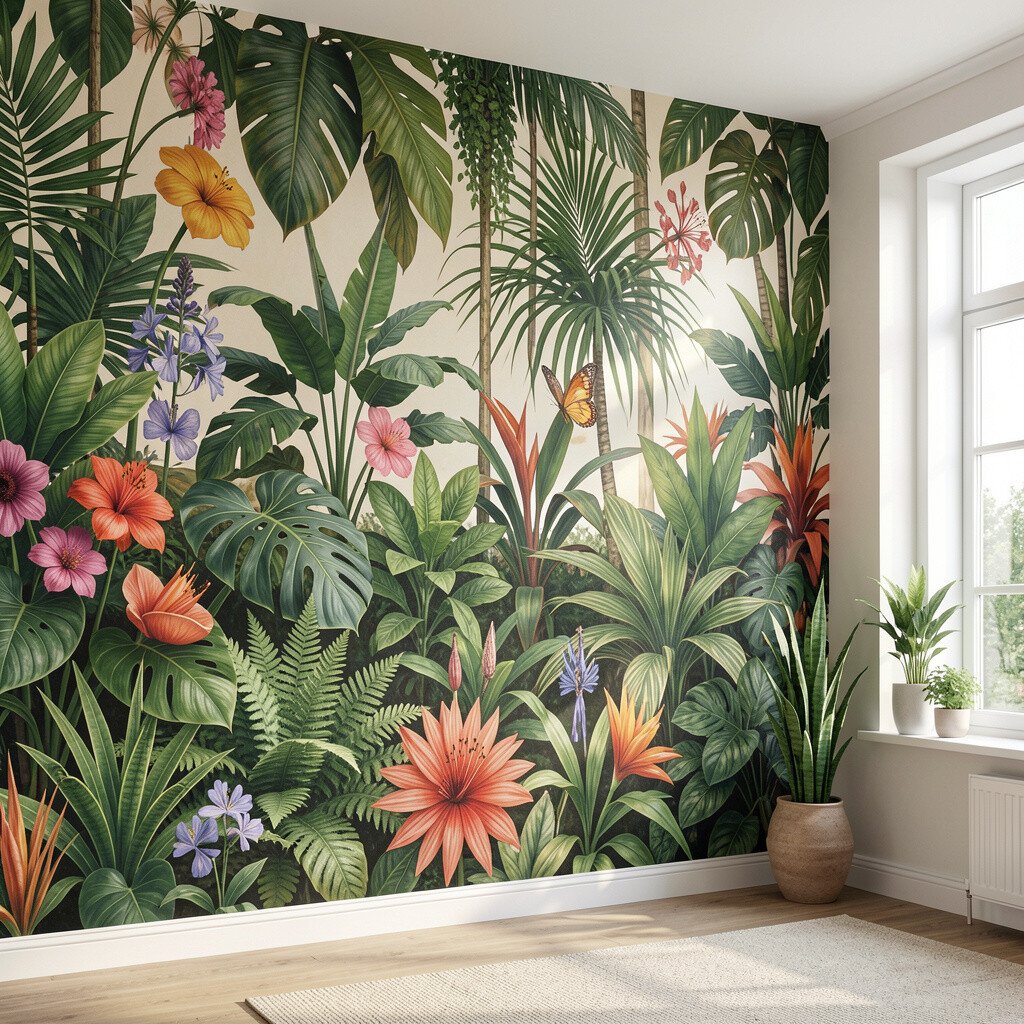
Imagine stepping into a sunlit garden every time you walk past your wall. Leaves, vines, and soft blooms can curl across the entire space like they are reaching for fresh air.
A mural like this brings nature indoors and can make a room feel calmer and more welcoming. Choose a limited palette, like sage green, warm cream, and muted blush, so it won’t overwhelm the rest of your decor. If you want it to look intentional, measure your furniture first and plan where the tallest plants will sit, usually near the center or slightly above eye level.
2. Geometric Sunburst With Modern Lines
Geometric Sunburst With Modern Lines
Sharp shapes can add energy without clutter. A sunburst pattern that radiates from one point turns your wall into a clean focal spot.
This style supports many design themes, from modern to mid-century. Keep the lines crisp with painter’s tape or a projector for sharp symmetry. For cost control, pick two main colors and one accent, then paint the rest with solid fills instead of tiny details.
You can also personalize it by choosing a “spotlight” area behind a favorite shelf or art piece. Try reversing the usual look by placing the burst higher, so the lines pull the eye upward and make ceilings feel taller.
3. Whimsical Storybook Characters in Silhouette
Whimsical Storybook Characters in Silhouette
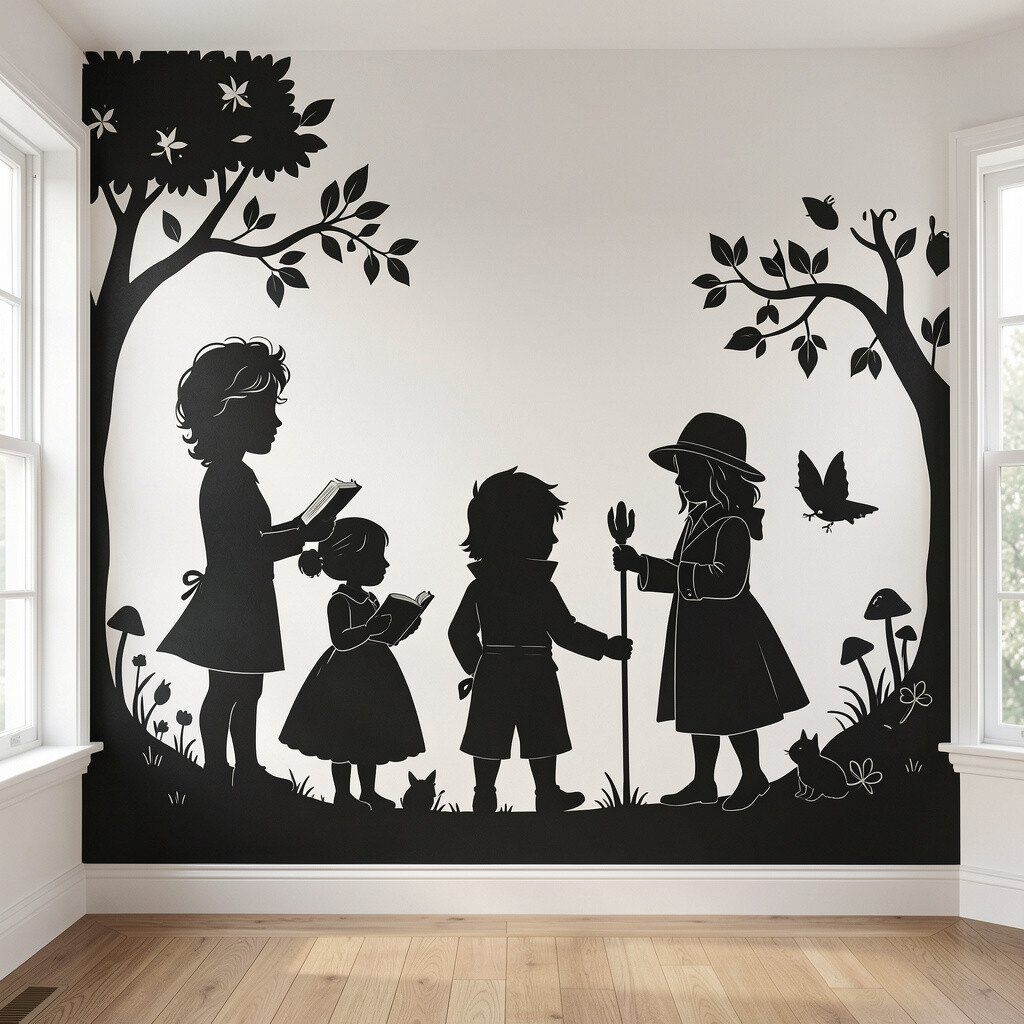
Silhouette murals bring a playful vibe while staying easy on the eyes. You can show friendly figures in flowing capes, small animals, or dancing shadows.
This approach adds personality and imagination, especially in bedrooms and play spaces. Use a single color, like deep navy or charcoal, so the mural stays stylish rather than busy. For a practical finish, outline the main shapes first, then fill them with flat paint for a smooth look.
If you have kids, consider seasonal updates by swapping one character per year. For adults, you can scale the shapes larger and keep the figures minimal for a more “gallery” feel.
4. Serene Watercolor Waves Across the Wall
Serene Watercolor Waves Across the Wall
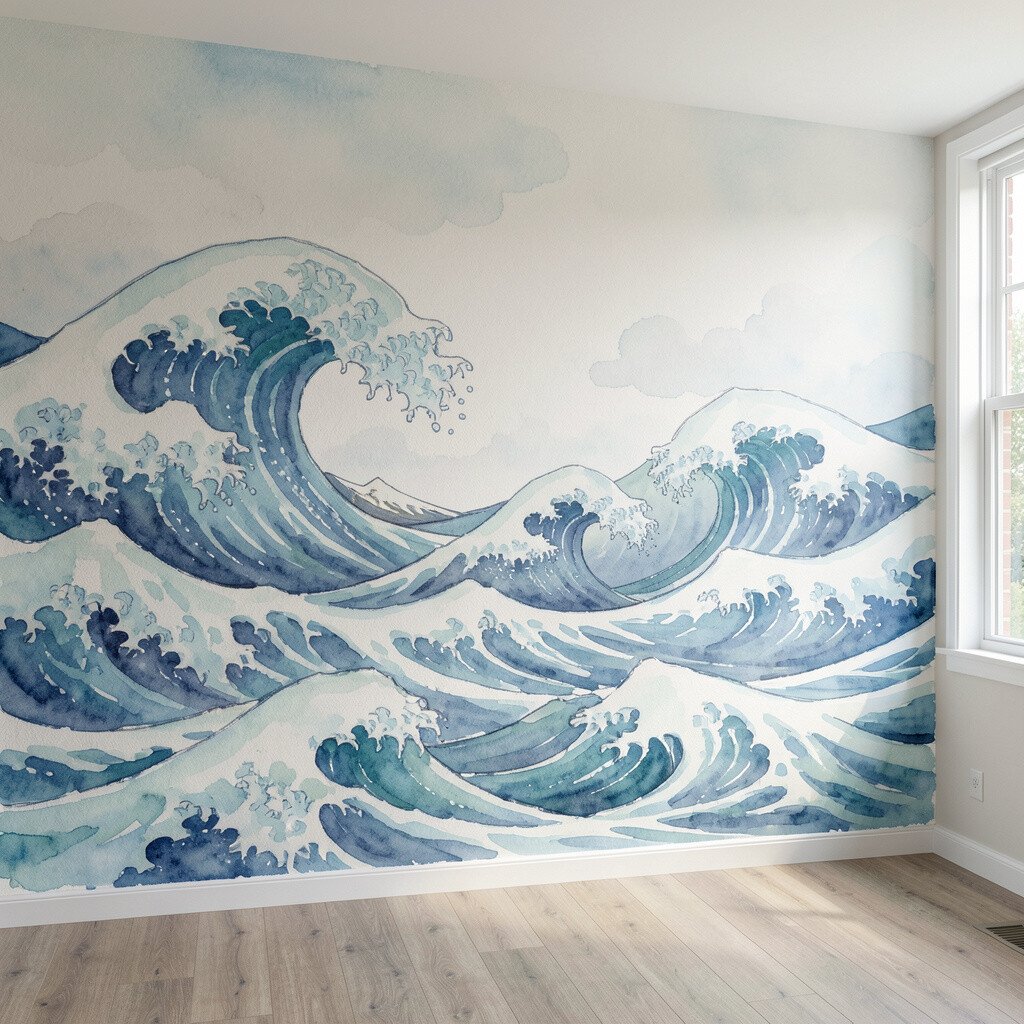
Soft watercolor waves can make a room feel like the air is lighter. Think gentle gradients in seafoam, sky blue, and sandy beige that blend like a brush on paper.
This mural idea helps your space feel soothing and creative at the same time. To keep it looking fresh, limit the number of color families and let the transitions do the work. Use a damp sponge technique or a dry-brush style to avoid harsh edges, then seal it with a clear topcoat for durability.
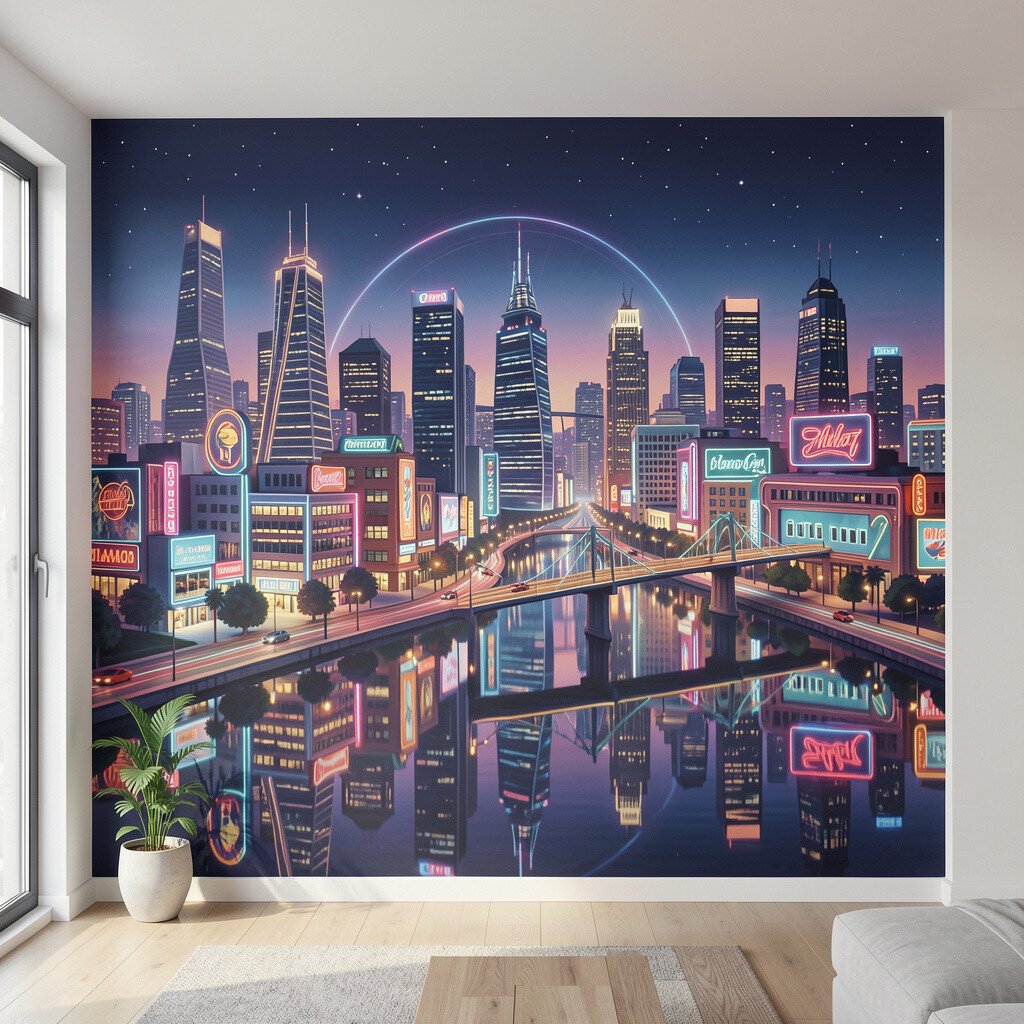
A city skyline at night adds drama while still feeling fun. You can paint layered buildings in dark grays, then add small window lights for a cozy glow.
This mural is unique because it can match many aesthetics, from retro diner vibes to sleek urban modern. Keep the skyline slightly off-center so it feels natural and not like a poster stuck on the wall. For practical prep, protect nearby surfaces with drop cloths and take your time with straight vertical lines.
Personalize the view by using the shape of buildings you love from photos you’ve taken while traveling. If you want a cost-friendly version, you can simplify to fewer buildings and focus on one “signature tower” detail.
6. Hand-Painted Texture With Subtle Marble Veins
Hand-Painted Texture With Subtle Marble Veins
Marble-inspired murals give a premium look without the price of stone. Instead of copying a full slab, you can paint veiny swirls that fade out toward the edges.
This kind of finish makes walls look richer and pairs well with modern furniture. Choose white and gray tones, then add one warm highlight like champagne or soft taupe. Keep the pattern light and airy so the room still feels open, and use thin lines for the “veins” to keep it realistic.
If you’re worried about complexity, start small by painting one focal section behind a console table. It’s a clever way to get the high-end effect while controlling time and cost.
7. Color-Blocking Rainbow Steps
Color-Blocking Rainbow Steps
Color-blocking can feel cheerful and bold, especially with a step-like layout. Imagine stacked bands that rise from the bottom and lean into a diagonal direction.
This mural remodel idea is great when you want movement without complicated artwork. Use painter’s tape for clean edges and choose colors that echo your existing accents, like cushion tones or rug shades. To keep it from feeling too loud, try matte paint and keep the bands moderately wide.
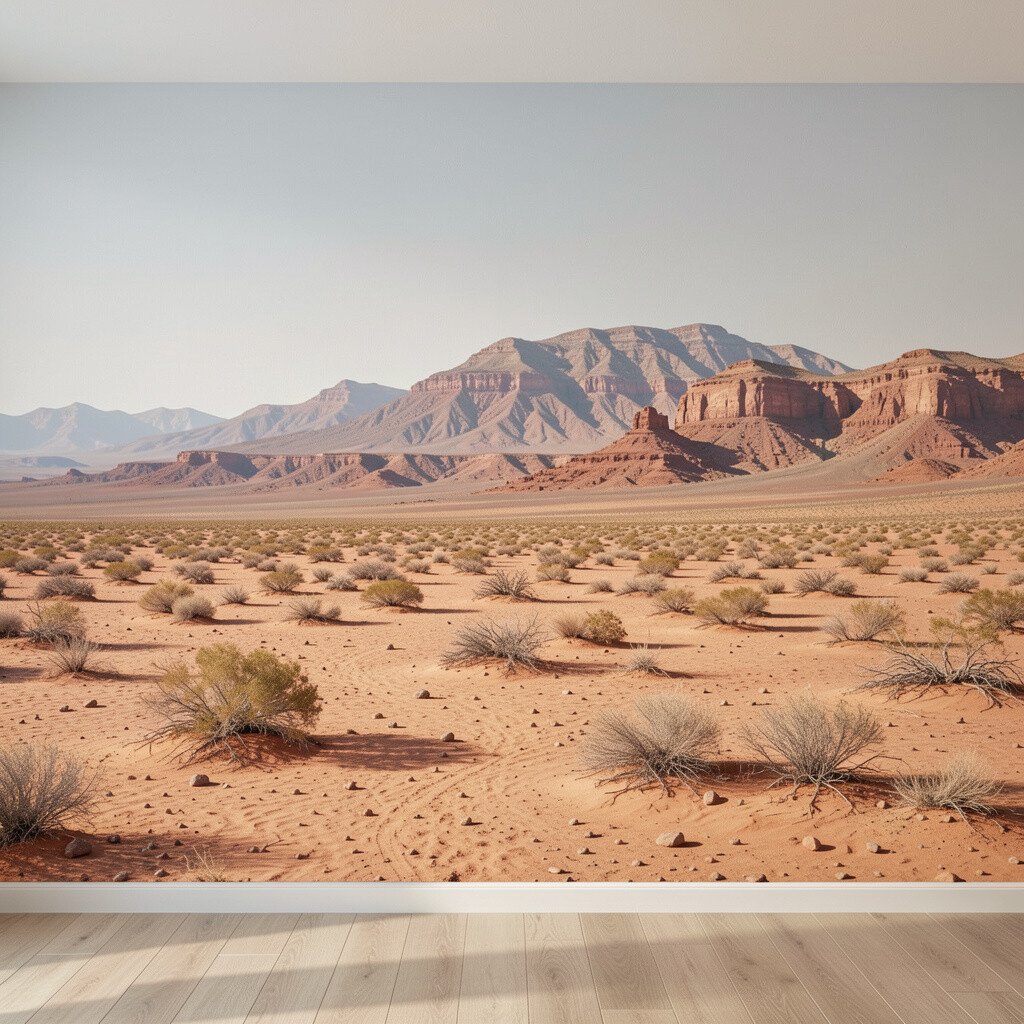
8. Desert Landscape With Distant Mountains
Desert Landscape With Distant Mountains
A desert scene can bring warmth and calm to a space. You can paint layered dunes, soft sunlit shadows, and gentle mountain silhouettes fading into the horizon.
It’s a strong match for current trends that favor earthy colors and organic shapes. Personalize it by choosing the mood you like, from golden-hour glow to cool dusk with deeper blues. For practical results, paint from background to foreground, letting each layer dry so colors don’t muddy.
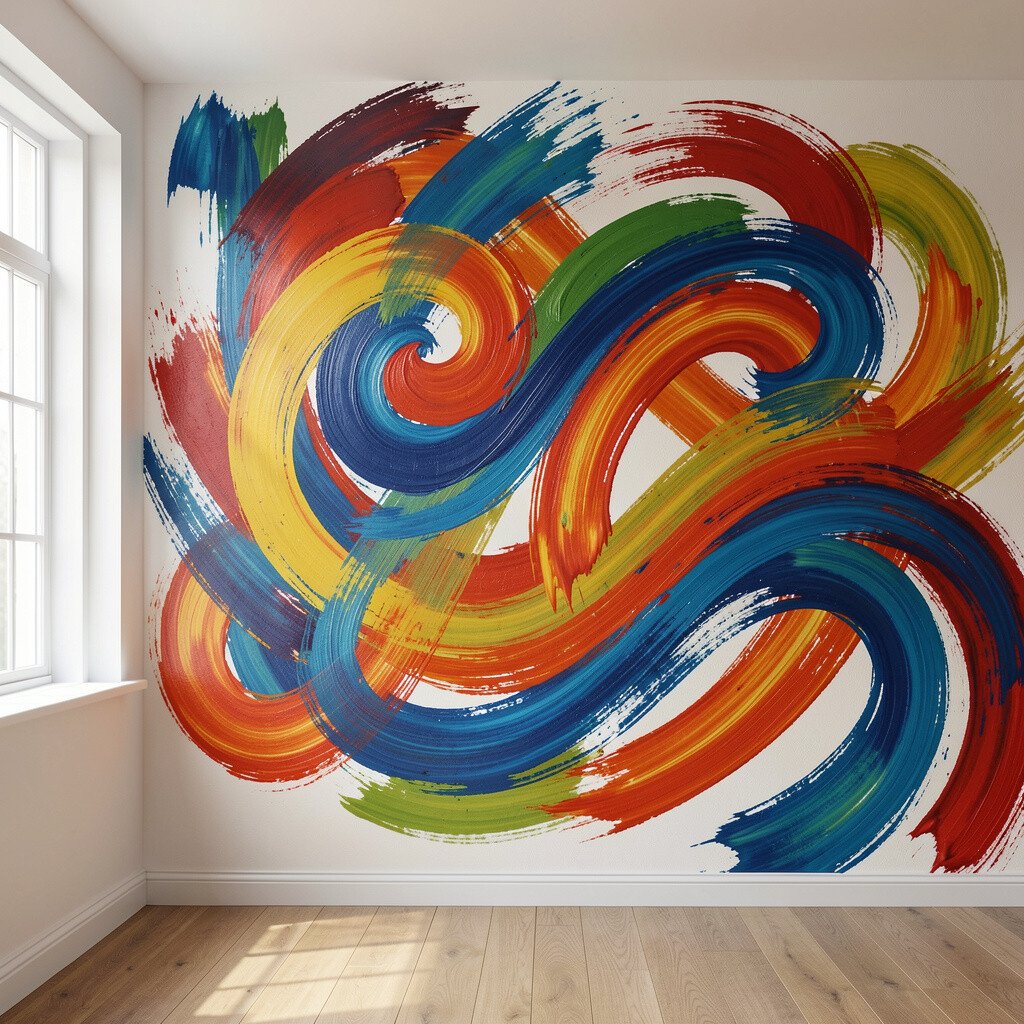
9. Abstract Brushstroke Swirls in Bold Colors
Abstract Brushstroke Swirls in Bold Colors
Abstract brushstrokes are perfect when you want art that feels alive. Curved lines, thick strokes, and floating color blocks can overlap like a confident painting.
This style is unique because it doesn’t need perfect realism. It can hide small wall imperfections too, since the motion draws attention away from minor flaws. Consider matching your existing wall color first, then paint darker and lighter swirls on top for depth.
If you want to keep it budget-friendly, use a limited set of paints and create texture with sponges, brushes, and even crumpled paper for highlights. The mural can also be tailored by adding one “signature” color that shows up in your decor, like a favorite chair or plant pot.
Line art looks elegant and modern while staying calm. Picture delicate stems and leaves drawn in black or dark green, with plenty of blank space around them.
This mural idea gives you a refined look that won’t fight with other patterns. Use a fine brush or stencil for consistency, and keep the lines thin so the wall remains airy. If your room already has bold textiles, monochrome line art helps balance the whole look.
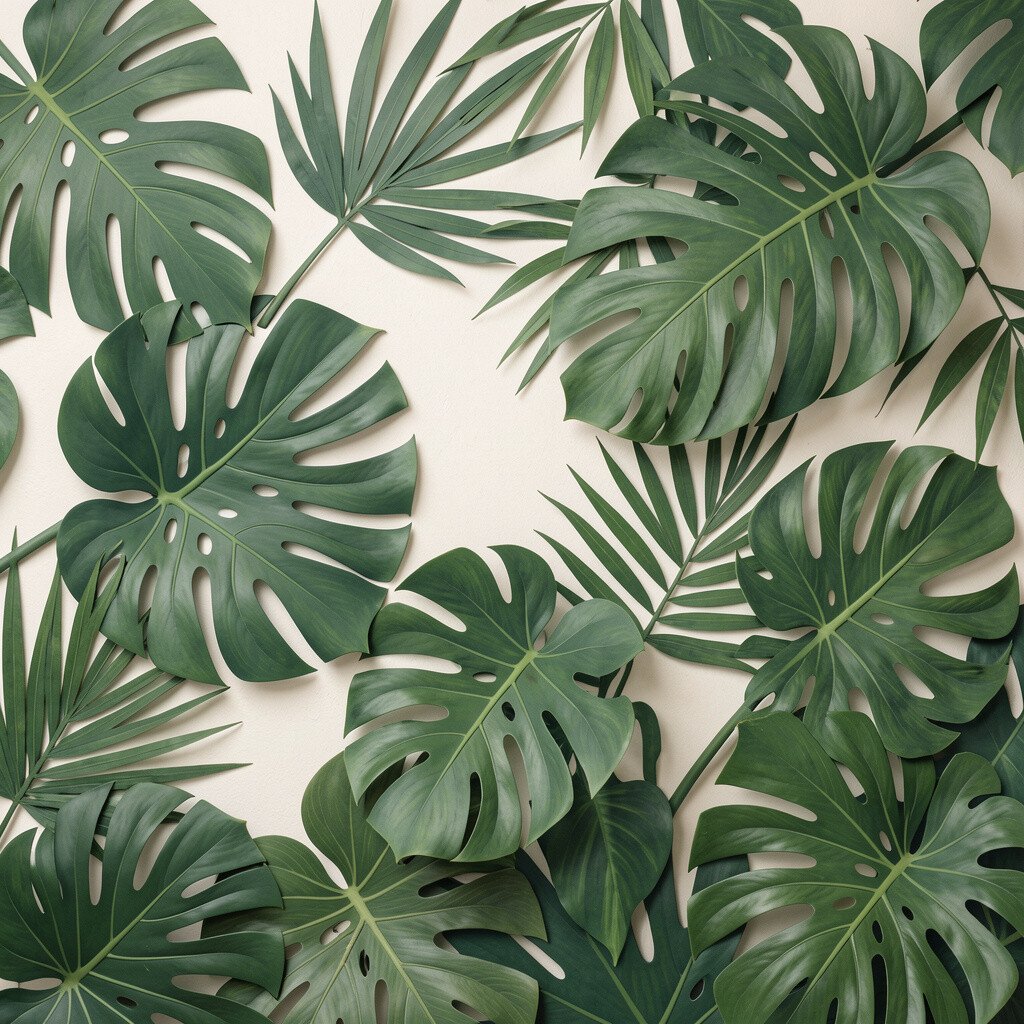
11. Tropical Leaves With a Layered “Cutout” Feel
Tropical Leaves With a Layered “Cutout” Feel
Tropical leaves can make a wall feel like a vacation spot. You can paint fronds in layers that overlap, creating a dimensional, cut-paper style.
This is beneficial because it adds depth even when the wall is flat. Choose leaf shapes you like and repeat a few favorites across the wall for unity. For practicality, sketch a light grid or mark anchor points so your pattern doesn’t drift off.
To manage costs, simplify the leaf veins and focus on bold silhouettes, then add only a few accent details for contrast. Personalize it by matching leaf colors to your favorite items, like green plants, bright towels, or a colorful rug.
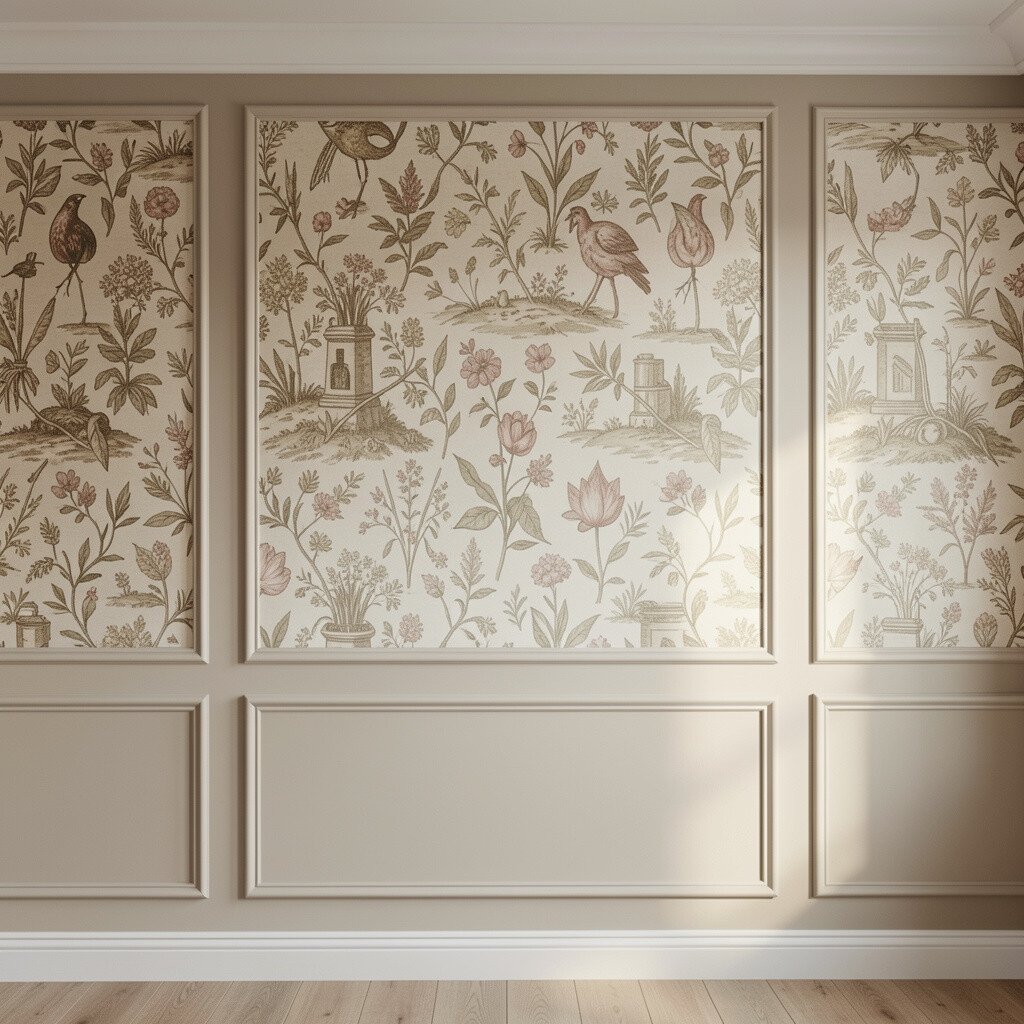
12. Vintage Wallpaper Look With Painted Panels
Vintage Wallpaper Look With Painted Panels
Instead of using real wallpaper, you can paint a vintage panel effect. Think framed sections with tiny motifs, like delicate dots, faded florals, or scrolling vines.
This remodel idea helps your space feel curated and classic. Use two or three muted colors and let the “aging” effect do the charm, such as lightly dry-brushing edges. For a practical step, start with one panel on a test wall so you can check how it reads in daylight.
You can personalize it by using shapes that fit your home, like adding small stars for a playful theme or tiny geometric repeats for a more modern vintage vibe. Keeping the motif scale consistent also makes the wall look expensive.
13. Star Map and Constellations for a Dreamy Night Theme
Star Map and Constellations for a Dreamy Night Theme
A star map mural brings wonder to a room without needing characters. Paint constellations and a soft night sky gradient, then add gentle “sparkle” highlights.
This theme is great for bedrooms and study spaces because it feels calming and focused. To keep the design tidy, choose one region of the sky and stick to a small set of constellations. Use a small sponge or a toothbrush flick method for dots, and practice on paper first to avoid big splatters.
14. Sports-Inspired Emblems and Flags in a Custom Palette
Sports-Inspired Emblems and Flags in a Custom Palette
Turn your wall into a personal sports shrine with emblems, stripes, or flag-inspired shapes. Even if you don’t want full teams, you can use simplified icons that match your favorite colors.
This can feel uniquely yours and gives guests something to talk about. Keep the design balanced by centering one bold symbol and adding smaller elements around it. For practical cost control, use vinyl stencils or printed guides for crisp edges instead of freehanding everything.
Personalize it by including a year, jersey-number style numerals, or a favorite mascot silhouette in a subtle background layer. Choose matte paints so it doesn’t glare under lights, and seal with a protective coat if the wall gets lots of touch or sun.
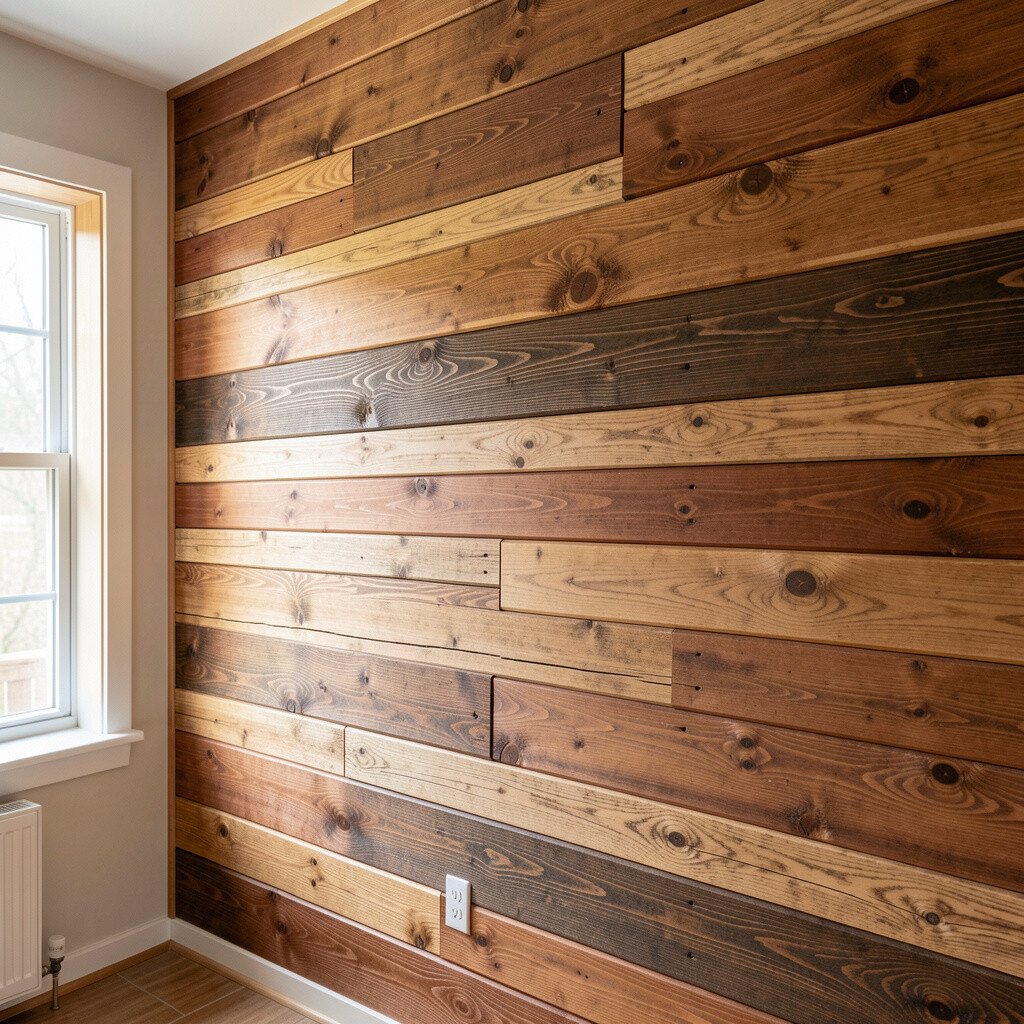
15. Cozy Cabin Woodgrain With Painted “Timber” Planks
Cozy Cabin Woodgrain With Painted “Timber” Planks
Woodgrain murals add warmth and make a room feel grounded. You can paint horizontal planks with subtle knots, then stain-like tones that mimic real timber.
This idea helps bring a rustic vibe that still works in modern homes. Use a base color, then layer lighter and darker streaks to create believable grain. For practical results, measure your plank widths and keep spacing consistent so the illusion stays strong.
16. Futuristic City Blocks With Neon Frames
Futuristic City Blocks With Neon Frames
Neon-style murals can look striking even in small spaces. Picture glowing frames around building blocks, with lines that feel like a digital map.
This mural is trendy because it nods to arcade aesthetics and modern nightlife. Choose one “neon” color and one supporting color to avoid visual overload. To make it easier, paint dark outlines first, then add thin neon highlights, and keep the rest clean and minimal.
Personalize the grid by using your favorite street colors from a rug or hoodie. If you want a budget-friendly version, you can keep only the frames and omit tiny windows, focusing on the bold geometry that reads from across the room.
17. Elegant Abstract Florals With Metallic Accents
Elegant Abstract Florals With Metallic Accents
Abstract florals can feel fancy without being too literal. Use flowing shapes for petals and stems, then add small metallic touches for sparkle.
Metallic accents are a real benefit because they catch light and make the mural look dynamic throughout the day. Choose a small amount of gold, rose gold, or soft silver so it stays classy. For practical tips, paint the base first, let it dry fully, and use a light hand with metallic paint to avoid heavy blobs.
Personalize it by picking floral colors that match your home’s season, like muted mauve for fall or fresh teal for spring. This is a great option if you want something artistic but still elegant enough for a dining room or hallway.
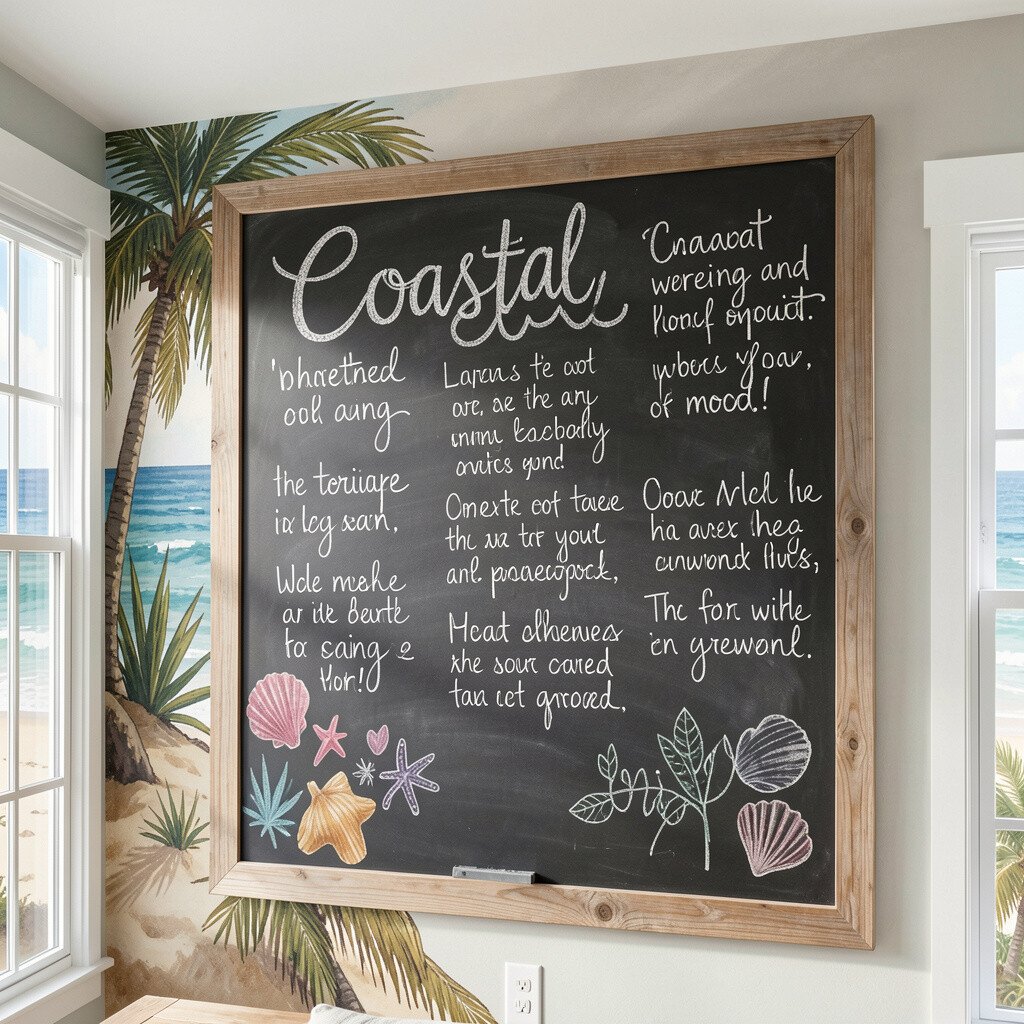
18. Coastal Chalkboard Mood With Handwritten Quotes
Coastal Chalkboard Mood With Handwritten Quotes
Chalkboard-style murals add an interactive feel. You can paint a matte dark section like a chalkboard, then include short phrases, waves, or simple sketches.
This is useful because it can change over time and keeps the wall from feeling “finished” forever. For practical upkeep, choose chalkboard paint and seal edges cleanly so it wears well. Personalize it by adding your own favorite sayings, like a morning reminder or a family tradition, written in a readable script.
If you don’t want to write often, you can still paint a few small decorative lines and keep the “text” minimal. Trends are leaning toward functional art lately, and this fits right in while staying creative.
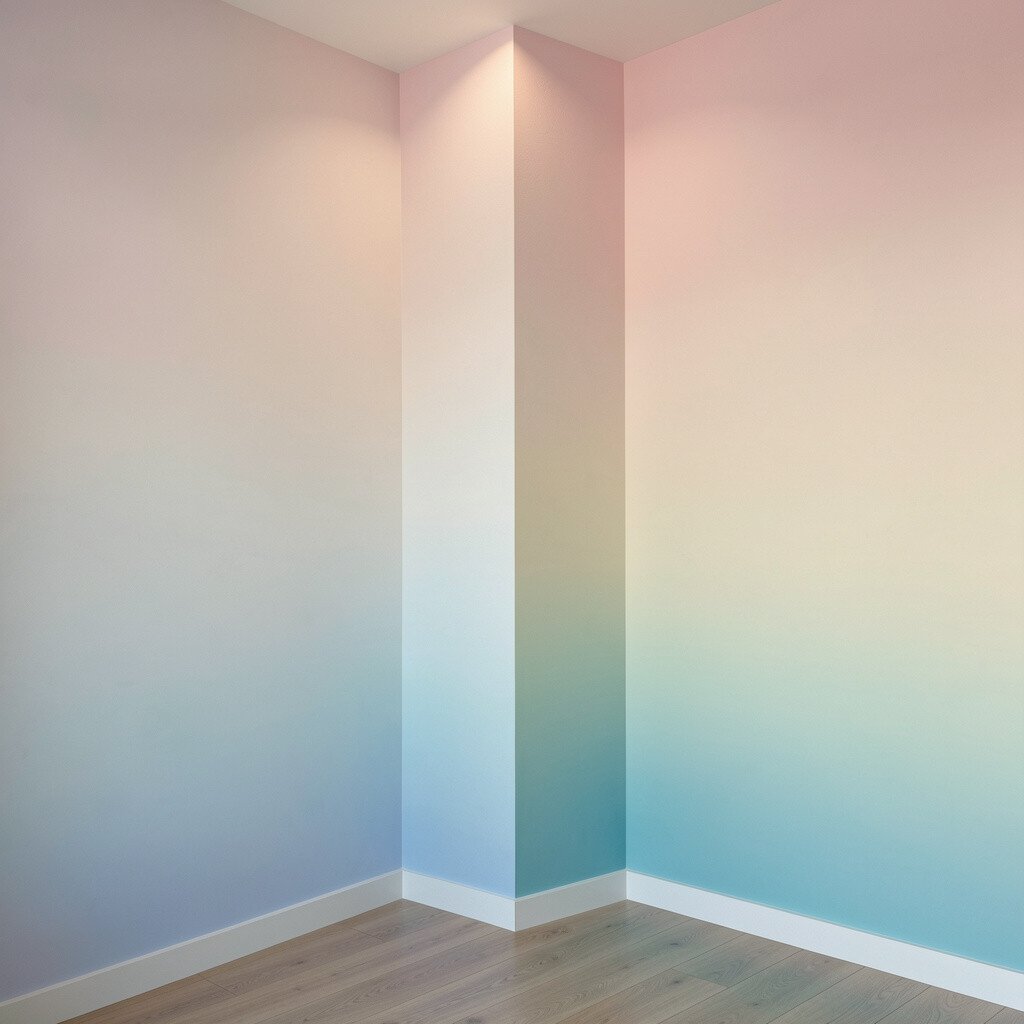
19. Color Fade Ombre Corner With Soft Gradient Lighting
Color Fade Ombre Corner With Soft Gradient Lighting
An ombre corner mural makes the room feel bigger and more open. Start with a deeper color near the floor or at the edges, then fade into a lighter tone as the wall rises.
This idea is beneficial because it adds atmosphere without needing figures or intricate shapes. Choose colors that match your existing palette, like dusty rose fading into cream or teal fading into pale gray. For practical application, blend with a wide brush or sponge using smooth, horizontal motions, and keep checking under different lighting.
Personalize it by aligning the darkest shade with a nearby accent piece, like a chair or lamp base. Cost-wise, gradients can be cheaper than detailed murals because the focus is on blending rather than drawing complex scenes.