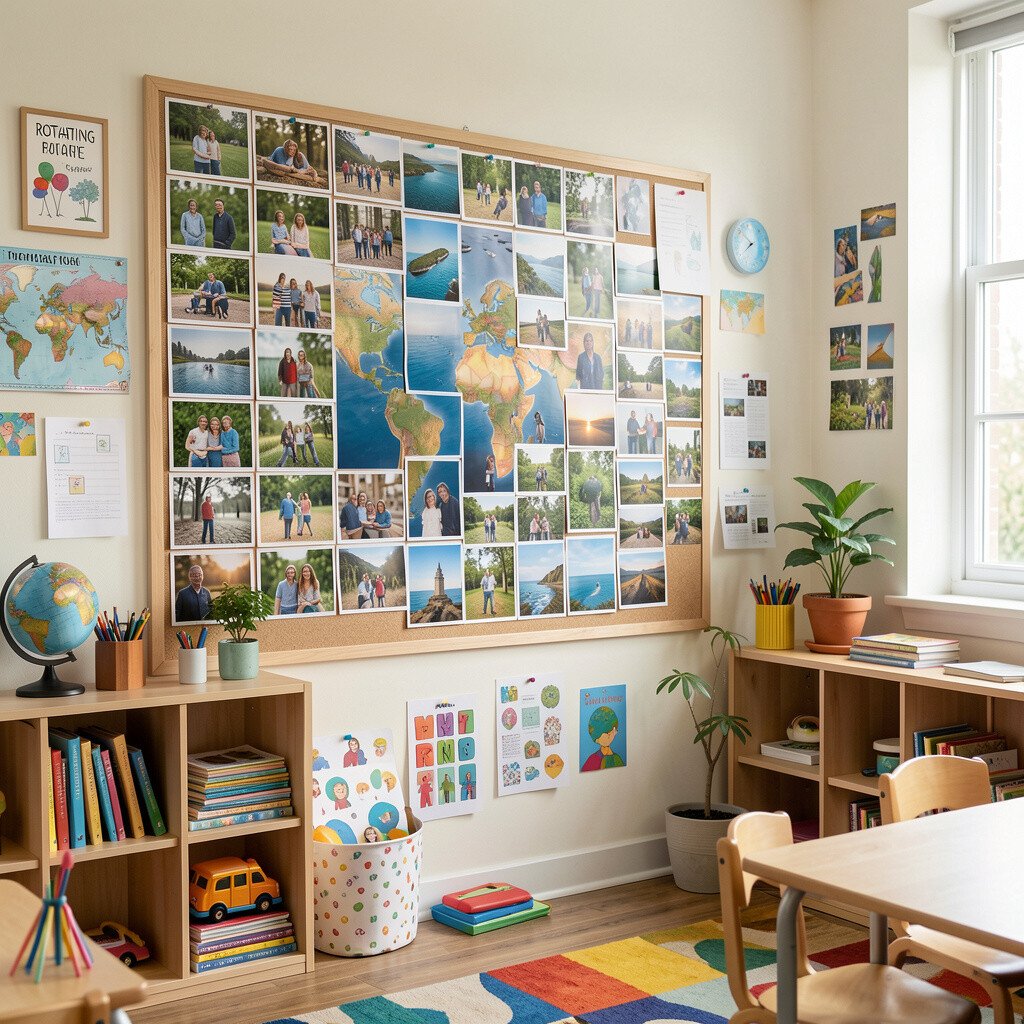
Hang a gallery of student-friendly photos from around the world. Each month, swap in new pictures with places, families, festivals, and everyday scenes that match your curriculum.
This kind of wall helps students connect personal experiences to what they learn. It also builds pride because families recognize their own backgrounds in the visuals.
2. Student-Created Family Heritage Quilts
Student-Created Family Heritage Quilts
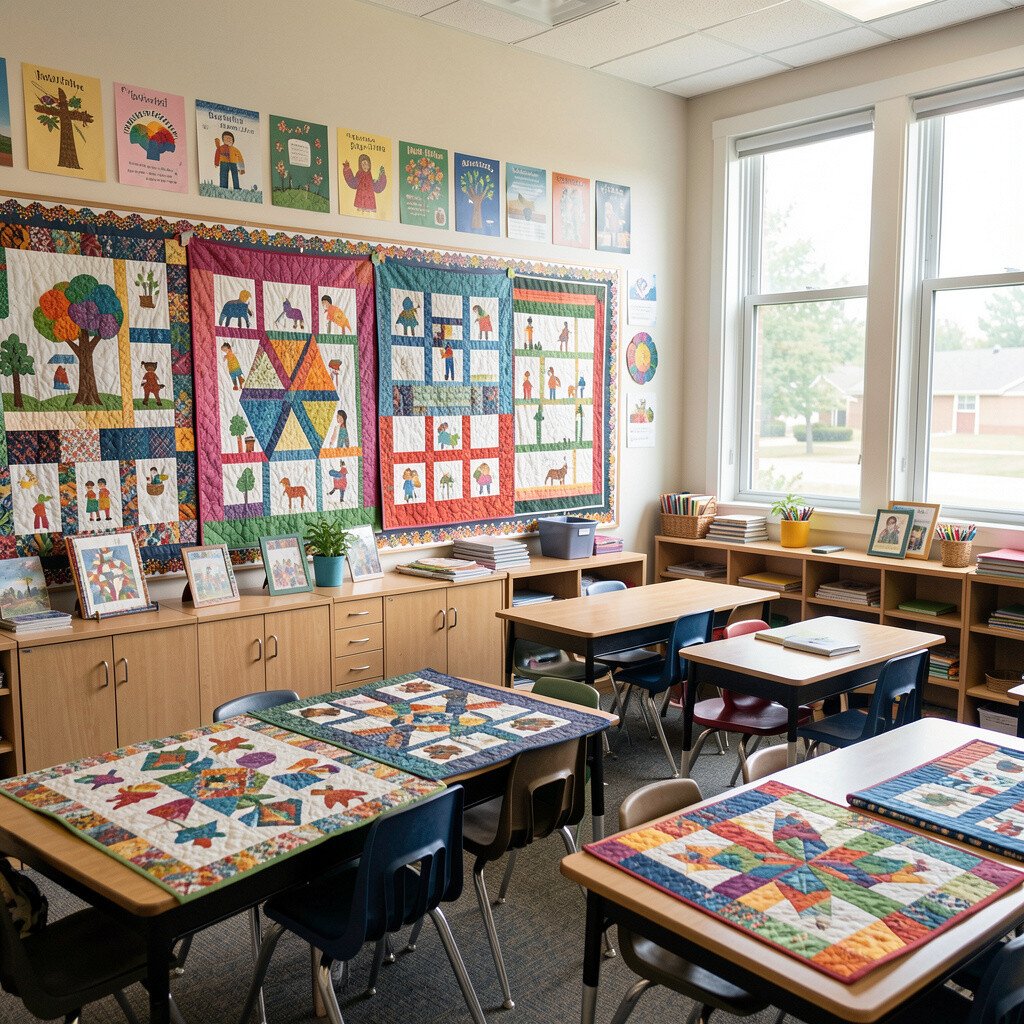
Use bulletin board paper or felt squares to make quilt blocks that students design for their families. Show patterns, colors, and symbols that represent stories like favorite foods, celebrations, or shared hobbies.
When students contribute, the classroom feels like a community, not a display case. Make space for writing or drawing so every quilt block shares something true and small.
For practical setup, choose pre-cut shapes and keep a clear label-free system for storing supplies. If budgets are tight, use donated fabric scraps or print simple pattern templates on cardstock.
3. Multilingual Classroom Word Corners
Multilingual Classroom Word Corners
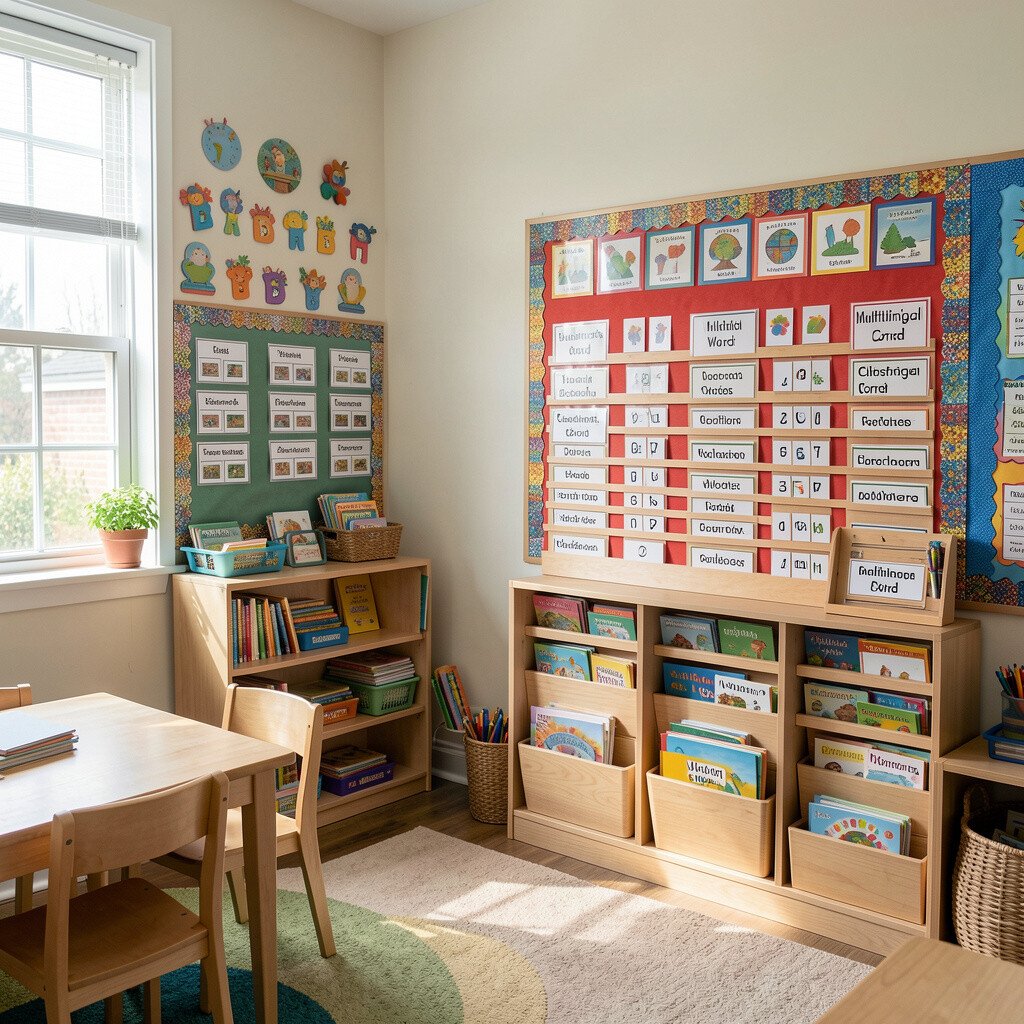
Create small word corners that feature key classroom phrases in several languages. For example, add greetings near the door, and add “please,” “thank you,” and “help” near the teacher desk.
Students enjoy seeing their home language respected, even when it is not the one most often heard at school. This supports communication and reduces the fear of making mistakes.
Keep it practical by using sturdy sentence strips with picture cues so children can point and understand fast. Personalize it by letting families suggest two or three words they want included.
As a current trend, many teachers are using QR codes that link to short pronunciation clips made by community members. You can keep it simple by using one QR per corner so the room stays uncluttered.
4. Cultural Calendar With Community Celebrations
Cultural Calendar With Community Celebrations
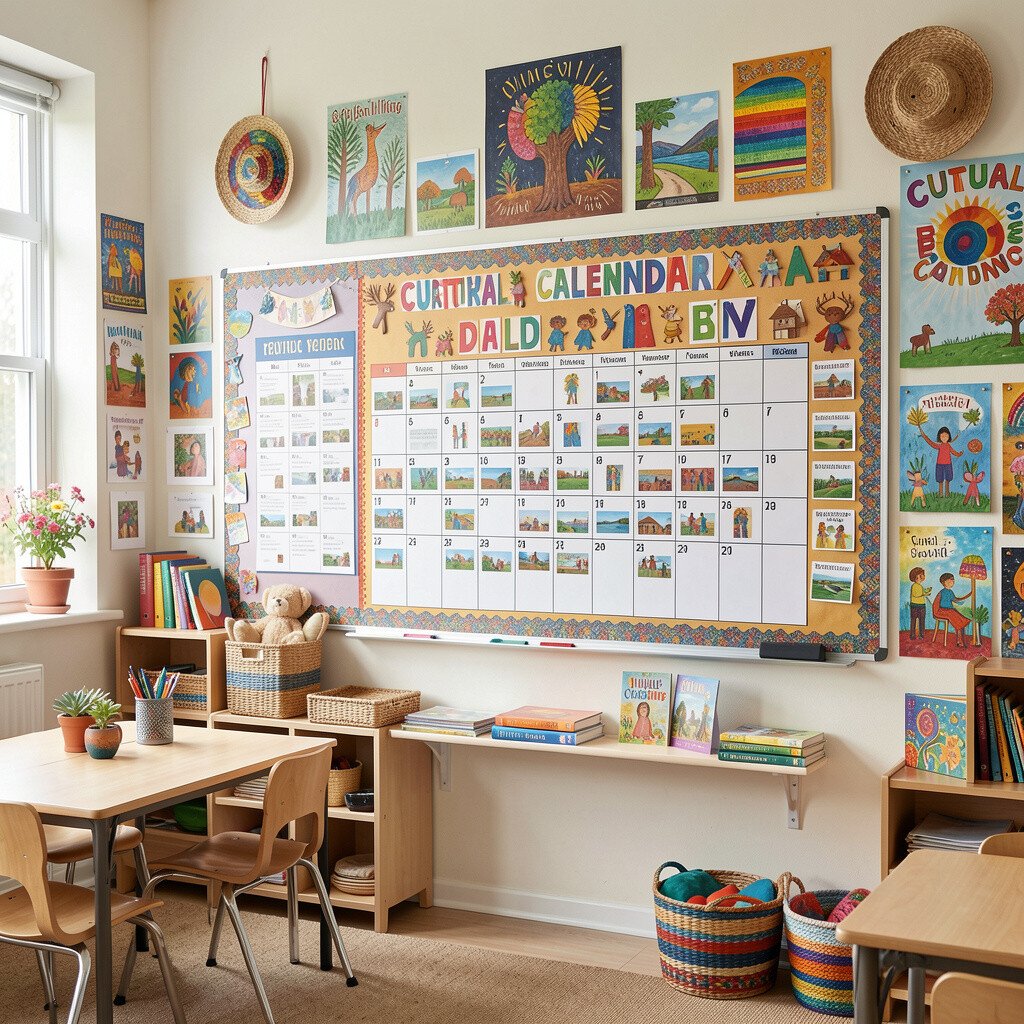
Place a wall calendar that shows a variety of celebrations and seasonal events from different cultures. Use gentle wording and include a short description that focuses on what families do, not on stereotypes.
Students feel respected when their important days appear in the same space as everyone else’s. It also helps you plan learning activities around themes like gratitude, renewal, or harvest.
5. Authentic Folk-Tale Storytelling Posters
Authentic Folk-Tale Storytelling Posters
Choose posters that retell folktales with clear art and kid-safe wording. Pick stories from many regions and keep the display changes aligned with reading units.
This decor supports literacy and sparks curiosity about shared themes like bravery and kindness. It also gives students a visual anchor when they retell stories in their own words.
To keep costs down, select printable poster sets or use book jacket art with permission. Personalize by adding a small “from our class” section where students summarize their favorite part using simple sentences.
6. Dress-Up Bins With Regional Textiles
Dress-Up Bins With Regional Textiles
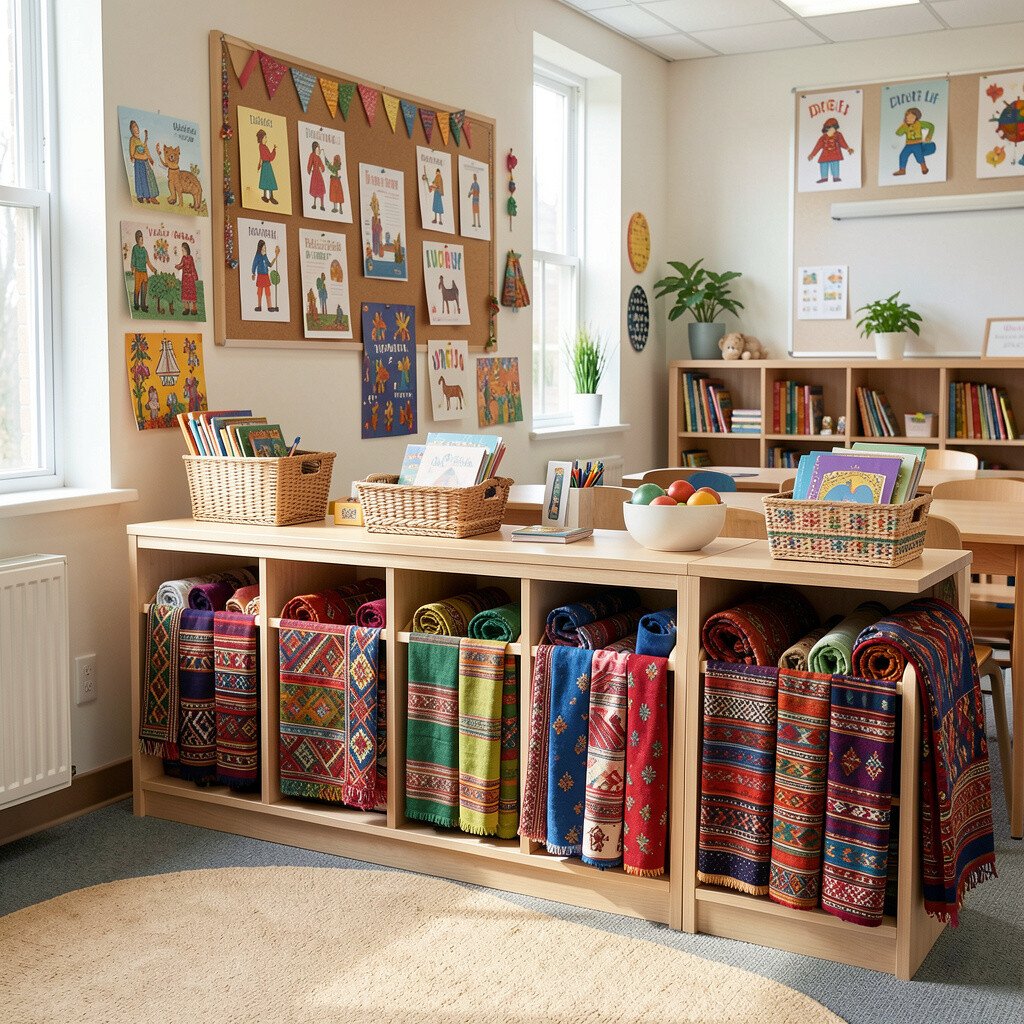
Set up a dress-up corner with scarves, hats, and clothing-inspired pieces that reflect many places. Choose lightweight items made for pretend play so students can try them on safely.
Visual interest matters here, because fabrics and patterns invite imagination right away. This kind of corner helps children practice social skills and builds respect for cultural identity through play.
7. Classroom Flags and Symbols at Eye Level
Classroom Flags and Symbols at Eye Level
Mount small flags, symbols, or simple emblems at student eye level rather than high on walls. Add them near maps, reading nooks, or project areas so they are part of daily movement.
Students can learn geography and identity together when visuals feel reachable and calm. Make the display unique by pairing each symbol with a matching color badge students can use for group work.
Keep it practical by using durable foam mounts or laminated backing, especially in busy rooms. If you worry about cost, start with a short list of countries connected to your student community and expand over time.
8. Recipe Display Inspired by Global Everyday Foods
Recipe Display Inspired by Global Everyday Foods
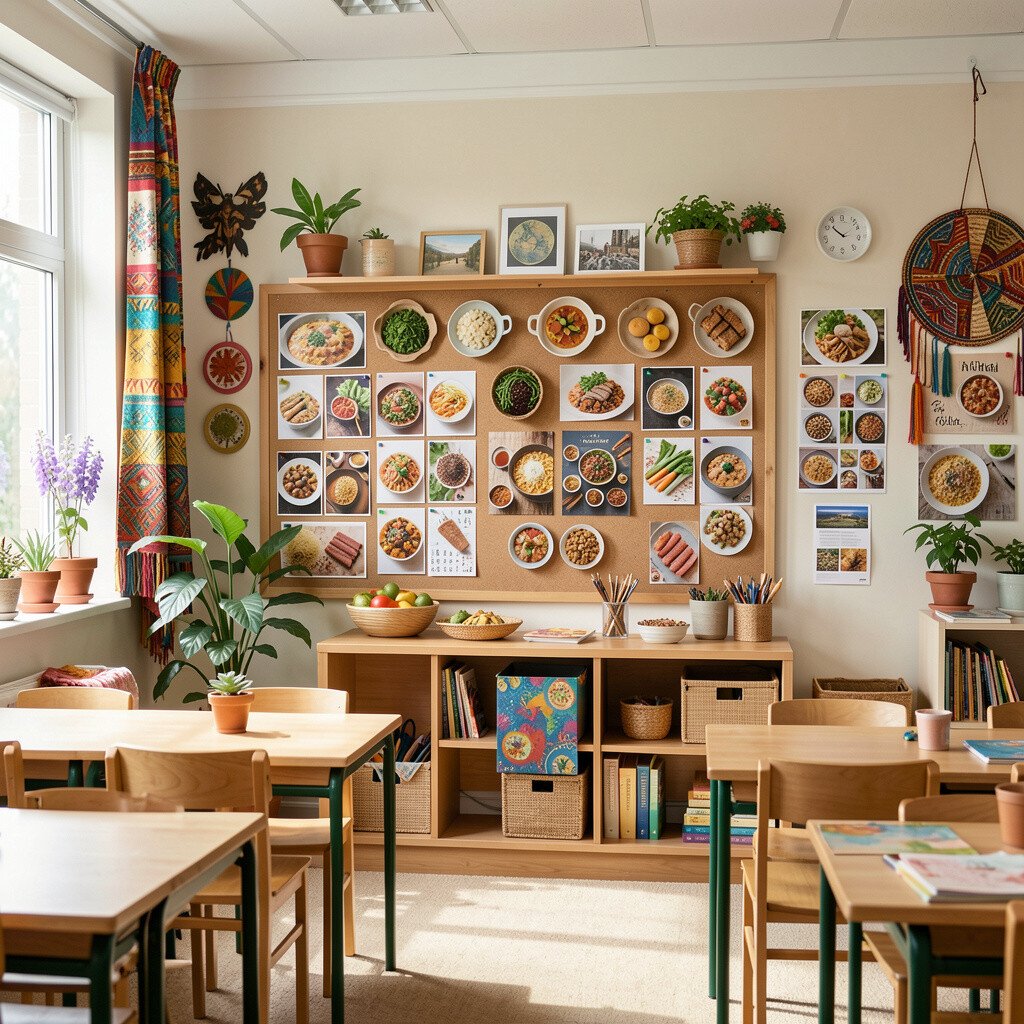
Create a “tastes of our world” wall with printed recipe cards that highlight everyday meals. Focus on ingredients, cooking steps, and simple family traditions students can recognize.
Food visuals often feel welcoming because they connect culture to comfort and home. They also open conversation for writing, math measuring, and science smell-and-sense activities.
For practical personalization, ask families to share favorite recipes with allergy-safe notes. You can include both images and kid-friendly descriptions so students can contribute even if they don’t bring the full dish.
9. Art Prints From Many Regions With Variety in Style
Art Prints From Many Regions With Variety in Style
Hang art prints that show different styles like ink drawings, woven patterns, bright folk scenes, and modern illustrations. Include artists from many backgrounds and rotate them so students keep discovering new visual languages.
This decor encourages creative thinking and helps students notice details during art lessons. When students see variety, they feel free to create without feeling that only one style counts.
Keep it doable by choosing a few high-quality prints and printing smaller versions for rotation. Personalize by letting students select prints after class discussions about what the art reminds them of.
Current trends often favor “maker-centered” spaces where visuals match student projects, so align the art wall with what you are teaching.
10. Timeline of World History in Student-Friendly Language
Timeline of World History in Student-Friendly Language
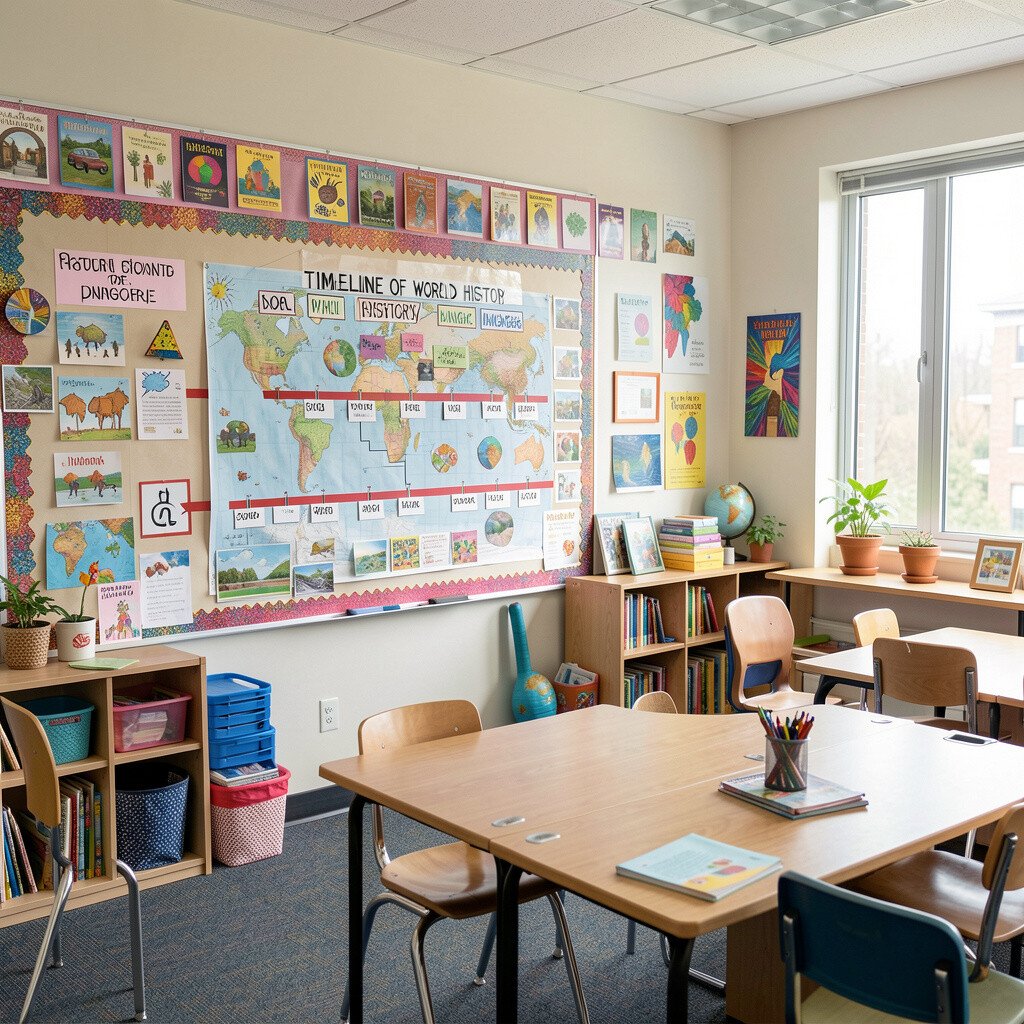
Use a timeline poster that shows major developments across many cultures, not only one region. Keep the wording simple and include images and short phrases students can read quickly.
This kind of display widens understanding and helps students see the world as connected. It also reduces the feeling that history belongs to only a few groups.
To make it practical, add sticky-note facts students can change after research projects. Cost-wise, you can print one strong timeline base and reuse smaller cards across terms.
11. Classroom Seating Nametags With Pronunciation Helpers
Classroom Seating Nametags With Pronunciation Helpers
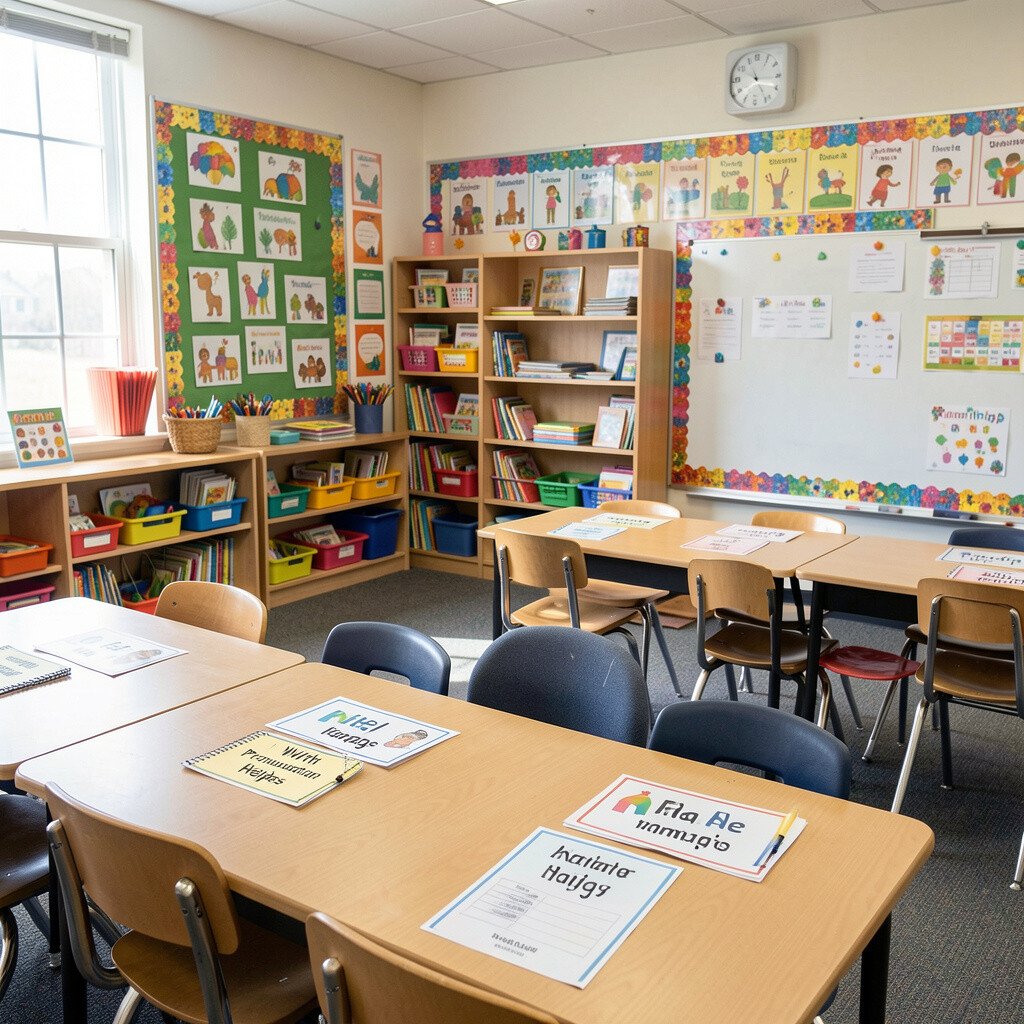
Design desk nametags that include students’ names, friendly icons, and a small pronunciation guide in a clear format. You can ask families how they say the name and then store the info safely for classroom use.
When pronunciation is supported visually, students feel seen and teachers can communicate more confidently. It also helps classmates learn to greet each other with respect.
Personalize the tags with colors that match students’ preferences and keep the size readable. If printing is expensive, start with a few custom tags each grading period and reuse name templates.
12. Multicultural Math Manipulatives With Pattern and Count Context
Multicultural Math Manipulatives With Pattern and Count Context
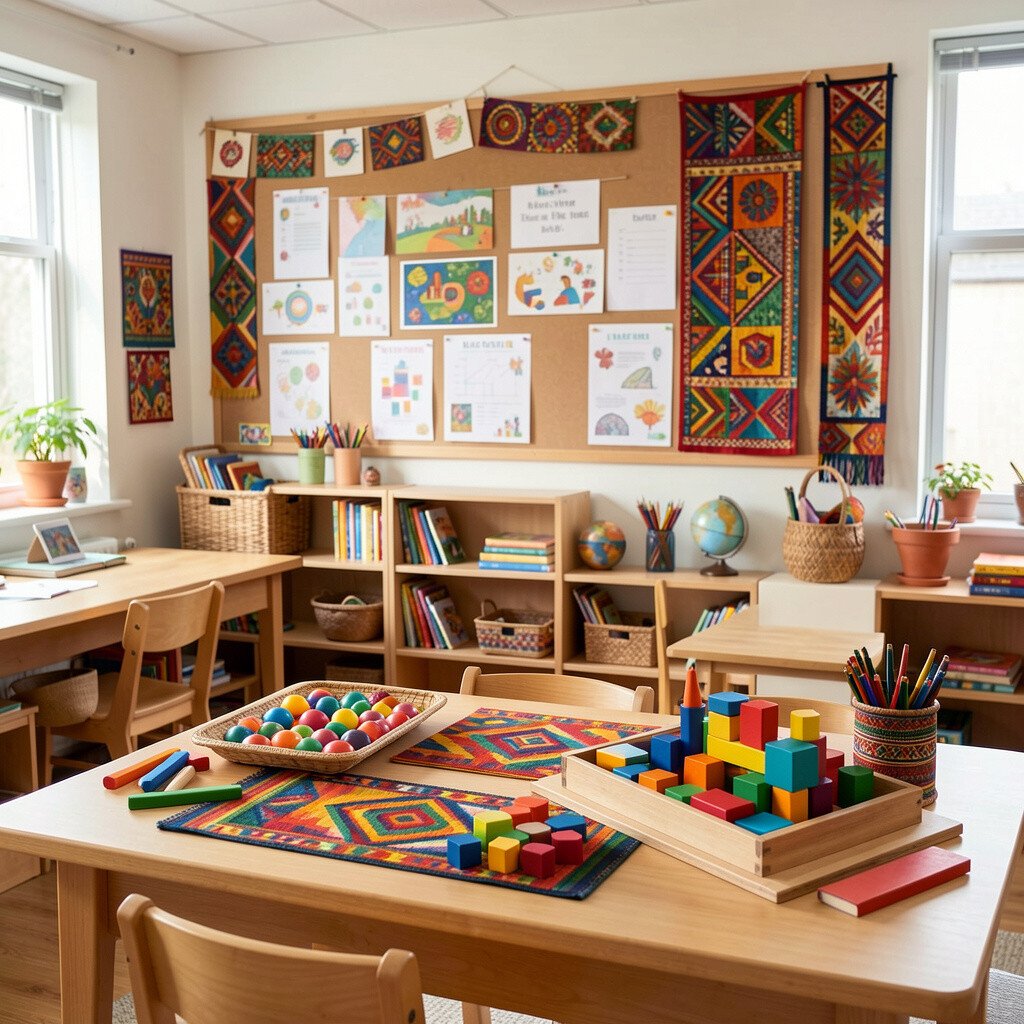
Choose math materials that reflect many cultural patterns and themes, like counting cards with diverse objects and pattern blocks with varied motifs. Use them during centers so students practice skills while seeing representation.
Visual comfort matters in math because anxiety can rise when students feel excluded. With inclusive imagery, students stay more engaged and confident in solving problems.
For practical tips, pair manipulatives with sentence frames so students describe patterns using simple language. Personalize by letting students label a set with words from their families or languages they enjoy.
13. Window Displays With Hands-On Cultural Crafts
Window Displays With Hands-On Cultural Crafts
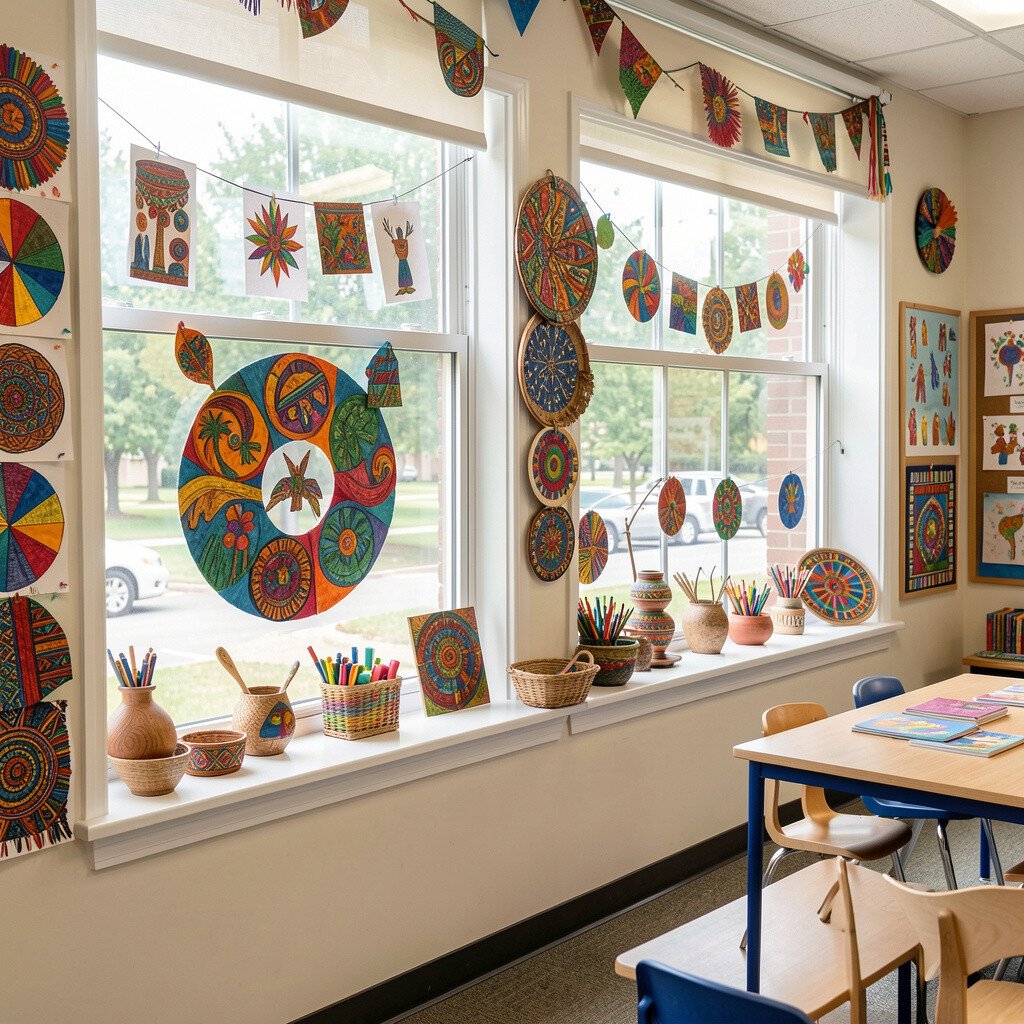
Use your window space for crafts that students make during the year, such as paper cuttings, bead patterns, or simple folded ornaments. Add captions written in kid-friendly wording to explain what the craft represents.
This decor feels lively because natural light makes colors pop and movement adds energy. It also turns student work into a shared celebration of learning.
Keep it practical by choosing crafts that dry quickly and can be hung with reusable clips. For cost, use construction paper, string, and recycled materials, and focus on a small set of repeatable supplies.
As a personalization idea, rotate window crafts so different groups see their work in the “spotlight.”
14. Community Map Wall With Places Students Belong
Community Map Wall With Places Students Belong
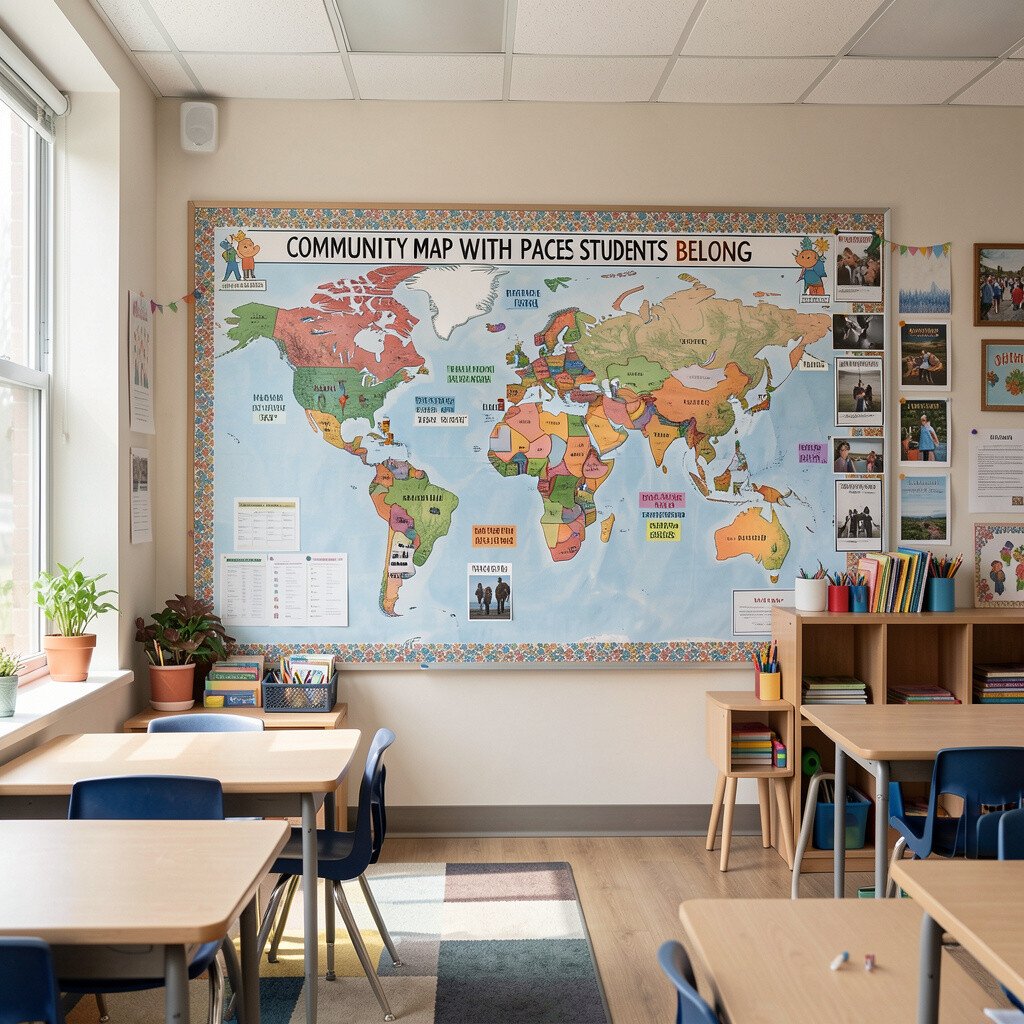
Create a map wall that includes a simplified world map plus a “where I belong” section with student photos. Students can place a small card showing where they or their families have lived, connected, or learned.
This display builds belonging because it treats heritage as part of everyday classroom life. It also supports geography skills and helps students ask curious, respectful questions.
For practical tips, keep the map low-contrast and the cards large, so the wall stays easy to read. Consider cost by printing photos in small sizes and using clear pockets made from leftover folders.
To keep it current, many classrooms are using digital photo frames paired with physical maps, so you can blend both if you already have devices.
Personalize it by adding student-made border art that matches your school colors while still showing many cultures.