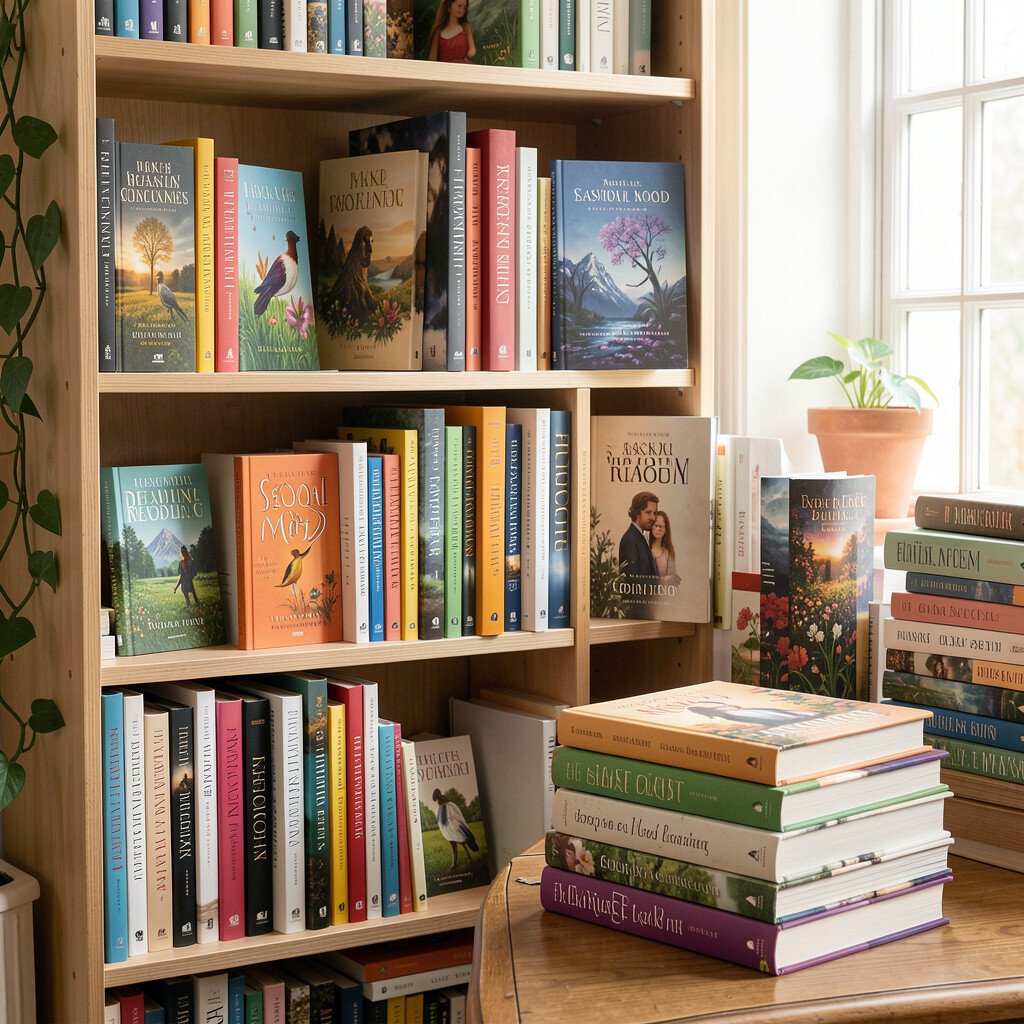
Books can feel like rooms you walk into whenever you need a different kind of comfort. Build a collection that feels personal, playful, and surprisingly useful.
When your shelves match your mood, you read more often and choose books with less stress. The trick is to collect with intention, not just with impulse.
Pick a small set of books tied to this year, like fresh releases or titles that became popular right now. As you browse, notice how the covers look side by side and how the themes seem to talk to each other.
Choose a mix of genres so you do not burn out, and keep a one-sentence reason for each pick in your phone. This collection gives you a simple routine for picking your next read when time feels tight. If you want to save money, use library holds or ebooks first, then buy only the books that truly stick with you.
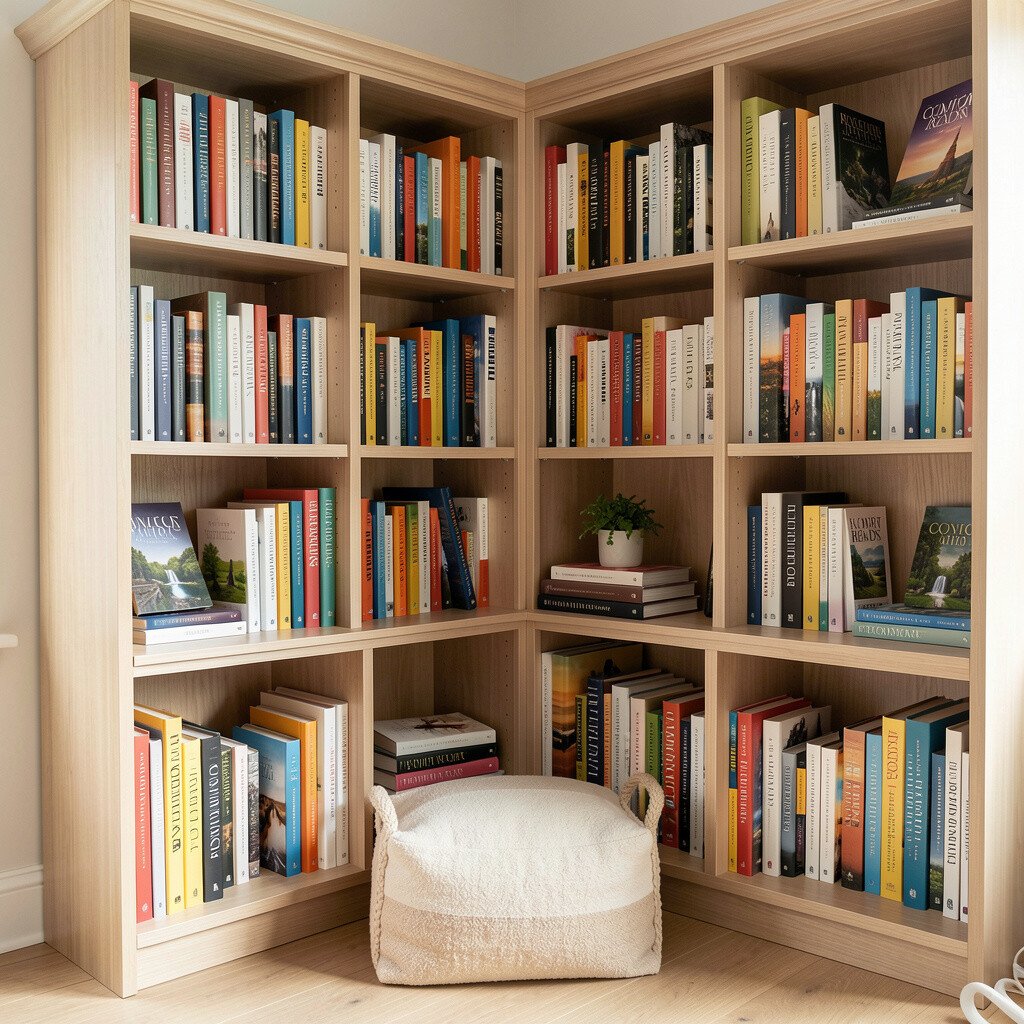
2. Build a “Comfort Reads” Corner
Build a “Comfort Reads” Corner
Group books that feel cozy, like familiar voices, gentle plots, or warm small towns. You can create a visual “soft zone” by placing them in a particular spot where the covers share similar color vibes.
When your day is messy, these books work like a blanket you can reach for fast. Try setting a small goal to read one comfort book on busy weekends, and you will feel your stress drop.
To keep it practical, start with just a few favorites you already own, then add one new comfort read each season. Personalize it further by noting what you want from the story, such as laughter, calm, or quick hope.
3. Create a “One Author, Many Moods” Collection
Create a “One Author, Many Moods” Collection
Choose an author you love and gather several of their books, even if they are not all the same style. You will see patterns on your shelf, like repeated cover themes and familiar character types.
Reading the author across different moods helps you notice craft, pacing, and voice in a way that feels like skill-building. It also makes decision-making easier because you already trust the author’s world.
Keep it actionable by deciding on a reading order based on how you feel, such as starting with lighter stories when you want easy wins. If cost matters, look for older titles in paperback or check your library’s author section.
4. Make a “Place-Based” Travel Stack
Make a “Place-Based” Travel Stack
Collect books set in cities, regions, or countries you want to visit. Place them together so your shelf looks like a tiny map, with covers that suggest streets, coastlines, or mountains.
You get a benefit beyond imagination, since books teach you everyday details like food, weather, and local habits. For practical reading, pick one short chapter each time you plan a trip, so your preparation feels fun instead of boring.
If you worry about spending, borrow travel memoirs and culture books first, then buy the ones that truly help you picture the place. Personalize the stack by writing a small “future itinerary” note next to each book in your journal.
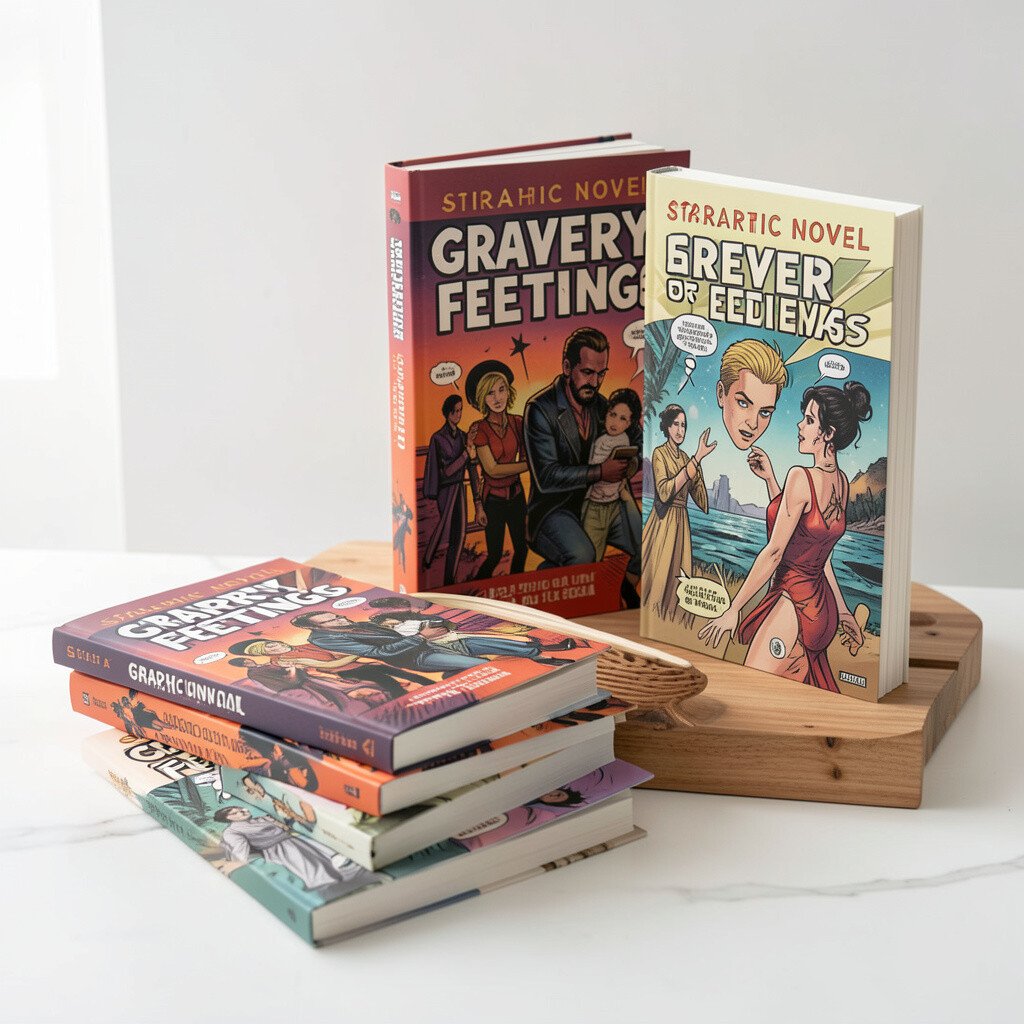
5. Start a “Graphic Novel for Every Feeling” Set
Start a “Graphic Novel for Every Feeling” Set
Build a collection where each graphic novel matches a feeling you want to manage, like curiosity, courage, or calm. The art style across covers can look bold and bright, making the shelf feel lively.
This is a great benefit for busy readers because images carry mood quickly, so you can start and feel hooked fast. Keep it practical by choosing a few shorter graphic stories so you can finish one when your energy is low.
To personalize, rank your picks by the kind of comfort you want, then pick the next book based on your current mood. If you want to keep costs down, watch for library graphic collections and sales at secondhand stores.
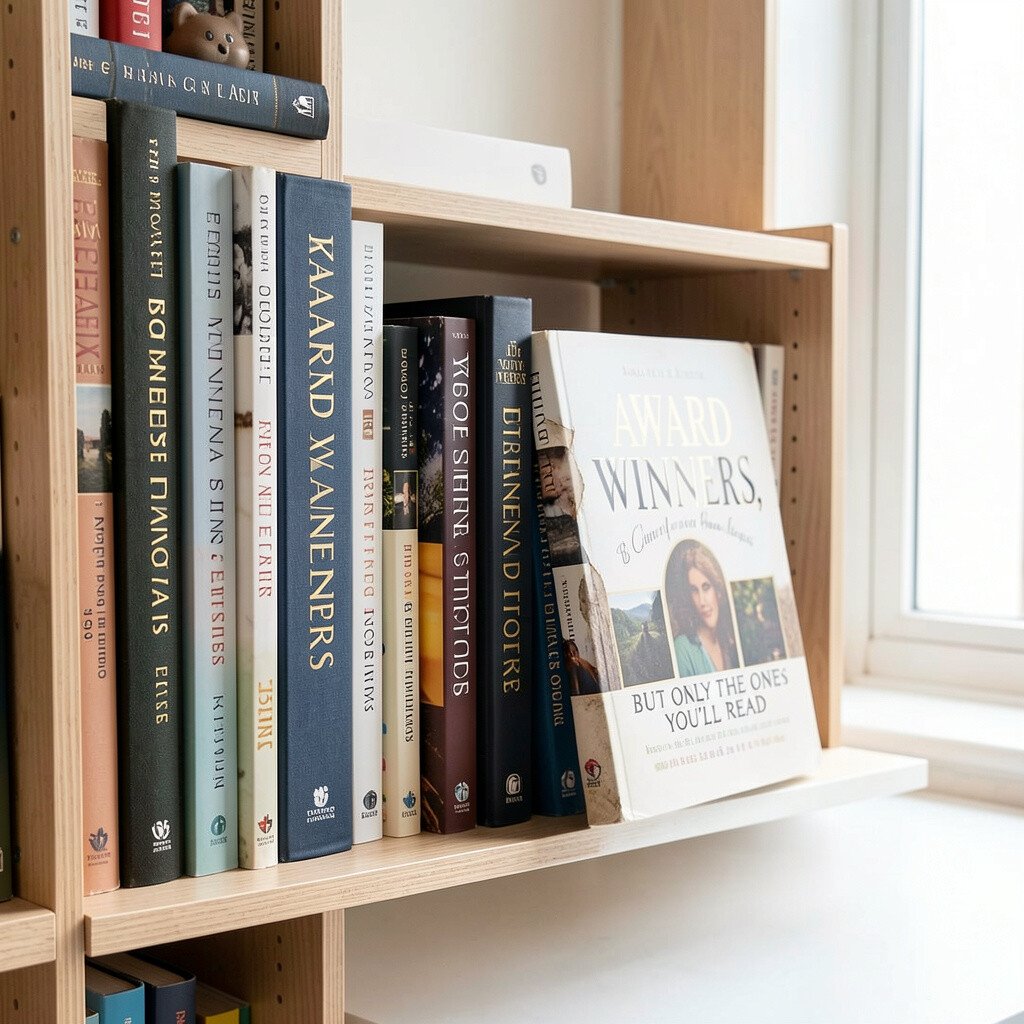
6. Collect “Award Winners, But Only the Ones You’ll Read”
Collect “Award Winners, But Only the Ones You’ll Read”
Take note of books that have won major awards and then choose only the ones that fit your taste. You can keep them together so your shelf has a “serious” vibe without feeling intimidating.
These books offer a strong benefit because they are often well-crafted, well-edited, and widely discussed. For practical tips, read the back cover carefully and pick based on themes you genuinely want right now.
Uniqueness comes from filtering the winners through your own preferences, like choosing historical fiction instead of fantasy even if both are popular. For cost considerations, try library copies first, because winning does not mean you must buy on day one.
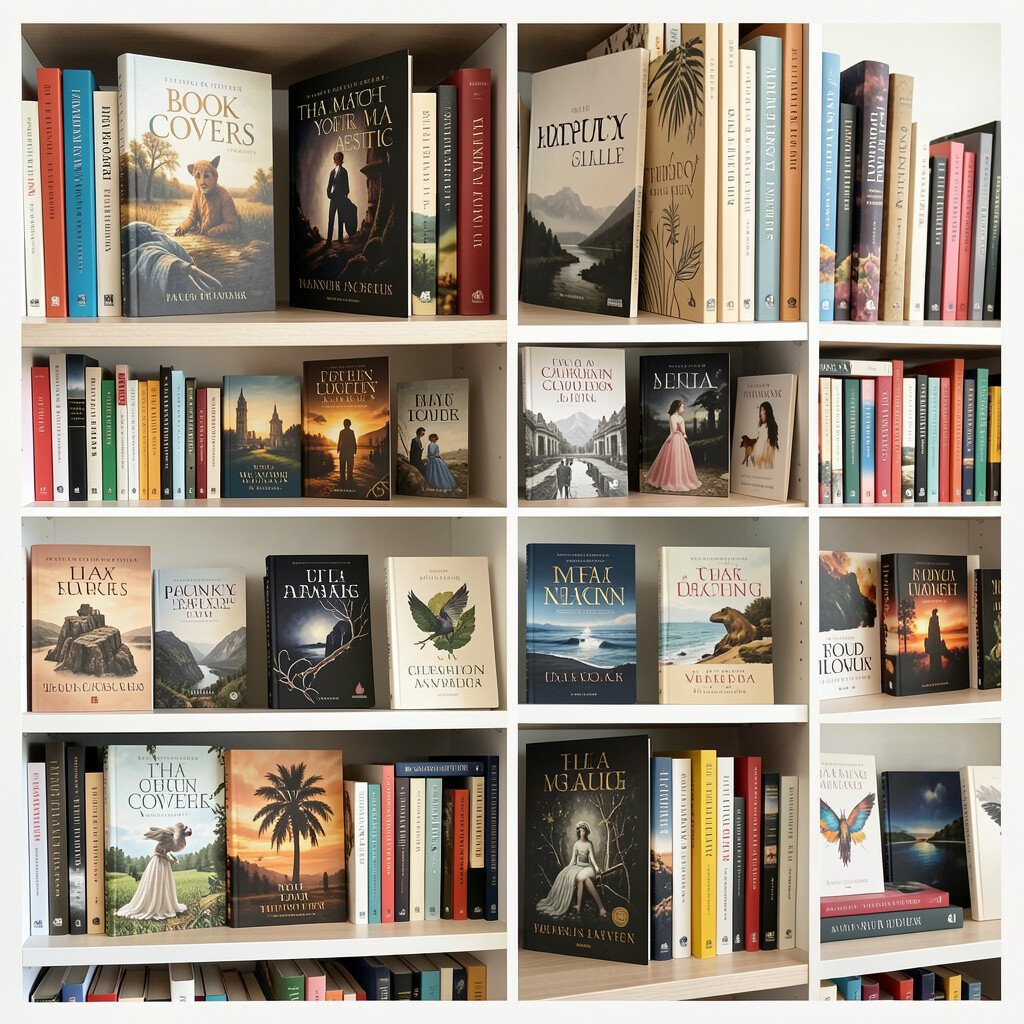
7. Make a “Book Covers That Match Your Aesthetic” Gallery
Make a “Book Covers That Match Your Aesthetic” Gallery
Choose titles whose covers fit your style, like minimalist, vintage, neon, or nature-focused. When you line them up, the visual effect can turn your shelf into a little art gallery.
This collection feels playful and gives you a clear reason to pick up a book, because your eyes already want it. A practical idea is to photograph the shelf and then rotate the display weekly so you stay excited.
If you want to personalize, use color themes based on the room where you read. For cost, swap with friends or use used bookstores, since you can often find matching covers for less money.
8. Create a “Hobbies in Books” Shelf
Create a “Hobbies in Books” Shelf
Pick books tied to hobbies you care about, like cooking, gardening, drawing, coding, or sports. Seeing these covers together makes the shelf feel like a toolkit, not just a stack of stories.
The benefit is that you learn while you enjoy, and reading connects to real life in a natural way. Keep it actionable by setting a tiny link, like reading a chapter, then trying one small thing the same day.
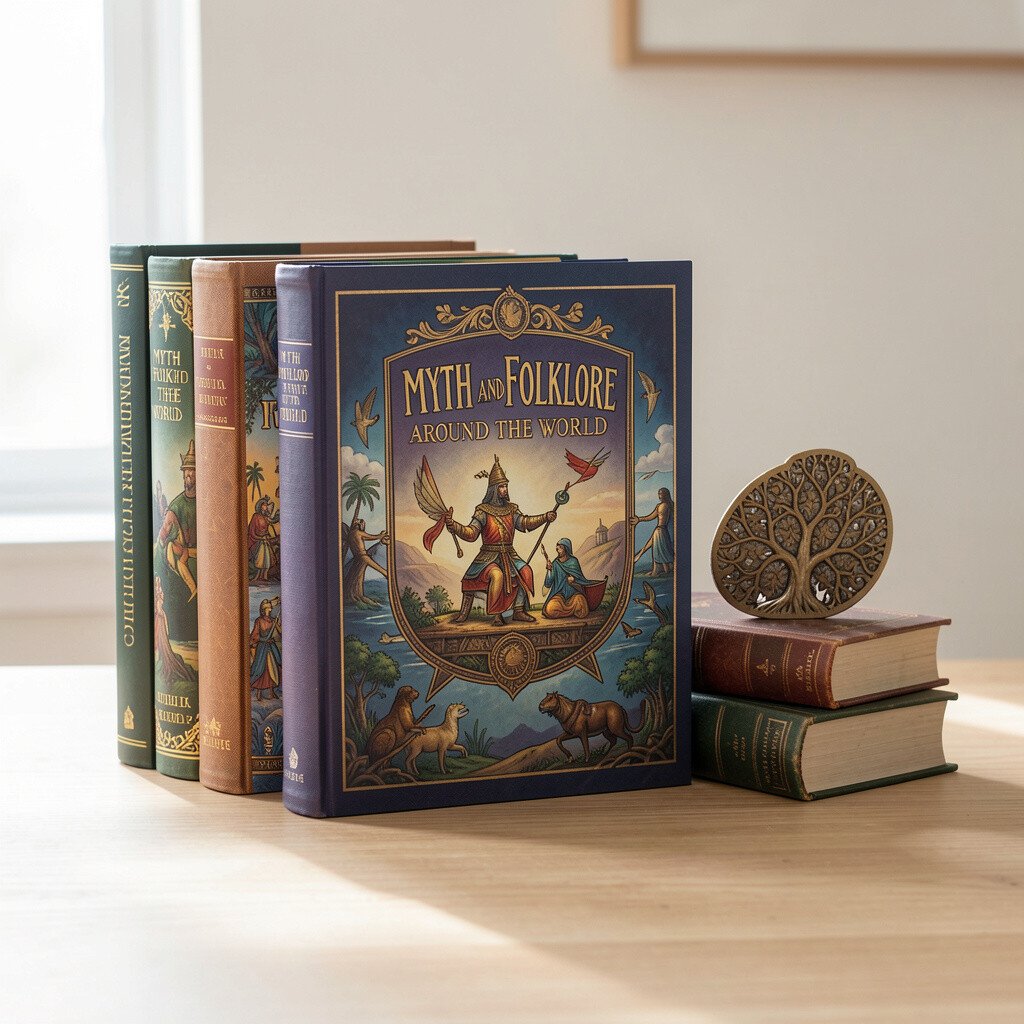
9. Build a “Myth and Folklore Around the World” Collection
Build a “Myth and Folklore Around the World” Collection
Collect retellings of myths and folklore from different cultures and regions. You will notice how each book carries its own visual style, from bold symbols to patterned borders.
This collection is unique because it shows how human questions repeat in different places, like courage, trickery, and love. For practical tips, pick one story per night and summarize it in one or two lines so the themes stick.
Personalize your collection by choosing regions you are curious about, like West Africa, Scandinavia, or South Asia. For cost considerations, use library anthologies or older editions you can find cheaply.
10. Start a “Books I Recommend to Myself” Shelf
Start a “Books I Recommend to Myself” Shelf
Think about what you tell friends, then collect books that match that same advice to yourself. The shelf becomes a mirror of your taste, with covers that feel like your own voice speaking.
This is a benefit because it reduces second-guessing when you pick your next read. A practical approach is to keep a notes folder and write down why you recommended each title to yourself, like “fast plot” or “comfort ending.”
For uniqueness, mix genres, because your own recommendations do not need to follow a rule. When money is tight, prioritize borrowing and only buy signed copies or special editions you truly want to keep.
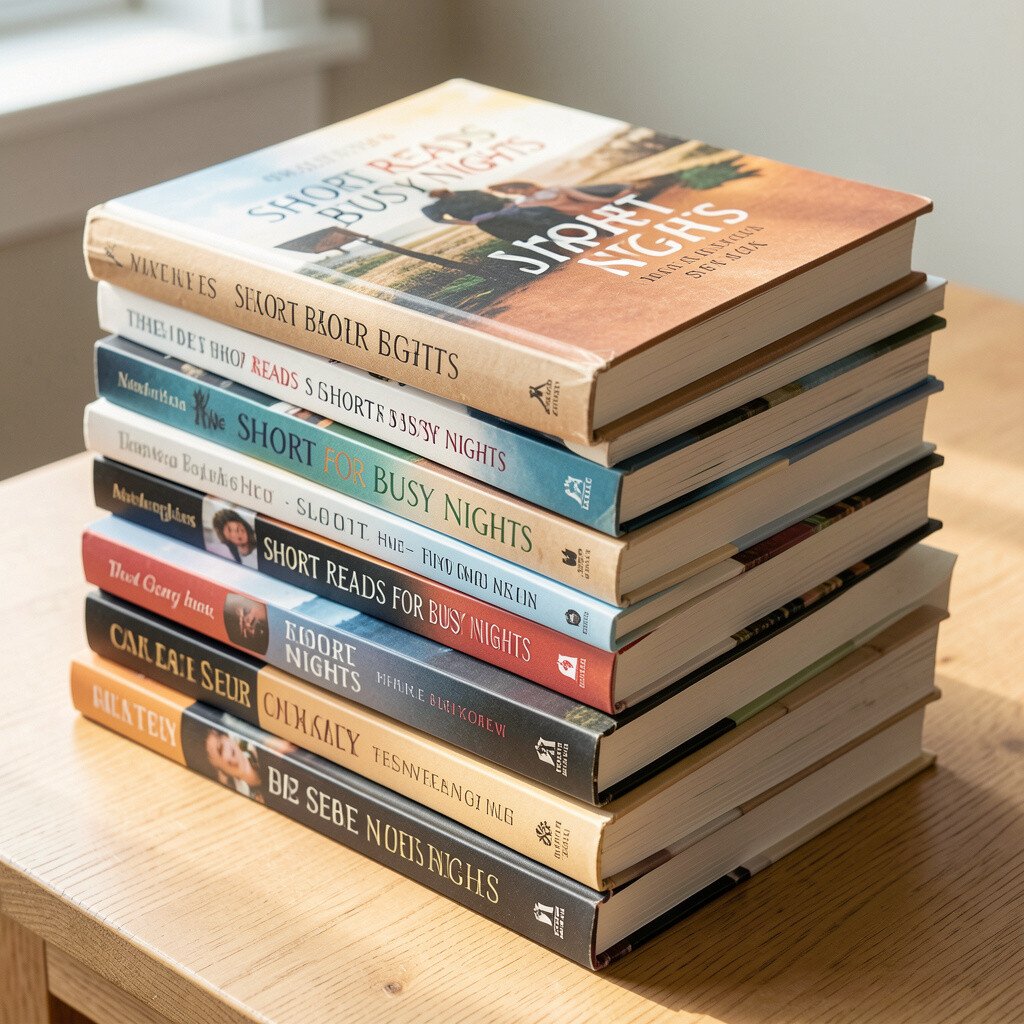
11. Create a “Short Reads for Busy Nights” Stack
Create a “Short Reads for Busy Nights” Stack
Collect books that you can finish quickly, such as short story collections, novellas, and slim romances. They can look tidy on the shelf, with spines that feel light and easy to grab.
This gives you a major benefit during hectic weeks since you still get the feeling of completion. For practical tips, set a reading time that matches your energy, like one story at lunch or a novella after dinner.
Personalize by making a list of your “busy-night settings,” like cozy lamp light or quiet morning coffee. Cost-wise, this collection can stay affordable because short books are often easier to find in paperback or library circulation.
12. Build a “Series Character Timeline” Collection
Build a “Series Character Timeline” Collection
Pick a series you enjoy and organize it in reading order, even if you are not starting at the first book. Seeing the covers in sequence makes the story feel like a journey you can step into right away.
The benefit is that continuity stays clear, so you spend less time rereading details. A practical tip is to keep a tiny marker in the front of each book, noting where the character changes most.
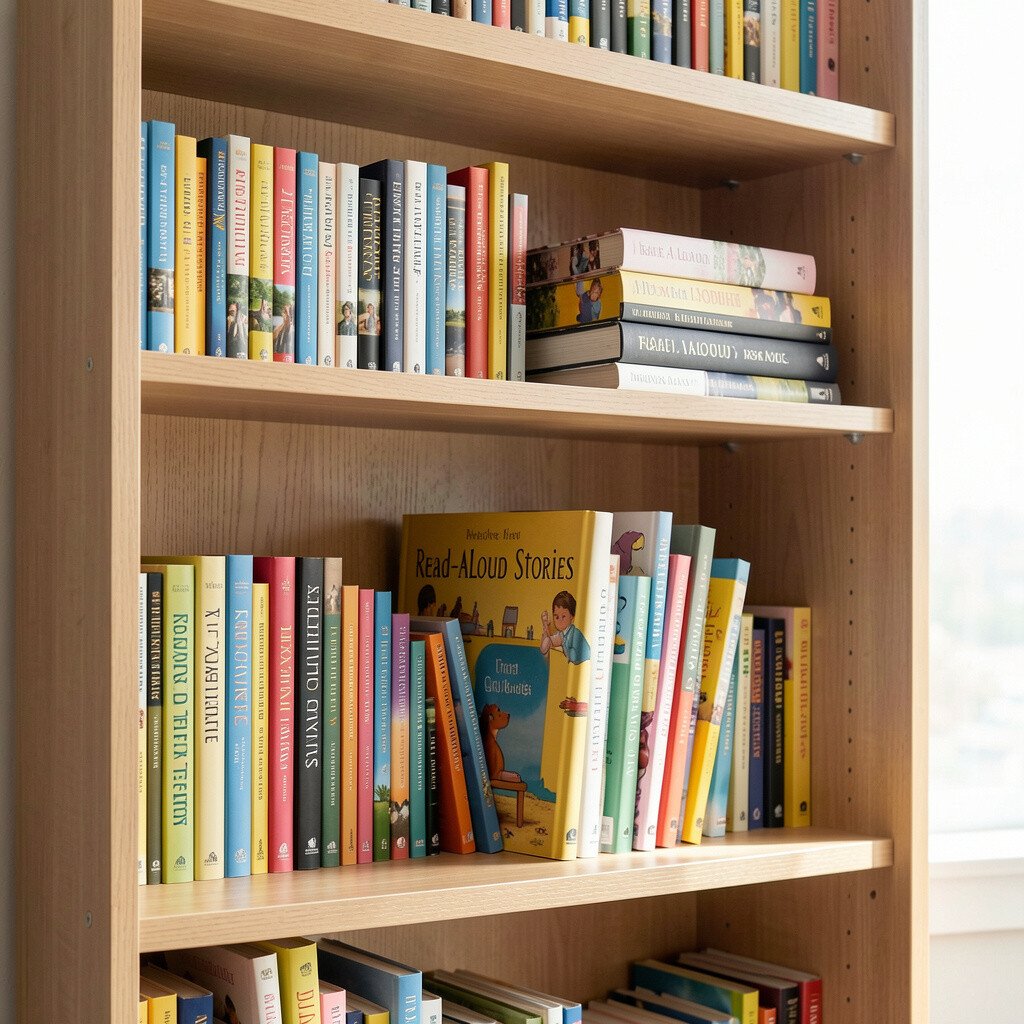
13. Make a “Read-Aloud Stories” Shelf
Make a “Read-Aloud Stories” Shelf
Collect books that sound wonderful when read out loud, such as playful mysteries, fairy tales, or humorous essays. The covers might look friendly and inviting, which helps turn reading into an event.
This collection is unique because it builds connection, whether you read with family or with a friend over video calls. For practical tips, choose stories with strong voices and clear scenes so the listener stays engaged.
Personalize it by picking books that match your tone, like sweet, silly, or spooky, and then try reading them in a few different voices. For cost considerations, borrow copies first, then buy the ones you want to reread together.
14. Start a “Questions I Care About” Collection
Start a “Questions I Care About” Collection
Choose books that answer questions you keep thinking about, like how people heal, how trust works, or what makes a good home. The shelf can look thoughtful, with covers that hint at ideas and big themes.
The benefit is that reading turns into a guided path, not random browsing. Keep it practical by writing your question on a sticky note and matching each book chapter to a part of your answer.
For uniqueness, let your questions change over time, and move books around when your interests shift. Cost-wise, nonfiction can be expensive, so start with library copies or ebooks and buy only if you want to keep references.
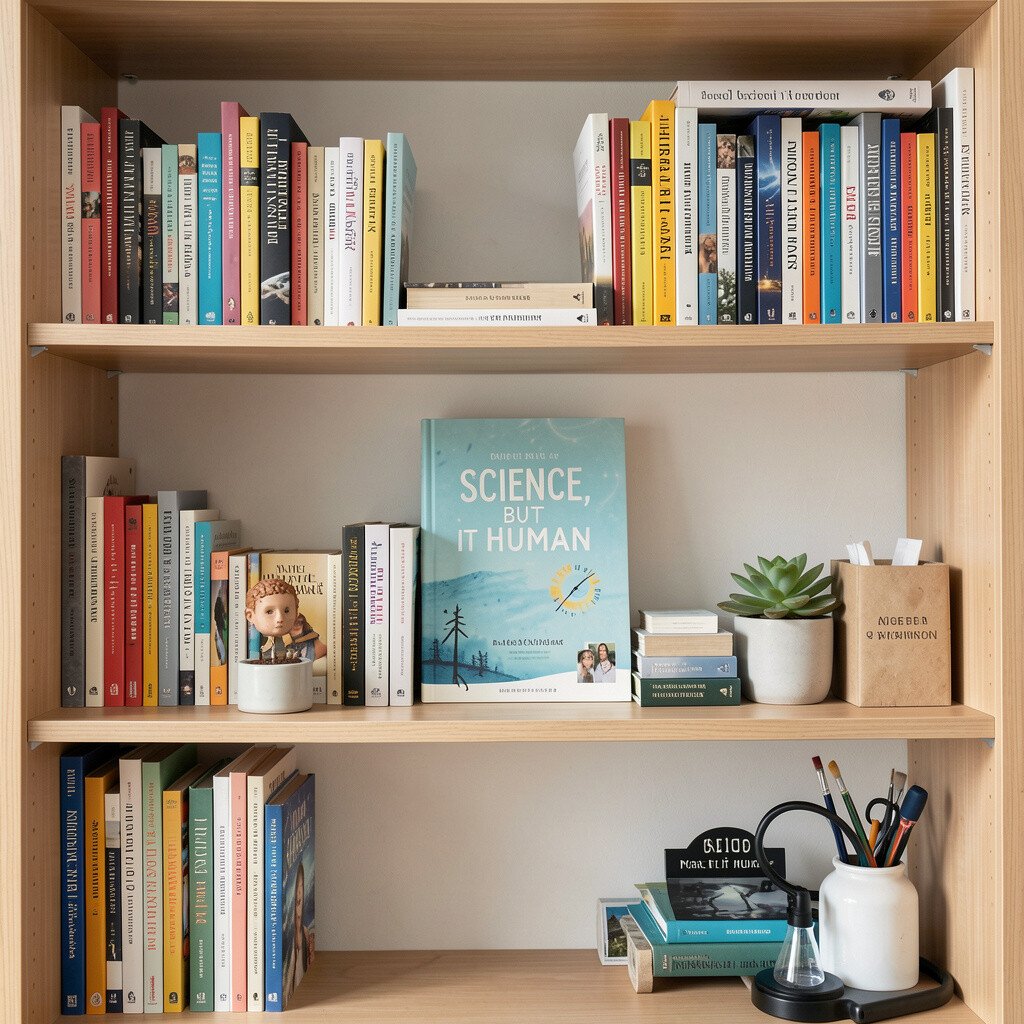
15. Create a “Science, But Make It Human” Shelf
Create a “Science, But Make It Human” Shelf
Collect science books that focus on real people and real stories, like health, space missions, climate impacts, and breakthroughs. Your shelf can look modern and vivid, with covers that often feature crisp photos or bold diagrams.
This is a benefit because it makes complex topics feel readable and relevant to everyday life. For practical tips, read one short section, then talk to someone or write a quick reflection so the ideas land well.
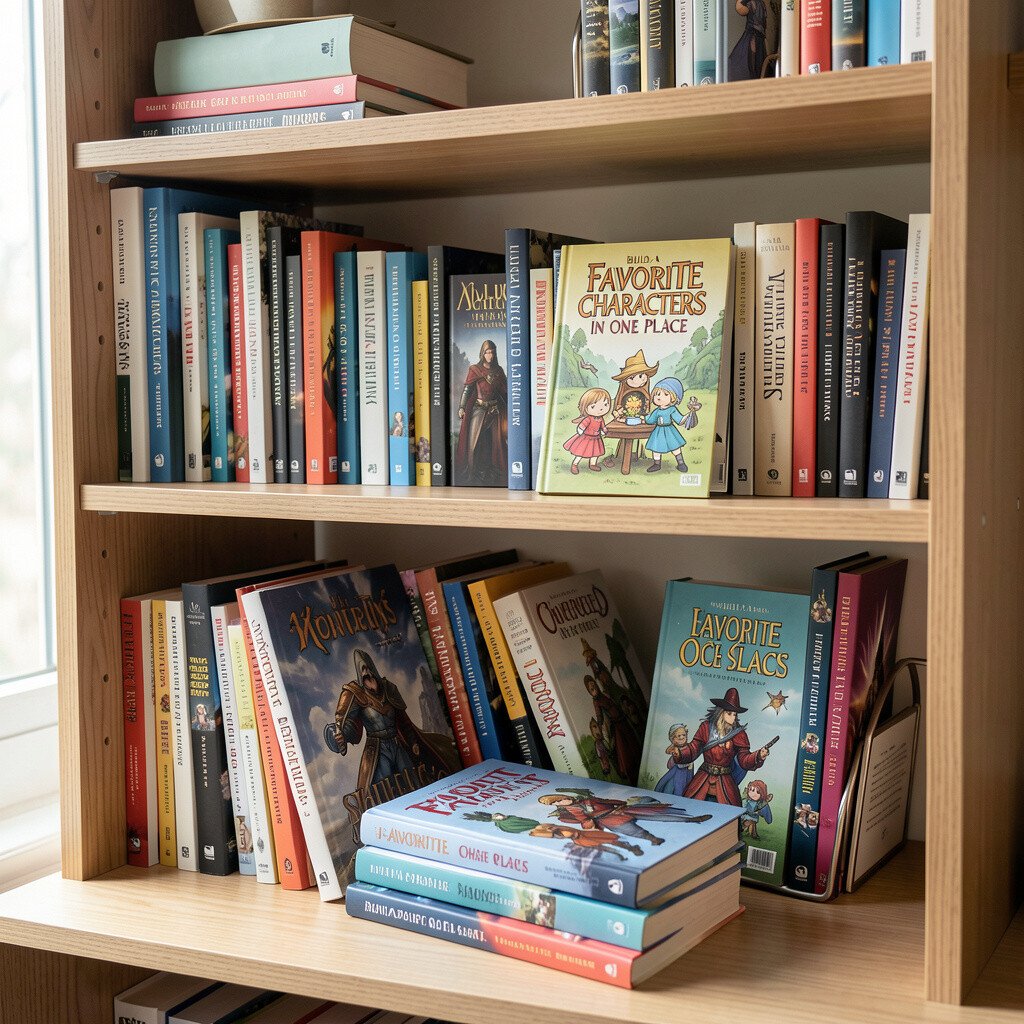
16. Build a “Favorite Characters in One Place” Collection
Build a “Favorite Characters in One Place” Collection
Pick books around characters you love, such as a brave kid, a sharp detective, or a thoughtful mentor. The visual experience is satisfying because your shelf becomes a lineup of distinct personalities.
The benefit is motivation, since you always have someone to look forward to. Personalize your approach by collecting books where those characters share traits, like humor, resilience, or curiosity, even if the genres differ.
For cost considerations, use used bookstores to hunt for older favorites and borrow the rest. A practical tip is to keep a “character wish list” in your notes so your next pick becomes easy when you are shopping.
17. Make a “Seasonal Mood” Reading Collection
Make a “Seasonal Mood” Reading Collection
Organize books by seasons, like cozy winter tales, bright spring adventures, summer romances, or autumn mysteries. The shelf can look like a set of moods, with covers that feel like weather and holiday energy.
This collection benefits your routine because you can predict what kind of story you want without overthinking. Keep it actionable by switching the display area when the weather changes, so you always see your season favorites first.
18. Create a “Local Community Stories” Shelf
Create a “Local Community Stories” Shelf
Collect books written by people in your area or about nearby communities, like hometown histories, local authors, and regional essays. The covers can look familiar, almost like you recognize the streets even when you have never visited the exact place.
The benefit is connection, because reading about your own region can deepen pride and curiosity. For practical tips, attend a local book event or author talk when possible, then add that book to your shelf as proof you were there.
Uniqueness comes from building a shelf that only makes sense to you, not a generic list. Cost considerations can be handled by supporting local bookstores with trade-in deals and choosing first editions only when you feel ready.
19. Start a “Borrow, Test, Keep” Library-to-Shelf System
Start a “Borrow, Test, Keep” Library-to-Shelf System
Create a system where you borrow books first, then decide what earns a permanent spot on your shelf. You can track your testing stack visually, like a rotating tower near where you read.
This collection helps you stay intentional, which is a real benefit because you do not waste time on books you only half enjoy. For practical tips, set a simple rule that you only buy a book if you mark a favorite passage or finish it with a strong reaction.
Personalize the process by deciding what “keeps” means to you, like reread potential, comfort value, or learning usefulness. For cost considerations, this approach is low-risk and it matches current trends like ebook borrowing and library holds that people use to stay flexible.