1. Wooden Building Blocks With Big Picture Prompts
Wooden Building Blocks With Big Picture Prompts
Picture a box of chunky blocks in cheerful colors, stacked like little towers waiting to grow. Some sets also come with simple picture cards showing shapes and scenes to recreate.
Blocks build fine motor strength as kids grasp, line up, and press pieces into place. They also support early math skills like size, patterns, and balance. For personalization, you can include a note with your child’s favorite animal or a family photo turned into a “build this scene” prompt.
2. Sensory Foam Letters And Name Tracing Mats
Sensory Foam Letters And Name Tracing Mats
Imagine soft foam letters that feel warm and friendly in small palms. A mat with lines and curves guides little learners as they trace slowly.
This kind of gift helps kids practice letter recognition and early writing habits without frustration. It also gives sensory input that can calm wiggly energy while focusing attention.
To keep it practical, choose wipe-clean foam and add a small reusable pouch for storage. Consider spelling their name first, then adding one or two letters they love from a favorite word like “cat” or “sun.” If you’re budgeting, look for sets that include only the needed letters and buy extras later.
3. “Feel And Match” Texture Boards For Cozy Exploration
“Feel And Match” Texture Boards For Cozy Exploration
Think of a board with a neat row of surfaces, from bumpy to smooth, each one inviting a gentle touch. Kids can press, rub, and sort while watching their own hands work.
Texture exploration strengthens sensory awareness and supports vocabulary growth as children describe what they feel. It can also reduce overstimulation because the activity has a clear structure and a calm pace.
For a unique twist, pick a set that uses everyday textures like fabric, cord, and rubber. You can personalize by matching textures to things in their world, such as “blanket” or “tree bark,” using simple word cards you write on index cards. If the price feels high, even single boards are great because quality textures last through lots of play.
4. Mini Storybox With Felt Characters And Starter Scenes
Mini Storybox With Felt Characters And Starter Scenes
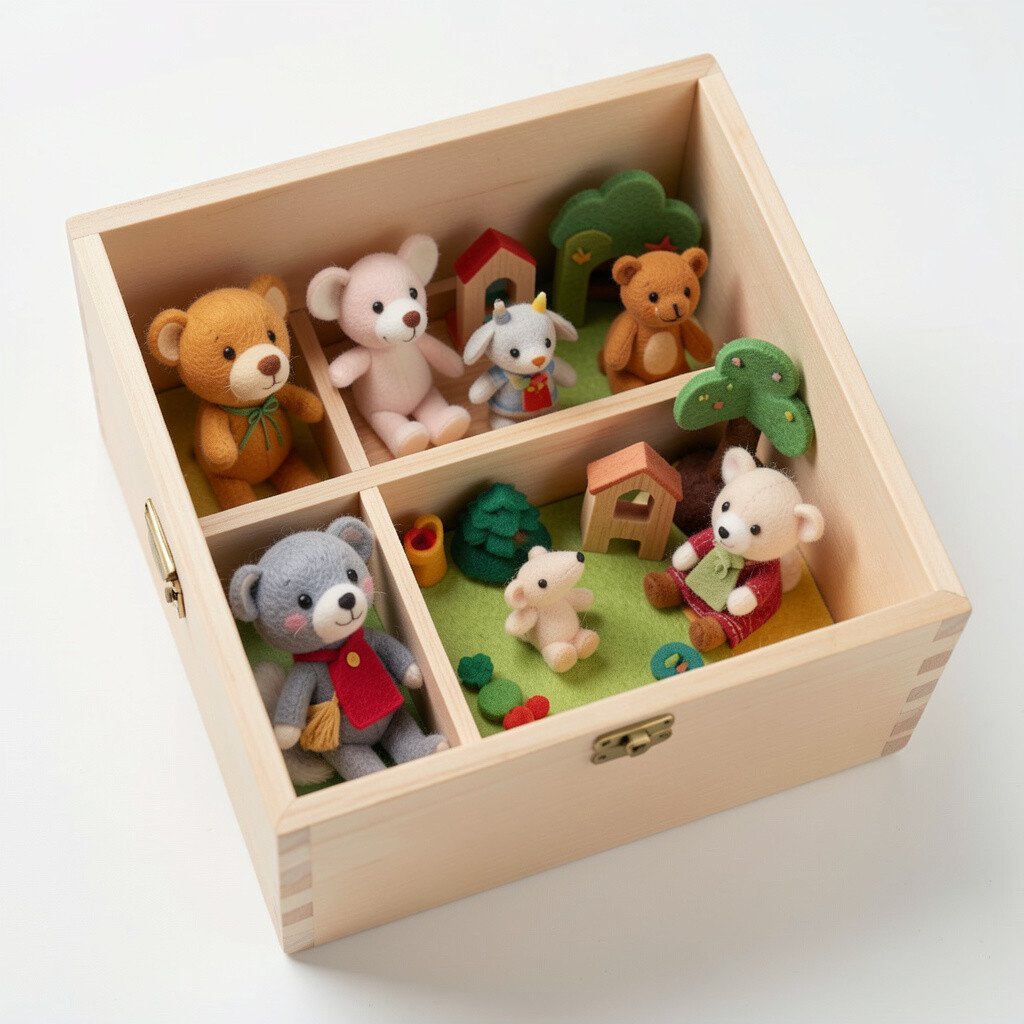
Picture a small, sturdy box opening to reveal felt characters, soft backgrounds, and tiny props. It looks like a magical theater that can fit on a lap or a small table.
This gift supports language skills as children retell stories and invent new ones. It also strengthens sequencing, listening, and confidence in speaking.
Try personalization by choosing characters that match their favorite bedtime tales or adding a school-friendly character set like a friendly kid, a pet, and a teacher. If you want to manage cost, buy one themed box first, then add a few extra felt pieces from the same brand. Pair it with a paperback book so kids can act along with the pages.
5. Chunky Crayon Set With Paper Roll “Doodles”
Chunky Crayon Set With Paper Roll “Doodles”
See thick crayons that glide easily, with wrappers in bright colors. Add long paper rolls and you get an instant space for scribbles and big artwork.
Easy-to-grip crayons build confidence because kids can mark without heavy pressure. They also support creativity and early fine motor control for later drawing and writing.
For practical use, keep a small caddy that holds a few crayons at a time to reduce mess. Personalize the doodle roll by labeling it with their name and adding a monthly theme like “rainbows” or “dinosaurs.” If you’re watching your budget, choose a quality set with replaceable refill options or fewer colors that still cover primary shades.
6. Water Wow! Reusable Painting Pages
Water Wow! Reusable Painting Pages
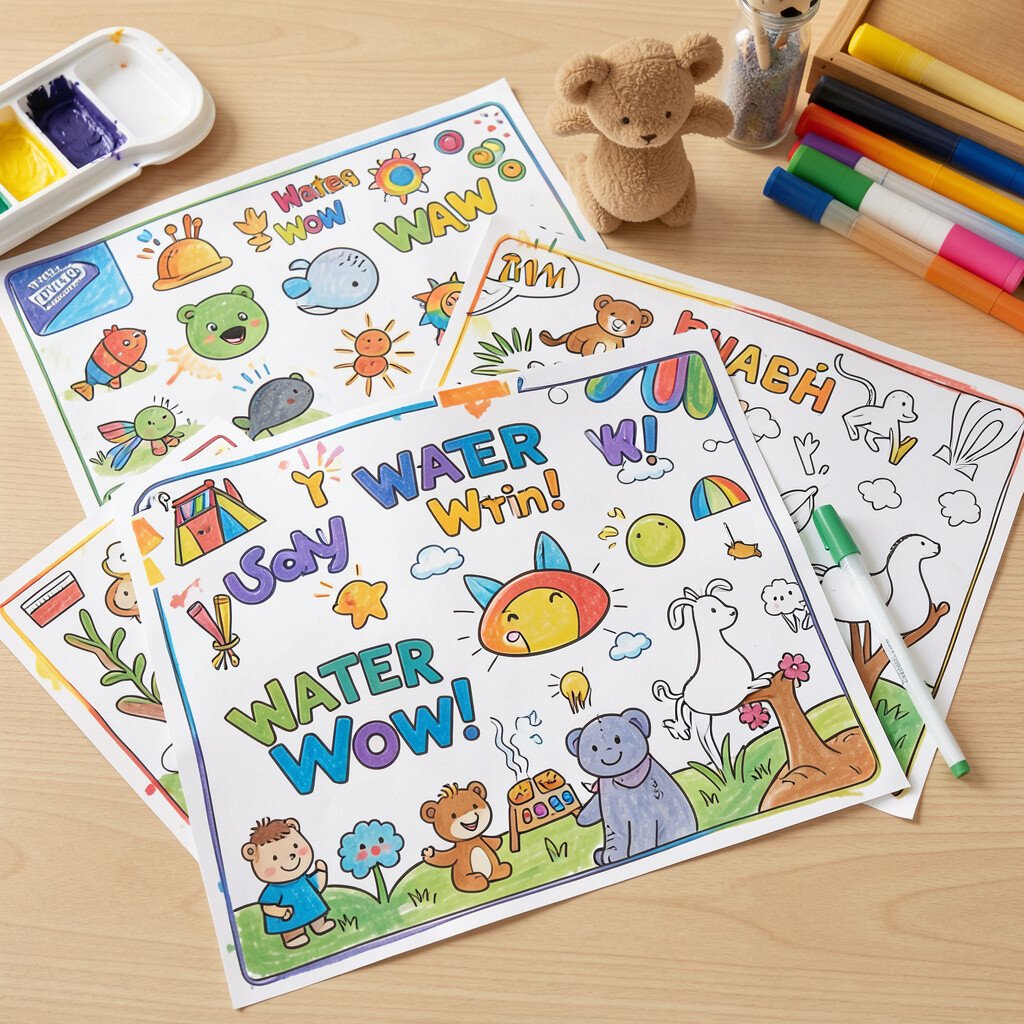
Imagine a pen-like tool that holds water, gliding over pages that slowly reveal colors. The artwork appears like a gentle watercolor sketch, then fades when it dries.
This is a practical way to practice imagination without spills taking over the floor. It helps kids build hand control, patience, and early visual planning as they decide where to paint next.
7. Counting Bears With Storage Bags And Simple Patterns
Counting Bears With Storage Bags And Simple Patterns
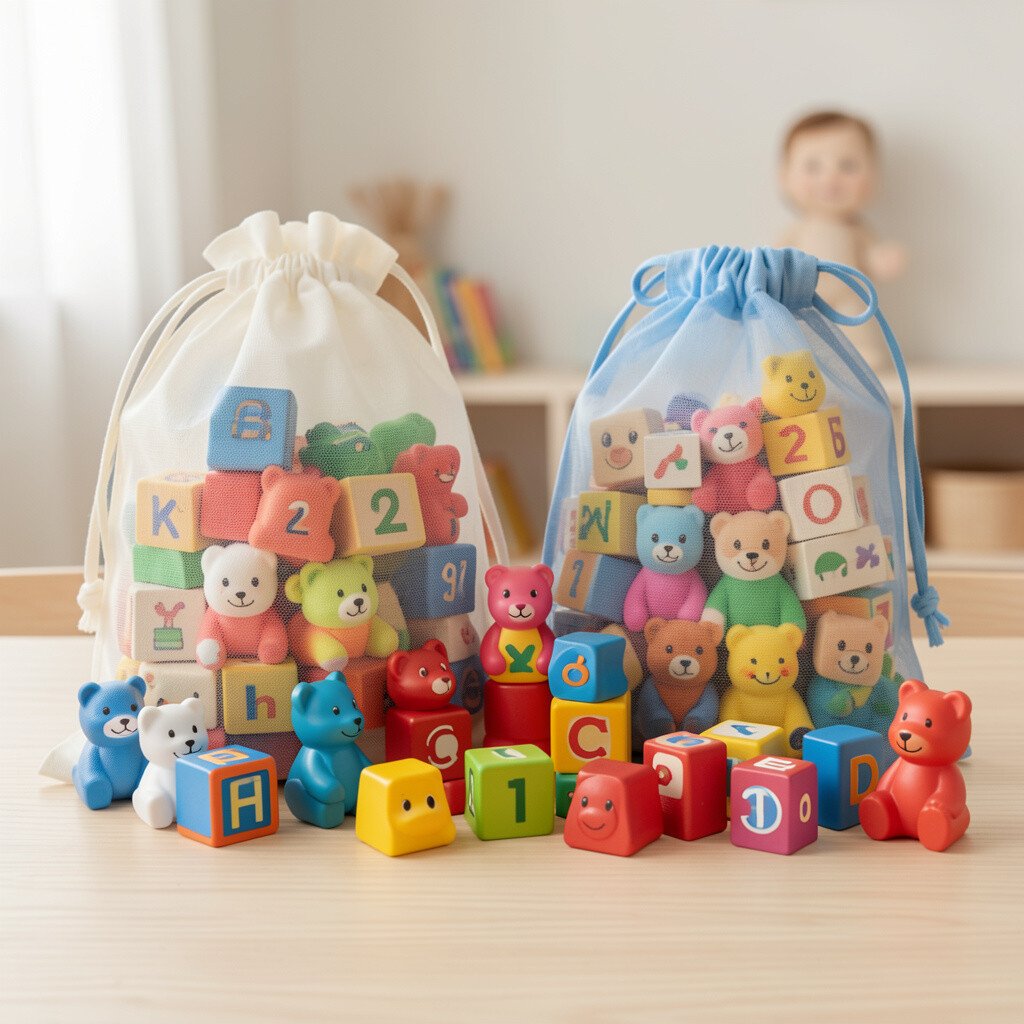
Picture little bears lined up in rows, some with tiny accessories and bright painted faces. They look friendly and ready for sorting and counting games.
Counting objects support early number sense, one-to-one correspondence, and simple problem solving. They also encourage pretend play, which helps children practice social thinking through role-based stories.
For personalization, you can attach name labels and color-code bears to match their rooms or favorite holiday theme. Use practical tips like starting with just one skill at a time, such as “more” and “less” or “same color” sorting. To manage costs, look for sets that include storage and enough pieces for group games rather than very large but empty add-ons.
8. Magnet Tile Pictures For Calm, Creative Building
Magnet Tile Pictures For Calm, Creative Building
Think of colorful tiles that click together with gentle pull, forming squares, roads, or abstract shapes. A picture card can show a simple design that grows with each connection.
Magnet play supports spatial reasoning and early engineering thinking. It also improves fine motor coordination and teaches kids to follow steps while still allowing free creativity.
9. Pretend Play Kitchen Tools With Safe Silicone Accessories
Pretend Play Kitchen Tools With Safe Silicone Accessories
Imagine a tiny ladle, whisk, and spatula made for little hands, sitting beside toy bowls and cups. Everything looks like a miniature kitchen ready for delicious pretend adventures.
Pretend cooking strengthens language, turn-taking, and emotional comfort because kids act out real-life routines. It also supports self-regulation as children learn to wait, share, and cooperate in a play scene.
Personalize the set by adding a “family recipe” card written simply with your child’s input, like “stir, pour, and taste.” For practical safety, choose silicone or rounded edges and keep tools in a designated bin. Cost can vary, so consider buying fewer pieces that get used often, like a spoon, cup, and mixing bowl, rather than a large kit.
10. Farm-To-Table Play Dough Kit With Color Guide Cards
Farm-To-Table Play Dough Kit With Color Guide Cards
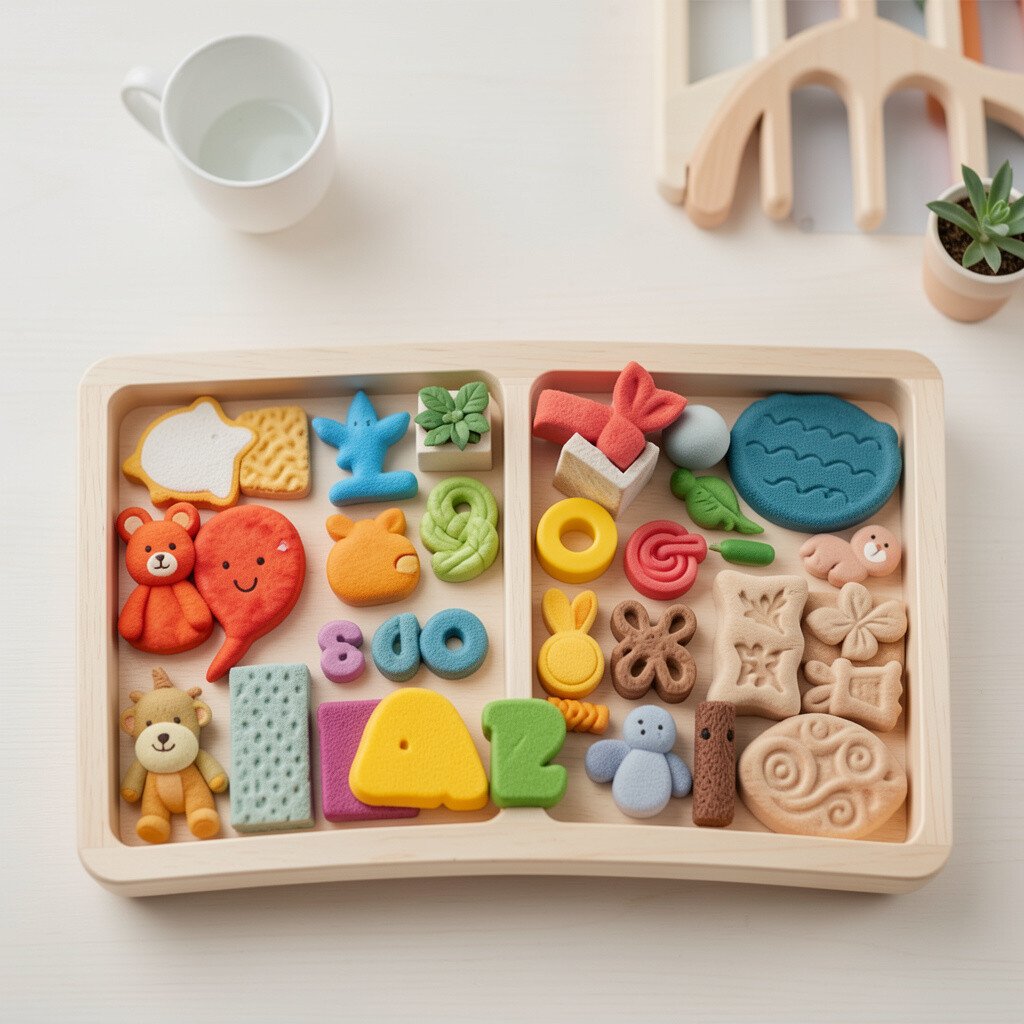
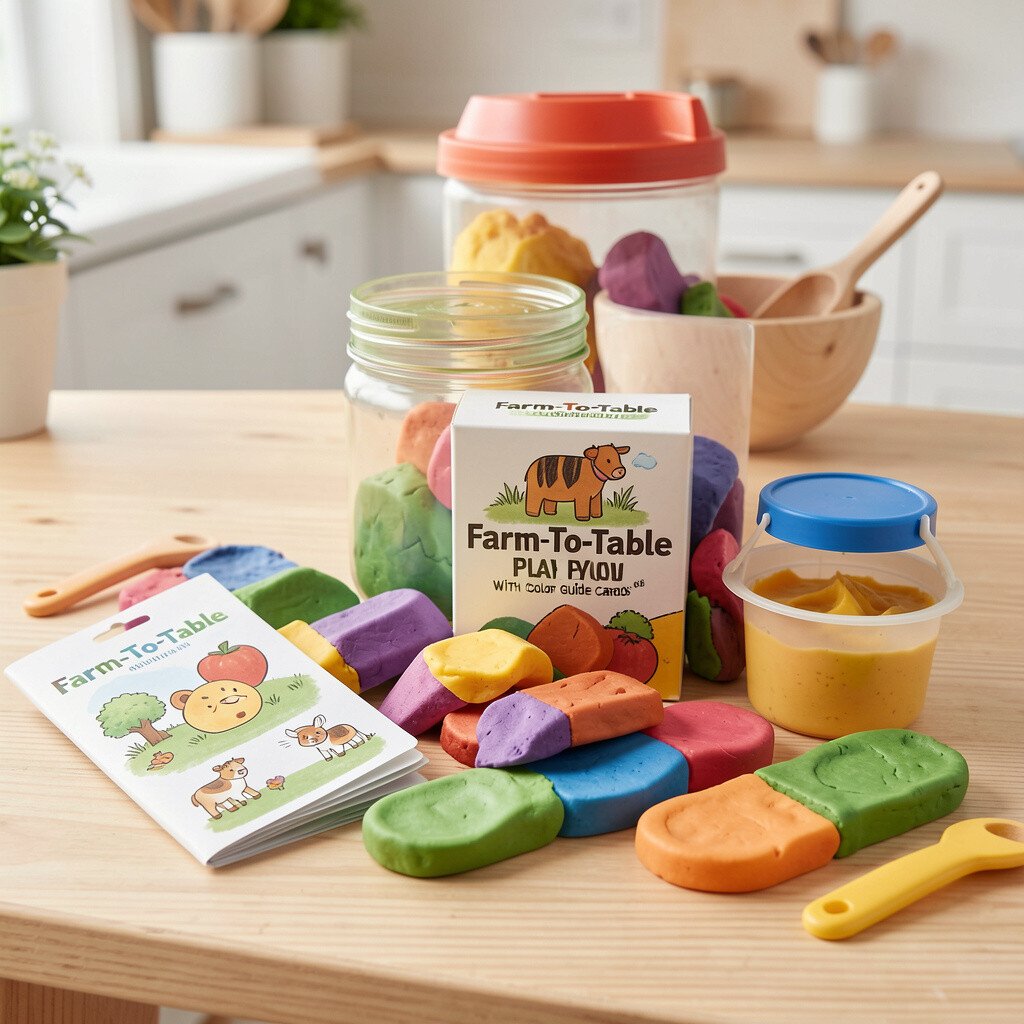
Picture three or four jars of soft dough in bright colors, with a small guide sheet showing what you can make. The set feels like a mini studio for hands that love to squish and shape.
Play dough builds hand strength, finger control, and creativity through repeated shaping practice. It also helps kids learn sensory routines since kneading and rolling can be a calming activity.
11. Chunky Pattern Blocks With Wheels For Rolling Designs
Chunky Pattern Blocks With Wheels For Rolling Designs
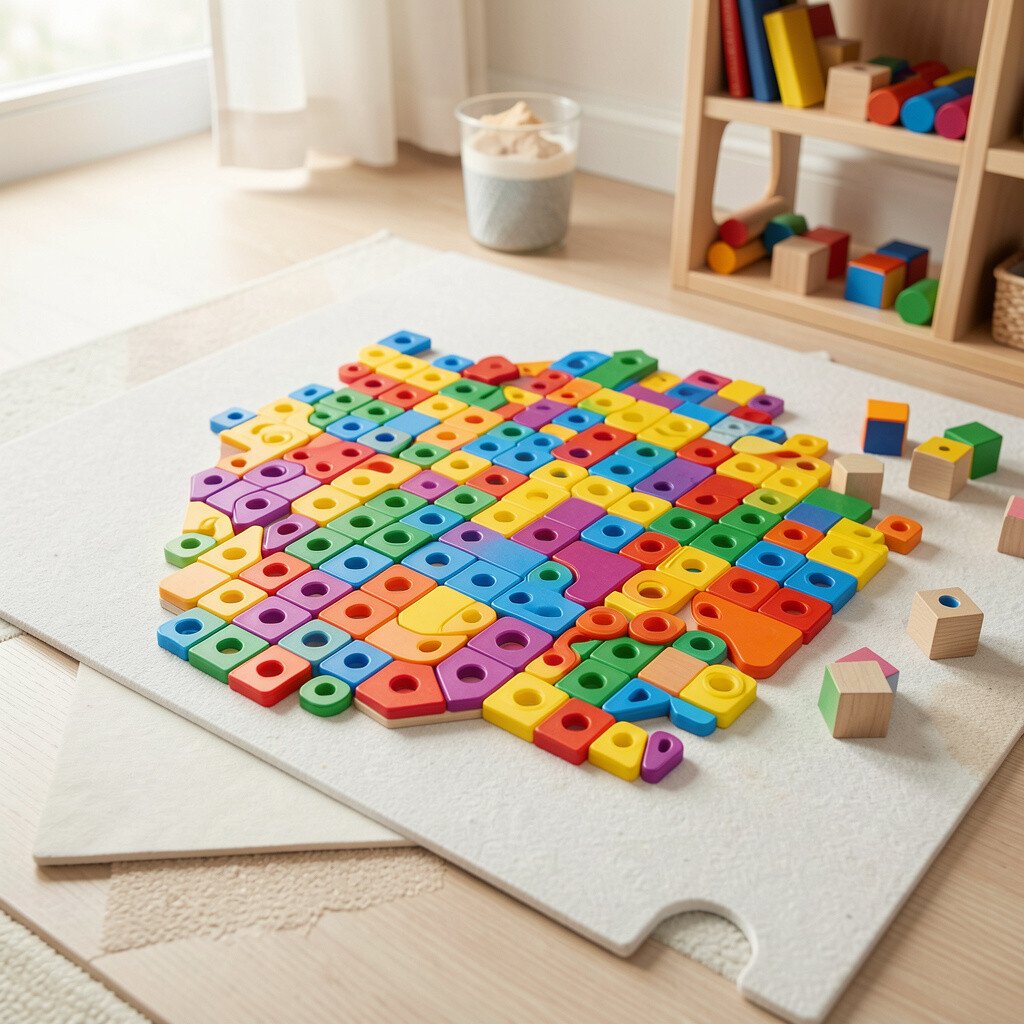
See hexagons, triangles, and shapes that fit together like a puzzle, plus wheels that help wheels-and-roads play. A child can build a picture, then roll a shape along the path.
Pattern blocks support geometry thinking, early fractions, and color sorting skills. Rolling designs also encourage active movement, which is great for restless kids who learn better with motion.
To personalize, match the colors to their favorite story or classroom theme, like space, sea, or jungle. A practical approach is to start with one shape at a time, such as triangles for simple stacking. For cost, choose a set with durable pieces and a storage tray so everything stays easy to find.
12. Listening Tubes And Sound Matching Cards
Listening Tubes And Sound Matching Cards
Imagine clear tubes filled with safe materials that make different sounds when shaken gently. Matching cards show pictures, turning hearing into a fun guessing game.
This gift supports auditory discrimination and early science curiosity. Kids learn to pay attention, compare sounds, and build vocabulary by describing how each one feels in their ears.
13. Dress-Up Set With Weather Themes And Velcro Closures
Dress-Up Set With Weather Themes And Velcro Closures
Picture a soft cape, hat, and simple outfits in rainy-day and sunny-day colors. Velcro makes it easy for little fingers to manage without big frustration.
Dress-up supports confidence, storytelling, and social play because kids act out roles they admire. It also builds fine motor skills as they practice opening, closing, and adjusting accessories.
Personalize by adding a small “weather journal” card where they can choose a story for each outfit, like “storm helper” or “sunshine gardener.” For practical use, look for machine-washable fabrics and sturdy seams. If you want to keep costs lower, focus on two hero pieces, such as a cape and a hat, and let those carry the whole play set.
14. Alphabet Puzzle With Photo Tiles And Easy Sorting
Alphabet Puzzle With Photo Tiles And Easy Sorting
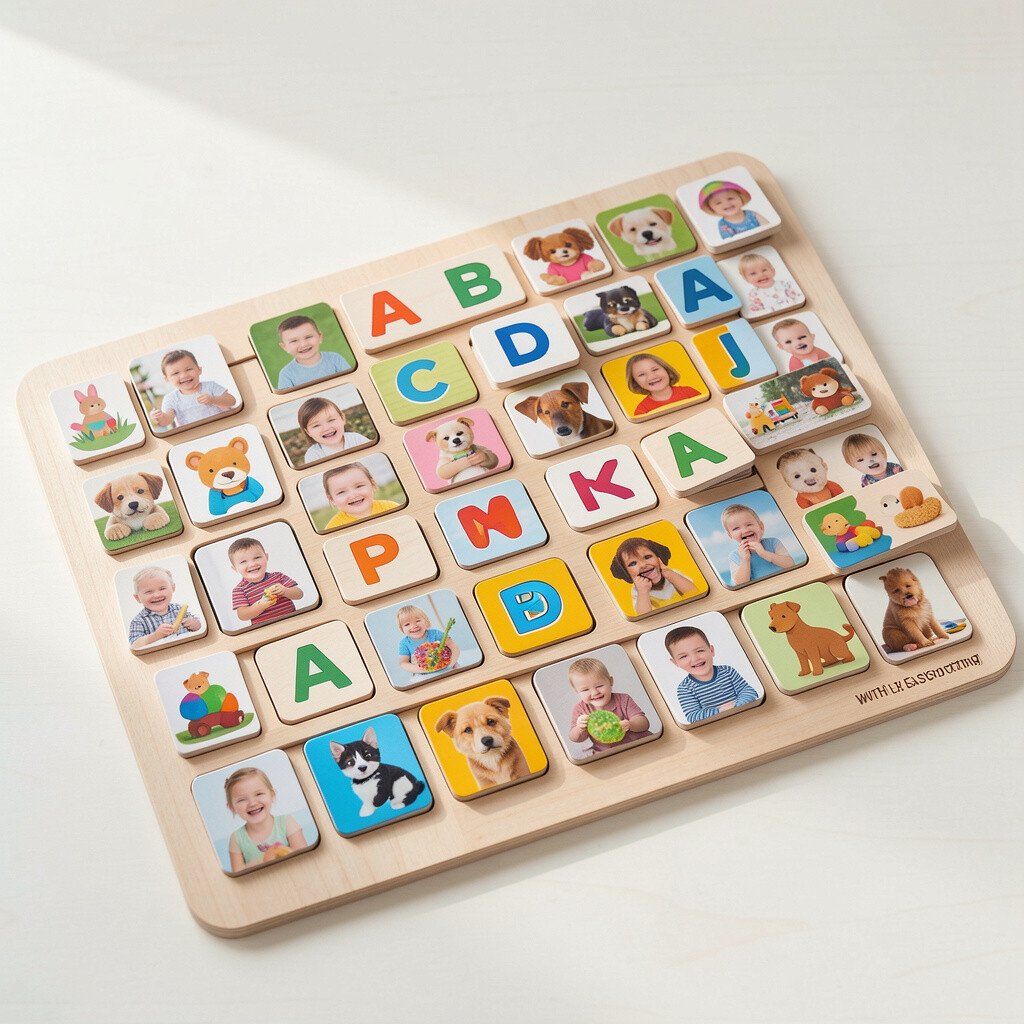
Think of a puzzle that shows letters with matching pictures, each piece thick enough for small hands. Bright photos help kids connect sounds to real objects they know.
Letter puzzles strengthen recognition, problem solving, and spatial reasoning. They also provide a satisfying challenge that feels like play, especially when pieces stay chunky and easy to grip.
15. Transportation Tray With Cars, Road Cards, And Parking Spots
Transportation Tray With Cars, Road Cards, And Parking Spots
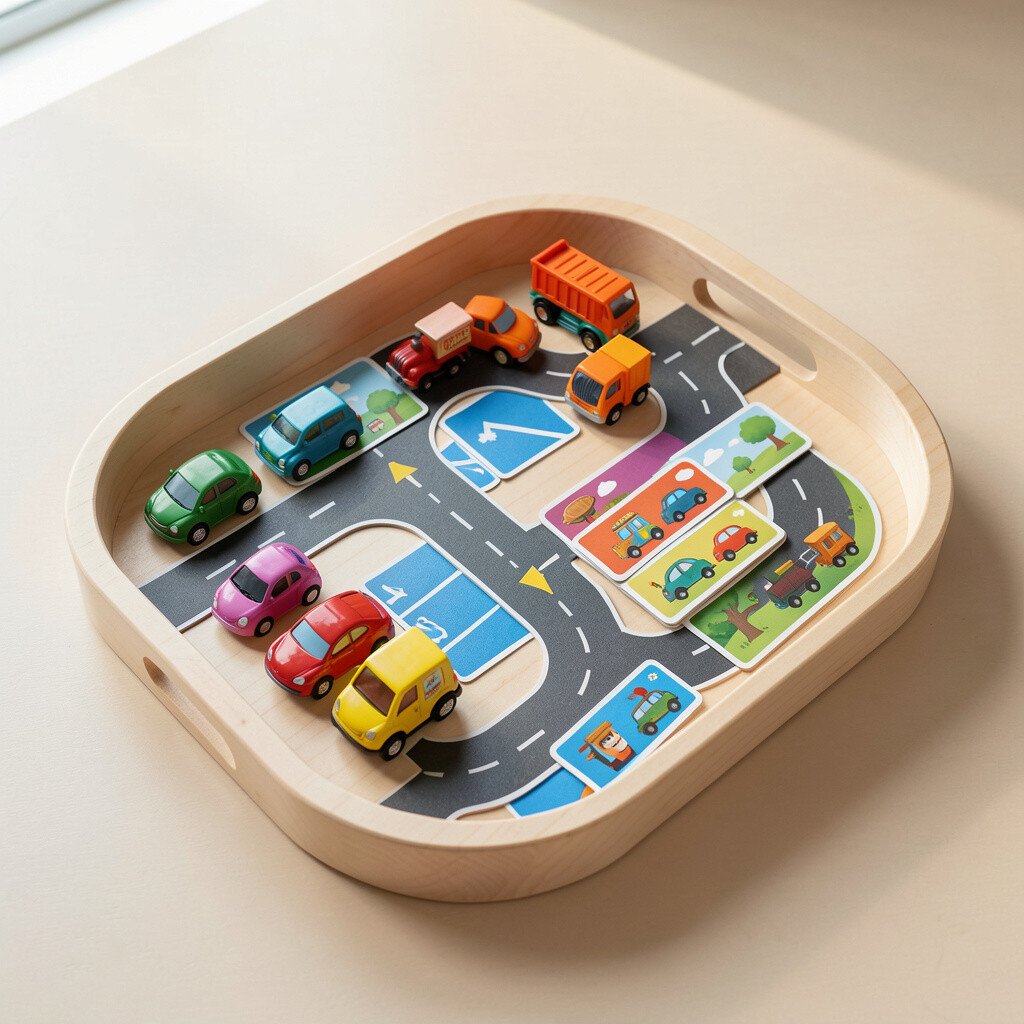
Imagine small cars lined up like a mini garage, with road cards showing turns and lanes. There are parking spots where each car has its place.
Transportation play helps kids learn direction concepts, counting, and cause-and-effect thinking. It also encourages cooperation as children build a shared route and take turns driving.
For personalization, use road cards that match their favorite places, like a “zoo route” or “space station road.” Practical tips include setting up a tray barrier to keep cars corralled and quick to clean. To manage cost, choose a road-card system you can expand over time, rather than buying many car duplicates at once.
16. Toddler-Friendly Gardening Tool Set With Seed Starter Cups
Toddler-Friendly Gardening Tool Set With Seed Starter Cups
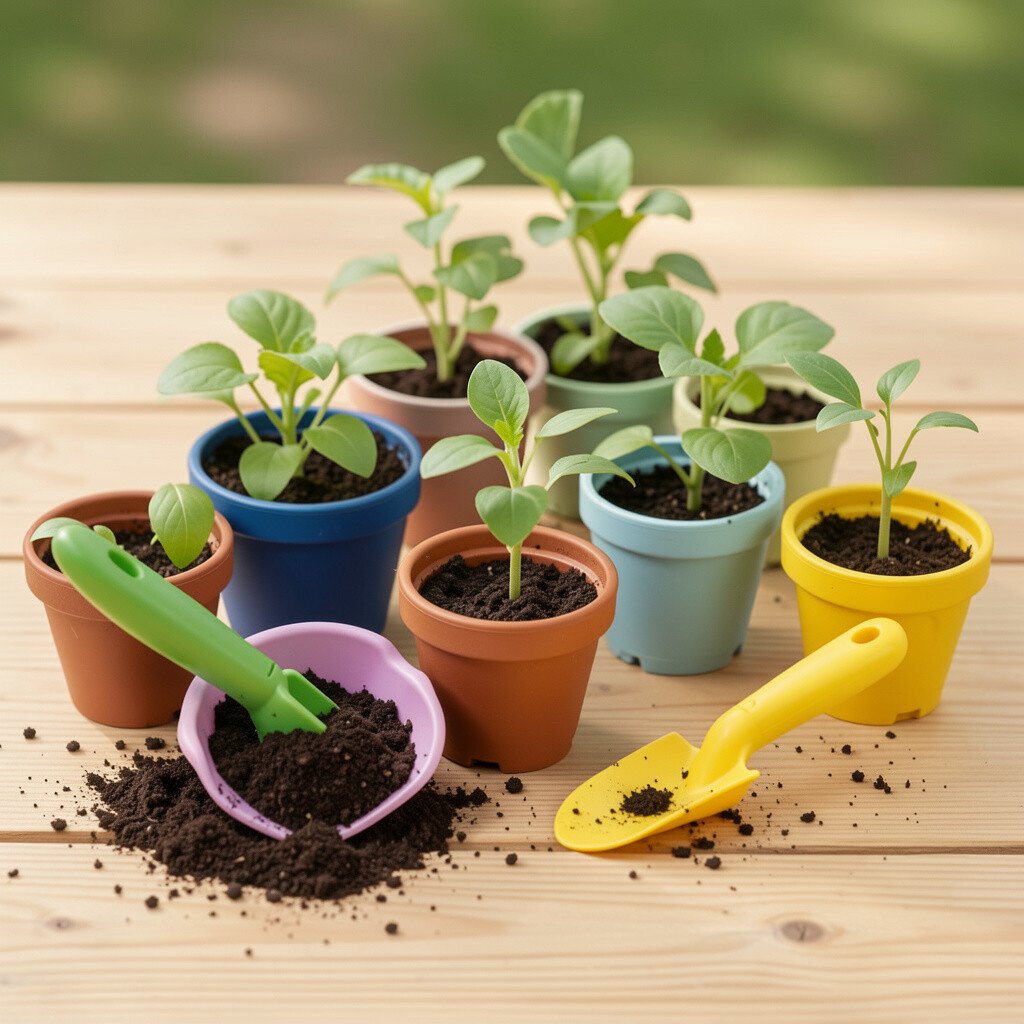
Picture tiny gloves, a small shovel, and cups of soil lined up for planting. A child can watch seeds pop up like little miracles over time.
Gardening supports science curiosity, responsibility, and patience as kids care for living things. It also strengthens coordination while using tools safely and carefully.
17. Balance Board With Animal Walk Cards For Indoor Movement
Balance Board With Animal Walk Cards For Indoor Movement
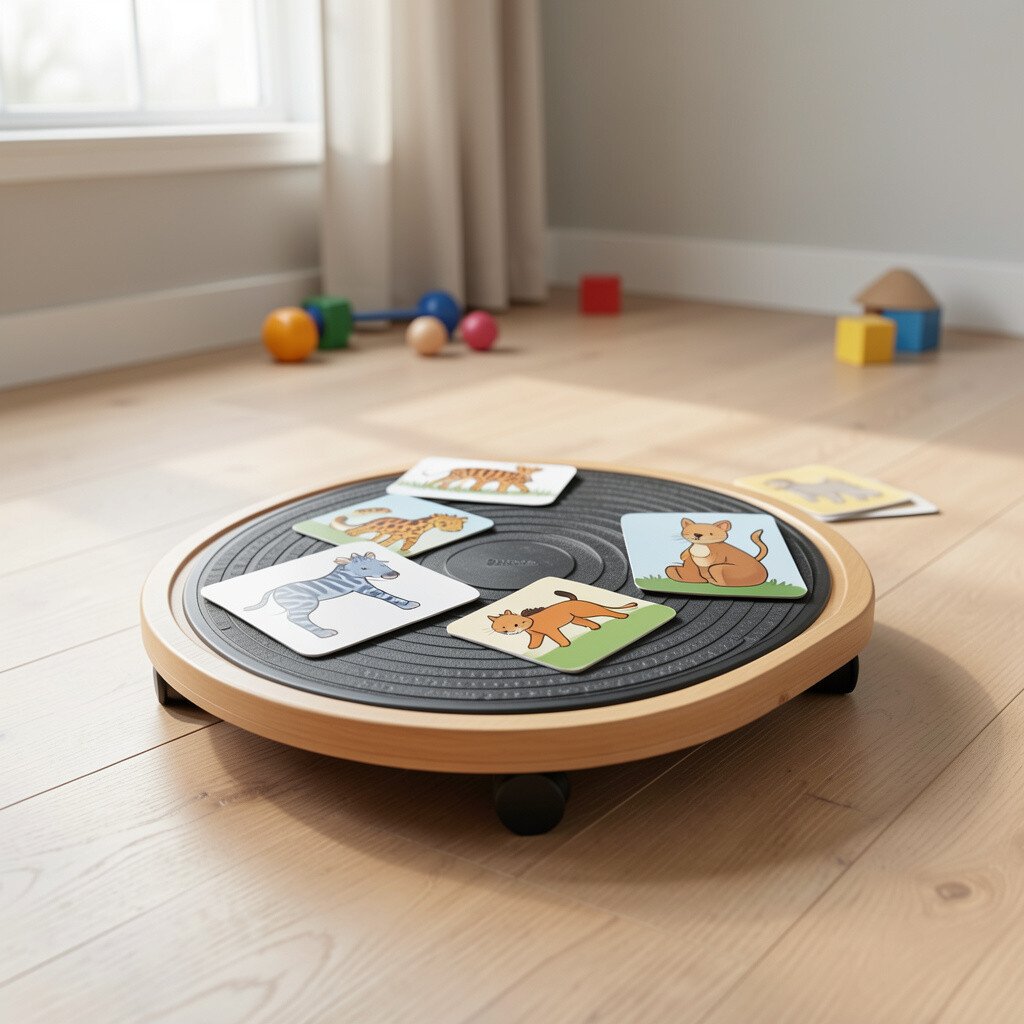
See a small balance board with a smooth top, like a gentle bridge for animal walks. Cards show poses such as “bear walk” or “frog hop,” making the exercise playful.
Movement gifts support gross motor development, coordination, and core strength. They also help kids regulate their energy, which can improve focus during quieter activities afterward.
Personalize by choosing animal cards tied to their interests and creating a “walk route” on the floor with painter’s tape. For practical safety, place it on a clear mat area and supervise closely during early use. Cost varies, so consider whether your space can handle a balance board first, or pick a thinner option if you need easier storage.
18. Lacing Beads Or Thread-Through Cards For Steady Hands
Lacing Beads Or Thread-Through Cards For Steady Hands
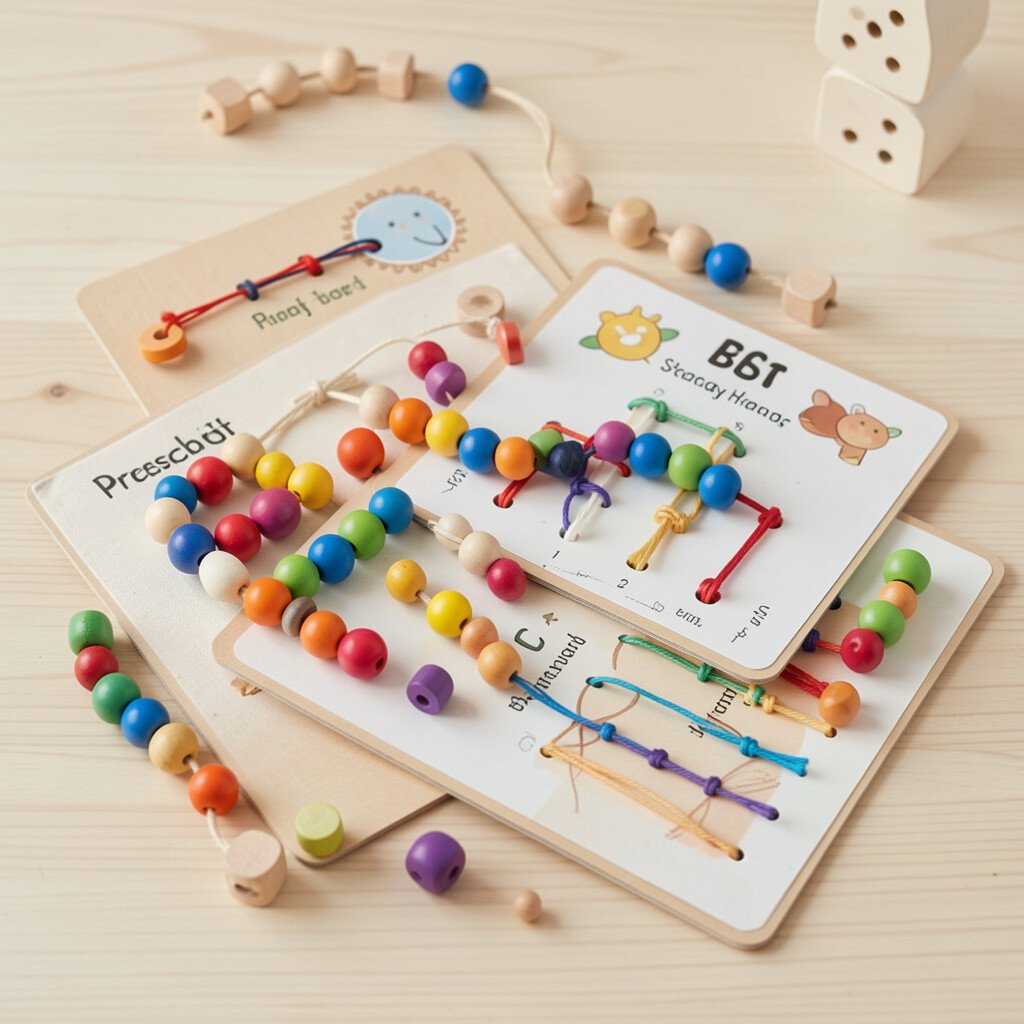
Picture colorful beads with large holes, plus card templates showing paths to follow. Kids pull thread through, creating a wearable pattern or a fun woven design.
Lacing improves fine motor control, hand-eye coordination, and concentration. It also teaches planning, because kids need to match the path and keep tension steady.
For personalization, choose templates that match a theme like stars, hearts, or their name letters. Use practical tips like starting with thicker cords and using a bead that slides easily at first, then gradually making it trickier. If you’re budget-conscious, look for starter kits with a few templates and extra cords you can reuse across designs.
19. Family Photo Memory Cards With Simple Turn-Taking Rules
Family Photo Memory Cards With Simple Turn-Taking Rules
Imagine pairs of sturdy photo cards showing family members, pets, and favorite places. The set feels meaningful and gives kids a reason to connect familiar faces with gentle game time.
Memory games support attention, visual processing, and early social skills like turn-taking. They also bring comfort because the pictures reflect real life the child recognizes.
Personalize by using photos you already have and choosing a theme like “grandparents,” “park,” or “favorite toys.” For practical cost control, print photos onto cardstock and keep them in a small sleeve set, then you can replace cards as the child grows. Pair the game with a simple routine, like playing after snack, so it becomes a cozy, predictable habit.