Pick one corner of the room and hang a simple welcome banner there so it becomes a visual “home base” for the theme. Use colorful paper, a few cut-out shapes, and one clear message that matches the day’s focus.
Students will love noticing it right away, and it helps their brains lock onto the routine of learning. Keep it easy by using a stapled strip or painter’s tape, then swap the banner each week without remaking everything.
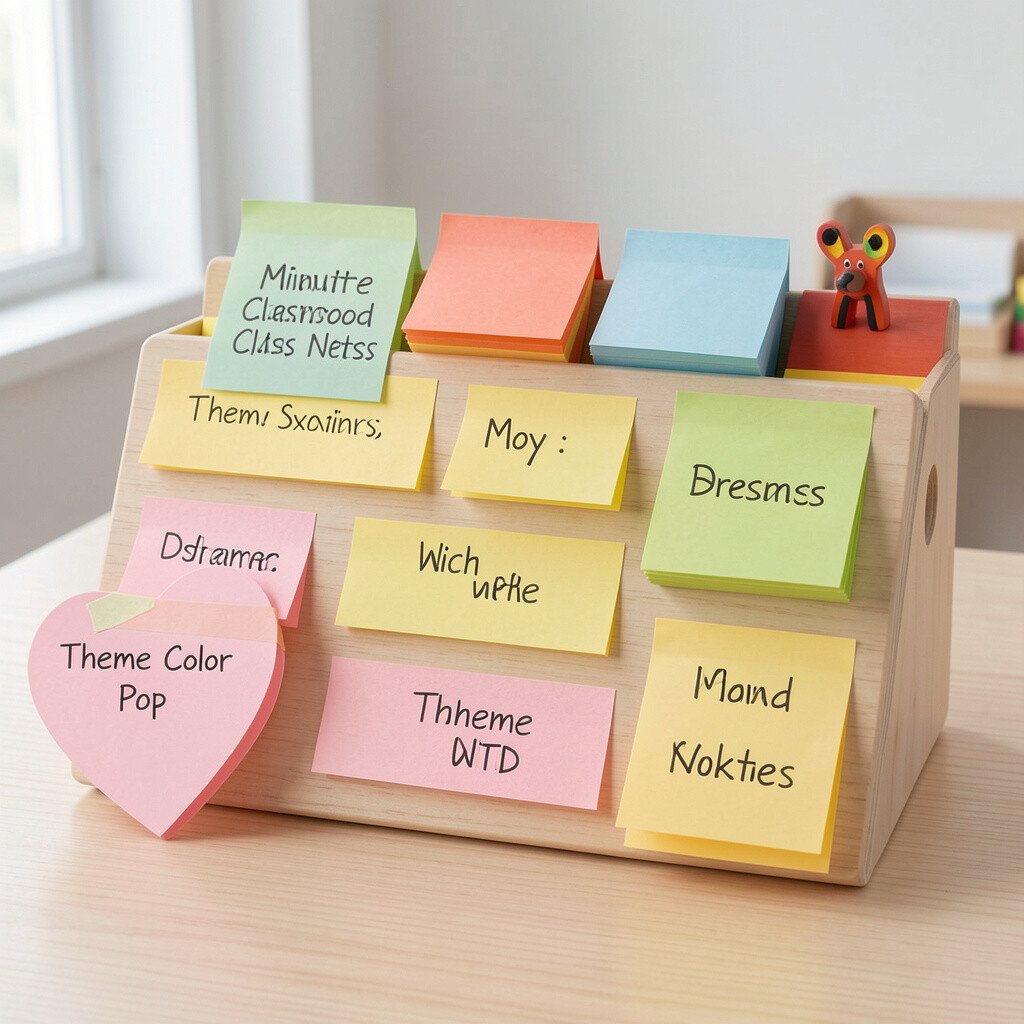
2. Theme Color Pop With Sticky Notes
Theme Color Pop With Sticky Notes
Choose one main color palette and add that color using sticky notes across your board or desk area. For example, light blue and white can become a calm “sky week,” while orange and gold can feel like autumn.
This small change gives the whole space a coordinated look, and it supports attention because everything feels on theme. Use different sizes of sticky notes to create a pattern, then personalize the message with student names or a short class promise.
To keep costs low, reuse old sticky pads and cut down the notes you already have. A current classroom trend is using “tiny anchors” like these to make transitions smoother, and this one does exactly that.
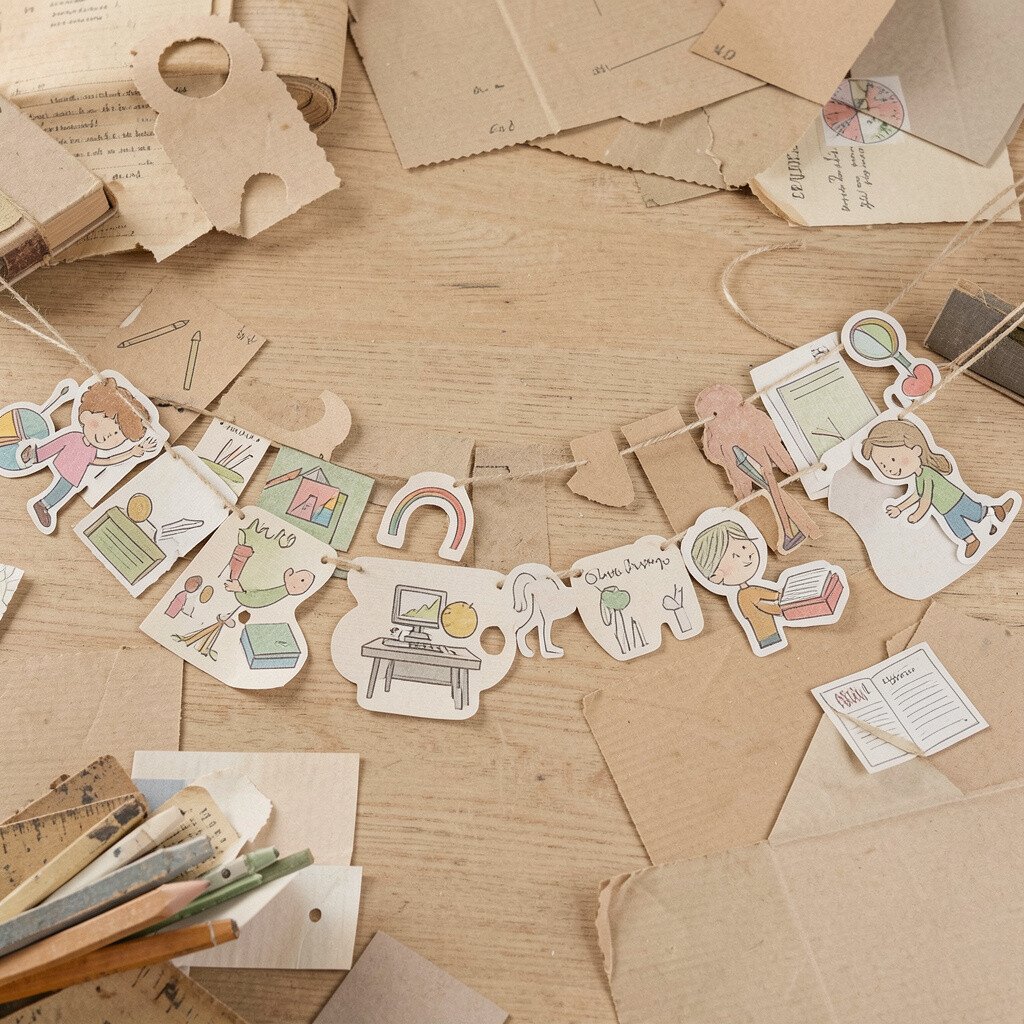
3. Paper Cutout Garland From Old Supplies
Paper Cutout Garland From Old Supplies
Grab scrap paper, old wrapping paper, or the backs of used worksheets and cut quick shapes for a lightweight garland. String them with yarn, thin twine, or even fishing line so the shapes look like they are floating.
It is unique because each class garland becomes its own signature, and students can spot familiar shapes when they enter. Try tying two or three knots to keep the spacing even, then choose one theme set like stars, leaves, or robots so the look feels intentional.
Use scissors and pre-drawn templates to stay fast, and save time by making the garland in advance for a few upcoming themes. When you reuse the same string, you only swap the paper shapes, which is a budget-friendly win.
If you want a modern touch, add one simple “reflective” element by using metallic paper for just a few pieces.
4. Quick “Story Prop” Table for the Front Row
Quick “Story Prop” Table for the Front Row
Place one small table or desk near the front and set three items that match the theme. Think of a mini globe, a set of vocabulary cards, a toy animal, or a plain jar with labeled paper strips.
When students see props ready to use, they get curious faster and your lessons start with more energy. Keep it practical by choosing items you already own, then rotate them each theme so the space stays fresh without extra shopping.
5. Doorway Sign With a One-Word Focus
Doorway Sign With a One-Word Focus
Make a sign for the doorway that shows one theme word in big letters. Add a simple border using markers or paper strips so it stands out from hallway traffic.
This setup is beneficial because it gives students a quick mental goal for the day, like “Curious” or “Brave.” Personalize it by including a small student-made illustration in the corner, such as a tiny rocket, leaf, or paintbrush.
Cost is minimal since scrap cardstock and basic markers are usually enough. A fun trend is keeping the word simple and strong, then letting students connect it to reading and discussion throughout the day.
6. “Theme Word” Pocket Chart Using Index Cards
“Theme Word” Pocket Chart Using Index Cards
Use a few index cards and write key words from your curriculum, then slide them into a pocket chart or simple hanging organizer. Keep the card visuals consistent by using the same font size and one color for each category.
This makes your theme feel organized, and it helps students find information quickly during class. For uniqueness, add one small drawing on each card made by a different student, and rotate ownership weekly so the board tells a story.
If you do not have a pocket chart, clip cards to a line using binder clips. Reusing paper and old card stock keeps the cost down and still looks neat.
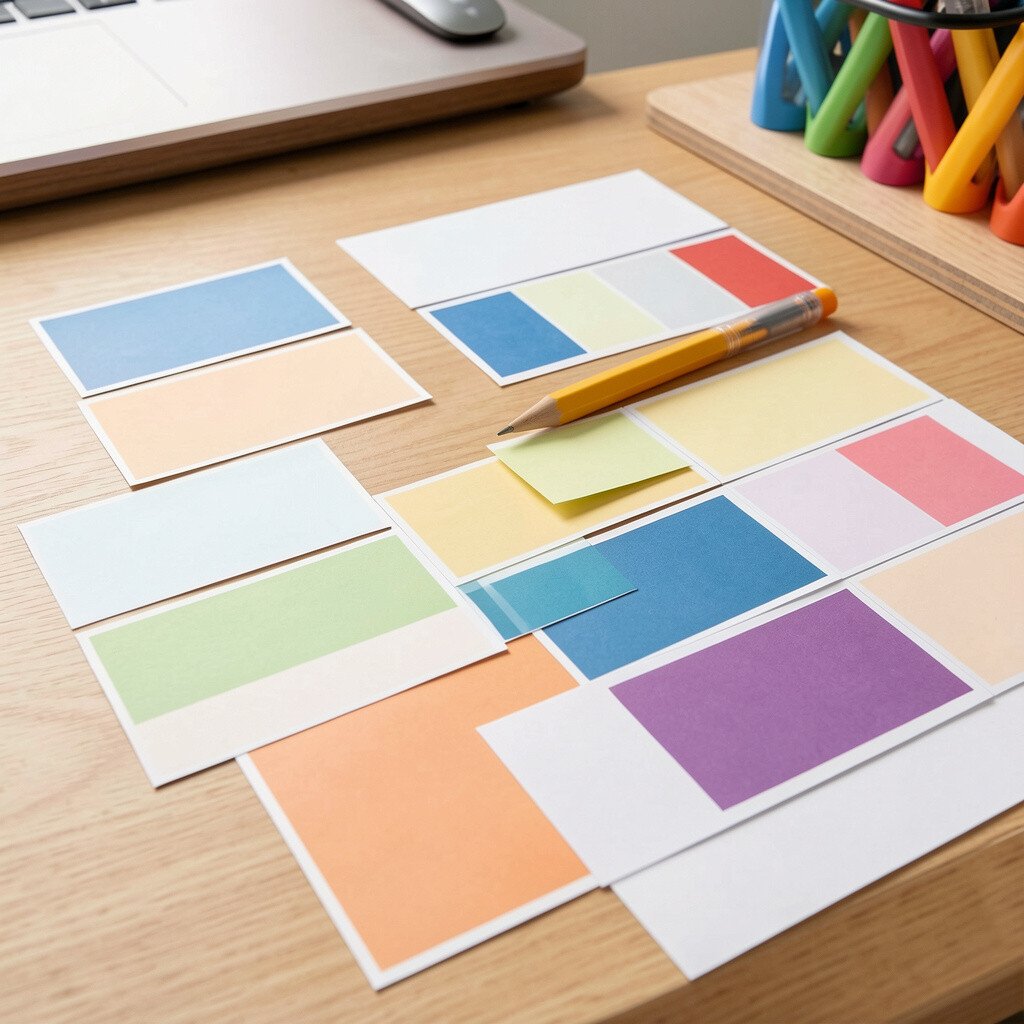
7. Color-Matched Desk Labels for a Mini Theme System
Color-Matched Desk Labels for a Mini Theme System
Create desk labels that match the theme colors and place them where students can see them at eye level. Simple labels can show roles like “Lead Reader” or “Materials Helper,” but in theme colors they feel more exciting.
Students benefit because transitions get smoother when they know where to go and what to do. Make it personal by letting the class vote on the next label color or by letting students decorate the label edges.
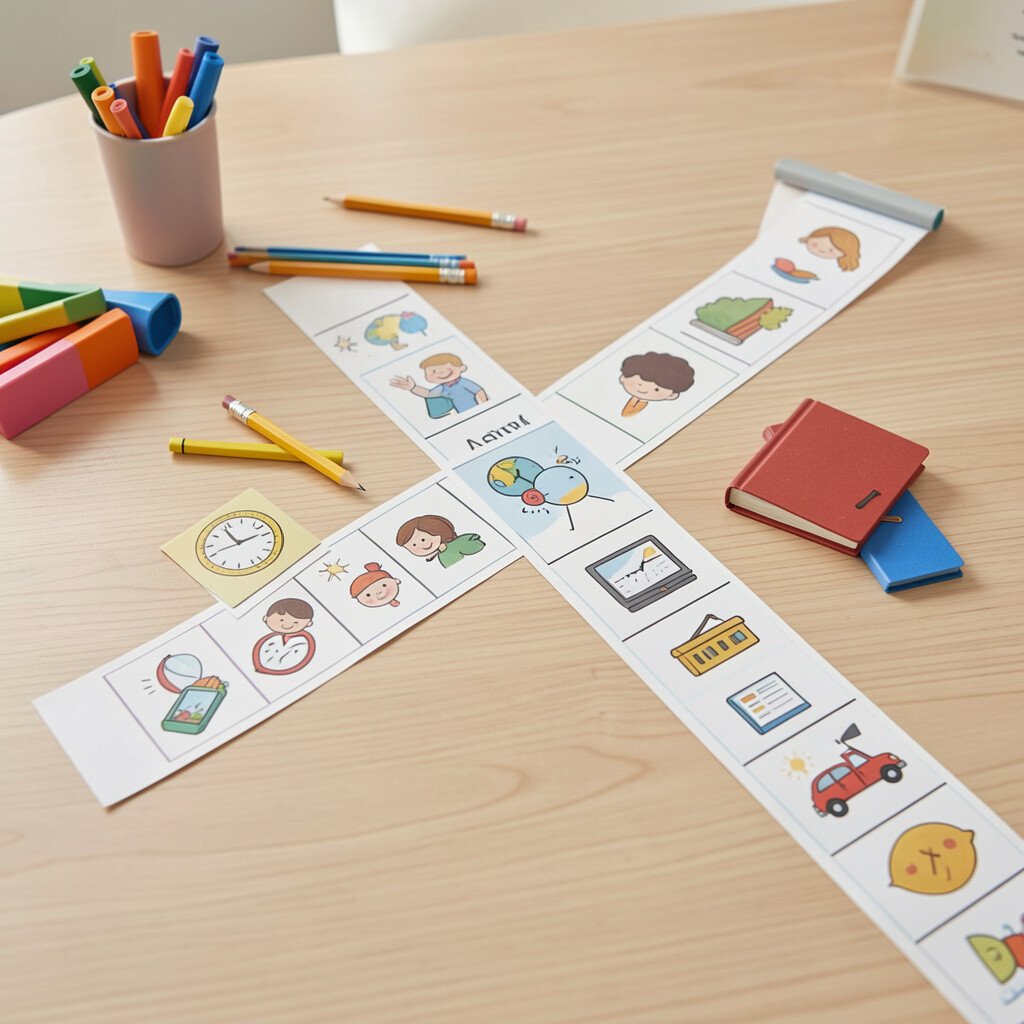
8. Classroom Timeline Strip With Theme Symbols
Classroom Timeline Strip With Theme Symbols
Draw or print a short timeline strip on paper and tape it near your board. Add one or two theme symbols for each part of the day, such as a sun for morning work or a book icon for reading.
This visual support reduces confusion and helps students stay on track, which saves you time during transitions. To keep it practical, make the timeline reusable and only swap the theme symbol set each week.
For uniqueness, make the symbols match student interests, like space for science units or ocean waves for language arts. When you use symbols, you also support students who benefit from visuals, which is a real classroom advantage.
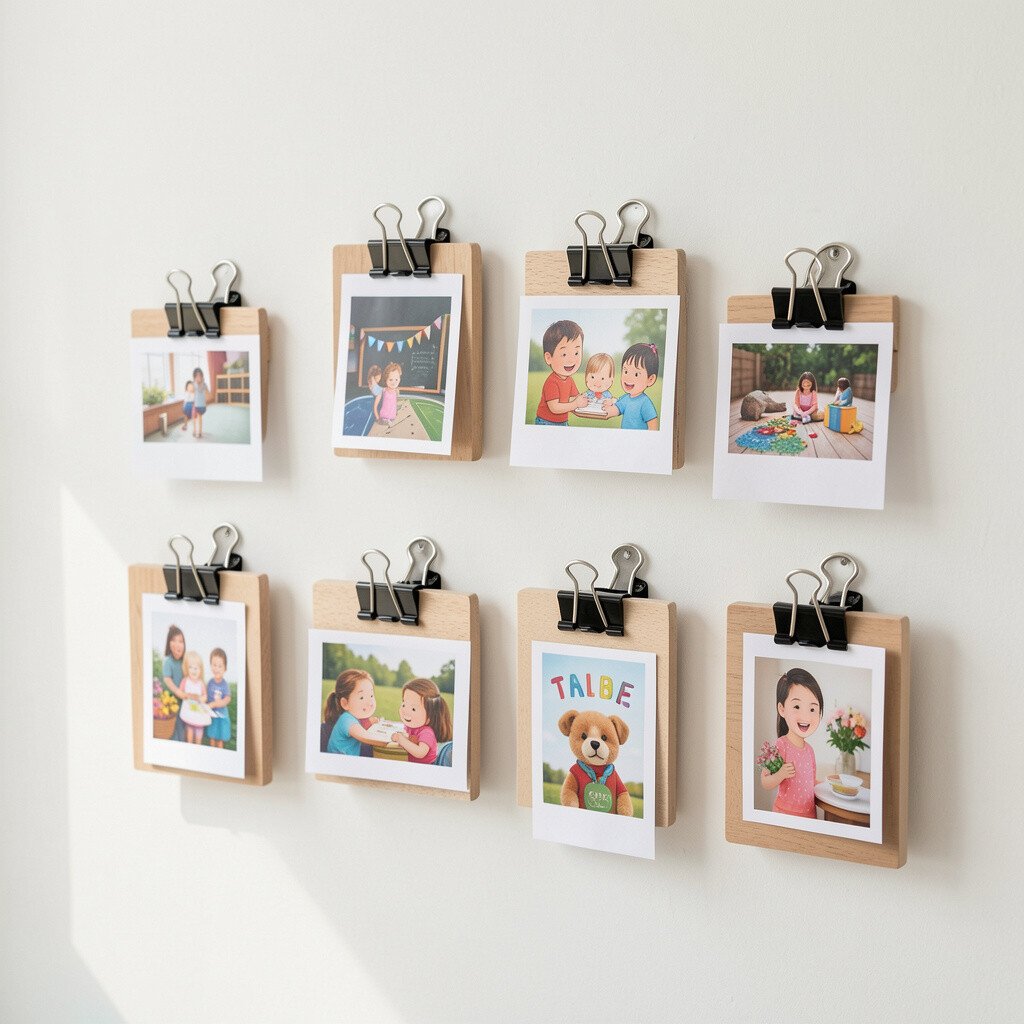
9. Mini Gallery Wall Using One-Ring Binder Clips
Mini Gallery Wall Using One-Ring Binder Clips
Use a single line of binder clips on a string or along a bulletin board edge to display quick student work. Add themed colored paper behind the photos or drawings so everything looks like it belongs.
This is beneficial because student work becomes part of the theme, not just clutter, and it boosts pride. Personalize it by letting students choose a theme “spotlight” piece to attach first each day.
Cost stays low because binder clips and string are easy to find, and you can reuse your background paper. A current trend is student-centered display, where the classroom reflects learners instead of adults.
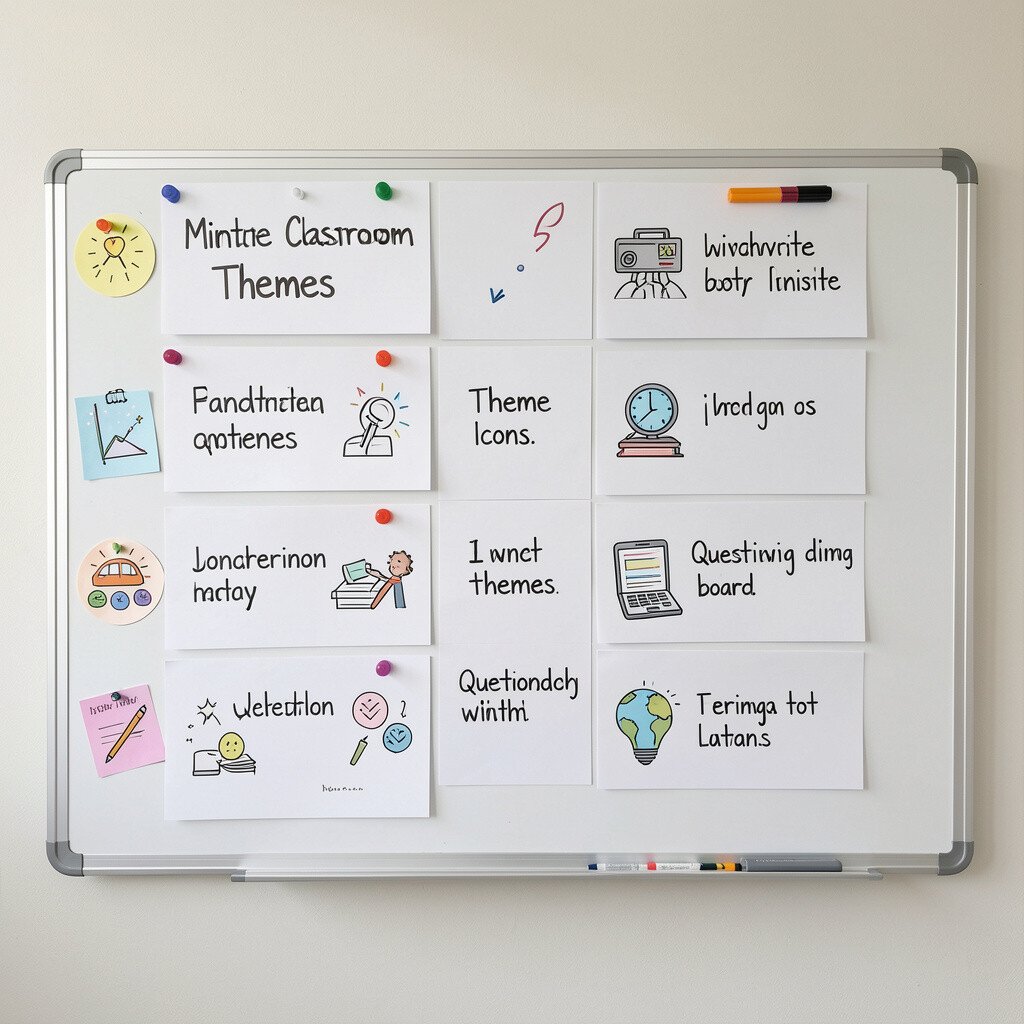
10. Handwritten Question Board With Theme Icons
Handwritten Question Board With Theme Icons
Write one question students will think about today on a board or chart paper, then add a few small icons around it. Choose icons that connect to the theme, like magnifying glasses, hearts, gears, or waves.
This supports engagement by giving students a clear mental hook before instruction begins. Keep it easy by using a stencil for icons or by tracing simple shapes, and reuse the same layout each theme to save time.
11. “Today’s Mission” Card at the Start of Work
“Today’s Mission” Card at the Start of Work
Make a card that says what students will do today, but keep the wording short and friendly. Put it in the same spot each day so students learn to check it automatically.
When students see a mission, they feel more ownership, and that can improve focus during independent work. For uniqueness, change the card design each theme with a border style, one small mascot, or a repeated pattern.
Cost considerations are easy here because card stock plus markers usually covers everything. If you follow classroom trends toward “gamified” learning, this card can feel like the first page of an adventure.
12. Theme “Sounds” Corner With Soft, Visible Signals
Theme “Sounds” Corner With Soft, Visible Signals
Set up a small area where you can show what kind of voice students should use. Use a picture cue like a whisper, a medium bubble, and a “robot voice” icon, then color-code them to match the theme.
This helps classroom management and reduces repeated reminders because students can self-check quickly. It is unique because the cue becomes part of the theme world, like a space station volume system or a library hush signal.
13. Themed Reading Bin With Genre Labels
Themed Reading Bin With Genre Labels
Create a reading bin that matches the theme and holds a short set of books or leveled texts. Add genre labels using theme colors so students can pick quickly without asking.
The benefit is big because students get more time reading and less time searching. Personalize the bin by including one student book request each week, then place a small note card about why they chose it.
Cost stays practical since you can use existing classroom books and rotate what is inside. A current trend is “book tasting,” and a themed bin makes students more eager to sample something new.
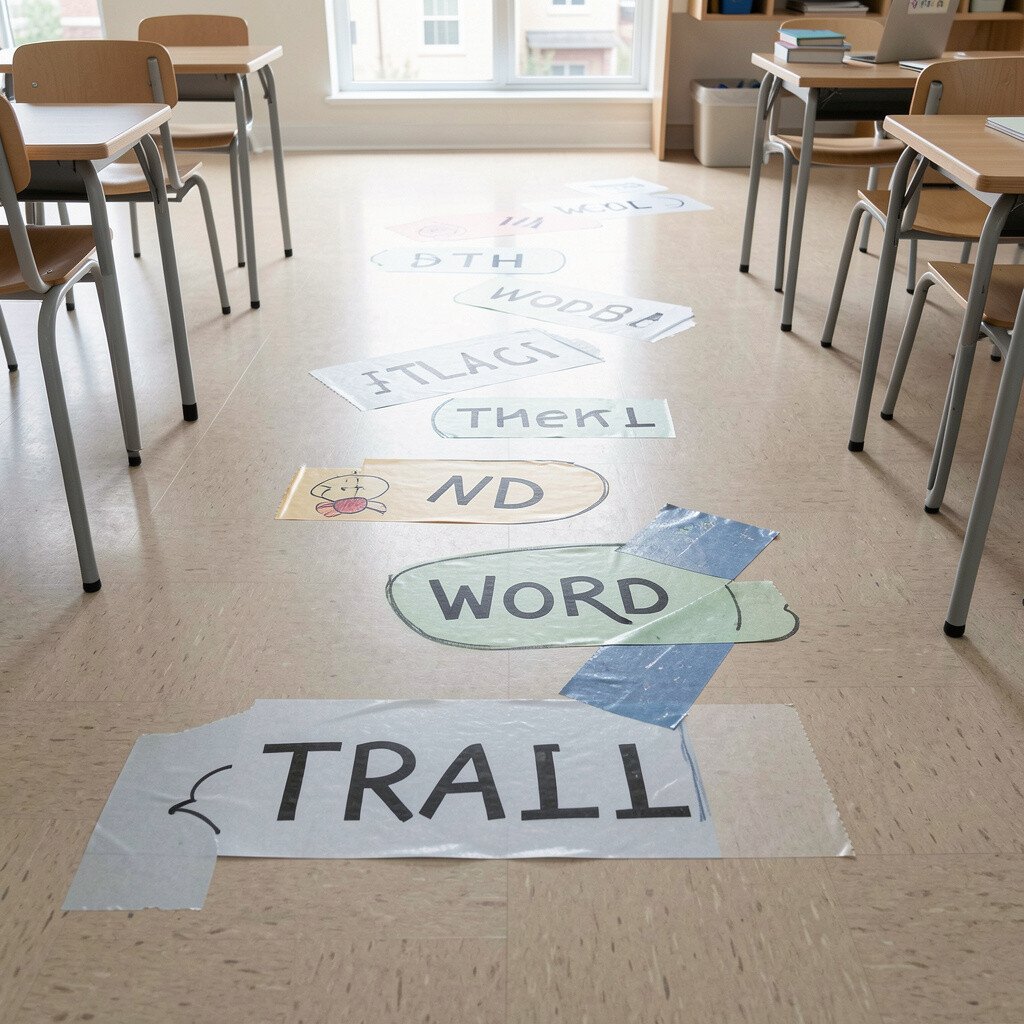
14. Theme Math or Word “Trail” on the Floor Tape
Theme Math or Word “Trail” on the Floor Tape
Use tape to make a short trail from one spot to another on the floor, then add symbols that match the theme. Students can follow it for activities like going to stations or finding reading spots.
This visual route reduces traffic chaos and keeps students moving with less confusion. For uniqueness, place different icons at each step so it feels like a map, such as a leaf to park station or a star to science station.
Cost considerations are low because painter’s tape works well and is often already available. If you want a modern style, make the trail curve and add a “start” and “finish” look that feels playful, not strict.
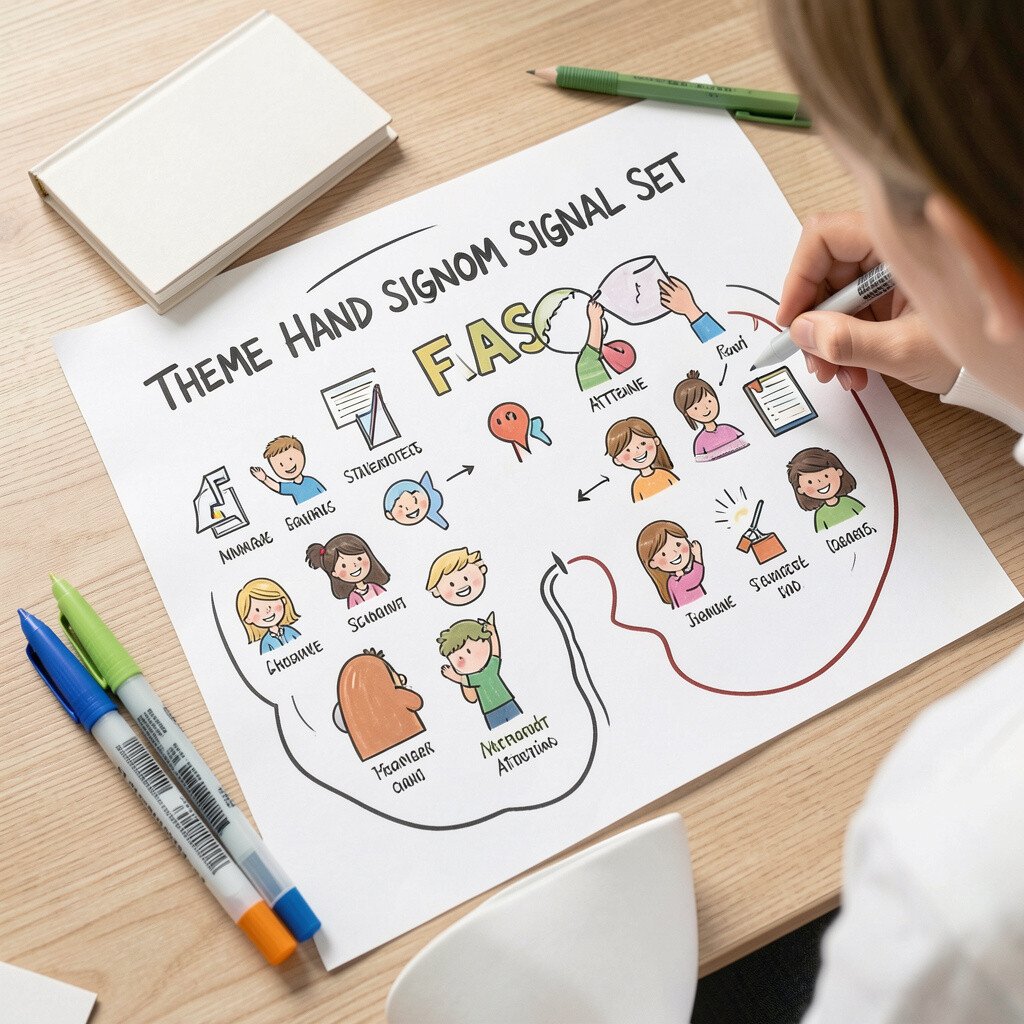
15. Theme Hand Signal Set for Fast Attention
Theme Hand Signal Set for Fast Attention
Pick three hand signals that match the theme, and teach students to use them for quick attention. Pair each signal with a small visual card so students do not forget the meaning.
The benefit is that you can reduce interruptions and keep the room calmer during transitions. Make it personal by letting students suggest signals, like a salute for “heroes” week or a wave for “ocean” week.
Since you can reuse the same three hand motions, the cost is minimal and the setup lasts longer than most one-day decorations. This approach aligns with current trends in classroom routines where students manage behavior with shared signals.
16. Themed Bulletin Board Strip With Velcro Changeables
Themed Bulletin Board Strip With Velcro Changeables
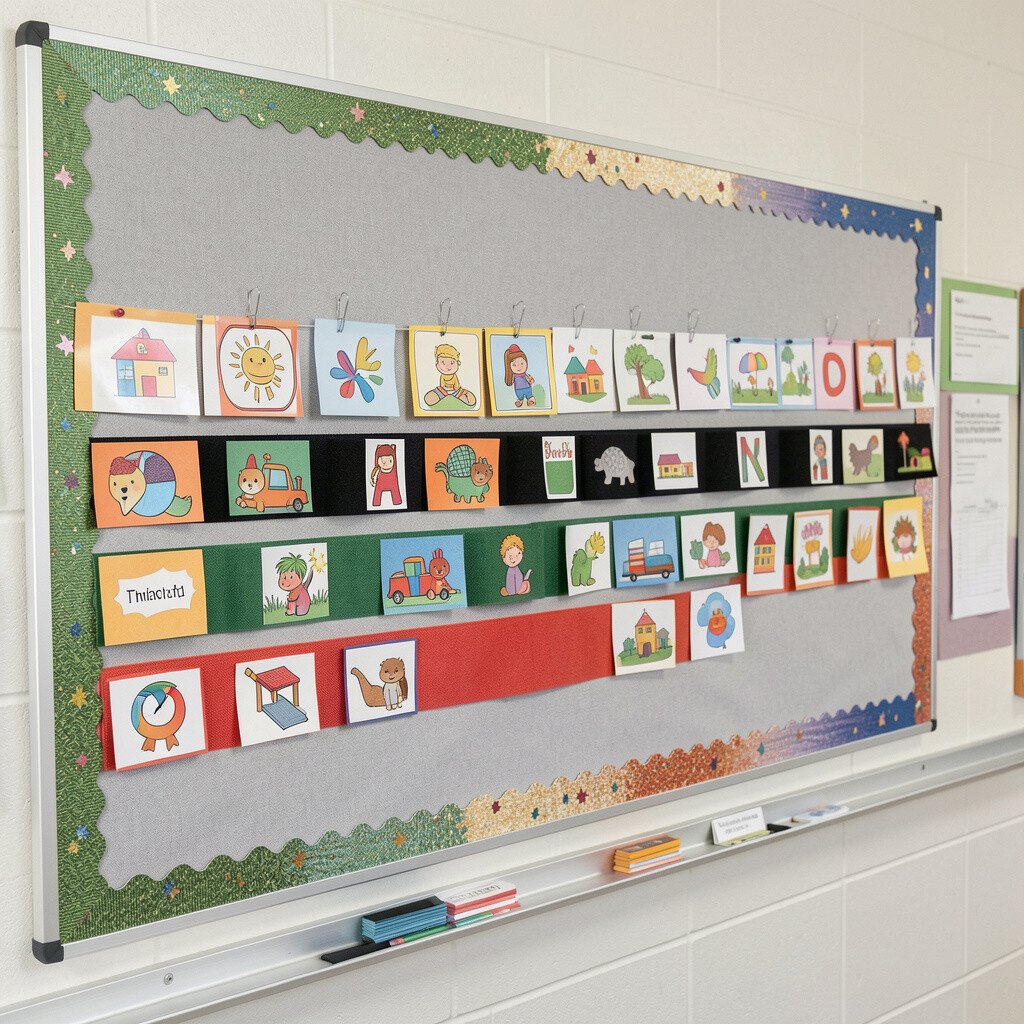
Create a simple bulletin board strip and add pieces that can be swapped using Velcro dots. Keep the base background stable, then change only the headline shape or scene elements each theme.
This is beneficial because it avoids repeating full board work and makes your classroom feel constantly refreshed. For uniqueness, build a “scene” from layers, like a town street, a garden path, or a jungle branch, using pieces you can mix and match.
Cost considerations are fair since Velcro and paper layers are reusable, and you can keep your pieces small to save materials. A practical tip is to store your theme pieces in labeled envelopes so the next swap takes only minutes.
17. Desk Supply Labels With Theme Icons and Jobs
Desk Supply Labels With Theme Icons and Jobs
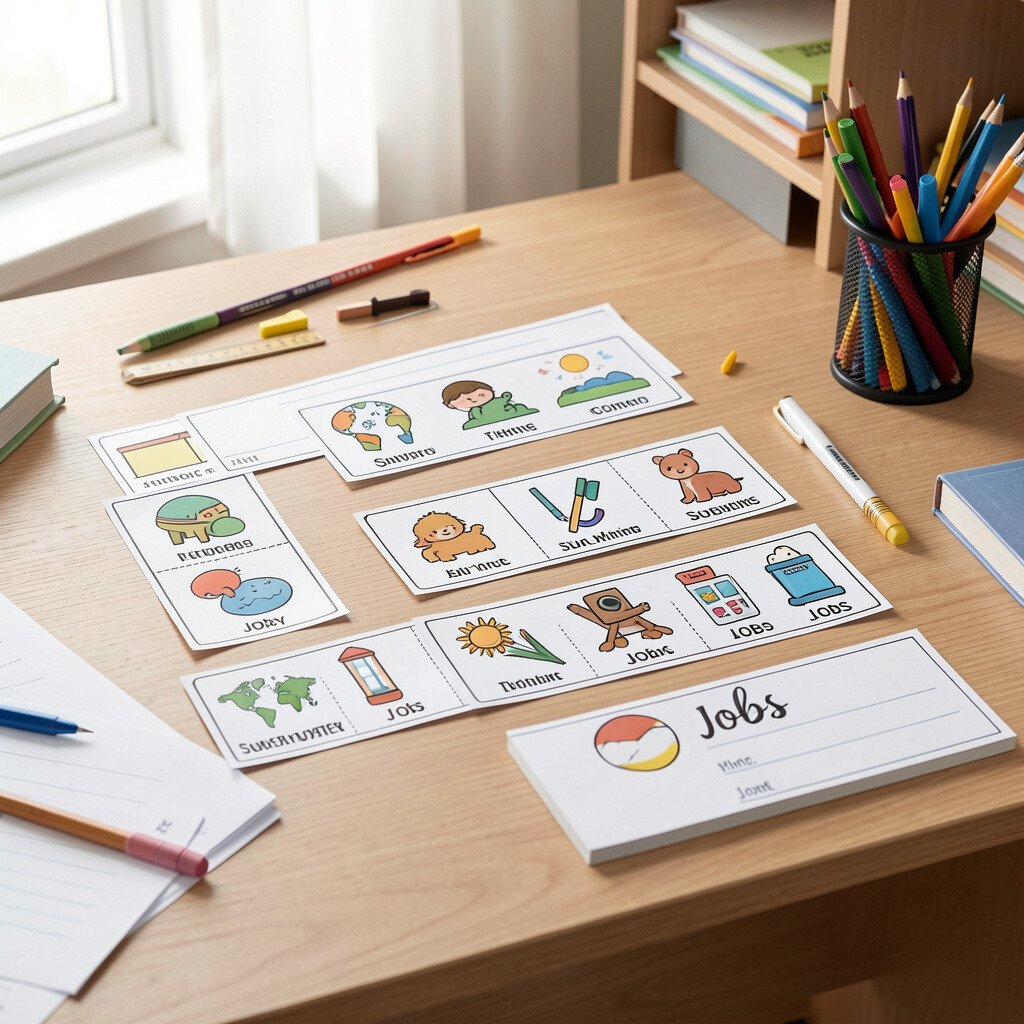
Label common supplies like crayons, markers, glue, and scissors using theme icons. Add a job title so students know who checks supplies and how to put them away.
This helps students work independently and reduces the time you spend restocking during class. Personalize it by letting each student choose the icon for the job they hold, like a pencil for “Organizer” or a paintbrush for “Creator.”
Cost is low because label paper, tape, and markers are enough. If you want to match current trends, use minimal icons and clean lines so your supplies look sleek rather than busy.
18. Themed “Mystery Envelope” With One Daily Prompt
Themed “Mystery Envelope” With One Daily Prompt
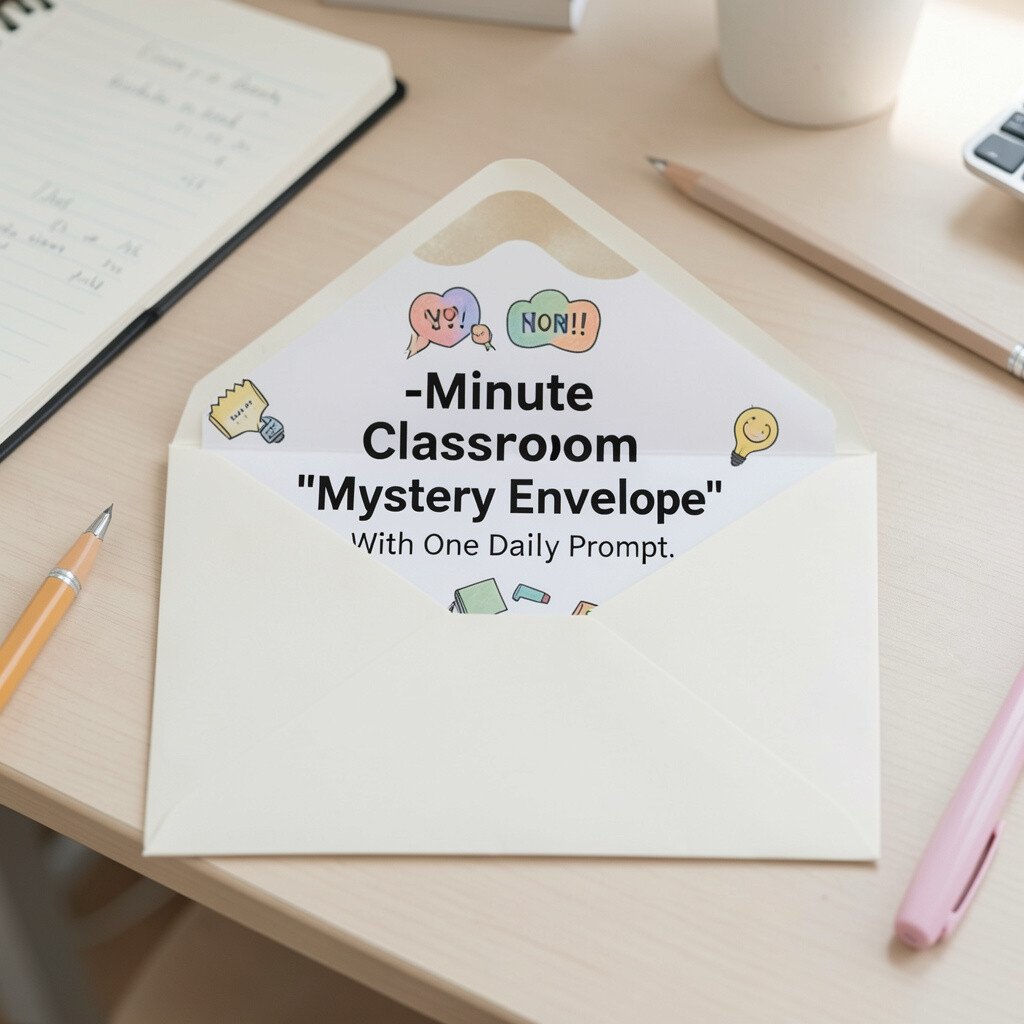
Place a small envelope in the classroom theme zone and put one prompt inside for the day. Keep the prompt short, like a question about the theme topic or a quick writing starter that connects to what students are learning.
This creates instant excitement and gives you an easy way to launch activities. Uniqueness comes from how students respond, because you can collect their answers and display a “mystery wall” later in the week.
Cost considerations are gentle since envelopes and paper prompts are cheap and you can reuse the envelope for months. A practical tip is to keep a stack of prepared prompts so setup takes only a minute or two.
To personalize, include one prompt chosen by a rotating student each day so the theme feels shared.
19. Quick Costume-Style Headband for Teacher Time
Quick Costume-Style Headband for Teacher Time
Make a simple headband or wrist decoration that fits the theme, using elastic and a paper shape. It can be as small as a star or as bold as a mini crown, but it should be easy to wear during your teaching block.
This is beneficial because students remember you as part of the theme, and that boosts energy during instruction. It feels unique because it is not a decoration on the wall, it is a visible cue that helps students shift into “learning mode.”
Cost is usually very low since paper, ribbon, or felt scraps are enough, and you can reuse the elastic. A practical tip is to keep a small theme box with pre-cut shapes so you can assemble it quickly when you change your theme.